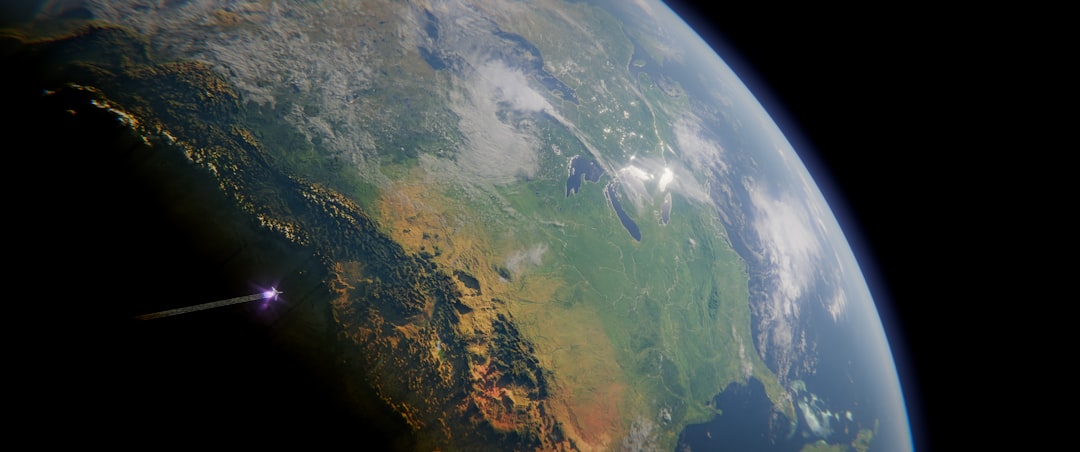
Exploring Earth: A Fascinating Science Documentary
The vast expanse of our planet, teeming with life, sculpted by unimaginable forces, and shrouded in mystery, has long captivated the human imagination. “Exploring Earth: A Fascinating Science Documentary” embarks on an ambitious journey to unravel the intricate tapestry of our world, presenting a visually stunning and intellectually stimulating exploration of Earth’s most profound processes and phenomena. This documentary aims not just to inform, but to inspire awe and a deeper understanding of the delicate balance that sustains life on our unique celestial home. Through cutting-edge cinematography, expert narration, and groundbreaking scientific insights, the film takes viewers on an unforgettable expedition that spans continents, delves into the deepest oceans, and even reaches into the fiery heart of our planet.
The opening segments of “Exploring Earth” delve into the awe-inspiring origins of our planet, tracing its evolution from a swirling nebula of cosmic dust and gas to the vibrant, living world we inhabit today. The documentary masterfully utilizes CGI to recreate the chaotic yet beautiful spectacle of planetary formation, depicting the violent collisions and accretion that eventually coalesced into Earth.
The Big Bang and Stellar Nurseries
The narrative begins with a fundamental cosmic context, briefly touching upon the Big Bang and the subsequent formation of stars. This sets the stage for understanding that our solar system, and indeed Earth itself, are products of a much grander cosmic story. The film highlights the role of stellar nurseries, vast clouds of gas and dust where new stars and planetary systems are born.
The Violent Birth of the Earth
“Exploring Earth” doesn’t shy away from the dramatic events that shaped early Earth. Viewers are treated to vivid recreations of the protoplanetary disk, showcasing the constant bombardment of asteroids and planetesimals. A significant focus is placed on the Giant Impact Hypothesis, the prevailing theory for the formation of our Moon. The documentary meticulously illustrates the colossal collision between the early Earth and a Mars-sized body, an event that not only ejected material forming the Moon but also profoundly altered Earth’s rotation and geological future. The sheer scale and violence of this event are rendered with breathtaking realism, offering a profound perspective on the circumstances that led to our satellite.
Early Atmospheres and the Emergence of Water
Following the aftermath of the Moon-forming impact, the documentary explores the formation of Earth’s primordial atmosphere. It examines the outgassing from volcanoes, releasing gases like water vapor, carbon dioxide, and nitrogen. The crucial role of comets and asteroids, often carrying significant amounts of water, in delivering the planet’s oceans is also discussed. The film emphasizes that the presence of liquid water, a unique characteristic among terrestrial planets in our solar system, was a pivotal factor in the subsequent development of life. The visual representations of ancient oceans, often depicted as turbulent and steamy, are both scientifically informative and aesthetically striking.
For those interested in exploring the fascinating world of Earth science, a related article that delves into the intricacies of our planet’s geological processes can be found at this link. This article provides insights into the dynamic systems that shape our environment, making it a perfect complement to any Earth science documentary.
Sculpting the Continents: Plate Tectonics in Action
Perhaps one of the most dynamic and visually compelling aspects of “Exploring Earth” is its comprehensive exploration of plate tectonics. The film moves from the planet’s origins to the constant, albeit slow, reshaping of its surface through the movement of massive lithospheric plates. This section is a testament to the power of geological forces that have sculpted every mountain range, every ocean trench, and every continent.
The Theory of Plate Tectonics Explained
The documentary provides a clear and accessible explanation of the theory of plate tectonics, the unifying concept in geology. It illustrates the Earth’s layered structure, focusing on the rigid lithosphere and the semi-fluid asthenosphere upon which it floats. The convection currents within the Earth’s mantle are depicted as the driving engine of plate movement, with hot material rising and cooler material sinking, creating a slow but inexorable churn.
Convergent Boundaries and Mountain Building
“Exploring Earth” showcases the dramatic consequences of convergent plate boundaries, where plates collide. Viewers witness the majestic formation of mountain ranges like the Himalayas, formed by the collision of the Indian and Eurasian plates. The documentary explains that this process, while incredibly slow, is responsible for the highest peaks on Earth. The immense forces involved are visualized through simulations that highlight the buckling, folding, and uplift of the Earth’s crust over millions of years. The impact on biodiversity and human settlements in these regions is also subtly hinted at.
Divergent Boundaries and the Creation of New Crust
The film then shifts to divergent boundaries, where plates move apart. This is vividly illustrated in the mid-ocean ridges, such as the Mid-Atlantic Ridge, where new oceanic crust is continuously being generated. The documentary takes viewers on an underwater expedition to witness volcanic activity and the formation of basaltic rock. The concept of seafloor spreading, a key component of plate tectonics, is explained and visualized through animated maps showing the slow but steady drift of continents over geological time. The distinctiveness of this process, creating vast underwater mountain chains, is a remarkable visual.
Transform Boundaries and Earthquakes
The documentary also addresses the frequent geological activity associated with transform boundaries, where plates slide past each other horizontally. The San Andreas Fault in California serves as a prime example. The film explains how the immense stress built up along these faults can be released suddenly, resulting in powerful earthquakes. Through sophisticated animation and archival footage, the documentary conveys the destructive power of seismic events and the ongoing geological tension that shapes our planet’s surface. The potential hazards and preparedness measures are also touched upon, adding a practical dimension.
The Breath of Life: Earth’s Dynamic Atmosphere and Climate
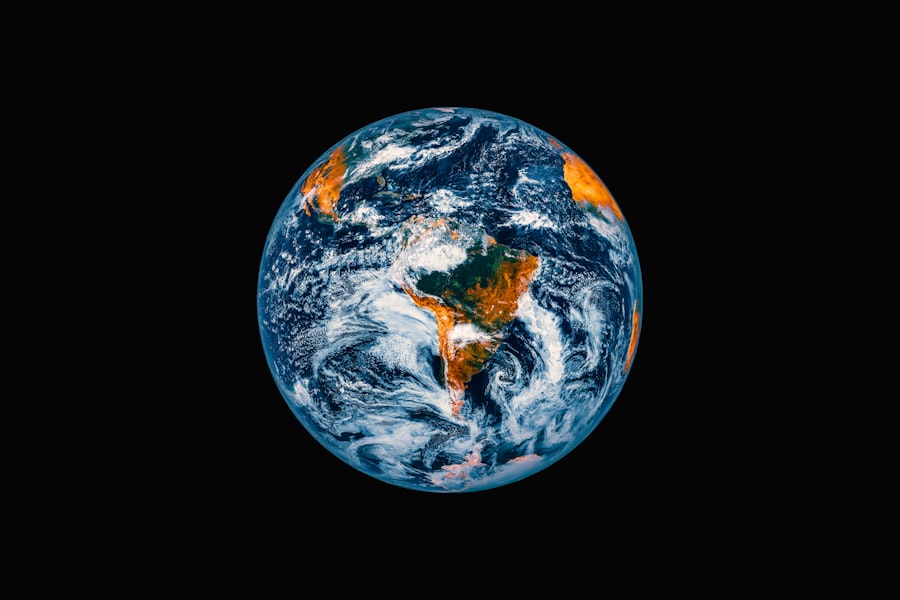
Beyond the solid ground, “Exploring Earth” turns its attention to the invisible yet life-giving blanket of our atmosphere. This section explores the intricate workings of atmospheric circulation, the forces that drive weather patterns, and the delicate balance of Earth’s climate system, highlighting its crucial role in sustaining life.
The Composition and Layers of the Atmosphere
The documentary begins by detailing the composition of Earth’s atmosphere, emphasizing the vital role of oxygen and nitrogen, and the presence of trace gases that influence temperature and weather. It then elucidates the distinct layers of the atmosphere – troposphere, stratosphere, mesosphere, thermosphere, and exosphere – and their unique characteristics. Visualizations of the ozone layer’s protective function and the auroras in the thermosphere offer stunning insights into these atmospheric phenomena. The difference between the breathable air close to the surface and the thinner air at higher altitudes is clearly demonstrated.
Global Wind Patterns and Ocean Currents
“Exploring Earth” masterfully illustrates the interconnectedness of atmospheric and oceanic systems. The film explains the global wind patterns, such as the trade winds and the jet stream, driven by differential heating of the Earth’s surface and the Coriolis effect. These winds, in turn, influence ocean currents, creating vast gyres that redistribute heat around the globe. The documentary uses sophisticated animations to depict these complex movements, showing how they play a critical role in regulating regional climates and supporting marine ecosystems. The visualization of these global patterns is both informative and visually captivating.
The Water Cycle: A Sustainable Resource
The documentary dedicates a significant portion to the ubiquitous and essential water cycle. It traces the journey of water from evaporation and transpiration into the atmosphere, its condensation into clouds, and its return to the Earth’s surface as precipitation. The film emphasizes the critical importance of this cycle in replenishing freshwater resources and sustaining all forms of life. Expert insights are provided on how various landscapes, from lush rainforests to arid deserts, are shaped by the availability and patterns of rainfall. The dynamic nature of precipitation, from gentle drizzles to torrential downpours, is explored.
Climate Change and the Human Impact
A contemporary and crucial element of the documentary is its examination of climate change. “Exploring Earth” presents the scientific consensus on the causes and consequences of global warming, highlighting the role of greenhouse gases released by human activities. The film showcases observable changes in global temperatures, sea levels, and extreme weather events. While not overtly alarmist, it conveys the urgency of the issue through compelling data visualizations and expert interviews. The interconnectedness of human actions and planetary health is underscored, prompting reflection on our role in safeguarding the future of Earth. The documentary subtly encourages viewers to consider their own contributions to environmental stewardship.
The Vibrant Biosphere: Islands of Life on a Dynamic Planet
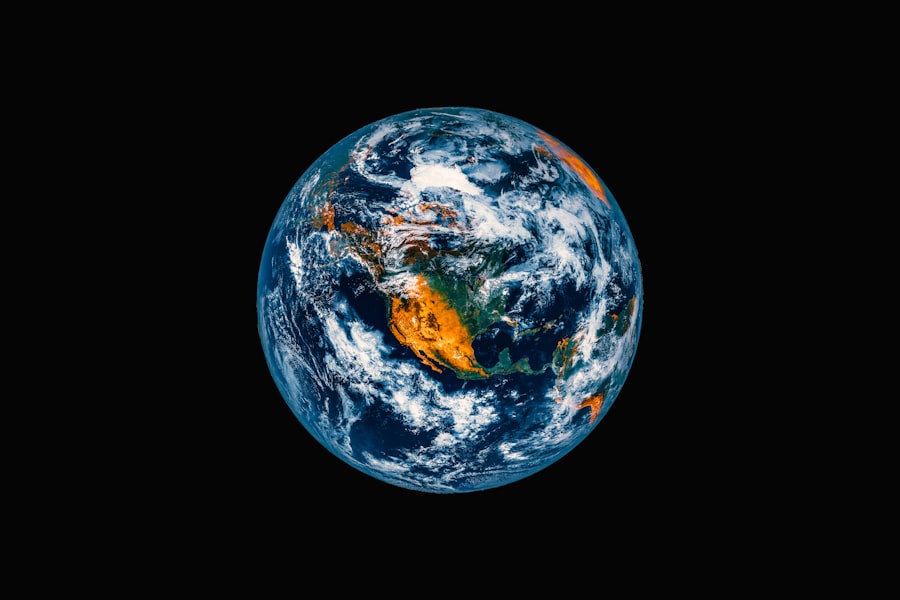
The narrative then shifts to the breathtaking diversity of life that thrives on Earth, examining the planet’s astonishing biosphere. “Exploring Earth” travels to a myriad of ecosystems, revealing the intricate adaptations of species and the delicate interdependencies that characterize life on our planet.
Extreme Environments and Unique Adaptations
The documentary takes viewers to some of the planet’s most extreme environments, from the crushing pressures of the deep ocean trenches to the searing heat of geothermal vents, and the frozen landscapes of polar regions. It showcases the remarkable adaptations of organisms that have evolved to survive and flourish in these seemingly inhospitable conditions. The bioluminescent creatures of the abyss, the chemosynthetic bacteria at hydrothermal vents, and the specialized animals of the Arctic are all brought to life through stunning macro photography and expert commentary. The resilience of life in these challenging settings is truly inspiring.
Rainforests: Biodiversity Hotspots
The vibrant and teeming rainforests are explored as unparalleled centers of biodiversity. The documentary highlights the immense variety of plant and animal life found in these ecosystems, emphasizing the complex food webs and symbiotic relationships that exist. Viewers are treated to mesmerizing glimpses of colorful insects, elusive mammals, and the intricate architecture of the forest canopy. The film stresses the importance of these ecosystems not only for their intrinsic value but also for their role in regulating global climate and providing essential resources. The delicate balance within these ecosystems is a recurring theme.
The Oceans: A World Within a World
“Exploring Earth” dedicates a significant segment to the vast and largely unexplored oceans. The documentary delves into the diverse marine environments, from the sunlit coral reefs teeming with life to the dark and mysterious abyssal plains. It showcases the incredible array of marine organisms, including majestic whales, playful dolphins, and the myriad of colorful fish that inhabit these waters. The film also touches upon the crucial role of oceans in supporting global food chains and their contribution to oxygen production. The vastness and mystery of the deep sea continue to be a source of wonder.
The Interconnectedness of Ecosystems
Throughout this section, a central theme is the interconnectedness of all life. The documentary illustrates how changes in one ecosystem can have ripple effects across the globe, emphasizing the fragile nature of Earth’s biosphere. Whether it’s the migration of birds, the transport of nutrients by ocean currents, or the impact of deforestation on atmospheric composition, the film consistently reinforces the idea that no ecosystem exists in isolation. The concept of a global ecosystem, where all parts are vital, is powerfully conveyed.
In the fascinating realm of Earth science, documentaries play a crucial role in educating the public about our planet’s complex systems and challenges. For those interested in exploring this topic further, a related article can be found at Freaky Science, which delves into the latest discoveries and innovations in environmental science. This resource offers valuable insights that complement the themes presented in many Earth science documentaries, making it a great addition to your learning journey.
The Unseen Forces Within: Earth’s Internal Dynamics
| Documentary Title | Release Year | Director | Duration (minutes) |
|---|---|---|---|
| Planet Earth | 2006 | Alastair Fothergill | 550 |
| Blue Planet II | 2017 | James Honeyborne | 360 |
| Our Planet | 2019 | Alastair Fothergill | 400 |
While much of Earth’s dramatic activity is visible on its surface, “Exploring Earth” also ventures into the planet’s inner realms, exploring the powerful forces that lie beneath our feet, shaping the very foundations of our world.
The Earth’s Core: A Fiery Engine
The documentary provides a compelling visualization of Earth’s core, divided into the solid inner core and the liquid outer core. The immense temperatures and pressures found deep within the planet are explained, emphasizing the molten nature of the outer core. The film illustrates how the movement of this molten iron generates Earth’s magnetic field, a vital protective shield against harmful solar radiation. The animated representation of convective currents within the outer core is both scientifically accurate and visually engaging.
Volcanic Activity: Earth’s Release Valve
Volcanoes are presented not just as destructive forces but as essential components of Earth’s geological processes. “Exploring Earth” explores the different types of volcanic eruptions, from effusive lava flows to explosive pyroclastic events. The film showcases the formation of new landmasses through volcanic activity, such as the Hawaiian Islands, and discusses the release of gases that contributed to Earth’s early atmosphere. The sheer power and spectacle of volcanic eruptions are captured with stunning clarity, highlighting their role in Earth’s ongoing evolution. The film offers a balanced perspective on the destructive and creative aspects of volcanism.
The Role of Geothermal Energy
The documentary also highlights the potent geothermal energy generated by Earth’s internal heat. It explores how this energy can be harnessed for human use, providing a sustainable source of power. The scientific principles behind geothermal power generation are explained, and viewers are shown examples of geothermal power plants in operation. This aspect connects the internal dynamics of the planet to technological innovation and sustainable living. The visualization of heat radiating from the Earth’s interior serves as a powerful reminder of this untapped energy source.
Earthquakes: The Shifting Crust
Building upon the discussion of plate tectonics, this section revisits earthquakes from the perspective of the forces involved. The documentary explains the mechanisms behind seismic waves and how their propagation can be studied to understand the Earth’s interior structure. It also delves into the impact of earthquakes on human society and the ongoing scientific efforts to predict and mitigate their effects. The footage of past earthquakes, while sobering, underscores the raw power of geological forces. The science behind seismology and earthquake detection is presented in an accessible manner.
Our Responsibility: Stewards of a Precious Planet
The concluding sections of “Exploring Earth” pivot to a more introspective and forward-looking perspective. The documentary emphasizes the profound interconnectedness of all life and the responsibility humanity holds as custodians of our unique planet.
The Delicate Balance of Ecosystems
The film reiterates the theme of ecological interdependence, showcasing how the health of individual species and ecosystems is vital for the overall well-being of the planet. It highlights the devastating impact of habitat destruction, pollution, and the introduction of invasive species on this delicate balance. Expert interviews emphasize the urgent need for conservation efforts to preserve Earth’s rich biodiversity. The visual narratives of struggling ecosystems serve as a powerful call to action.
The Impact of Human Activities
“Exploring Earth” unflinchingly examines the impact of human civilization on the planet. Beyond climate change, the documentary addresses issues such as resource depletion, deforestation, plastic pollution, and the loss of natural habitats. It presents scientific data and case studies to illustrate the scale of these challenges. The film aims to foster a sense of global awareness and encourage critical thinking about our consumption patterns and their environmental consequences. The ethical dimensions of human interaction with the natural world are carefully explored.
Conservation Efforts and Sustainable Solutions
Despite the daunting challenges, the documentary also shines a light on ongoing conservation efforts and innovative sustainable solutions. Viewers are introduced to inspiring examples of individuals and organizations working to protect endangered species, restore damaged ecosystems, and develop cleaner technologies. The film promotes a message of hope, suggesting that through collective action and a commitment to sustainability, humanity can mitigate the negative impacts and secure a healthier future for Earth. The focus on positive change offers a sense of agency to the viewer.
A Call to Action: Becoming Earth Stewards
The final message of “Exploring Earth” is a powerful call to action. It urges viewers to recognize their role as stewards of this precious planet and to embrace practices that promote environmental sustainability. The documentary encourages a deeper appreciation for the natural world, fostering a sense of wonder and responsibility that can inspire meaningful change in individual lives and collective actions. The overarching sentiment is one of empowerment, urging viewers to become active participants in the preservation of Earth for future generations. The closing scenes often feature uplifting imagery of nature’s resilience and the potential for a harmonious future.

The Secret Ocean Layer That Lets Sound Travel for Thousands of Miles
FAQs
What is Earth science?
Earth science is the study of the Earth and its processes, including geology, meteorology, oceanography, and environmental science. It encompasses the study of the Earth’s structure, composition, and history, as well as the interactions between the Earth’s various systems.
What is an Earth science documentary?
An Earth science documentary is a film or video production that explores and explains various aspects of Earth science. This may include topics such as the formation of the Earth, natural disasters, climate change, and the impact of human activity on the environment.
What are some common themes in Earth science documentaries?
Common themes in Earth science documentaries include the formation of the Earth, the processes that shape the planet’s surface, the impact of natural disasters such as earthquakes and hurricanes, the study of climate change, and the exploration of the Earth’s oceans and atmosphere.
How are Earth science documentaries produced?
Earth science documentaries are typically produced by a team of filmmakers, scientists, and researchers. The production process may involve extensive research, fieldwork, interviews with experts, and the use of advanced technology such as drones and satellite imagery to capture stunning visuals of the Earth’s landscapes and natural phenomena.
What are some popular Earth science documentaries?
Some popular Earth science documentaries include “Planet Earth” and “Blue Planet” by the BBC, “Chasing Ice” which focuses on climate change and melting glaciers, “An Inconvenient Truth” featuring Al Gore’s presentation on global warming, and “The Cove” which explores the impact of human activity on marine life.