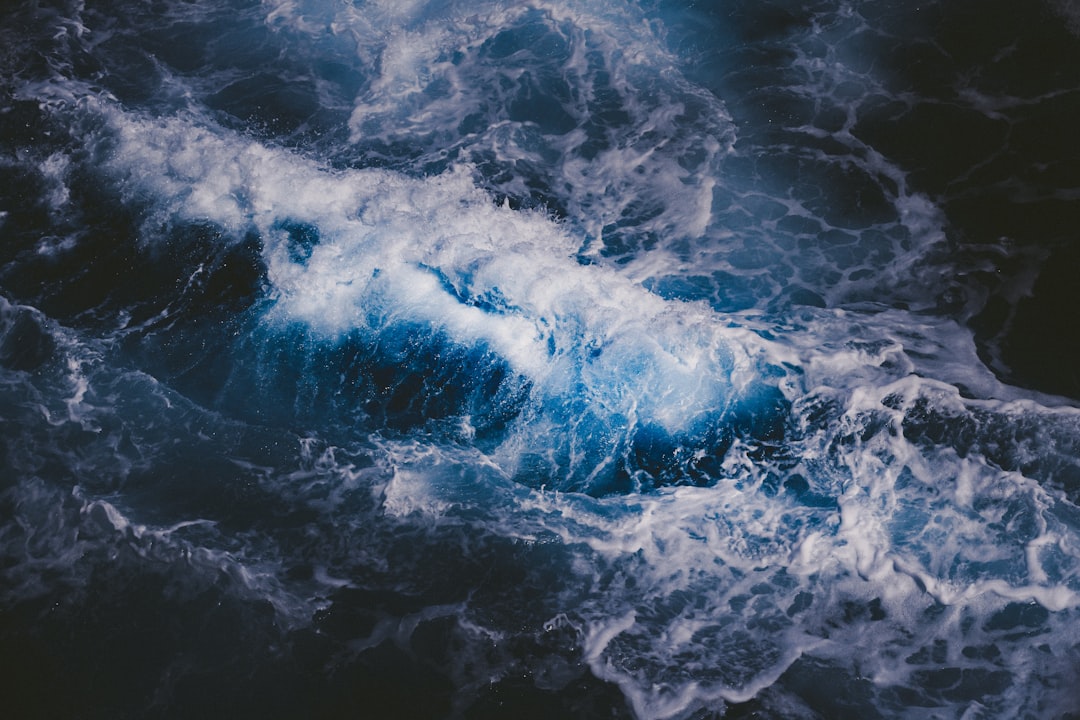
The vast expanse of the oceans, covering over 70% of our planet’s surface, remains one of the last true frontiers of exploration. Beneath the shimmering surface lies a world teeming with wonders, a realm of profound mystery and scientific intrigue. Ocean science, a diverse and dynamic field, endeavors to unravel these enigmas, seeking to understand the intricate processes that govern marine ecosystems, the geological forces that shape the ocean floor, and the vital role these waters play in sustaining life on Earth. This exploration is not merely an academic pursuit; it is a critical endeavor for the health of our planet and the future of humanity.
The sheer scale of the ocean’s depths is almost incomprehensible. From the sunlit shallows to the crushing pressures of the hadal zone, life has found ingenious ways to adapt and thrive. Much of this realm remains as unknown to us as the surface of Mars, a testament to the challenges of exploration. Yet, with technological advancements, scientists are peering deeper and further than ever before, revealing astonishing biological and geological phenomena.
The Mariana Trench and Beyond: Pushing the Limits of Exploration
The Mariana Trench, the deepest known part of Earth’s oceans, plunges to depths exceeding 11,000 meters. Here, extreme pressure, perpetual darkness, and near-freezing temperatures create an environment that would be utterly inhospitable to most terrestrial life. Yet, specialized expeditions, utilizing advanced submersibles and remotely operated vehicles (ROVs), have ventured into these abyss. These expeditions have discovered unique life forms, from amphipods and snailfish adapted to immense pressure to the possibility of chemosynthetic communities surviving on chemical energy rather than sunlight. The exploration of such extreme environments not only expands our understanding of life’s resilience but also provides clues about the potential for life on other planets with similar conditions.
Hydrothermal Vents: Oases of Life in the Dark
Far from the sun’s reach, along the mid-ocean ridges, hydrothermal vents erupt with superheated, mineral-rich water. These undersea geysers spew forth chemicals that fuel entire ecosystems based on chemosynthesis – the production of energy from inorganic compounds. Giant tube worms, specialized bacteria, crabs, and fish have adapted to these harsh yet nutrient-rich environments. The discovery of hydrothermal vent communities in the late 1970s revolutionized our understanding of biology, proving that life could exist and flourish independently of solar energy. Studying these vents offers insights into the origins of life on Earth and the potential for life in other subsurface ocean worlds.
The Deep Scattering Layer: A Daily Vertical Migration
One of the most widespread and enigmatic phenomena in the ocean is the Deep Scattering Layer (DSL). This layer, composed of a dense concentration of marine organisms, primarily zooplankton and small fish, rises towards the surface at night to feed and descends to deeper waters during the day to avoid predators and conserve energy. This daily vertical migration is so extensive that it can be detected by sonar, appearing as a false bottom. Understanding the dynamics of the DSL is crucial for comprehending the oceanic food web and the cycling of nutrients within the ocean. It also highlights the immense scale of life and movement occurring unseen beneath the waves.
Ocean science is a captivating field that continues to unveil the mysteries of our planet’s vast waters. A related article that delves into the intriguing aspects of marine ecosystems and their importance to global health can be found at Freaky Science. This article explores the latest discoveries in oceanography and highlights the critical role oceans play in climate regulation and biodiversity.
The Ocean’s Unseen Architect: Geological Processes Shaping the Seafloor
The ocean floor is not a static landscape; it is a dynamic canvas sculpted by powerful geological forces over millions of years. Plate tectonics, volcanic activity, and erosion all play a role in creating the diverse submarine topography, from vast plains to towering mountains. Unraveling these processes is key to understanding Earth’s geological history and predicting future geological events.
Plate Tectonics and Mid-Ocean Ridges: The Birthplace of New Crust
The seafloor is continuously being created and destroyed through the movement of tectonic plates. At mid-ocean ridges, magma rises from the Earth’s mantle, cools, and solidifies to form new oceanic crust. This process, known as seafloor spreading, is a fundamental mechanism of plate tectonics. Studying these ridges provides invaluable data on the Earth’s internal structure and the forces driving continental drift. Scientists employ sophisticated seismic surveys and seafloor mapping techniques to visualize these immense geological features.
Subduction Zones: The Recycling of Oceanic Crust
At the edges of tectonic plates, where one plate is forced beneath another, a process called subduction occurs. This leads to the formation of deep ocean trenches and triggers volcanic activity and earthquakes on land. Subduction zones are crucial for the recycling of oceanic crust back into the Earth’s mantle, playing a vital role in the long-term geological evolution of the planet. Research in these areas helps us understand earthquake and tsunami hazards and provides insights into the deep Earth processes.
Seamounts and Guyots: Underwater Mountains and Plateaus
Scattered across the ocean floor are thousands of seamounts – underwater mountains, many of which are extinct volcanoes. Some seamounts rise high enough to break the surface, forming islands, while others remain submerged. Flat-topped seamounts, known as guyots, are thought to have once been volcanic islands that have subsided and been eroded to a level surface. These features are not just geological curiosities; they serve as biodiversity hotspots, providing unique habitats for a wide array of marine life. Their formation and distribution offer clues about past volcanic activity and changes in sea level.
The Ocean’s Breath: Climate Regulation and Carbon Cycling
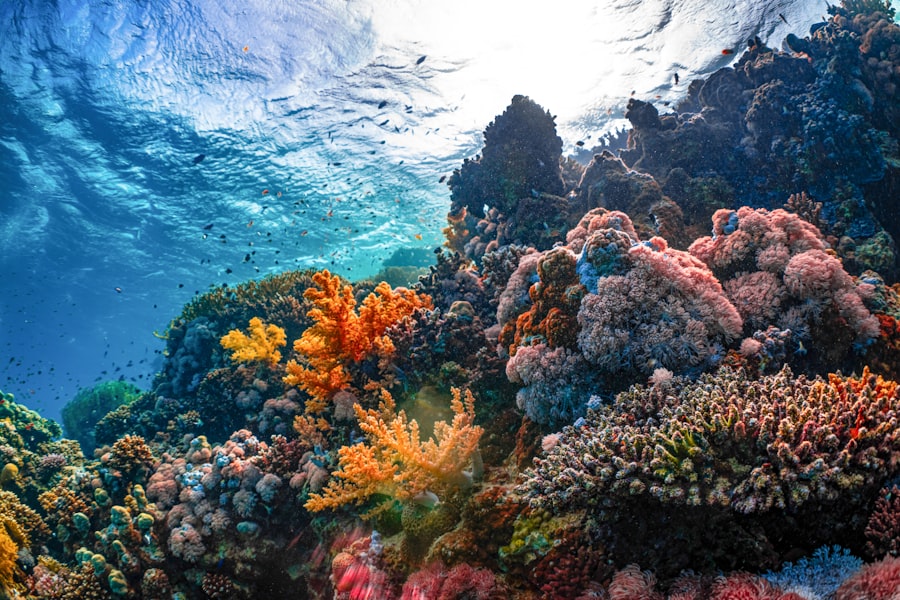
The ocean is a pivotal player in regulating Earth’s climate. Its immense volume of water absorbs and stores vast amounts of heat and carbon dioxide, moderating global temperatures and influencing weather patterns. Understanding these oceanic processes is paramount to addressing the challenges of climate change.
The Ocean’s Role as a Carbon Sink: Absorbing Atmospheric CO2
The ocean acts as a colossal carbon sink, absorbing a significant portion of the carbon dioxide (CO2) released into the atmosphere, primarily from human activities. This absorption helps to mitigate the greenhouse effect, but it also leads to ocean acidification. Scientists are meticulously studying the mechanisms of CO2 absorption and its impact on marine chemistry and ecosystems. This research is critical for predicting future climate scenarios and developing strategies to reduce greenhouse gas emissions.
Ocean Currents: Global Conveyor Belts of Heat and Nutrients
Vast systems of ocean currents, driven by wind, temperature, and salinity differences, act like global conveyor belts, transporting heat, nutrients, and dissolved gases across the planet. The thermohaline circulation, a deep ocean current system, plays a particularly significant role in regulating global climate by moving water masses with different densities. Disruptions to these currents, potentially caused by climate change, could have far-reaching and unpredictable consequences for weather patterns and marine ecosystems worldwide.
El Niño-Southern Oscillation (ENSO): A Major Climate Driver
The El Niño-Southern Oscillation (ENSO) is a naturally occurring climate phenomenon that involves fluctuations in sea surface temperatures in the tropical Pacific Ocean. El Niño and La Niña events, the two phases of ENSO, have profound impacts on weather patterns across the globe, influencing rainfall, temperature, and the frequency of extreme weather events. Understanding the triggers and impacts of ENSO is crucial for seasonal forecasting and disaster preparedness in many regions.
The Ocean’s Living Tapestry: Biodiversity and Ecosystems
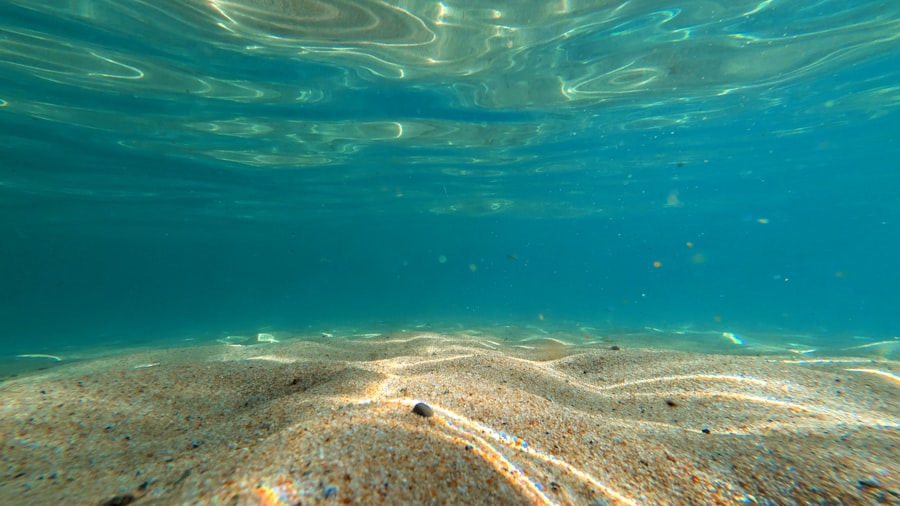
The oceans are home to an astonishing diversity of life, from microscopic plankton to the largest animals on Earth. These interconnected ecosystems are vital for the health of the planet, providing food, oxygen, and regulating essential biogeochemical cycles. Marine biodiversity is facing unprecedented threats, making its study and conservation a top priority.
Plankton: The Foundation of Marine Food Webs
Though often microscopic, plankton – encompassing phytoplankton (plant-like) and zooplankton (animal-like) – form the base of almost all marine food webs. Phytoplankton, through photosynthesis, produce a substantial portion of the world’s oxygen and form the primary producers in the ocean. Zooplankton graze on phytoplankton, providing food for larger organisms. Studying plankton blooms, their distribution, and their response to environmental changes is fundamental to understanding the productivity and health of marine ecosystems.
Coral Reefs: Vibrant Cities of the Sea
Coral reefs are among the most biodiverse and productive ecosystems on Earth, often referred to as the “rainforests of the sea.” These intricate structures, built by tiny coral polyps, provide habitat and food for an estimated 25% of all marine species. However, coral reefs are exceptionally sensitive to changes in ocean temperature and chemistry, making them highly vulnerable to climate change and pollution. Scientists are working tirelessly to understand coral resilience and develop strategies for their conservation.
The Great Whales and Dolphins: Sentinels of the Ocean
Marine mammals, such as whales and dolphins, are iconic inhabitants of the ocean, playing crucial roles in their ecosystems. Their presence, feeding habits, and migratory patterns can serve as indicators of the overall health of marine environments. Studying their behavior, population dynamics, and the threats they face from pollution, overfishing, and climate change is essential for their survival and for understanding the broader impacts on the ocean.
Ocean science continues to unveil the mysteries of our planet’s vast waters, revealing insights that are both captivating and crucial for understanding climate change. A related article that delves deeper into this subject is available at Freaky Science, where you can explore the latest discoveries in marine biology and oceanography. These findings not only enhance our knowledge of marine ecosystems but also highlight the importance of preserving our oceans for future generations.
The Ocean’s Future Imperative: Conservation and Sustainable Use
| Topic | Metrics |
|---|---|
| Ocean Temperature | Measured in degrees Celsius |
| Salinity | Measured in parts per thousand (ppt) |
| Sea Level Rise | Measured in millimeters per year |
| Marine Biodiversity | Number of species per area |
| Ocean Acidification | pH level of seawater |
As humanity’s impact on the planet grows, the importance of ocean science for conservation and sustainable use becomes increasingly evident. From understanding the effects of plastic pollution to developing sustainable fishing practices, scientific research is guiding our efforts to protect this vital resource for future generations.
Combating Plastic Pollution: A Global Challenge
Plastic pollution is a pervasive and growing threat to marine life and ecosystems. Microplastics, the tiny fragments of larger plastic items, are ingested by marine organisms at all levels of the food web, with potential detrimental health effects. Ocean scientists are investigating the sources, pathways, and impacts of plastic pollution, as well as developing innovative solutions for its removal and prevention. This research is crucial for mitigating this widespread environmental crisis.
Sustainable Fisheries Management: Balancing Exploitation and Ecosystem Health
The world’s fisheries provide a vital source of food and livelihoods for billions of people. However, many fish stocks are overexploited, threatening the sustainability of marine ecosystems. Ocean science plays a critical role in informing fisheries management by assessing fish populations, understanding reproductive cycles, and monitoring the impacts of fishing practices. Developing and implementing sustainable fishing strategies is paramount to ensuring the long-term health of both fish stocks and the marine environment.
Marine Protected Areas (MPAs): Sanctuaries for Ocean Life
Marine Protected Areas (MPAs) are designated regions of the ocean where human activities are restricted to protect marine environments and biodiversity. Scientific research is fundamental to the design, effectiveness, and monitoring of MPAs. By studying the ecological recovery within these areas and comparing them to unprotected regions, scientists can assess the benefits of conservation and inform the expansion of effective MPA networks.
Climate Change Adaptation and Mitigation Strategies
Ocean science is at the forefront of understanding and addressing the impacts of climate change on marine systems. This includes predicting sea-level rise, analyzing changes in ocean circulation, and assessing the vulnerability of marine ecosystems to warming temperatures and acidification. This knowledge is vital for developing adaptation strategies for coastal communities and for advocating for global mitigation efforts to reduce greenhouse gas emissions.
The study of ocean science is a continuous journey of discovery, revealing the intricate interconnectedness of our planet’s blue heart. From the deepest trenches to the sunniest shores, the oceans hold secrets that are essential for our understanding of Earth’s past, present, and future. Embracing and supporting this vital field of research is not just an investment in knowledge; it is an investment in the very survival and well-being of our planet and all its inhabitants. The mysteries of the deep continue to beckon, promising further revelations and reinforcing the profound importance of our aquatic world.

The Secret Ocean Layer That Lets Sound Travel for Thousands of Miles
FAQs
What is ocean science?
Ocean science is the study of the physical, chemical, and biological aspects of the ocean. It encompasses a wide range of disciplines including oceanography, marine biology, marine geology, and marine ecology.
Why is ocean science important?
Ocean science is important because the ocean plays a crucial role in regulating the Earth’s climate, providing food and resources, and supporting diverse ecosystems. Understanding the ocean is essential for addressing environmental challenges such as climate change, pollution, and overfishing.
What are some key areas of research in ocean science?
Key areas of research in ocean science include studying ocean currents, marine biodiversity, ocean acidification, coastal erosion, and the impact of human activities on marine ecosystems. Researchers also study the role of the ocean in the global carbon cycle and its influence on weather patterns.
How do scientists study the ocean?
Scientists study the ocean using a variety of methods including remote sensing, underwater robotics, oceanographic cruises, and satellite observations. They collect data on ocean temperature, salinity, currents, and marine life to better understand the complex interactions within the ocean.
What are some recent discoveries in ocean science?
Recent discoveries in ocean science include the identification of new marine species, the mapping of previously unexplored deep-sea ecosystems, and the development of technologies to monitor and protect marine environments. Scientists are also uncovering the impacts of climate change on the ocean, such as coral bleaching and sea level rise.