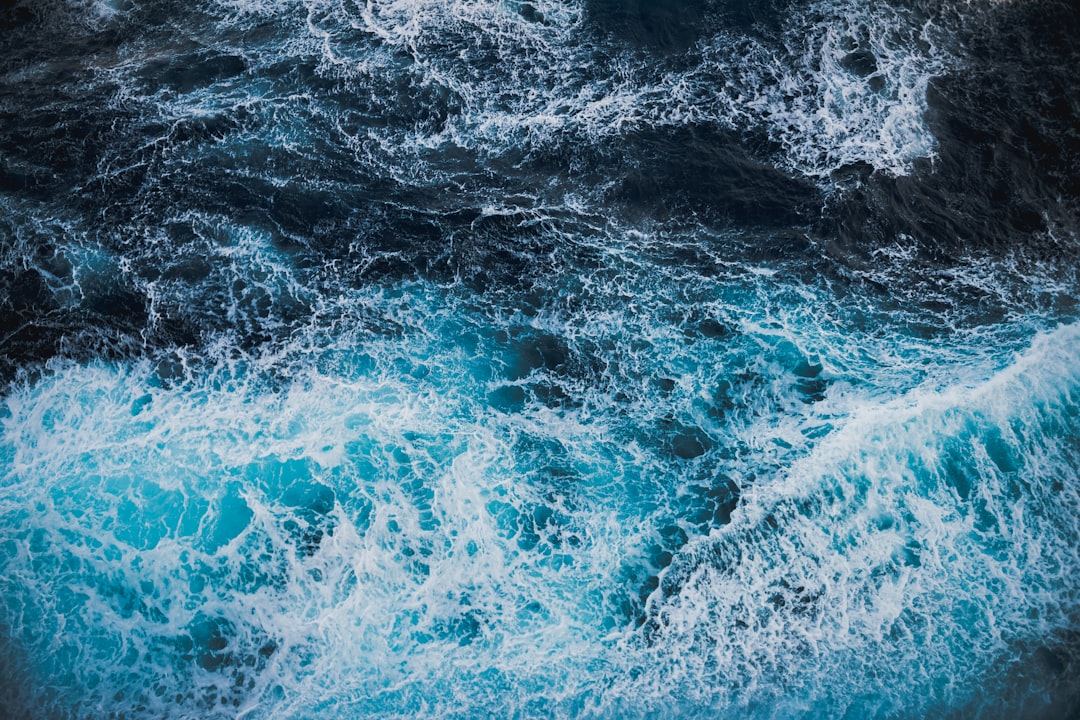
The ocean, a vast and enigmatic expanse that covers over 70% of our planet, has long captured human imagination. Its depths hold a universe of wonders, many of which remain shrouded in mystery, defying our current understanding of the natural world. From the tiniest microorganisms to colossal, elusive creatures, the ocean is a testament to the power of the unseen, the forces that shape its currents, sustain its life, and hold secrets that continue to unravel. This exploration delves into some of these profound mysteries, seeking to shed light on the forces that operate beneath the waves.
The abyss, a term encompassing the ocean’s deepest trenches, represents arguably the most alien environment on Earth. Descending thousands of meters, these regions are characterized by crushing pressures, absolute darkness, and near-freezing temperatures. Yet, life not only exists here but thrives in remarkable ways, adapted to conditions that would be instantly fatal to most surface dwellers. The very existence of these ecosystems challenges our definitions of habitability and fuels our curiosity about the limits of life itself.
Pressure: A Crushing Embrace
The immense pressure in the abyssal zones is a constant and formidable barrier. For every 10 meters of depth, the pressure increases by approximately one atmosphere (14.7 psi). At the bottom of the Mariana Trench, the deepest point in the ocean, the pressure exceeds 1,000 atmospheres, equivalent to the weight of 50 jumbo jets stacked on top of each other pressing down on a human. Organisms that inhabit these depths have evolved specialized cellular structures and biochemical processes to withstand this immense force. Their cell membranes are more fluid, and their proteins are designed to maintain their functional shape under extreme pressure. Scientists are still unraveling the precise mechanisms that allow these creatures to survive, offering potential insights into the resilience of biological systems.
Bioluminescence: Light in the Darkness
In the perpetual darkness of the abyss, light is a precious commodity. Many abyssal creatures have evolved the remarkable ability to produce their own light through a process called bioluminescence. This biological light can serve a variety of purposes, from attracting prey and deterring predators to communicating with potential mates. The chemical reactions involved are complex, often involving a light-emitting molecule called luciferin and an enzyme called luciferase. The diversity of bioluminescent patterns and colors observed in deep-sea organisms is astonishing, suggesting sophisticated signaling systems that we are only beginning to decipher. Understanding these light-producing capabilities could have applications in fields like medicine and biotechnology.
Extremophiles: Life in the Unlikely Places
The extreme conditions of the abyss have given rise to a unique class of organisms known as extremophiles. These are organisms that thrive in environments considered too harsh for most life forms. In the deep sea, this includes chemosynthetic bacteria that derive energy from chemical reactions rather than sunlight, and the animals that depend on them. Hydrothermal vents, fissures in the ocean floor that spew superheated, mineral-rich water, are oases of life in this otherwise barren landscape. Here, tube worms, giant clams, and a host of other bizarre creatures form vibrant ecosystems, fueled by the chemical energy released from the Earth’s interior. Studying these extremophiles is not only crucial for understanding life on our planet but also for informing the search for extraterrestrial life in similar extreme environments on other celestial bodies.
Invisible forces in the ocean play a crucial role in shaping marine ecosystems and influencing global climate patterns. For a deeper understanding of these phenomena, you can explore the article on Freaky Science that delves into the mysterious underwater currents and their impact on ocean life. To read more about these fascinating forces, visit Freaky Science.
The Symphony of Currents: Unseen Drivers of Life
Ocean currents are the planet’s circulatory system, distributing heat, nutrients, and dissolved gases across vast distances. These colossal flows of water, driven by a complex interplay of atmospheric winds, density differences, and tidal forces, are fundamental to the ocean’s ecological balance and play a critical role in regulating global climate. Their patterns and their influence are often subtle yet profoundly impactful, shaping marine life in ways that are not always readily apparent.
The Global Conveyor Belt: A Thermohaline Circulation
One of the most significant and complex current systems is the thermohaline circulation, often referred to as the ocean’s “global conveyor belt.” This massive system of ocean currents is driven by differences in water temperature and salinity. Cold, dense water sinks in polar regions, while warmer, less dense water rises in other areas. This creates a slow but continuous circulation that connects all the world’s oceans, taking hundreds of years to complete a full cycle. The thermohaline circulation is crucial for redistributing heat and influencing regional climates. Disruptions to this system, potentially due to climate change, could have far-reaching and severe consequences for global weather patterns.
Upwelling and Downwelling: Nutrient Highways
Specific regions of the ocean experience phenomena known as upwelling and downwelling. Upwelling occurs when deep, nutrient-rich waters rise to the surface, often driven by offshore winds that push surface waters away from the coast. These upwelling zones are incredibly productive ecosystems, supporting abundant fisheries because the rich nutrients fuel the growth of phytoplankton, the base of the marine food web. Conversely, downwelling occurs when surface waters are pushed towards the coast and then sink. While less productive for fisheries, downwelling is important for transporting dissolved oxygen from the surface to deeper waters. Understanding these localized current dynamics is essential for fisheries management and marine conservation efforts.
Rogue Waves: Anomalies of the Currents
While most ocean currents exhibit predictable patterns, they can also produce dramatic and dangerous phenomena, such as rogue waves. These are exceptionally large and spontaneous surface waves that are significantly higher than the surrounding waves. They are thought to arise from complex interactions between waves, currents, and seabed topography. Their sudden appearance and immense power pose a significant threat to shipping and offshore structures. The study of rogue waves continues to be an active area of research, seeking to better predict their formation and mitigate their risks.
The Mysteries of Marine Migration: Navigating the Unknown
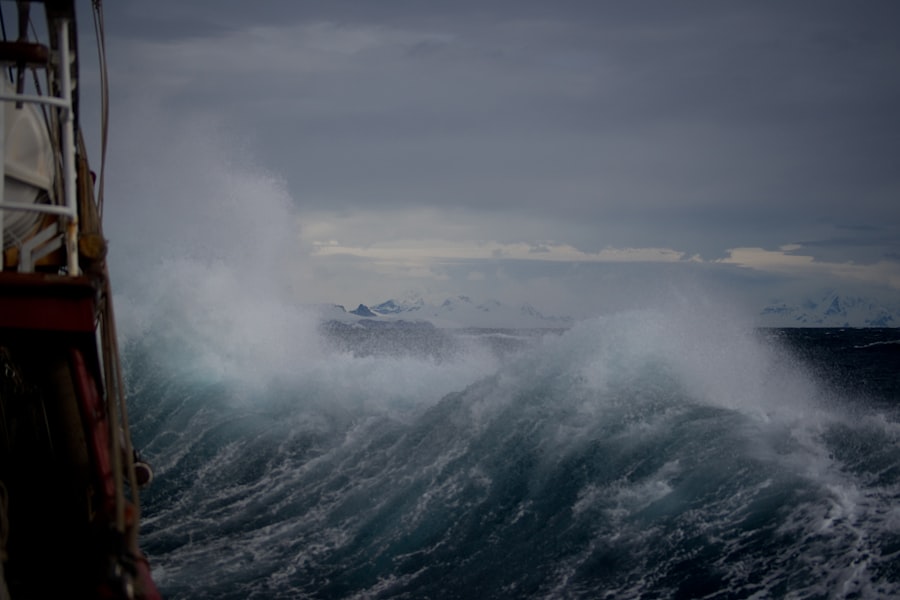
The ocean is a highway for countless species that undertake remarkable migrations, traversing thousands of miles with astonishing precision. These journeys, often driven by food availability, breeding cycles, or temperature changes, highlight an innate sense of navigation and an intricate understanding of their environment that still baffles scientists. The forces that guide these travelers remain one of the ocean’s most captivating enigmas.
Magnetic Sense: The Compass of the Sea
Many marine animals, from sea turtles and salmon to whales and sharks, possess an extraordinary ability to sense the Earth’s magnetic field. This remarkable “magnetic sense” acts as an internal compass, allowing them to navigate vast distances with incredible accuracy. Scientists are still investigating the precise mechanisms behind this sense, but it is believed to involve specialized cells containing magnetic minerals like magnetite. This ability enables them to maintain a straight course over long journeys, even in the absence of any visual cues. Research into this phenomenon could have implications for developing new navigation technologies.
Olfactory Cues: The Scent of Home
For some species, the sense of smell plays a crucial role in navigation. Salmon, for instance, are renowned for their ability to return to their natal rivers to spawn, often after years spent in the open ocean. It is believed that they use the unique chemical signatures of their home rivers, imprinted on them as smolts, to guide them back. This remarkable olfactory map allows them to pinpoint their destination with astonishing precision, a testament to the power of scent in the marine realm.
Celestial Navigation: Stars and Sun as Guides
Some migratory species are also thought to utilize celestial cues. Birds are well-known for their use of stars and the sun for navigation, and evidence suggests that some marine animals may employ similar strategies. The precise mechanisms and the extent to which these cues are used are still under investigation, but it points to a sophisticated understanding of their environment that extends beyond simple instinct.
The Enigmatic Deep-Sea Ecosystems: Life in Perpetual Twilight
Beyond the familiar shores and well-lit surface waters lies a vast and largely unexplored realm of deep-sea ecosystems. These are not mere collections of isolated species but intricate webs of life, sustained by unique energy sources and adapted to environments that would seem utterly hostile to us. Their existence forces us to reconsider our planet’s biodiversity and the very definition of life.
Hydrothermal Vents: Oases of Chemoautotrophy
As mentioned earlier, hydrothermal vents are a prime example of these unusual ecosystems. Here, life is not based on photosynthesis, which requires sunlight, but on chemosynthesis. Specialized bacteria convert chemicals like hydrogen sulfide, released from beneath the Earth’s crust, into energy. These chemosynthetic bacteria form the base of complex food webs. Giant tube worms, their bright red plumes waving in the currents, are a iconic example of life at these vents. They host symbiotic bacteria within their bodies, deriving sustenance from their microscopic partners. The study of these ecosystems is revolutionizing our understanding of Earth’s biogeochemical cycles and the potential for life in extreme extraterrestrial environments.
Cold Seeps: Alternative Energy Sources
Similar to hydrothermal vents, cold seeps are areas where fluids rich in hydrocarbons, such as methane and sulfide, escape from the seafloor. These seeps also support chemosynthetic communities, though often with different species of bacteria and larger invertebrates. Methane-rich cold seeps are particularly fascinating, hosting communities that thrive on the chemical energy provided by the methane. These ecosystems showcase the incredible adaptability of life and its ability to exploit a wide range of energy sources, some of which we are only just beginning to understand.
The Deep Scattering Layer: A Daily Vertical Migration
A phenomenon known as the Deep Scattering Layer (DSL) represents a massive daily migration of marine organisms. As night falls, countless small fish, squid, and crustaceans ascend from the depths to feed in the richer surface waters. At dawn, they retreat back to the darkness of the deep, creating a shifting layer of biomass that can extend for hundreds of meters. This daily migration plays a vital role in the ocean’s food web and carbon cycle, influencing nutrient distribution and predator-prey dynamics over vast areas. The sheer scale of this movement, occurring unseen by most, is a testament to the hidden dynamism of the ocean.
Invisible forces in the ocean play a crucial role in shaping marine ecosystems and influencing climate patterns. Understanding these forces can provide valuable insights into ocean currents and their impact on weather systems. For a deeper exploration of this topic, you can read an insightful article that discusses various aspects of ocean dynamics and their unseen influences. Check out the article here to learn more about the fascinating interactions that occur beneath the surface of the water.
The Unseen Influence: The Ocean’s Role in Global Systems
| Force | Description |
|---|---|
| Gravity | The force that pulls objects towards the center of the Earth, affecting the movement of ocean water. |
| Coriolis Effect | The deflection of moving objects caused by the rotation of the Earth, influencing ocean currents. |
| Wind | The movement of air across the ocean surface, creating waves and driving surface currents. |
| Tides | The periodic rise and fall of sea levels caused by the gravitational pull of the moon and sun. |
| Thermal Expansion | The increase in volume of ocean water due to rising temperatures, contributing to sea level rise. |
The forces at play within the ocean extend far beyond its immediate inhabitants and currents. The ocean’s vastness and its intricate chemical and physical properties make it a central player in regulating global systems, from climate and weather to the very air we breathe. Its influence is pervasive, yet the full extent of its impact is still being explored.
Carbon Sink: The Ocean’s Breath
The ocean acts as a massive carbon sink, absorbing a significant portion of the carbon dioxide (CO2) released into the atmosphere. This process, known as the biological pump, involves phytoplankton in the surface waters absorbing CO2 during photosynthesis. When these organisms die, they sink to the ocean floor, taking the carbon with them. This natural process plays a crucial role in regulating Earth’s climate by removing CO2 from the atmosphere. However, the increasing levels of atmospheric CO2 are leading to ocean acidification, which poses a threat to marine ecosystems, particularly to organisms with shells and skeletons made of calcium carbonate. Understanding the ocean’s capacity to absorb carbon and the implications of acidification is vital for addressing climate change.
Oxygen Production: The Ocean’s Lungs
As a major producer of oxygen through photosynthesis, the ocean is often referred to as the “lungs of the planet.” Phytoplankton, responsible for a significant portion of this oxygen production, are vital for sustaining life on Earth. The health and productivity of these microscopic organisms are therefore intrinsically linked to the well-being of the entire planet. Changes in ocean temperature, nutrient availability, and acidity can all impact phytoplankton populations, with ripple effects that extend throughout the global ecosystem.
Climate Regulation: A Global Thermostat
The ocean’s enormous heat capacity allows it to absorb and store vast amounts of solar energy. This absorption and subsequent distribution of heat through ocean currents act as a global thermostat, moderating temperature fluctuations and influencing weather patterns worldwide. The interaction between the ocean and the atmosphere is a complex dance, with changes in one significantly impacting the other. Phenomena like El Niño and La Niña, driven by variations in ocean temperatures in the Pacific, demonstrate the ocean’s profound influence on global weather and climate. Continued research into these oceanic drivers is essential for understanding and predicting climate change.
The ocean remains a frontier of discovery, a realm where unseen forces orchestrate a symphony of life and shape the very fabric of our planet. From the crushing pressures of the abyss to the vast migrations across its surface, the mysteries of the ocean continue to inspire awe and fuel our relentless pursuit of knowledge. As technology advances and our understanding deepens, we edge closer to comprehending the intricate workings of this vital ecosystem, recognizing its profound impact on our own existence and the future of life on Earth.

The Secret Ocean Layer That Lets Sound Travel for Thousands of Miles
FAQs
What are some examples of invisible forces in the ocean?
Some examples of invisible forces in the ocean include tides, currents, and waves. These forces are caused by a combination of gravitational pull from the moon and the sun, as well as the Earth’s rotation.
How do these invisible forces impact marine life?
Invisible forces in the ocean can have a significant impact on marine life. For example, ocean currents can affect the distribution of nutrients and food sources for marine organisms, while tides can influence the behavior and reproductive patterns of certain species.
What role do invisible forces play in shaping coastlines?
Invisible forces such as waves and currents play a crucial role in shaping coastlines. Over time, the constant movement of water can erode coastlines, create beaches, and even form coastal landforms such as cliffs and sea stacks.
How do scientists study and measure invisible forces in the ocean?
Scientists use a variety of tools and technologies to study and measure invisible forces in the ocean. This can include satellite imagery, ocean buoys, underwater sensors, and computer models to track and predict the behavior of ocean currents, tides, and waves.
What are some potential applications of understanding invisible forces in the ocean?
Understanding invisible forces in the ocean can have practical applications in various fields. For example, it can help improve navigation and shipping routes, optimize the placement of offshore structures such as wind farms, and enhance our ability to predict and respond to natural disasters such as tsunamis and storm surges.