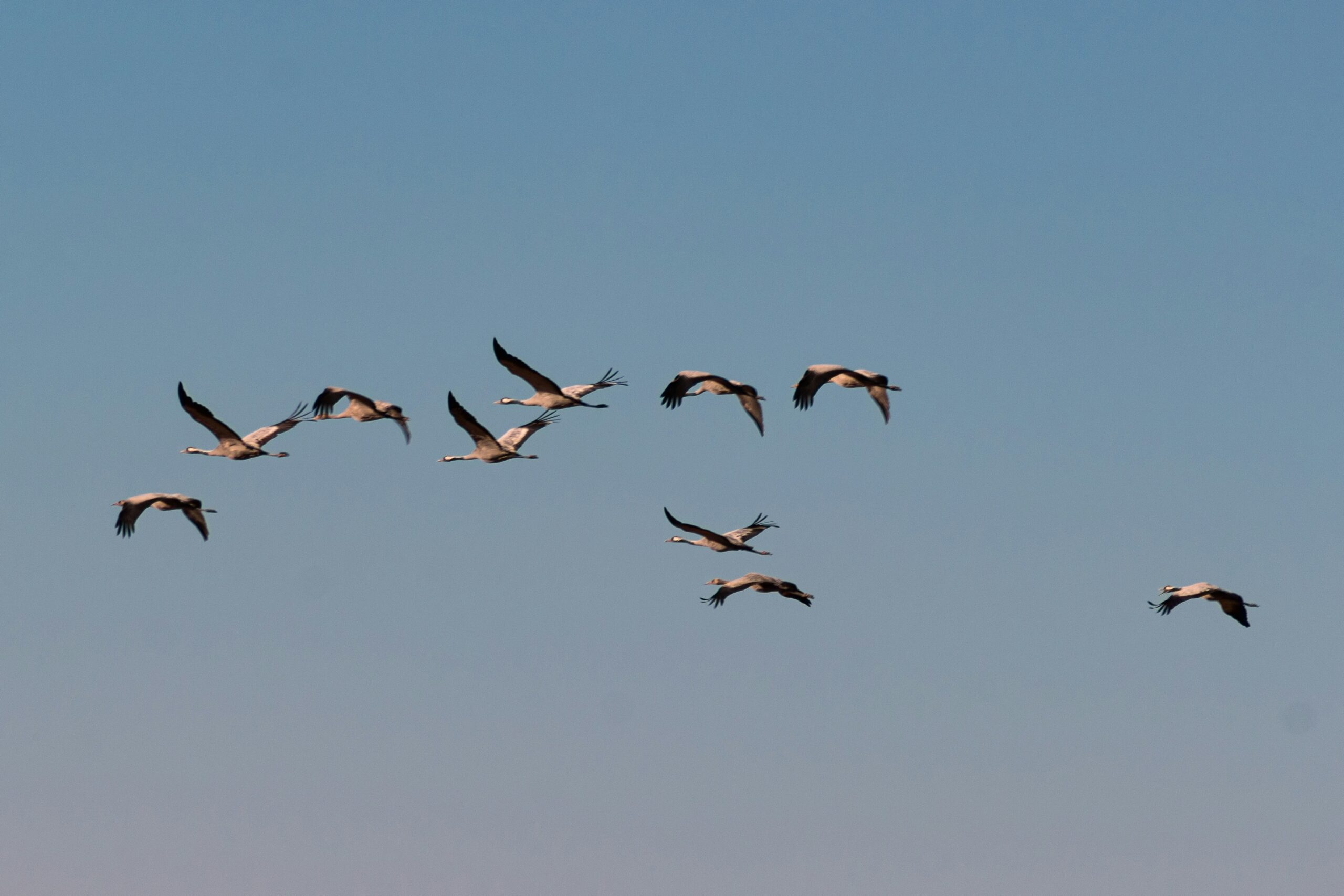
Birds are truly marvels of the natural world, showcasing an astonishing ability to travel vast distances with unwavering precision. The annual migration of birds is one of the most awe-inspiring phenomena on Earth, a testament to their resilience and an enduring puzzle that has captivated humans for centuries. From the tiny warbler that crosses continents to the majestic Arctic tern that undertakes the longest migration of any animal, these feathered navigators embark on journeys that can span thousands of miles, often returning to the same breeding or wintering grounds year after year. This remarkable feat is not a matter of chance; it is a symphony of finely tuned adaptations, sophisticated internal compasses, and an intricate understanding of their environment. Understanding the science behind bird migration unlocks a deeper appreciation for these aerial acrobats and the complex biological mechanisms that guide their incredible journeys.
The impulse to migrate is deeply ingrained in avian biology, a fundamental part of their life cycle. This migratory drive is not learned but is largely an innate behavior, encoded within their genes. Environmental cues act as triggers, initiating the physiological and behavioral changes necessary for migration.
Hormonal Influences and Physiological Changes
The onset of migration is intricately linked to photoperiod, the changing lengths of day and night. As days shorten in autumn, birds experience hormonal shifts, notably an increase in prolactin and gonadotropins. These hormones stimulate changes in their bodies, preparing them for the arduous journey ahead.
Fat Accumulation: Fueling the Flight
One of the most critical physiological adaptations is hyperphagia, an intense period of overeating. Birds gorge themselves, building up substantial fat reserves. This stored fat serves as their primary fuel source for the long-distance flights, providing the energy needed to traverse hundreds or even thousands of miles without rest. Different species have varying metabolic rates and fat storage capacities, influencing their migratory strategies.
Molting and Flight Feather Condition
The migratory period often coincides with molting, the process of shedding and replacing feathers. While seemingly counterintuitive to undertake a strenuous journey with weakened flight capabilities, molting is strategically timed. Some species molt their flight feathers before migration, ensuring they have fresh, strong wings for the journey, while others molt during or after migration. The condition of their flight feathers is crucial for efficient and sustained flight.
Genetic Predisposition and Evolutionary Advantage
The migratory urge is also shaped by evolutionary pressures. Species that migrate often do so to exploit seasonal resources, avoid harsh weather conditions, or find optimal breeding grounds. The ability to migrate successfully has conferred a significant survival and reproductive advantage, leading to the selection and refinement of these migratory behaviors over millennia.
Ancestral Migratory Routes
Evidence suggests that migratory routes are not randomly chosen but are often deeply rooted in evolutionary history. Young birds, even those hatched in captivity and never exposed to migratory cues, may exhibit migratory restlessness and directional preferences, hinting at a genetically inherited “map” or inclination.
Bird migration is a fascinating phenomenon that has intrigued scientists for centuries, as it involves complex navigation and adaptation strategies. For those interested in exploring the science behind this natural wonder, a related article can be found at Freaky Science, which delves into the various factors influencing migratory patterns, including environmental cues and genetic predispositions. This resource provides valuable insights into how birds traverse vast distances and the challenges they face along the way.
Navigating the Unseen: The Compasses of the Sky
The ability of birds to navigate vast, unobstructed landscapes with such accuracy is one of the most compelling aspects of their migratory prowess. They possess sophisticated internal compasses that allow them to orient themselves and maintain a consistent direction, even under challenging conditions.
The Sun Compass: A Celestial Guide
One of the primary navigational tools employed by migrating birds is the sun. They effectively use the sun’s position in the sky as a compass. However, the sun’s position changes throughout the day, so birds must possess an internal “clock” to compensate for this movement.
Time Compensation Mechanisms
Research has demonstrated that birds have a remarkable ability to adjust their directional heading based on the time of day. This time compensation allows them to interpret the sun’s position at different times and maintain a constant bearing relative to their destination. Experiments involving altered light cycles have confirmed this sophisticated internal clock mechanism.
Polarization of Sunlight
Beyond the sun’s position, birds may also utilize the pattern of polarized light in the sky. Sunlight becomes polarized as it passes through the atmosphere, and this polarization pattern is linked to the sun’s position. Birds, particularly insects and some birds, have been shown to perceive and use these patterns for orientation.
The Magnetic Compass: A Geomagnetic Sense
Perhaps the most intriguing and widely studied navigational mechanism is the bird’s ability to sense the Earth’s magnetic field. This “magnetoreception” allows them to orient themselves even when the sun is obscured or during nocturnal migration.
Cryptochrome and the Quantum Compass
A leading hypothesis for magnetoreception involves a protein called cryptochrome, found in the retinas of birds’ eyes. When light interacts with cryptochrome, it creates radical pairs of molecules that are sensitive to the Earth’s magnetic field. This could allow birds to “see” the magnetic field as a visual pattern or color overlay.
Magnetite-Based Receptors
Another proposed mechanism involves tiny particles of magnetite, a magnetic iron oxide, found in certain cells within the bird’s body, such as the beak or inner ear. These magnetite crystals could act like tiny compass needles, providing directional information to the bird’s brain.
Celestial Navigation: The Starry Sky
For birds that migrate at night, the stars play a crucial role in their navigation. They are not simply disoriented travelers in the darkness. Instead, they can use the patterns of stars to orient themselves.
Rotational Axis of the Night Sky
Birds appear to orient themselves based on the rotation of the night sky around the celestial pole, particularly the North Star in the Northern Hemisphere. Experiments have shown that they can adjust their orientation if the star patterns are artificially rotated, confirming their reliance on this celestial landmark.
Subtle Celestial Cues
While the prominent North Star is a key reference, birds may also utilize subtle differences in the brightness and spectral properties of stars to refine their directional information.
The Role of Olfaction and Landscape Features

While celestial cues are undoubtedly critical, birds also rely on a suite of other sensory inputs to navigate, particularly as they approach their destinations or when navigating over familiar territories.
Olfactory Navigation: The Scent of Home
The sense of smell plays a significant role in bird navigation, especially for finding specific locations like breeding colonies or wintering grounds. Birds can learn and recognize the unique scent profiles of different areas.
Scent Maps and Familiar Landscapes
Over time, birds can build up a mental “scent map” of their environment. As they approach their destination, they can detect familiar smells associated with that location, guiding them in the final stages of their journey. This is particularly important for species that return to the same nesting sites year after year.
Imprinting on Scent During Development
It is believed that young birds may imprint on the olfactory cues of their natal environment during their early development, creating a strong association that aids in their homing ability later in life.
Remembering and Recognizing Landscapes
As birds become more experienced migrants, they develop an ability to recognize and remember prominent landscape features. This includes coastal lines, mountain ranges, rivers, and even large urban areas.
Visual Landmarks as Guides
These visual landmarks serve as checkpoints along their migratory routes, helping them to stay on course and confirm their progress. Experienced birds are often more efficient navigators due to their accumulated knowledge of these features.
Topographical Memory
The accumulation of this visual and olfactory information contributes to what can be termed a “topographical memory,” allowing them to create a mental representation of the world they traverse.
The Influence of Weather and Environmental Conditions

The migratory journey is not a perfectly predictable path. Birds must contend with the ever-changing forces of weather, which can significantly influence their flight paths, timing, and even survival.
Utilizing Wind Patterns for Efficient Travel
Birds are remarkably adept at using wind currents to their advantage. They can choose flight paths that align with favorable tailwinds, significantly reducing the energy expenditure required for long-distance flights.
Gliding and Soaring Techniques
Many larger birds, like raptors and storks, utilize updrafts and thermals to soar and glide, conserving energy by not having to constantly flap their wings. This ability is heavily influenced by atmospheric conditions.
Avoiding Adverse Weather
Conversely, birds must also be adept at avoiding adverse weather conditions. Strong headwinds, storms, and heavy precipitation can pose significant dangers, forcing them to alter their course or seek shelter.
Seasonal Timing and Resource Availability
The precise timing of migration is crucial for a species’ success. Birds migrate to coincide with periods of peak food availability in their breeding and wintering grounds.
Phenological Synchronization
This synchronization between migration and resource availability is known as phenological synchronization. If migration is mistimed due to unusual weather patterns or climate change, birds may arrive to find food scarce, impacting their breeding success and survival.
Stopover Sites and Refueling
During their long journeys, birds often rely on specific “stopover sites” where they can rest and refuel. The availability and quality of these stopover sites are critical, and disturbances to these areas can have a devastating impact on migratory populations.
Bird migration is a fascinating phenomenon that has intrigued scientists for centuries, as it involves complex navigation and adaptation strategies. Recent studies have shed light on the science behind this remarkable journey, revealing how birds use the Earth’s magnetic field, celestial cues, and even their sense of smell to find their way. For those interested in exploring this topic further, a related article can be found here, which delves into the intricate mechanisms that guide these avian travelers. Understanding these processes not only enhances our appreciation for nature but also highlights the impact of environmental changes on migratory patterns.
The Challenges and Future of Bird Migration Research
| Migration Factor | Description |
|---|---|
| Instinct | Birds have an innate sense of direction and timing for migration. |
| Circadian Rhythms | Birds use internal clocks to know when to migrate. |
| Celestial Navigation | Birds use the sun, stars, and Earth’s magnetic field for navigation. |
| Environmental Cues | Birds respond to changes in temperature, food availability, and daylight. |
Despite decades of research, many aspects of bird migration remain a mystery. The increasing pressures of habitat loss, climate change, and human activities pose significant threats to migratory birds, making a deeper understanding of their journeys more critical than ever.
Technological Advancements in Tracking
Modern technology has revolutionized our ability to track bird migrations. Miniature GPS trackers, geolocators, and even isotopic analysis of feathers provide unprecedented insights into individual bird movements and population-level dynamics.
Understanding Individual Journeys
These technologies allow researchers to follow individual birds, analyzing their routes, flight speeds, and stopover behaviors with remarkable detail, revealing the complexities of their decisions and adaptations.
Population-Level Insights
By tracking numerous individuals across different populations, scientists can identify bottlenecks, critical habitats, and the overall health of migratory species, informing conservation efforts.
The Impact of Climate Change on Migration
Climate change is already having a profound impact on bird migration patterns. Shifts in temperature, precipitation, and the timing of seasonal events are disrupting the delicate balance that governs these journeys.
Mismatched Phenology
As mentioned earlier, the phenomenon of mismatched phenology – where the timing of migration no longer aligns with the availability of food sources – is a growing concern and a direct consequence of climate change.
Shifting Habitats and Routes
In response to changing environmental conditions, some bird species are already exhibiting shifts in their migratory routes and wintering grounds, highlighting the adaptability of some, but also the vulnerability of others.
Conservation Efforts and Future Research Directions
The future of bird migration hinges on effective conservation efforts, which are informed by ongoing scientific research. Protecting critical habitats, mitigating climate change, and reducing human-induced threats are paramount.
Corridor Protection and Habitat Restoration
Ensuring the protection of migratory corridors and the restoration of degraded stopover sites are essential for supporting healthy migratory populations.
International Cooperation and Policy
Bird migration transcends national borders, necessitating international cooperation and robust policies to ensure the protection of these shared natural resources. Continued research into the physiological, behavioral, and environmental factors influencing bird migration will be crucial for developing effective conservation strategies and preserving these magnificent aerial spectacles for generations to come.

Birds Can Sense Something Humans Never Will
FAQs
What is bird migration?
Bird migration is the regular seasonal movement of birds from one place to another. This movement is usually driven by changes in food availability, habitat, or weather conditions.
How do birds navigate during migration?
Birds use a variety of cues to navigate during migration, including the sun, stars, Earth’s magnetic field, and landmarks. Some birds also have the ability to detect polarized light patterns in the sky.
Why do birds migrate?
Birds migrate for various reasons, including finding better food sources, breeding grounds, and suitable climate conditions. Migration allows birds to take advantage of resources that may not be available year-round in their breeding or wintering areas.
How far do birds migrate?
The distance birds migrate varies depending on the species. Some birds may only migrate a few hundred miles, while others, such as the Arctic Tern, migrate over 50,000 miles round-trip.
What are the risks of bird migration?
Bird migration can be a perilous journey, with risks including predation, exhaustion, adverse weather conditions, and habitat loss. Many birds do not survive their first migration, and some face additional threats from human activities such as habitat destruction and climate change.