The world, as perceived by humans, is a relatively muted experience. Our primary senses – sight, hearing, smell, taste, and touch – provide us with a functional understanding of our surroundings, enabling us to navigate, find sustenance, and communicate. However, for countless animal species, this basic sensory toolkit is dramatically amplified, augmented, or entirely replaced by a dazzling array of extraordinary perceptions that extend far beyond our common five. This exploration delves into the fascinating realm of animals with enhanced senses, uncovering abilities that allow them to thrive in their environments in ways we can barely comprehend.
Many aquatic animals possess the remarkable ability to detect and interpret electrical fields, a sense that allows them to perceive their environment in total darkness or murky water where vision is useless. This phenomenon, known as electrolocation, is not a single, monolithic sense but rather a sophisticated system that can be used for both passive detection and active hunting.
Navigating Through Electric Ripples
Fish are the most well-known practitioners of electrolocation, with hundreds of species, particularly in freshwater environments, having evolved specialized electroreceptor organs. These organs, often located along the lateral line or concentrated on the head, are capable of detecting even faint bioelectric fields generated by the muscle contractions of other organisms.
Passive Electrolocation: The Electric “Whispers”
For many species, electrolocation is a passive sense. They simply “listen” to the electrical symphony of their surroundings. Small fish, amphibians, and invertebrates constantly generate weak electrical signals as their muscles contract and their nervous systems function. Predators can use this information to pinpoint the location of prey, even if it is hidden beneath sand or obscured by vegetation. Sharks, for instance, have ampullae of Lorenzini, specialized pores filled with a jelly-like substance that conduct electrical currents, allowing them to detect the weak electrical fields of their prey buried in the seabed.
Active Electrolocation: Generating Their Own Electric Map
More specialized electroreceptive fish, such as the electric eel and various species of knifefish, can actively generate their own electric fields. They do this using modified muscle cells called electrocytes, which are capable of producing electric pulses. By emitting these pulses and then detecting the distortions and changes in the returning electric field, these animals can create a detailed “map” of their surroundings. Obstacles, prey, and even subtle changes in water conductivity can be discerned.
The Power of Electric Signatures
The frequency and waveform of the generated electric pulses can vary, allowing different species to communicate and avoid interfering with each other’s electrical signals. Some species use high-frequency pulses for detailed object discrimination, while others use low-frequency pulses for longer-range detection and social signaling. The ability to understand these electric signatures opens up a world of communication and navigation invisible to other life forms.
Beyond Fish: Electrolocation in Other Aquatic Life
Electrolocation is not exclusive to fish. Certain amphibians, like some salamanders, also possess electroreceptors. While their abilities may be less pronounced than those of electric fish, they can still detect the electrical fields of invertebrates. In the marine realm, the platypus, a mammal, also exhibits a form of electroreception in its bill, which it uses to locate prey in murky riverbeds.
Many fascinating creatures in the animal kingdom possess extraordinary senses that surpass human capabilities. For instance, certain species of bats utilize echolocation to navigate and hunt in complete darkness, while some sharks can detect electrical fields generated by their prey. To explore more about these remarkable adaptations and the science behind them, you can read the related article on this topic at Freaky Science.
The Uncanny Precision of Echolocation
For animals that navigate the vast, dark depths of the ocean or the complex, light-starved confines of caves, sound becomes their primary sense for spatial awareness. Echolocation, the use of high-frequency sound waves and the interpretation of their echoes, allows these creatures to “see” with sound, creating detailed acoustic images of their surroundings.
The Masters of the Acoustic World
Bats and cetaceans (whales and dolphins) are the most renowned masters of echolocation. Their sophisticated vocalizations and specialized listening apparatus enable them to navigate, hunt, and communicate with remarkable accuracy.
Bat Sonar: Navigating the Night Sky
Many bat species emit ultrasonic calls, far above the range of human hearing, as they fly. These calls bounce off objects in their environment, such as insects, branches, or cave walls, and return to the bat as echoes. The bat’s large, often elaborately shaped ears are highly attuned to these returning echoes, allowing it to determine the size, distance, texture, and even the velocity of objects.
Identifying Prey with Sonic Detail
The nuances of the echoes provide bats with an astonishing level of detail. They can differentiate between a stationary moth and a fluttering one, or even distinguish between different types of insects based on the size and shape of their wingbeats. Some bats can even detect the tiny muscle movements of their prey, allowing them to anticipate evasive maneuvers.
Different Calls for Different Missions
Bats employ a variety of call types, tailored to different situations. “Hunting calls” are often rapid and complex, designed to provide precise information about prey. “Cruising calls” are simpler and may be used for general navigation in open spaces. The ability to adjust their echolocation signals in real-time based on their needs is a testament to the sophistication of this sensory system.
Cetacean Sonar: Whales and Dolphins in the Deep Blue
In the ocean’s dim expanse, echolocation is essential for survival. Dolphins and toothed whales use a similar principle, emitting clicking sounds from their foreheads, which are then focused and directed by a fatty organ called the melon. These sound waves travel through the water and reflect off objects, returning to the animal’s lower jaw and then transmitted to the inner ear.
The Echolocation of Hunting and Socializing
Cetacean echolocation is used for a wide array of purposes, including finding schools of fish, identifying individual prey items, navigating through complex underwater terrain, and even for social communication. The detail they can glean from echoes is so profound that they can distinguish between different types of marine life and assess the health of potential prey. Some species have even been observed using echolocation to “see” inside their prey, determining digestive status or pregnancy.
The Symphony of the Ocean
The interplay of echolocation among different cetacean species creates a complex acoustic environment. Different species have distinct click patterns and frequencies, minimizing interference and allowing for a form of ultrasonic “conversation” within the ocean’s depths.
Beyond Bats and Whales: Other Echolocators
While bats and cetaceans are the most prominent examples, other animals also exhibit forms of echolocation. Some shrews use high-frequency mouth clicks to navigate their terrestrial environments, particularly in dense undergrowth. Certain cave-dwelling swiftlets, though birds, also use echolocation with their calls to navigate the darkness of their nesting sites.
The Subtle Power of Magnetoreception

The ability to sense the Earth’s magnetic field, known as magnetoreception, is a perplexing yet widespread sense found across a vast array of animal groups. This sense allows animals to orient themselves and navigate over long distances, often with incredible precision, without relying on visual cues.
Navigating by Earth’s Invisible Compass
The mechanisms by which animals detect magnetic fields are still a subject of active research, but several hypotheses exist, with evidence supporting different pathways for different species.
The Mystery of Magnetic Alignment
One leading theory suggests that animals may possess specialized magnetic particles, such as magnetite, within their tissues. These particles could act like tiny compass needles, aligning with the Earth’s magnetic field and providing directional information to the animal’s nervous system. Studies have found magnetite crystals in the beaks of pigeons and in the brains of some fish.
Cryptochromes and the Quantum Compass
Another compelling hypothesis involves a class of light-sensitive proteins called cryptochromes, found in the eyes of many animals. These proteins are thought to be involved in a quantum mechanical process where the spin of electrons is influenced by magnetic fields. This subtle quantum effect could translate into a visual or neurological signal, providing directional cues.
Magnetoreception in Action
The practical applications of magnetoreception are evident in the awe-inspiring migratory feats of many species.
Migratory Marvels: Pigeons and Sea Turtles
Homing pigeons have long been known for their incredible ability to find their way home over hundreds or even thousands of miles. While they utilize other cues like scent and landmarks, magnetoreception is believed to play a crucial role in their long-distance navigation. Similarly, sea turtles undertake epic migrations across vast oceans, returning to their natal beaches to lay eggs. Their ability to navigate these immense distances with unerring accuracy is strongly linked to their innate sense of the Earth’s magnetic field.
Salmon’s Magnetic Memory
Pacific salmon exhibit a remarkable migratory pattern, returning to the specific river in which they were born to spawn. While olfactory cues are undoubtedly important, research suggests that salmon also utilize magnetoreception to “remember” the magnetic signature of their home river, guiding them back from the vastness of the ocean.
Birds of a Feather Flock Together (and Migrate)
Many bird species rely heavily on magnetoreception for their annual migrations. Studies have shown that manipulating magnetic fields can disorient migratory birds, highlighting the importance of this sense for their journeying. The complex interplay of Earth’s magnetic field, sunlight, and other cues allows for the incredible endurance and precision of avian migrations.
Beyond the Touch of Skin: Specialized Tactile Senses

While humans experience touch as the sensation of pressure, temperature, and vibration on our skin, many animals possess highly specialized tactile abilities that extend their perception of the world. These senses can be crucial for foraging, social interaction, and environmental awareness.
Sensing Vibrations Through the Earth
Many terrestrial animals have developed acute sensitivities to vibrations transmitted through the ground. This ability allows them to detect the approach of predators or prey, locate mates, or even communicate.
The Earth’s Whisperers: Spiders and Scorpions
Spiders are well-known for their sensitivity to vibrations on their webs. The slightest twitch of a trapped insect sends ripples through the silk, providing the spider with precise information about its location and size. Scorpions, too, are highly attuned to ground vibrations, using them to detect the movement of prey and potential threats.
Elephants: The Low-Frequency Communicators
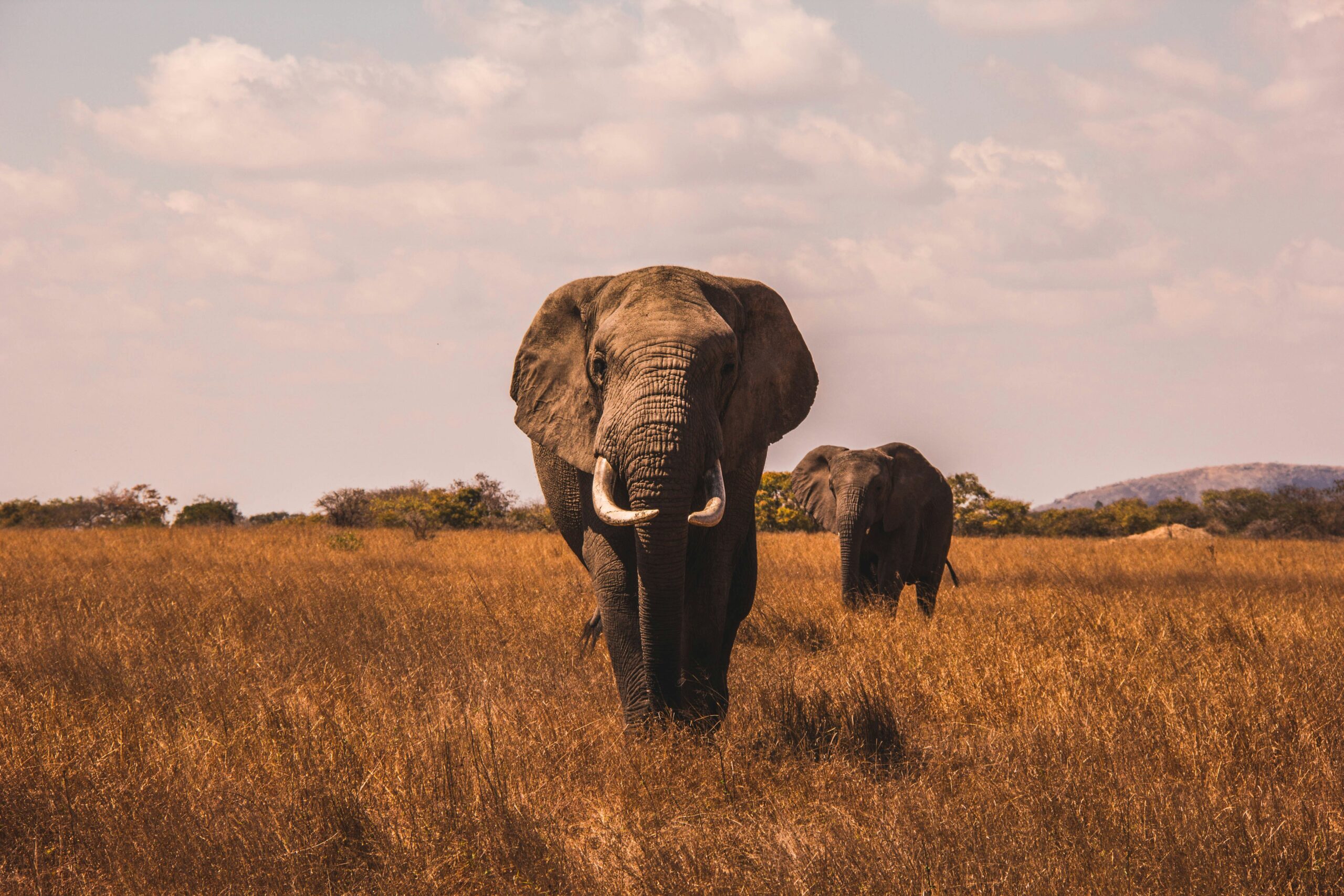
Elephants are perhaps the most remarkable example of ground-borne vibration detection in the animal kingdom. They can generate and detect very low-frequency seismic signals, known as infrasound, through their feet. These infrasonic rumbles can travel for miles through the earth, allowing elephants to communicate with each other over vast distances, coordinate group movements, and even warn of approaching danger.
Specialized Tactile Organs for Exploration
Some animals have evolved dedicated tactile organs that function like highly sophisticated sensory probes.
Whiskers: The Sensitive Feelers of Mammals
Whiskers, or vibrissae, are not just decorative facial hairs. They are deeply rooted, highly innervated structures that act as incredibly sensitive tactile sensors. Cats, for example, use their whiskers to navigate in darkness, gauge the width of openings, and detect subtle air currents that can signal the presence of prey or obstacles. Rodents also rely heavily on their whiskers for exploration and object discrimination in their often-dim habitats.
The Tentacles of the Octopus: Masters of Touch and Taste
Octopuses possess an extraordinary array of suckers on their eight arms, each equipped with thousands of chemoreceptors and mechanoreceptors. This means that not only can an octopus feel with its arms, but it can also “taste” its surroundings with every contact. This allows them to explore complex environments, identify potential food items by touch and chemical signature, and manipulate objects with incredible dexterity.
Many animals possess extraordinary senses that allow them to perceive the world in ways humans cannot even imagine. For instance, certain species of bats use echolocation to navigate and hunt in complete darkness, while some birds can detect the Earth’s magnetic field to aid in migration. If you’re interested in exploring more about these fascinating adaptations, you can read a related article on this topic at Freaky Science. These unique abilities not only highlight the diversity of life on our planet but also inspire scientists to learn more about sensory perception and its potential applications in technology.
The Extraordinary World of Infrared Vision
| Animal | Extra Sense |
|---|---|
| Sharks | Electroreception |
| Pit vipers | Infrared detection |
| Homing pigeons | Magnetoreception |
| Dolphins | Echolocation |
While humans are limited to the visible light spectrum, a select few animals have evolved the remarkable ability to “see” heat, or infrared radiation. This sense opens up a hidden world of thermal signatures, allowing them to detect prey that is otherwise invisible to standard vision.
Seeing the Warmth of Life
The most prominent examples of infrared vision are found in snakes, but this ability is not entirely unique to them.
The Heat-Seeking Pit Vipers
Certain pit vipers, such as rattlesnakes and copperheads, possess specialized pit organs located between their eyes and nostrils. These pits are lined with a membrane that is highly sensitive to infrared radiation. This allows them to create a thermal image of their surroundings, superimposed on their visual perception.
Hunting in the Dark with Thermal Cues
This infrared vision is particularly advantageous for nocturnal predators. It allows them to locate warm-blooded prey, like rodents and birds, even in complete darkness or dense foliage where visual cues are absent. The pit organs provide a remarkable level of detail, enabling the snake to accurately judge the distance and direction of its thermal target.
Beyond Snakes: Other Infrared Detectors
While snakes are the most famous, there is evidence suggesting that some moths may also possess infrared detection capabilities. Some species have been observed to be attracted to the infrared emissions of their mates, even when visual cues are minimal. This suggests that a broader spectrum of animals might possess rudimentary forms of infrared sensing.
The sheer diversity of sensory enhancements in the animal kingdom is a testament to the power of evolution. From sensing electrical fields and navigating by sound to detecting magnetic forces and “seeing” heat, these extraordinary abilities allow animals to not only survive but to thrive in environments that would be alien and overwhelming to humans. Understanding these amplified senses provides us with a profound appreciation for the intricate tapestry of life on Earth and the remarkable ways in which different species perceive and interact with their world, a world far richer and more complex than our own five senses can reveal.

Birds Can Sense Something Humans Never Will
FAQs
What are some examples of animals with extra senses?
Some examples of animals with extra senses include sharks, which can detect electrical fields, and pigeons, which can sense the Earth’s magnetic field for navigation.
How do animals with extra senses use them in their daily lives?
Animals with extra senses use them for various purposes such as finding food, navigating their environment, and detecting predators or prey.
Can animals with extra senses perceive things that humans cannot?
Yes, animals with extra senses can perceive things that humans cannot, such as detecting electrical fields, sensing magnetic fields, or using echolocation for navigation.
Are there any animals with more than one extra sense?
Yes, some animals have more than one extra sense. For example, some birds can see ultraviolet light and sense the Earth’s magnetic field for navigation.
How do scientists study and understand the extra senses of animals?
Scientists study and understand the extra senses of animals through various methods such as behavioral experiments, neurophysiological studies, and genetic research to uncover the mechanisms behind these extraordinary abilities.