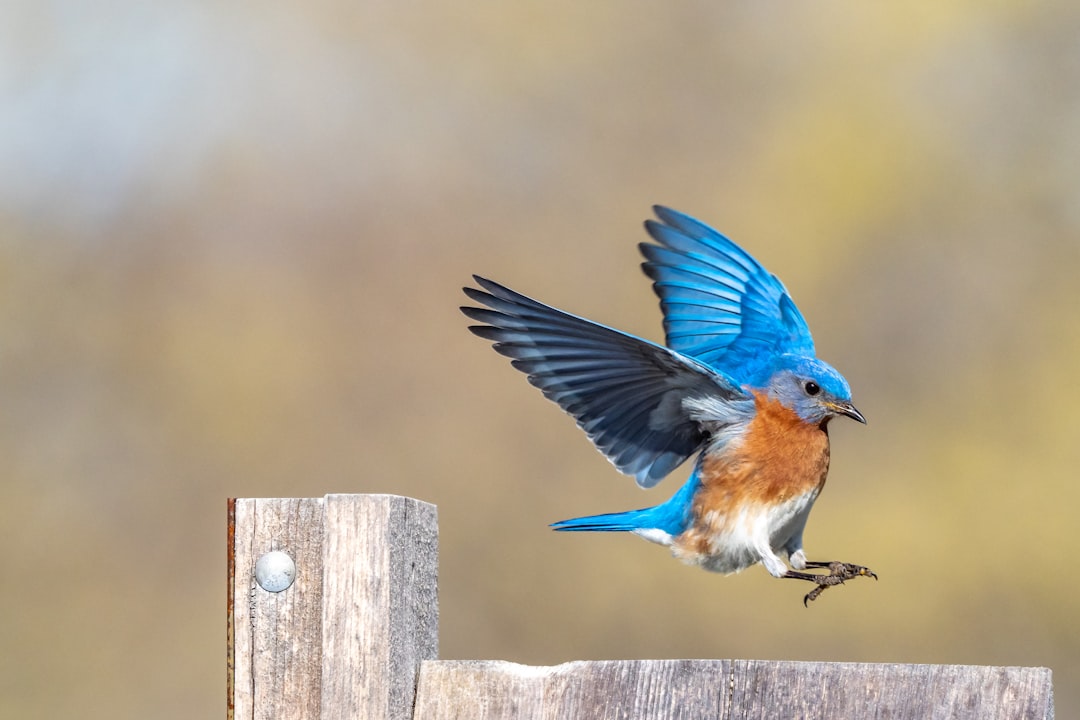
The hushed whispers of a jungle canopy, the vast expanse of an azure sky, and the intricate tapestry of life unfolding across continents – these are the elements that a compelling nature documentary about birds brings to life. “Avian Chronicles: A Symphony of Wings,” a hypothetical yet richly imagined production, embarks on a breathtaking journey through the feathered kingdom, revealing not just the beauty of these creatures, but their incredible diversity, evolutionary marvels, and their vital roles within the planet’s ecosystems. This documentary goes beyond simple observation, delving into the science and wonder that make birds so utterly fascinating.
The very notion of flight is a triumph of evolution, and “Avian Chronicles” dedicates a significant portion to exploring this incredible adaptation. The documentary begins by tracing the evolutionary lineage of birds, painting a vivid picture of their dinosaurian ancestors and highlighting the remarkable transformations that led to the emergence of the first true birds.
From Scaly Past to Feathered Future
The film meticulously details the fossil evidence that points to a direct link between theropod dinosaurs and birds. Through stunning CGI reconstructions and expert interviews with paleontologists, viewers witness the gradual development of key avian traits: the evolution of feathers, initially for insulation or display, eventually becoming crucial for lift and maneuverability. The documentary showcases iconic fossils like Archaeopteryx, emphasizing its mosaic of reptilian and avian characteristics, and guiding the audience through the scientific debate and consensus surrounding the ‘bird-dinosaur connection.’
The Mechanics of Miracles: Understanding Avian Aerodynamics
Beyond the evolutionary history, “Avian Chronicles” offers an accessible yet detailed exploration of the physics and biology that enable flight. High-speed cameras, often mounted on drones or tiny cameras attached to specially trained birds, capture the intricate movements of wings, the subtle shifts in feather placement, and the powerful muscular contractions that defy gravity.
The Anatomy of the Wing: A Biological Airfoil
The documentary breaks down the complex anatomy of a bird’s wing, illustrating how its shape, bone structure (hollow yet strong), and the arrangement of primary and secondary feathers create an airfoil. It explains Bernoulli’s principle and Newton’s third law of motion in layman’s terms, demonstrating how air flowing over and under the wing generates lift, while wing beats provide thrust. Different wing shapes are explored, linking them to specific flight styles and environmental niches, from the soaring wings of eagles to the rapid flapping of hummingbirds.
The Power Within: Muscles and Metabolism for Flight
A considerable focus is placed on the physiological adaptations that empower birds to fly. The documentary highlights the extraordinary development of pectoral muscles, which can constitute up to 35% of a bird’s body weight. It also delves into their incredibly efficient respiratory system, featuring air sacs that allow for a continuous flow of oxygen, a necessity for the high metabolic demands of flight. Viewers are treated to close-ups of a hummingbird’s impossibly fast wing beats, accompanied by explanations of their hyper-efficient metabolism.
The Diverse Forms of Flight
The documentary doesn’t solely focus on flapping flight. It showcases the astonishing array of flight styles across the avian world, from the effortless gliding of albatrosses over vast oceans to the hovering prowess of kestrels and the intricate aerial acrobatics of swifts.
Masters of the Air: Gliding and Soaring
Extended segments are dedicated to birds that have perfected the art of gliding and soaring. The film follows albatrosses on their epic journeys across the Pacific, revealing how they harness wind currents and updrafts to travel thousands of miles with minimal energy expenditure. The techniques of thermaling, utilized by vultures and eagles to gain altitude on rising columns of warm air, are beautifully visualized, allowing viewers to appreciate the strategic intelligence behind this seemingly passive form of flight.
The Art of the Hover: Precision and Power
Hummingbirds and kestrels are highlighted as masters of precision flight. The documentary employs specialized slow-motion photography to dissect the complex wing movements of hummingbirds, demonstrating how they can move their wings in a figure-eight pattern to generate lift on both the downstroke and upstroke, enabling them to hover and even fly backward. The predatory precision of kestrels, hanging motionless in the air before a swift dive, is also a captivating display of honed aerial control.
If you’re fascinated by the captivating world of birds as showcased in nature documentaries, you might find the article on bird migration patterns particularly intriguing. It delves into the incredible journeys that various species undertake each year, highlighting their navigation skills and the challenges they face along the way. To explore this topic further, you can read the article here: Bird Migration Patterns.
The Symphony of Song: Communication and Cognition
Birds are renowned for their songs, but “Avian Chronicles” reveals that their vocalizations are far more than just melodic expressions; they are intricate systems of communication essential for survival, reproduction, and social interaction.
The Language of Life: Understanding Avian Vocalizations
The documentary embarks on a global exploration of bird song, showcasing the astonishing diversity of sounds and their specific functions. From the complex territorial calls of songbirds to the urgent alarm cries of waterfowl, each vocalization is presented as a vital piece of information.
Mimicry and Melody: The Intelligence Behind Songs
The film delves into the fascinating phenomenon of vocal learning and mimicry. It features species like the Lyrebird, whose extraordinary ability to imitate any sound, from chainsaws to other birds, is a testament to their cognitive abilities. The documentary explores the neurological basis of song learning, explaining how young birds learn their species-specific songs from their parents and neighbors, a process akin to human language acquisition.
Beyond the Song: Non-Vocal Communication
“Avian Chronicles” also highlights that communication among birds is not limited to vocalizations. The documentary showcases the intricate courtship dances of birds of paradise, the elaborate nest-building displays of bowerbirds, and the subtle body language used to convey mood, warnings, and social status. These visual displays are often as complex and informative as any song.
The Social Lives of Birds: Complex Interactions
Birds are highly social creatures, and the documentary dedicates significant attention to their intricate social structures and interactions, revealing a world of cooperation, competition, and complex family dynamics.
Building Bonds: Mates, Families, and Flocks
The film showcases the diverse mating systems found in birds, from monogamy to polygyny and polyandry. It examines the challenges and rewards of parental care, highlighting the dedication of parents in raising their young, the cooperative breeding strategies of some species, and the sometimes-harsh realities of nestling competition. The communal roosting and flocking behaviors of many species are also explored, demonstrating the evolutionary advantages of group living, such as enhanced predator detection and foraging efficiency.
Territorial Disputes and Social Hierarchies
The documentary doesn’t shy away from the competitive aspects of bird life. It illustrates the fierce territorial battles waged by many species, showcasing the warning displays and sometimes direct confrontations used to defend resources. The establishment and maintenance of social hierarchies within flocks are also examined, revealing how dominance can influence access to food, mates, and safe nesting sites, providing a glimpse into the complex social dynamics that govern their lives.
Journeys of Resilience: Migration and Survival

Perhaps the most awe-inspiring aspect of bird life is their incredible capacity for long-distance migration, a testament to their endurance, navigation skills, and the powerful biological drives that propel them across continents and oceans.
The Great Undertakings: Navigating the Globe
“Avian Chronicles” transforms the concept of migration into an epic narrative of survival and determination. The documentary follows various migratory species on their arduous journeys, using cutting-edge tracking technology and breathtaking aerial cinematography.
The Compass Within: Mechanisms of Navigation
A significant portion of this segment is dedicated to unraveling the mysteries of avian navigation. The film explores the latest scientific theories and discoveries, showcasing how birds utilize a sophisticated suite of tools, including the Earth’s magnetic field (magnetoreception), the position of the sun and stars, polarized light, and even olfactory cues, to orient themselves across vast distances.
The Perils of the Path: Challenges and Adaptations
The documentary doesn’t sugarcoat the immense dangers faced by migratory birds. Viewers witness the struggles against unpredictable weather patterns, the constant threat of predation, the exhaustion of long flights, and the challenges posed by human-induced habitat loss and barriers. The film highlights the remarkable physiological adaptations that enable endurance, such as the efficient conversion of fat reserves into energy and the ability to regulate body temperature in extreme conditions.
Adapting to Extremes: Life in Diverse Habitats
Birds have colonized virtually every corner of the globe, and “Avian Chronicles” showcases their incredible ability to adapt to a vast range of environments, from the scorching deserts to the icy poles.
Desert Dwellers: Surviving the Arid Lands
The documentary ventures into the harsh realities of desert life, observing species that have evolved unique strategies to cope with extreme heat and water scarcity. The fennec fox, a common misconception, is a mammal, not a bird. The documentary might showcase the desert lark, which buries itself in the sand to escape the midday sun, or the desert owl, which hunts at night to avoid the heat. Their adaptations for water conservation and thermoregulation are explored in detail.
Arctic and Antarctic Avians: Thriving in the Cold
“Avian Chronicles” then transports viewers to the frigid landscapes of the Arctic and Antarctic to witness the remarkable resilience of avian life in these extreme environments. The documentary focuses on species like penguins and arctic terns, detailing their specialized adaptations for insulation, such as dense feathering and blubber, and their unique foraging strategies in icy waters and vast frozen expanses. The immense migrations of arctic terns, traveling from pole to pole, are presented as one of nature’s ultimate endurance feats.
The Vital Roles of Birds: Ecosystem Engineers and Sentinels of Health

Beyond their inherent beauty and ecological importance, birds play crucial roles in shaping and maintaining the health of ecosystems worldwide. “Avian Chronicles” emphasizes their often-underappreciated contributions.
Pollinators and Seed Dispersers: The Unsung Heroes
The documentary highlights the indispensable work of birds as pollinators and seed dispersers, roles vital for the reproduction and spread of plant life.
Flowering Wonders: Avian Pollinators
The film showcases the intricate relationships between flowering plants and their avian pollinators, particularly hummingbirds and sunbirds, explaining how their specialized beaks and feeding habits facilitate the transfer of pollen. The economic importance of these roles, often overlooked, is implicitly conveyed through the vivid illustrations of diverse floral communities reliant on these feathered partners.
Spreading the Seeds of Life: Avian Dispersal
The documentary details how birds consume fruits and then disperse the seeds, often far from the parent plant, contributing to plant diversity and forest regeneration. Examples like fruit bats, are mammals. The documentary might follow toucans or hornbills as they consume berries and then travel, depositing seeds in new locations, playing a critical role in forest ecosystems and even aiding in the recovery of deforested areas.
Predators, Prey, and the Balance of Nature
Birds occupy critical positions within food webs, acting as both predators and prey, thus influencing the populations of other species and maintaining ecological balance.
The Hunter and the Hunted: Food Web Dynamics
The documentary explores the predator-prey relationships involving birds. Iconic scenes depict the hunting prowess of raptors like eagles and falcons, illustrating their role in controlling populations of rodents and other small animals. Conversely, the film also portrays the vulnerability of smaller birds to predators, highlighting the complex and dynamic interactions that define the natural world.
Cleaning Crews and Nutrient Cyclers: The Scavengers
“Avian Chronicles” shines a light on the often-maligned but essential role of scavenging birds, such as vultures and crows. The documentary emphasizes their critical function in cleaning up carcasses, preventing the spread of diseases, and recycling valuable nutrients back into the ecosystem. Their efficiency and adaptability in these roles are presented as vital for the health of terrestrial environments.
Nature documentaries have a unique way of captivating audiences, especially when they focus on the fascinating lives of birds. These films not only showcase the stunning beauty of avian species but also highlight their behaviors, migration patterns, and the ecosystems they inhabit. For those interested in exploring more about the intricate relationships between birds and their environments, a related article can be found at Freaky Science, which delves into the science behind birdwatching and conservation efforts. This resource provides valuable insights that enhance our appreciation for these remarkable creatures and the natural world they inhabit.
The Future of Flight: Conservation Challenges and Hopes
| Species | Habitat | Wingspan | Diet |
|---|---|---|---|
| Bald Eagle | Forests, near water | 6.6 – 7.5 ft | Fish, small mammals |
| Peregrine Falcon | Cliffs, urban areas | 2.3 – 3.6 ft | Small birds |
| Snowy Owl | Tundra, open fields | 4.2 – 4.8 ft | Small mammals, birds |
The documentary concludes with a sobering yet hopeful look at the future of avian populations and the urgent need for conservation efforts.
Echoes of Absence: Threats to Avian Diversity
“Avian Chronicles” addresses the alarming decline in bird populations worldwide, attributing it to a range of human-induced threats.
Habitat Loss and Fragmentation: The Disappearing Homes
The film vividly illustrates the devastating impact of deforestation, urbanization, and agricultural expansion on bird habitats. Viewers witness the shrinking landscapes and the fragmentation of once-contiguous ecosystems, making it increasingly difficult for birds to find food, shelter, and breeding grounds. The documentary might feature specific case studies of critically endangered species struggling with these challenges.
Climate Change and Pollution: A Double-Edged Sword
The documentary explores how climate change, with its altered weather patterns and rising sea levels, directly impacts bird migratory routes, breeding seasons, and food availability. The pervasive threat of pollution, from plastic debris in oceans to chemical contaminants in food chains, is also highlighted, showcasing its detrimental effects on avian health and reproductive success.
Guardians of the Garden: Hope and Action
Despite the grim realities, “Avian Chronicles” emphasizes that it is not too late to make a difference. The documentary showcases inspiring stories of successful conservation initiatives and highlights the crucial role individuals and communities can play in protecting bird populations.
Success Stories in Conservation: Wings of Hope
The film features examples of species brought back from the brink of extinction through dedicated conservation efforts. These might include breeding programs, habitat restoration projects, and community-driven initiatives that have successfully protected vital nesting sites or migratory corridors. These success stories offer powerful evidence that positive change is possible.
Your Role in Their Future: Empowering the Audience
The documentary concludes with a clear call to action, empowering viewers with practical steps they can take to contribute to bird conservation. This includes supporting conservation organizations, creating bird-friendly habitats in their own backyards, reducing their environmental footprint, and advocating for policies that protect wildlife and their habitats. The overarching message is one of shared responsibility and the profound impact collective action can have on ensuring the continued flight of these magnificent creatures for generations to come. “Avian Chronicles: A Symphony of Wings” leaves the audience with a renewed appreciation for the complexity, beauty, and vital importance of birds, inspiring them to become better stewards of our planet’s incredible feathered inhabitants.

Birds Can Sense Something Humans Never Will
FAQs
What is a nature documentary about birds?
A nature documentary about birds is a film or television program that showcases the behavior, habitats, and characteristics of various bird species in their natural environment. These documentaries often include stunning footage of birds in flight, nesting, feeding, and interacting with their surroundings.
What are the benefits of watching nature documentaries about birds?
Watching nature documentaries about birds can provide educational and entertainment value. Viewers can learn about different bird species, their behaviors, and the ecosystems they inhabit. Additionally, these documentaries can inspire a greater appreciation for nature and wildlife conservation efforts.
How are nature documentaries about birds filmed?
Nature documentaries about birds are typically filmed using a combination of techniques, including long-range lenses, hidden cameras, and drones. Filmmakers often spend extended periods of time in the field, patiently waiting to capture rare or unique bird behaviors on camera.
What are some popular nature documentaries about birds?
Some popular nature documentaries about birds include “Planet Earth” and “Planet Earth II” by the BBC, “The Life of Birds” by David Attenborough, and “Winged Migration” by Jacques Perrin. These documentaries have received critical acclaim for their stunning cinematography and in-depth exploration of avian life.
Where can I watch nature documentaries about birds?
Nature documentaries about birds can be found on various streaming platforms, such as Netflix, Amazon Prime Video, and Disney+. Additionally, many of these documentaries are available for purchase on DVD or Blu-ray. Some may also be available for streaming on the websites of the production companies or broadcasters.