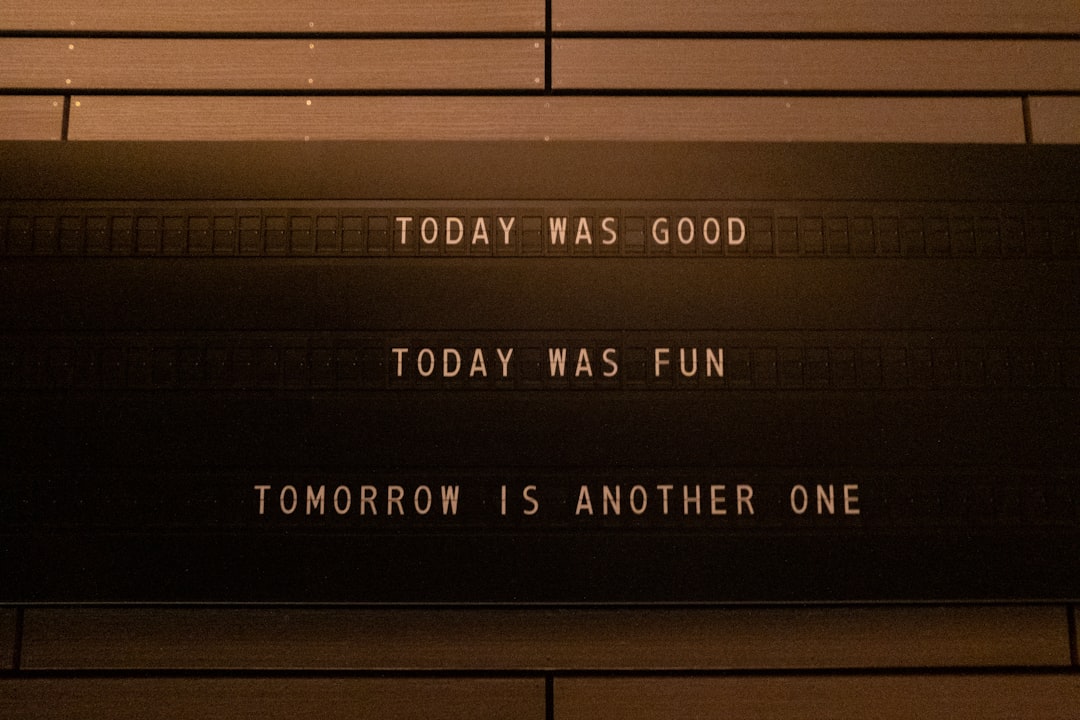
You wake up. The alarm blares, a jarring interruption to the quiet hum of your dreams. You grope for the snooze button, your mind still tangled in the remnants of sleep. This is a familiar ritual, isn’t it? This act of consciously pushing back against the relentless march of a new day. But have you ever stopped to truly consider why you do it? Why you feel the urge to reclaim those few extra minutes, to linger in the familiar comfort of the recent past? It’s a deeply human impulse, one that hints at a profound, often overlooked, aspect of your existence: the purpose of yesterday.
Yesterday isn’t just a forgotten page in a calendar. It’s a foundational element of your reality, a wellspring of experience that shapes your present and informs your future. You navigate your world not just by what is happening now, but by what has already happened. Time, in its relentless forward motion, leaves behind a rich tapestry of events, emotions, and lessons, and it is this tapestry that you continuously draw from. Understanding the purpose of yesterday, therefore, is not merely an academic exercise; it’s an act of self-understanding, a key to unlocking a more meaningful and intentional life. It’s about recognizing the profound impact of what has been on what is and what will be.
You might feel like you are the sum of your immediate thoughts and actions, the person you are in this very moment. But strip away the context of your past, and that “you” dissolves into a blank slate. Yesterday, and all the yesterdays that came before, are the invisible architects of your present identity. They are the raw materials from which you’ve built yourself, brick by emotional and experiential brick.
The Formation of Beliefs and Values
Consider your core beliefs and values. Where did they come from? Were they bestowed upon you from birth? While some foundational aspects might be innate, the vast majority are forged through experience. Yesterday, with its interactions, its triumphs, and its failures, played a crucial role. Did you witness an act of kindness that solidified your belief in humanity’s goodness? Did you experience betrayal that instilled in you a cautious outlook? These are not abstract concepts; they are the direct legacies of past events.
The Echoes of Childhood
The foundations of your belief system were laid long ago. Think back to your childhood. The lessons you learned, the stories you were told, the examples set by those around you – these all contributed to the person you are today. Yesterday’s childhood memories, etched into your mind, continue to influence how you perceive the world, how you treat others, and what you deem important. The seemingly innocuous memory of your parent teaching you to share, for instance, might have planted the seed for your lifelong generosity. Conversely, a harsh reprimand for a mistake could have fostered a deep-seated fear of failure.
The Impact of Social Conditioning
Beyond personal experiences, yesterday also encompasses the collective experiences of your society. Social norms, cultural expectations, and historical events – all part of the shared “yesterday” – subtly shape your outlook. You are influenced by the prevailing ideas and attitudes of your time, even if you don’t actively acknowledge them. This social conditioning, developed over time through countless interactions and observations, forms a significant part of your present-day worldview.
The Development of Skills and Habits
Your ability to perform tasks, whether it’s driving a car, speaking a language, or even making a cup of coffee, is a direct result of repeated practice over time. Yesterday was filled with these opportunities for repetition, for refinement, and for the establishment of habits. These habits, once formed, become almost automatic, freeing up cognitive resources for other tasks.
The Power of Practice
Think about something you do with ease now, something you once found challenging. Perhaps it was learning to ride a bicycle, playing a musical instrument, or mastering a complex work task. The journey to proficiency was paved with countless yesterdays of practice. Each slip, each missed note, each error was a lesson learned, a step taken towards mastery. Yesterday’s deliberate effort, even the frustrating bits, is the secret ingredient to your present-day competence.
The Formation of Comfort Zones
Habits also extend to less tangible aspects of your life, including your comfort zones. You tend to gravitate towards familiar routines and approaches, not because they are necessarily the most optimal, but because yesterday they were the ones you knew and executed successfully. Yesterday’s comfort can sometimes become today’s stagnation if you are not mindful.
The Foundation of Relationships
The relationships you have today, the bonds you share with family, friends, and partners, are not built in a single moment. They are intricate tapestries woven by shared experiences, understanding, and forgiveness accumulated over time. Yesterday’s interactions, both positive and negative, have sculpted the landscape of your interpersonal connections.
The Currency of Trust
Trust is not a given; it is earned, day by day, interaction by interaction. Yesterday’s reliability, your consistent support, or your honest communication built the foundation of trust you now enjoy with loved ones. Likewise, yesterday’s broken promises or hurtful words can erode that trust, leaving scars that take time to heal.
The Evolution of Intimacy
The depth of intimacy you share with others is a testament to countless shared moments. Yesterday’s vulnerability, your willingness to open up and be seen, has fostered deeper connections. The shared laughter, the comfort offered during difficult times, the quiet companionship – these are the building blocks of true intimacy, all residing in the realm of yesterday.
The concept of “yesterday” is fascinating and often leads to deep philosophical discussions about time and existence. For a more in-depth exploration of this topic, you can read a related article that delves into the nature of time and our perception of past events. This article provides insights into why we define time in such a linear manner and how our memories shape our understanding of “yesterday.” To learn more, visit this article.
Yesterday as a Reservoir of Wisdom: Drawing Lessons from the Past
You are not just a product of your past experiences; you are also a beneficiary of the lessons they offer. Yesterday is a vast reservoir of wisdom, a treasure trove of insights waiting to be mined if you choose to look. The ability to reflect on past events, to analyze what went right and what went wrong, is a cornerstone of personal growth.
Understanding Cause and Effect
Did you ever make a decision that you later regretted? The regret itself is a sign that you have understood the cause-and-effect relationship between your past actions and their consequences. Yesterday’s choices, whether good or bad, provide tangible evidence of how certain actions lead to specific outcomes. This understanding is crucial for making more informed decisions in the future.
The Mistake as a Teacher
Mistakes are often perceived as failures, but in the context of yesterday’s learning, they are invaluable teachers. A poorly executed project at work, a miscommunication with a friend, a financial misstep – each of these can offer profound lessons if you are willing to dissect them. What did you learn from that experience? What would you do differently next time? The answers are found by looking back.
The Success as a Blueprint
Conversely, past successes are not just fleeting moments of accomplishment. They are also blueprints for future endeavors. When you succeed, you develop strategies, hone skills, and build confidence. Yesterday’s triumphs offer confirmation of what works, providing a roadmap for navigating similar challenges today.
Learning to Navigate Emotional Landscapes
Your emotional intelligence is largely developed through yesterday’s experiences with joy, sadness, anger, fear, and love. You’ve learned how to manage these emotions, how to express them appropriately, and how to recover from their intensity. Yesterday’s emotional rollercoasters have equipped you with a more nuanced understanding of your inner world.
The Resilience After Hardship
You are more resilient than you often give yourself credit for. The hardships you’ve faced in yesterday’s life – the setbacks, the losses, the disappointments – have all contributed to your capacity to bounce back. You’ve learned that even during the darkest of times, there is often a path forward. This innate resilience is a direct inheritance from your past struggles.
The Appreciation for Joyful Moments
The intensity of joy is often amplified by the memory of past difficulties. Yesterday’s struggles can make you appreciate the present moments of happiness even more. You understand, on a deeper level, the value of peace, contentment, and love because you have, at some point, experienced their absence.
Developing Empathy and Compassion
Witnessing the struggles and triumphs of others throughout yesterday’s time has cultivated your capacity for empathy and compassion. You understand that others, like you, are navigating the complexities of life, facing their own challenges and celebrating their own victories.
Understanding Diverse Perspectives
Every person you’ve encountered in yesterday’s life carries their own unique history and set of experiences. By reflecting on these interactions, you begin to understand that your own perspective is not the only one. This leads to a richer appreciation for the diversity of human experience and fosters a more compassionate outlook.
The Impact of Shared Humanity
Recognizing the common threads of human experience – the universal desires for love, security, and meaning – is a powerful lesson learned from yesterday. This understanding of your shared humanity is the bedrock of compassion, allowing you to connect with others on a deeper, more meaningful level.
The Function of Memory: How Yesterday Becomes Accessible

If yesterday were merely a lost epoch, its purpose would be diminished. It is the faculty of memory that allows you to access and utilize the wealth of yesterday. Memory is your personal time machine, enabling you to revisit, to learn from, and to be inspired by what has come before.
The Selective Nature of Recall
You don’t remember every single second of your life with perfect clarity. Memory is a selective process, prioritizing what is significant, emotionally charged, or frequently revisited. This selectivity, while sometimes frustrating, often serves a purpose, highlighting the most impactful aspects of your past.
Emotional Triggers
Strong emotions act as powerful anchors for memory. Yesterday’s moments of intense joy, profound sadness, or significant fear are often the ones that remain vivid, even years later. These emotionally charged memories serve as potent reminders of life’s intensity.
Repetition and Rehearsal
Information that is frequently recalled or practiced is more likely to be stored in long-term memory. This could be a skill you use regularly, a piece of advice you often reflect on, or a cherished anecdote you frequently share. Yesterday’s repetition reinforces these memories.
The Construction of Narrative
Your life is not a series of disconnected events; it is a continuous narrative that you construct from the fragments of your past. Memory allows you to connect these fragments, creating a story that makes sense of your journey and provides a framework for understanding who you are.
The Story as Identity
The narrative of your life, built from the memories of yesterday, is intrinsically linked to your sense of self. The stories you tell yourself and others about your past experiences shape your identity and influence how you perceive your place in the world.
The Power of Reinterpretation
Memory is not static. You can revisit past events and reinterpret them with the wisdom and perspective you have gained over time. This reinterpretation can be a powerful tool for healing and growth, allowing you to find new meaning in challenging experiences from yesterday.
The Role of Forgetting
While memory is crucial, so too is the ability to forget. Forgetting the mundane details allows your mind to focus on what is truly important. It also offers a form of emotional release, helping you to move past painful experiences that might otherwise cripple you.
The Necessity of Letting Go
Not all memories are beneficial. The capacity to forget, to let go of the hurts and regrets of yesterday, is essential for emotional well-being. This forgetting is not an erasure, but a fading, allowing the sharp edges of pain to soften over time.
The Efficiency of Mental Space
Clearing out less relevant information from your memory allows for greater mental clarity and efficiency. Imagine trying to store every single sensory input you’ve ever encountered – it would be an overwhelming and unusable jumble. Yesterday’s selective forgetting makes your mind a more functional tool.
Yesterday as a Catalyst for Future Action: Preparing for Tomorrow

The purpose of yesterday extends beyond mere reflection; it serves as a crucial catalyst for future action. The lessons learned, the experiences accumulated, and the wisdom gained from yesterday are the essential ingredients for making informed and effective choices about tomorrow.
Informed Decision-Making
When you face a decision today, you don’t approach it in a vacuum. Your past experiences, gleaned from yesterday’s life, inform your judgment. You have a mental library of what has worked and what hasn’t, allowing you to weigh your options with a degree of foresight.
Risk Assessment
Yesterday’s failures taught you about risks. You learned which endeavors were too dangerous, which strategies were ill-conceived, and which outcomes to anticipate. This knowledge allows you to approach future risks with a more calculated and informed perspective.
Leveraging Past Successes
Similarly, yesterday’s successes provide blueprints for future endeavors. You can identify the strategies and approaches that led to positive outcomes and apply them to new challenges. This doesn’t mean replicating the past exactly, but rather adapting proven methods to current circumstances.
Setting Goals and Aspirations
Your aspirations for the future are often shaped by your perceptions of what is possible, a perception heavily influenced by yesterday. You dream of what you want to achieve based on what you have already witnessed, experienced, or learned about in your past.
The Influence of Role Models
Yesterday’s encounters with inspiring individuals – family members, mentors, public figures – can plant the seeds for your own ambitions. Their achievements, their perseverance, and their values can motivate you to set similar goals for yourself.
The Vision of What Could Be
The understanding of what is possible, gained from yesterday’s reality, fuels your imagination for what could be. You can envision yourself achieving great things, not out of fantasy, but out of a grounded understanding of human potential, a potential you’ve witnessed and experienced firsthand.
The Iterative Nature of Progress
Progress is rarely a straight line. It’s an iterative process of trying, learning, and refining. Yesterday’s efforts, even those that didn’t yield immediate results, contribute to the ongoing journey of improvement. Each step taken, each lesson learned, builds upon the foundation laid by what has already been.
The Cumulative Effect of Small Steps
You might not see the dramatic impact of a single day at the time. However, the cumulative effect of countless yesterdays, each contributing a small step forward, leads to significant progress over time. This understanding encourages persistence and discourages discouragement.
The Adaptability Born from Experience
The dynamic nature of life demands adaptability. Yesterday’s experiences, with their unexpected twists and turns, have taught you to be flexible and responsive. This adaptability is crucial for navigating the uncertainties of the future and ensuring that your progress remains relevant.
The concept of yesterday is fascinating, as it allows us to reflect on our past experiences and learn from them. A related article that delves into the intricacies of time and our perception of it can be found at Freaky Science. This exploration not only highlights the significance of yesterday but also emphasizes how our memories shape our understanding of the present and future.
Embracing Yesterday: A Path to a Richer Present and Future
| Reasons Why Yesterday Exists |
|---|
| It is a part of the natural progression of time |
| It allows for reflection on past events and experiences |
| It provides a reference point for historical events |
| It gives us the opportunity to learn from our past mistakes |
| It contributes to the structure of our calendar and timekeeping systems |
You have the power to engage with yesterday not as a burden or a forgotten relic, but as an invaluable resource. By consciously acknowledging and integrating its lessons, you can unlock a richer present and forge a more fulfilling future.
The Practice of Reflection
Make time for reflection. Dedicate moments to consciously revisit yesterday’s experiences. What did you learn? How did you feel? What could you have done differently? This active engagement with your past is the key to extracting its wisdom.
Journaling and Mindfulness
Practices like journaling or mindful reminiscing can be powerful tools for this reflection. Writing down your thoughts and feelings, or simply sitting quietly and allowing memories to surface, can offer profound insights.
Seeking Feedback
Sometimes, external perspectives can illuminate aspects of yesterday you may have missed. Asking trusted friends or mentors for their recollections or interpretations of shared experiences can offer valuable insights.
Cultivating Gratitude
Beyond the lessons, yesterday also holds moments of joy, connection, and beauty. Cultivating gratitude for these positive experiences, no matter how small, enriches your present and serves as a powerful reminder of life’s goodness.
Appreciating Small Joys
Don’t overlook the simple pleasures of yesterday – a shared meal, a beautiful sunset, a moment of laughter. These “small” joys, when acknowledged and appreciated, contribute significantly to overall well-being.
Recognizing the Support Received
Think about the people who have supported you throughout your journey. Expressing gratitude for their presence and assistance, recalling their contributions from yesterday, can strengthen those bonds and foster a sense of community.
Living with Intention
When you understand the profound impact of yesterday, you are better equipped to live with intention. Each choice you make today, informed by your past, becomes a deliberate step towards the future you wish to create.
Setting Meaningful Goals
Your goals are not arbitrary. They are informed by your experiences and aspirations, which are rooted in yesterday. By understanding this connection, you can set goals that are truly meaningful and aligned with your evolving self.
Embracing the Journey
The realization that progress is a continuous journey, built upon the foundation of yesterday, can alleviate the pressure of perfection. You can embrace the process, learn from every step, and trust that each day, each yesterday, is contributing to something greater.
You are a living testament to the passage of time. Yesterday is not just a word; it is the intricate tapestry that forms the backdrop of your existence. By understanding its purpose, by drawing from its reservoir of wisdom, and by embracing its lessons, you empower yourself to navigate the present with greater clarity and to build a future that is rich with meaning and possibility. The echoes of yesterday are not just whispers of the past; they are the guiding voices of your present and the architects of your tomorrow.

Where Does Yesterday Come From?
FAQs
What is the concept of “yesterday”?
Yesterday refers to the day before today, or the time period that has already occurred and is in the past.
How is “yesterday” measured?
In most cultures, yesterday is measured as the day before the current day, based on the 24-hour cycle of a day.
Why does “yesterday” exist?
The concept of yesterday exists as a way to differentiate between past and present time periods, allowing for a clear understanding of when events occurred.
How does “yesterday” impact our lives?
The concept of yesterday allows us to reflect on past events, learn from our experiences, and make decisions based on previous outcomes.
Is “yesterday” a universal concept?
The concept of yesterday is based on the Earth’s rotation and the human perception of time, so it is a universal concept that is recognized across different cultures and societies.