You experience time. It’s a fundamental aspect of your reality, yet the precise biological mechanisms that allow you to perceive its flow, its duration, and its sequence remain one of neuroscience’s most intriguing mysteries. You might think of time as a river, always moving forward, carrying you along its current. But unlike a river, which has a fixed physical source and outlet, the “river of time” you perceive is generated entirely within your own brain. This internal chronometer is not a single, unified entity; rather, it’s a distributed network of interconnected regions and processes working in concert to construct your subjective experience of temporal events.
Your brain doesn’t possess a single, monolithic clock like the one on your wall. Instead, it appears to utilize a multitude of “internal clocks” or timing mechanisms, each operating at different scales and for different purposes. These clocks aren’t made of swinging pendulums or oscillating crystals, but of biological processes – the firing patterns of neurons, the release of neurotransmitters, and the synchronized activity of neural populations. Understanding these diverse mechanisms is key to unraveling how you perceive the passage of seconds, minutes, hours, and even longer periods.
Neuronal Oscillations: The Rhythmic Heartbeat of Time
One of the most robust theories about how your brain processes time involves neuronal oscillations. These are rhythmic patterns of electrical activity in the brain, akin to the steady beat of a drum. Different brain regions exhibit oscillations at various frequencies, and these rhythms are thought to play a crucial role in coordinating neural activity and, by extension, in encoding temporal information. Imagine these oscillations as silent conductors, orchestrating the timing of neuronal communication.
Alpha Waves and the Perception of Intervals
Alpha waves, typically in the 8-12 Hz range, are often associated with relaxed wakefulness. Studies suggest that the phase of these oscillations can influence your perception of brief temporal intervals. For instance, when a stimulus is presented at a particular point in an alpha cycle, you might perceive it as lasting longer or shorter than it actually does. This implies that your internal sensory processing window is modulated by these rhythmic brainwaves.
Theta Waves and Memory Encoding
Theta waves, generally in the 4-8 Hz range, are prominent during memory formation and retrieval. Research indicates a strong link between theta oscillations and the encoding of temporal sequences. When you learn new information, the synchronized firing of neurons in theta frequency bands is thought to help bind different elements of an experience together in a specific order, allowing you to recall not just what happened, but when.
Gamma Waves and Rapid Processing
Gamma waves, at higher frequencies (30-80 Hz or more), are associated with active information processing and attention. They are believed to be involved in the rapid binding of features and the processing of discrete events occurring in close succession. If you’re quickly processing novel stimuli, gamma oscillations might be helping to precisely timestamp these events.
Pacemaker-Accumulator Models: The Intuitive Approach
Beyond neuronal oscillations, simpler models have been proposed to explain how you perceive duration. The pacemaker-accumulator model is a classic example. Imagine a pacemaker that emits pulses at a regular rate. These pulses are then accumulated in a counter. The number of pulses accumulated over a given period represents your internal estimation of that duration.
The Pacemaker’s Rate: A Flexible Parameter
The crucial aspect of this model is that the rate of the pacemaker isn’t fixed. It can be influenced by various factors, including attention, arousal, and even the passage of time itself. When you pay more attention to time, your pacemaker might speed up, leading you to perceive time as passing more quickly. Conversely, when you’re engrossed in an activity, your pacemaker might slow down, making time seem to crawl.
Decay and Memory: The Accumulator’s Role
The accumulator, or memory component, stores the pulse count. The longer a stimulus or event lasts, the more pulses are accumulated. However, this stored information isn’t necessarily permanent. It can decay over time, meaning your memory of durations can fade, leading to estimations that are less precise for longer intervals.
Recent research has shed light on how the brain processes time, revealing intricate mechanisms that allow us to perceive the passage of seconds, minutes, and hours. This fascinating topic is explored in detail in a related article that discusses the neural pathways involved in our perception of time and how various factors can influence this experience. For more insights, you can read the article here: Understanding Time Perception in the Brain.
The Brain Regions Contributing to Time Perception
Your brain’s ability to process time isn’t localized to a single spot. Instead, it involves a complex interplay between various brain regions, each contributing in its own way to the construction of your temporal experience. Understanding these areas illuminates the distributed nature of this fundamental cognitive function.
The Cerebellum: Precision Timing in Action
Often recognized for its role in motor control and coordination, the cerebellum also plays a surprisingly significant role in time perception, particularly for shorter intervals. It’s thought to be crucial for the precise timing of learned movements and for the anticipation of sensory events.
Motor Timing and Prediction
When you learn to bat a ball or play a musical instrument, your cerebellum is actively involved in coordinating the timing of your actions with incoming sensory information. This learned temporal precision extends beyond motor skills, influencing your ability to predict when events will occur. The cerebellum is like a highly skilled conductor for rapid, sequential events.
The Basal Ganglia: Striking a Balance Through Dopamine
The basal ganglia, a group of structures deep within the brain, are implicated in a wide range of functions, including motor control, reward processing, and habit formation. They are also thought to be involved in timing, particularly in the context of interval timing and the evaluation of duration. Their influence is strongly modulated by dopamine, a neurotransmitter that plays a key role in motivation and reward.
Dopamine’s Dual Role: Speeding Up and Slowing Down
Dopamine’s effect on the basal ganglia is complex and can influence time perception in opposing ways. In some contexts, increased dopamine activity can speed up the internal clock, making time feel faster. In others, especially in relation to reward, it might be involved in calibrating your duration estimations. This suggests that your subjective experience of time can be significantly swayed by your internal neurochemical balance.
The Parietal Cortex: The Spatial-Temporal Nexus
The parietal cortex, located at the top of your brain, is known for integrating sensory information and for its role in spatial awareness. It’s also a critical hub for time perception, particularly for longer durations and the sequencing of events. It seems to bridge the gap between what happens and where it happens in time.
Integrating Sensory Streams
The parietal cortex excels at bringing together information from different senses – vision, hearing, touch – and binding it into a coherent perception of the world. This integration is also crucial for establishing the temporal order of events. When you see a car approaching and hear its engine, your parietal cortex helps you understand that the visual and auditory cues occur in a specific temporal relationship.
The Prefrontal Cortex: Executive Control Over Time
The prefrontal cortex, the executive control center of your brain, is involved in planning, decision-making, and working memory. It plays a vital role in actively attending to time, consciously estimating durations, and planning for future events. This is where your deliberate engagement with time management resides.
Attentional Modulation of Time
When you consciously focus on how long something is taking, your prefrontal cortex is heavily involved. It can modulate the activity of other brain regions, influencing the speed of internal clocks and affecting your subjective estimation of duration. This allows you to exert a degree of conscious control over your experience of time.
Working Memory and Temporal Sequencing
Your ability to remember a sequence of events, like the steps in a recipe, relies heavily on the working memory functions of the prefrontal cortex. It holds and manipulates temporal information, allowing you to recall the order in which things occurred and to plan subsequent actions accordingly.
The Influence of Memory on Time Perception
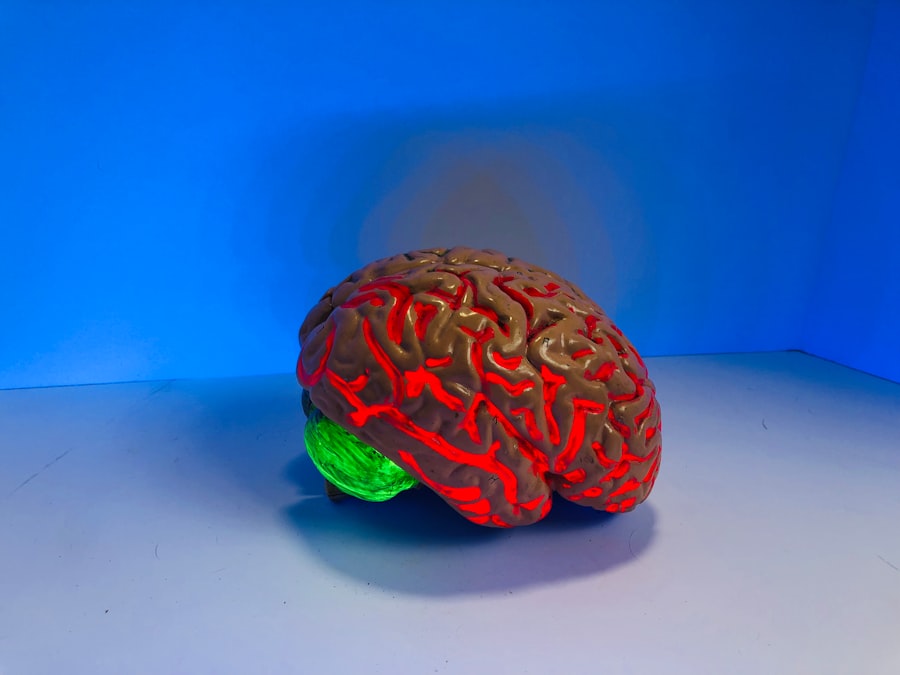
Your memories are not just static archives of past events; they are dynamic constructs that actively shape your perception of time. The way you remember an experience can profoundly influence how you perceive its duration, both in the moment and retrospectively.
Retrospective vs. Prospective Timing
A key distinction in time perception is between retrospective and prospective timing.
Retrospective Timing: Judging After the Fact
Retrospective timing is when you judge how long an event lasted after it has concluded. This is heavily influenced by the richness and salience of the memories you form during the event. A highly engaging and memorable experience might seem to have lasted longer in retrospect, even if its objective duration was short.
Prospective Timing: Judging During the Event
Prospective timing is when you are actively aware of time passing and are making judgments about duration while the event is occurring. This is more directly influenced by your internal clocks and attentional mechanisms. If you’re bored and consciously tracking time, you’ll likely perceive it passing more slowly than if you’re engrossed in an activity.
The Role of Emotion and Novelty
Both emotions and the degree of novelty in an experience can dramatically warp your perception of time.
The Slowing of Time During Fear
When you experience intense fear or a life-threatening situation, time can seem to stretch out, slowing to a crawl. This is thought to be due to the amygdala’s role in processing fear. The heightened arousal and increased sensory input associated with fear can lead to more detailed memory encoding, which, in turn, can be interpreted by your brain as a longer duration.
Novelty Expanding Time (and Memory)
Novel experiences tend to be more memorable. When you encounter something new and stimulating, your brain invests more resources in processing and encoding that information. This increased processing load can contribute to the feeling that time is passing more slowly in the moment, and these well-encoded memories can make the event feel longer in retrospect. Think of a vacation packed with new sights and sounds – it feels so long while you’re there, but often flies by when you reflect on it. This is the paradox of novelty on temporal experience.
How Your Brain Learns and Adapts Temporal Information
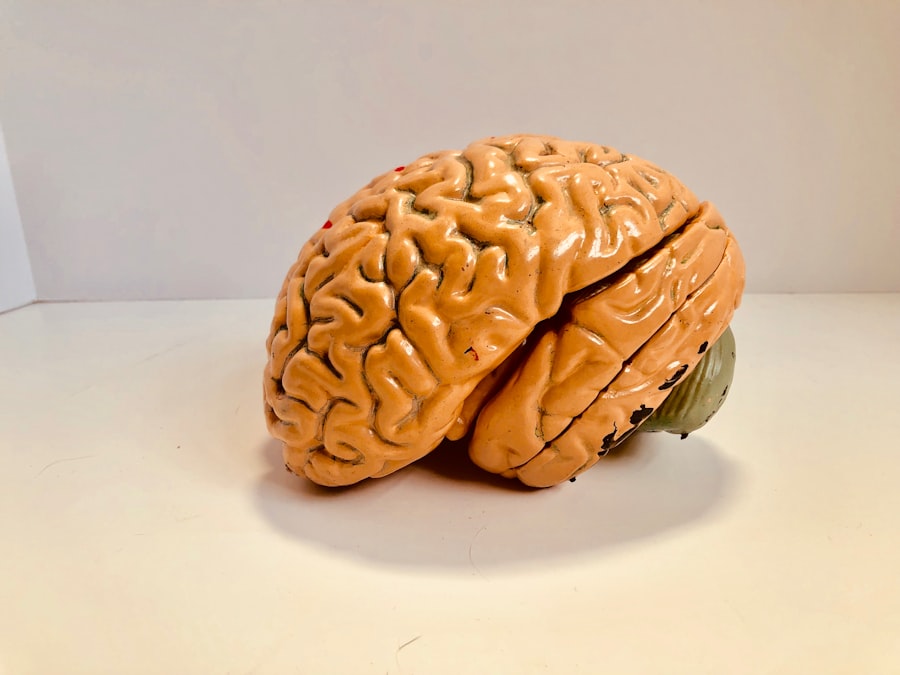
Your brain is not static; it’s a constantly learning and adapting system. This applies to time perception as well. You develop a sophisticated understanding of temporal regularities and use this knowledge to predict future events and navigate your environment.
Temporal Learning and Prediction
Through experience, you learn the typical rhythms and patterns of the world around you. You learn that traffic lights usually turn green after a certain amount of time, that the sun rises in the morning, and that certain sounds indicate approaching events. This learned temporal information allows you to make predictions and to better anticipate what will happen next.
Reinforcement Learning and Timing
The basal ganglia, with their dopaminergic pathways, are crucial for reinforcement learning, which includes learning temporal associations. When a particular timing of an action leads to a reward, the brain strengthens that temporal pattern, making you more likely to repeat it. This is how you learn to time your actions precisely for tasks requiring accurate temporal responses.
Temporal Context and Expectation
The temporal context of a situation – the ongoing flow of events and our expectations about them – significantly influences how we perceive new temporal information.
The Impact of Anticipation
If you are eagerly anticipating an event, the time leading up to it can feel agonizingly slow. Your brain is actively focused on the expected future, which can amplify your awareness of the intervening time. Conversely, if you are expecting a delay, the same amount of objective time might feel shorter.
Temporal Illusions and Expectations
Many temporal illusions arise from mismatches between your expectations and the actual temporal unfolding of events. Your brain actively tries to impose a temporal order, and when this order is disrupted, it can lead to surprising perceptual distortions.
Understanding how the brain processes time is a fascinating area of research that sheds light on our perception of reality. Recent studies have shown that our brains utilize various neural mechanisms to interpret the passage of time, influencing everything from our daily routines to our emotional responses. For those interested in exploring this topic further, an insightful article can be found at Freaky Science, which delves into the intricate ways our minds perceive temporal information and its implications for our understanding of consciousness.
The Future of Understanding the Brain’s Time Processing
| Aspect | Information |
|---|---|
| Neural Oscillations | The brain uses neural oscillations to encode and process time intervals. |
| Timing Perception | The brain’s perception of time can be influenced by attention, emotion, and memory. |
| Neurotransmitters | Neurotransmitters such as dopamine and serotonin play a role in time perception and temporal processing. |
| Brain Regions | Various brain regions, including the prefrontal cortex and basal ganglia, are involved in temporal processing. |
Despite significant progress, the brain’s time processing mechanism remains a frontier of neuroscience. Future research holds the promise of unlocking deeper insights into how we perceive, understand, and even manipulate time.
Computational Neuroscience and Modeling
Computational neuroscientists are developing increasingly sophisticated models to simulate and understand the neural mechanisms underlying time perception. By building computer models that mimic brain function, they can test hypotheses and gain a deeper understanding of how complex temporal processing emerges from simple neuronal interactions.
Neuroimaging and Advanced Techniques
Advancements in neuroimaging techniques, such as fMRI and EEG, allow researchers to observe brain activity in real-time with greater precision. Combining these techniques with computational modeling offers a powerful approach to investigate the intricate network dynamics involved in time perception.
Manipulating and Enhancing Temporal Perception
Understanding the neural basis of time perception opens up possibilities for influencing it. This could have applications in various fields.
Therapeutic Applications
For individuals with conditions that affect time perception, such as ADHD or certain neurological disorders, a deeper understanding of these mechanisms could lead to targeted therapies. Imagine interventions that could help regulate a dysregulated internal clock.
Enhancing Performance
In areas requiring precise timing, such as sports or surgery, understanding how to optimize or enhance temporal processing could lead to improved performance. This could involve training techniques or even future pharmacological interventions.
Your perception of time is a marvel of biological engineering, a testament to the brain’s ability to construct a coherent and navigable reality from the constant flux of sensory input. It’s a symphony of neural activity, a delicate dance between dedicated brain regions, and a deeply personal experience shaped by memory, emotion, and attention. As research continues to unravel its complexities, you gain a profound appreciation for the invisible clockwork that governs your every moment.

You’ve Never Experienced the Present
FAQs
What is the brain’s perception of time?
The brain’s perception of time is a complex process involving various regions of the brain, including the prefrontal cortex, basal ganglia, and cerebellum. It involves the integration of sensory information, memory, and attention to create a subjective sense of time.
How does the brain process short-term time intervals?
The brain processes short-term time intervals using a system of neural oscillations, or rhythmic patterns of neural activity. These oscillations help the brain to encode and represent time intervals in the range of milliseconds to seconds.
What role does memory play in the brain’s processing of time?
Memory plays a crucial role in the brain’s processing of time. The hippocampus, a region of the brain associated with memory, is involved in the encoding and retrieval of temporal information. Additionally, the prefrontal cortex integrates memory with sensory information to create a sense of time.
How does the brain perceive longer time intervals?
For longer time intervals, the brain relies on different mechanisms, such as the perception of changes in the environment, the accumulation of evidence over time, and the use of contextual information to estimate the passage of time.
What are some factors that can influence the brain’s perception of time?
Factors such as attention, emotion, and the level of arousal can influence the brain’s perception of time. Additionally, neurological conditions, such as Parkinson’s disease or schizophrenia, can also impact the brain’s ability to process time.