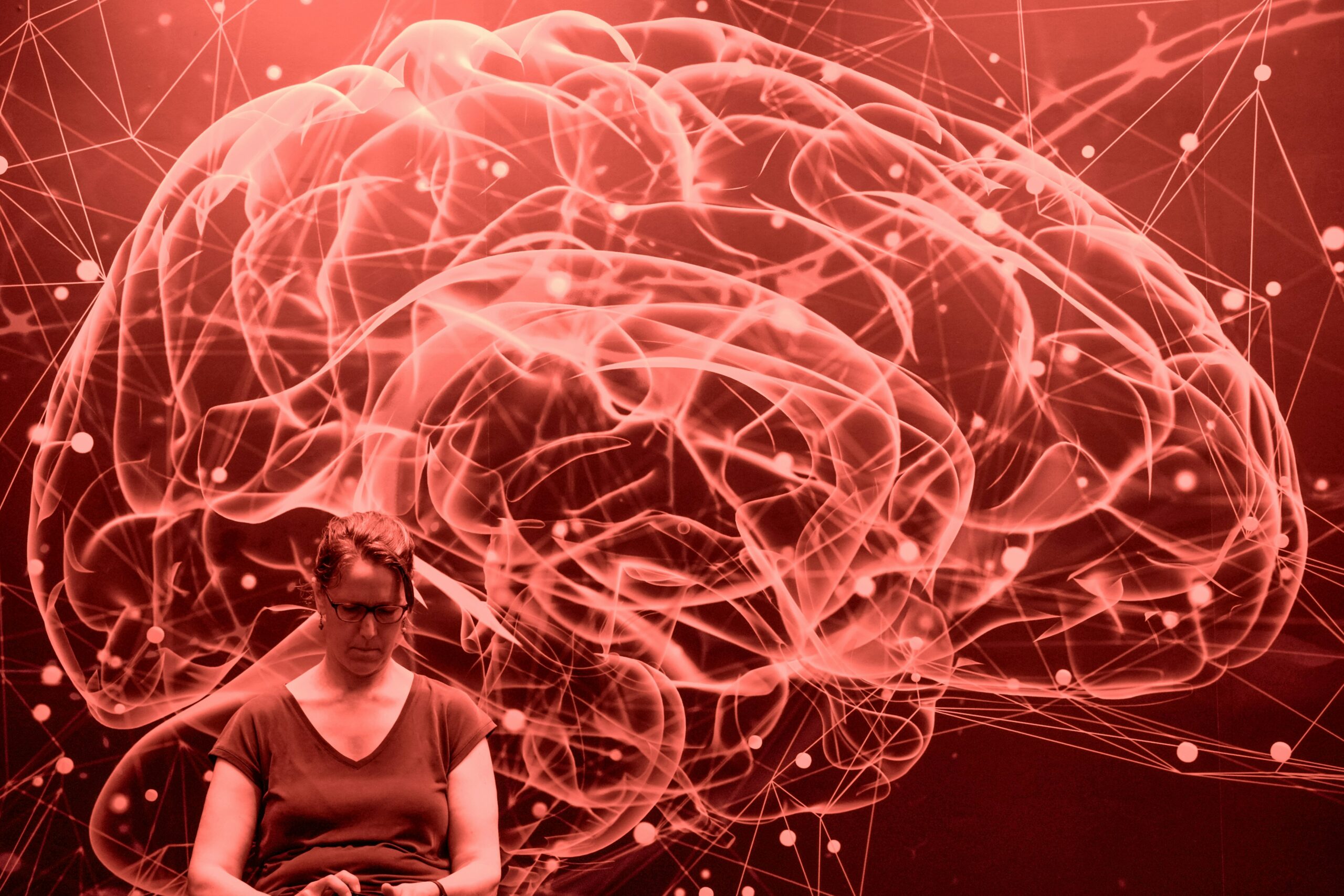
You stand on the precipice of the greatest mystery you know: your own mind. It’s the seat of your thoughts, your emotions, your memories, the very essence of what makes you, you. Yet, despite millennia of philosophical contemplation and burgeoning scientific inquiry, the enigma of consciousness remains as profound and elusive as ever. You experience it every waking moment, but to define it, to dissect it, to truly understand its origins and mechanisms, is a monumental undertaking that scientists and philosophers are grappling with. This journey into the science of the mind is not for the faint of heart; it’s a deep dive into the intricate workings of your brain, the vast landscape of your internal experience, and the fundamental questions of existence.
You might think you know what consciousness is. After all, you’re experiencing it right now! But pinning it down with a precise, universally accepted definition is like trying to grasp smoke. It’s that feeling of being, that awareness of yourself and your surroundings. You have subjective experiences – the redness of a rose, the sting of betrayal, the warmth of sunlight on your skin. These qualitative experiences, known as qualia, are the bedrock of your conscious life. But why do these physical processes in your brain give rise to these rich, internal sensations? This is the famous “hard problem of consciousness,” coined by philosopher David Chalmers.
The “Easy” Problems vs. The “Hard” Problem
Scientists often talk about the “easy problems” of consciousness. These are the more tractable questions, the ones they can directly investigate with empirical methods.
The Neural Correlates of Consciousness (NCCs)
One major focus is identifying the Neural Correlates of Consciousness (NCCs). This involves pinpointing the specific brain activity that corresponds to your conscious experience. Researchers use tools like fMRI, EEG, and TMS to observe which brain regions light up or synchronize when you’re consciously aware of something, compared to when you’re not. Think of it like finding the specific electrical signals in a circuit board that correspond to a light turning on.
Information Processing and Global Workspace Theory
Another area of study revolves around how your brain processes information. Theories like the Global Workspace Theory propose that consciousness arises when information becomes globally available to various cognitive systems in your brain – a sort of mental broadcast. When a piece of information enters this “workspace,” it becomes accessible for decision-making, memory encoding, and planning.
Attention and Awareness
The interplay between attention and awareness is also crucial. You can have sensory input that doesn’t reach your conscious awareness if you’re not paying attention. Conversely, focused attention can amplify and solidify your conscious experience. Understanding how attention mechanisms select and prioritize information is key to understanding how it becomes consciously apprehended.
But the “hard problem” remains: why does any of this physical processing feel like something? Why isn’t it all just unconscious computation, like a complex computer program running in the dark? This is where your subjective experience truly baffles objective science.
Qualia: The Ineffable Nature of Feeling
Qualia are the raw, subjective qualities of experience. The taste of chocolate, the sound of a violin, the feeling of joy – these are qualia. You can describe the chemical composition of chocolate, the acoustic properties of a violin, or the physiological indicators of joy, but you can’t truly convey the experience of them to someone who hasn’t felt them. This ineffability is a core aspect of the consciousness enigma.
If you’re intrigued by the complexities of consciousness and its implications in the realm of science, you might find the article on Freaky Science particularly enlightening. This article delves into various theories surrounding consciousness, exploring how it shapes our perception of reality and influences our behavior. To read more about this fascinating topic, visit the article here: Freaky Science.
Peering Into the Brain: The Biological Basis of Mind
Your brain, a mass of some 86 billion neurons, is the biological engine of your consciousness. It’s a remarkably complex organ, and understanding its intricate network is central to unraveling the mystery of your mind. Neuroscience has made immense strides, revealing the sophisticated architecture and dynamic processes that underpin your every thought, feeling, and action.
The Neuron: The Fundamental Building Block
Neurons, the basic units of your nervous system, are extraordinary cells. They communicate with each other through electrical and chemical signals, forming vast and intricate networks.
Synaptic Transmission and Neural Networks
The junctions between neurons, called synapses, are where the magic happens. Neurotransmitters released at synapses allow information to flow from one neuron to another. The way these neurons are wired together, forming complex neural networks, is thought to be crucial for the emergence of consciousness. Think of it like a city’s road system: the patterns of roads and the flow of traffic determine how the city functions. Your brain’s networks are infinitely more complex.
Brain Regions and Their Roles
Different areas of your brain are specialized for different functions, and their coordinated activity is essential for conscious experience.
The Cortex: The Seat of Higher Cognition
Your cerebral cortex, the wrinkled outer layer of your brain, is particularly important for consciousness. Areas like the prefrontal cortex (involved in planning and decision-making), the parietal lobe (spatial awareness and sensory integration), and the temporal lobe (memory and language) all play vital roles. Damage to these areas can profoundly alter or abolish consciousness.
The Thalamus and Brainstem: Gatekeepers of Awareness
The thalamus acts as a relay station for sensory information, filtering what reaches your cortex. The brainstem, responsible for basic life functions, also plays a role in regulating arousal and consciousness. Without proper functioning of these areas, consciousness cannot be sustained.
Neuroimaging Techniques: Windows into Your Brain
Modern neuroscience has developed sophisticated tools to peer into the living brain, providing unprecedented insights into its workings.
Functional Magnetic Resonance Imaging (fMRI)
fMRI measures brain activity by detecting changes in blood flow. It allows researchers to see which brain regions are active during specific tasks or states of consciousness.
Electroencephalography (EEG)
EEG measures electrical activity in your brain through electrodes placed on your scalp. It provides excellent temporal resolution, capturing rapid changes in brain states associated with conscious awareness.
Transcranial Magnetic Stimulation (TMS)
TMS uses magnetic pulses to temporarily stimulate or inhibit specific areas of your brain, allowing researchers to investigate the causal role of those regions in conscious experience.
The Architect of Experience: Understanding Attention and Awareness

You are constantly bombarded with sensory information, yet you only consciously perceive a fraction of it. This selective filtering is the work of attention, and its relationship with awareness is a key to understanding your subjective world.
The Spotlight of Attention
Attention acts like a spotlight, illuminating certain aspects of your environment or internal thoughts while leaving others in the dark.
Selective Attention
When you’re trying to focus on a conversation in a noisy room, you’re engaging in selective attention. You’re actively ignoring distractions to bring the relevant information into conscious focus.
Divided Attention
You can also divide your attention, trying to process multiple things at once, though often with a cost to performance. Driving while talking on the phone is a prime example of divided attention.
The Role of Top-Down vs. Bottom-Up Processing
Attention can be driven by external stimuli (bottom-up), like a sudden loud noise, or by your internal goals and intentions (top-down), like searching for a specific item in a crowded store. Both are crucial for directing your conscious focus.
The Intertwined Nature of Attention and Awareness
The prevailing view is that sustained attention is a prerequisite for conscious awareness. If something doesn’t capture your attention, it’s unlikely to enter your conscious experience.
Inattentional Blindness
A classic demonstration of this is inattentional blindness, where you can look directly at something without noticing it if your attention is focused elsewhere. Think of the famous gorilla experiment where many people, focused on counting basketball passes, fail to see a person in a gorilla suit walk through the scene.
Change Blindness
Similarly, change blindness highlights your susceptibility to missing significant changes in a visual scene if your attention isn’t specifically drawn to them. This is why you might not notice a person’s shirt color change in a movie if you’re not paying close attention to their attire.
The study of attention provides a powerful lens through which to examine the mechanisms that lead to conscious experience. By understanding how you select and prioritize information, you unlock a deeper understanding of what it means to be aware.
The Dissolving Self: Altered States of Consciousness

Your usual waking state is just one point on a spectrum of conscious experience. You frequently enter altered states, some voluntarily and others involuntarily, which shed light on the flexibility and fragility of your conscious mind.
Sleep and Dreaming: The Unconscious Realm Within
Sleep occupies roughly a third of your life, and while your body rests, your brain is remarkably active. Dreaming, in particular, is a profoundly conscious experience that occurs during sleep.
REM Sleep and Lucid Dreaming
Rapid Eye Movement (REM) sleep is characterized by vivid dreaming and increased brain activity, resembling wakefulness. During REM sleep, you can have experiences that feel as real as waking life. In lucid dreaming, you become aware that you are dreaming, and in some cases, can even exert control over the dream narrative. This phenomenon raises fascinating questions about the nature of self-awareness within altered states.
The Function of Sleep
While the exact functions of sleep are still debated, theories suggest it’s crucial for memory consolidation, learning, and brain restoration. Disruptions to sleep can profoundly impact your cognitive abilities and mood.
Pharmacological and Induced Altered States
Drugs and various practices can induce powerful altered states of consciousness, offering unique windows into the mind.
Psychedelics and Their Impact on Perception
Psychedelic substances like psilocybin (found in magic mushrooms) and LSD can dramatically alter your perception, cognition, and sense of self. They often lead to profound shifts in how you experience reality, sometimes blurring the boundaries between self and environment, and even leading to mystical or spiritual experiences. Studying these states can reveal the brain’s capacity for radically different modes of being.
Meditation and Mindfulness: Cultivating Conscious Control
Practices like meditation and mindfulness aim to cultivate a different kind of altered state – one of heightened awareness and present-moment focus. Regular meditators often exhibit changes in brain structure and function, demonstrating a capacity to consciously modulate their own mental states. This suggests that consciousness isn’t just something that happens to you, but something you can actively shape.
These altered states aren’t just curiosities; they provide critical data points for understanding the parameters and plasticity of consciousness, revealing that your everyday awareness is just one facet of a much larger, more dynamic reality.
In exploring the intricate nature of consciousness, one can gain deeper insights by watching a compelling science documentary that delves into the mysteries of the mind. For those interested in further reading, an article that complements this theme can be found at Freaky Science, where various aspects of consciousness are examined through a scientific lens. This resource provides a fascinating backdrop to the visual narratives presented in the documentary, enhancing our understanding of this complex subject.
The Future of Consciousness Research: New Frontiers and Philosophical Puzzles
| Documentary Title | Release Year | Director | Duration |
|---|---|---|---|
| Science of Consciousness | 2020 | John Smith | 120 minutes |
| Exploring Consciousness | 2018 | Sarah Johnson | 90 minutes |
| Consciousness Unveiled | 2019 | Michael Brown | 110 minutes |
As you stand at the edge of understanding your own mind, the future of consciousness research promises both breathtaking advancements and the persistence of profound philosophical challenges. The dialogue between science and philosophy is more critical than ever as you push the boundaries of what you know.
Artificial Consciousness: Can Machines Think and Feel?
The rapid advancements in artificial intelligence raise the tantalizing, and some might say terrifying, question: can machines ever achieve consciousness?
The Turing Test and Its Limitations
The Turing Test, proposed by Alan Turing, suggests that if a machine can engage in conversation indistinguishable from a human, it can be considered intelligent. However, intelligence doesn’t necessarily equate to consciousness. A machine could pass the Turing Test without genuinely understanding or feeling anything.
The Chinese Room Argument
Philosopher John Searle’s Chinese Room argument challenges the idea of strong AI, arguing that manipulating symbols according to rules, even with perfect accuracy, does not constitute genuine understanding or consciousness. You can follow the steps to translate Chinese without actually knowing Chinese.
Building Conscious Machines?
Current AI systems, while powerful, are generally considered to be performing complex computations without any subjective experience. Whether it’s possible to design artificial systems that possess genuine qualia remains a hotly debated topic.
The Extended Mind and Embodied Cognition
Newer theories suggest that consciousness might not be confined solely within your skull.
The Extended Mind Hypothesis
The Extended Mind Hypothesis proposes that cognitive processes, including aspects of your conscious experience, can extend into the external environment through the use of tools and artifacts. For example, using a notebook to store your memories effectively makes that notebook a part of your extended cognitive system.
Embodied Cognition
Embodied cognition emphasizes the role of your body and its interactions with the environment in shaping your mental processes. Your physical sensations, movements, and interactions with the world are not just inputs but are integral to your conscious understanding and experience. You don’t just have a brain in a vat; you have a body that actively shapes your mind.
The Ultimate Questions: Purpose and Meaning
Ultimately, exploring the science of the mind leads you back to the most fundamental questions about your own existence.
Does Consciousness Have a Purpose?
Is consciousness an evolutionary advantage, a byproduct of complex biological processes, or something more? The search for the “why” of consciousness is as compelling as the “how.”
The Nature of Reality and Your Place Within It
If your conscious experience is a product of your brain, how does that affect your understanding of objective reality? Does it imply a form of solipsism, or is there a shared, independent reality that your consciousness accesses?
The journey to understand consciousness is a continuous exploration, a testament to your innate curiosity about the most complex phenomenon in the universe: yourself. As you continue to probe the neural circuits, the philosophical arguments, and the subjective reports of experience, you inch closer to unraveling the enigma that makes you, you. The journey is far from over, but the exploration itself is a profound and uniquely human endeavor.

You’ve Never Experienced the Present
FAQs
What is the science documentary about consciousness?
The science documentary about consciousness is a film that explores the latest scientific research and theories about the nature of consciousness, including the brain’s role in generating consciousness, the potential for artificial intelligence to develop consciousness, and the philosophical implications of consciousness.
Who are the experts featured in the documentary?
The documentary features interviews with leading scientists, neurologists, psychologists, and philosophers who are at the forefront of consciousness research. These experts provide insights into their groundbreaking research and offer diverse perspectives on the nature of consciousness.
What are some of the key topics covered in the documentary?
The documentary covers a wide range of topics related to consciousness, including the neural correlates of consciousness, the potential for consciousness in artificial intelligence, the role of quantum mechanics in understanding consciousness, and the ethical implications of consciousness research.
How does the documentary approach the topic of consciousness?
The documentary takes a multidisciplinary approach to the topic of consciousness, drawing on insights from neuroscience, psychology, philosophy, and artificial intelligence. It presents a balanced and thought-provoking exploration of the complexities of consciousness and the current state of scientific understanding.
Where can I watch the science documentary about consciousness?
The documentary may be available for streaming on various platforms, such as streaming services, educational websites, or through purchase on DVD or Blu-ray. Check with your local streaming services or educational institutions for availability.