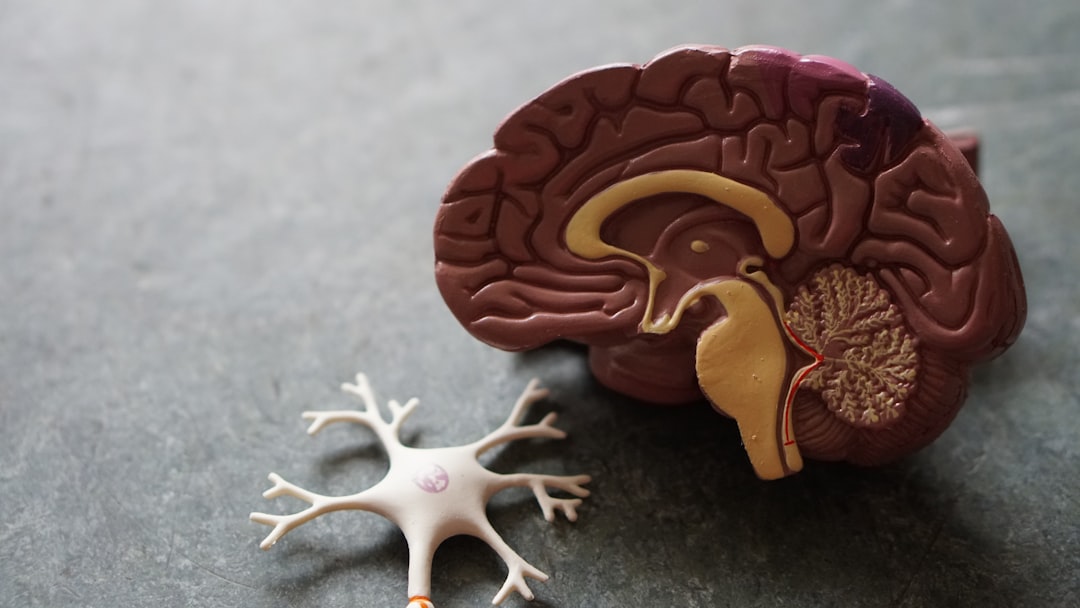
You stand at the precipice of understanding yourself in a way that was once confined to the realm of philosophy and speculative fiction. You are, by your very nature, a walking enigma, a symphony of electrochemical signals and intricate biological machinery. And the field that seeks to decipher this incredible complexity, the modern neuroscience, is no longer just a niche academic pursuit. It’s a revolution, an unfolding narrative that is transforming how you perceive sanity, learning, emotion, consciousness, and even your very identity.
The Brain: Your Universe Within
Your brain. It’s the command center, the artist’s palette, the architect’s blueprint, all rolled into one astonishingly dense organ. For centuries, it remained a black box, its inner workings a tantalizing puzzle. But the advent of advanced imaging techniques, genetic tools, and sophisticated computational models has lifted the veil, allowing you to glimpse the astonishing mechanisms that govern your every thought, feeling, and action. Neuroscience isn’t just about understanding a biological organ; it’s about unraveling the very essence of what it means to be you.
The Neuron: The Fundamental Building Block of Thought
At the heart of it all are the neurons, your billions of star-shaped nerve cells. These aren’t just passive components. They are tireless communicators, buzzing with electrical and chemical signals that propagate information with breathtaking speed. Imagine a vast, interconnected network, a living internet where every node is a neuron and every connection is a synapse. This is the microscopic architecture that supports your entire conscious experience.
The Synapse: The Point of Connection and Communication
The synapse, the tiny gap between neurons, is where the magic truly happens. It’s here that one neuron transmits its message to another, often through the release of neurotransmitters – chemical messengers that bind to receptors and influence the activity of the receiving neuron. This intricate dance of chemical exchange is the bedrock of learning, memory, and all cognitive processes. You can think of it as the whispered conversations that build the grand narrative of your mind.
Action Potentials: The Electrical Pulse of Information
When a neuron is sufficiently stimulated, it fires an action potential, a brief but powerful electrical impulse. This wave of depolarization and repolarization surges down the neuron’s axon, like a tiny spark igniting a cascade. These electrical pulses are the fundamental language of your nervous system, carrying information from one part of your brain to another. Understanding these electrical signatures is crucial to understanding how your brain processes stimuli and generates responses.
Neurotransmitters: The Chemical Messengers of Emotion and Cognition
The symphony of your brain is orchestrated by a diverse array of neurotransmitters. Dopamine, often associated with pleasure and reward, plays a significant role in motivation and learning. Serotonin influences mood, sleep, and appetite. Acetylcholine is vital for muscle control and memory. These chemical messengers are not just passive players; their balance and interplay profoundly impact your emotional state, your cognitive abilities, and your overall well-being. Disruptions in these chemical pathways can lead to a spectrum of neurological and psychiatric conditions, highlighting their critical importance.
Modern neuroscience has made significant strides in understanding the complexities of the human brain, and a related article that delves deeper into this fascinating field can be found at Freaky Science. This resource explores various topics, including the latest research findings, innovative technologies, and the implications of neuroscience on mental health and cognitive function. By examining these developments, readers can gain a better appreciation of how neuroscience is shaping our understanding of the mind and behavior.
The Brain in Action: Perceiving, Remembering, and Learning
Your brain isn’t just a static structure; it’s a dynamic engine constantly processing information from your surroundings and your internal world. Neuroscience is diligently mapping the neural circuits responsible for your sensory experiences, your ability to store and retrieve memories, and the sophisticated processes that allow you to acquire new knowledge and skills.
Sensory Perception: Building Your Reality
The way you perceive the world is a remarkable feat of neural computation. When light strikes your retina, it’s converted into electrical signals that travel to the visual cortex, where they are processed into the images you see. Similarly, sound waves are transduced into neural signals in your auditory system, allowing you to hear. Neuroscience is shedding light on how these seemingly effortless perceptions are actually complex constructions, shaped by your brain’s interpretation of raw sensory data.
The Visual Cortex: Decoding the World of Sight
Your visual cortex, located in the occipital lobe, is a testament to the brain’s specialized processing. It’s not a single entity but a hierarchical system that processes visual information at increasing levels of complexity. From detecting basic edges and lines to recognizing faces and understanding complex scenes, this region is a marvel of neural engineering. You literally construct your visual reality through the intricate workings of this specialized brain area.
The Auditory System: The Symphony of Sound
The journey from a sound wave hitting your eardrum to understanding spoken words or enjoying a piece of music is a testament to the sophistication of your auditory system. Waves are converted into electrical signals, processed in the brainstem, and ultimately interpreted in the auditory cortex. Neuroscience is unraveling how the brain distinguishes between different pitches, volumes, and timbres, allowing you to navigate a world filled with a rich tapestry of sounds.
Memory: The Tapestry of Your Past
Your memories are not stored in a single location like files on a computer. Instead, they are distributed across vast neural networks, constantly being reconstructed each time you access them. Neuroscience is exploring the different types of memory – from the fleeting sensory memories to the enduring episodic memories of your life – and the neural mechanisms that govern their formation, consolidation, and retrieval.
The Hippocampus: Architect of New Memories
The hippocampus, a seahorse-shaped structure deep within your temporal lobe, is critical for forming new long-term memories. It acts as a temporary storage and processing center, helping to consolidate information before it’s potentially stored more permanently in other areas of the brain. Damage to the hippocampus can severely impair your ability to create new memories, underscoring its vital role.
Synaptic Plasticity: The Basis of Learning and Memory
The ability of your brain to change and adapt in response to experience, a phenomenon known as synaptic plasticity, is the fundamental basis of learning and memory. When you learn something new, the connections between neurons strengthen or weaken, altering the pathways through which information flows. This remarkable adaptability means your brain is constantly rewiring itself, making you a lifelong learner.
The Neurobiology of Emotion: The Internal Compass
Your emotions are not abstract concepts; they have a deep biological basis, rooted in the intricate interplay of neural circuits and chemical messengers. Neuroscience is unraveling the neural pathways that give rise to joy, sorrow, fear, anger, and the full spectrum of human feeling, providing insights into how these powerful forces shape your behavior and your decision-making.
The Amygdala: The Brain’s Fear and Emotion Center
The amygdala, a small almond-shaped structure, plays a crucial role in processing emotions, particularly fear. It acts as a rapid alarm system, allowing you to quickly assess potential threats and initiate appropriate responses. Neuroscience is exploring how the amygdala contributes to learning from fear-inducing experiences and how its dysregulation can be implicated in anxiety disorders.
The Prefrontal Cortex: Regulating and Understanding Emotions
While the amygdala processes raw emotional signals, the prefrontal cortex, the brain’s executive control center, plays a vital role in regulating and interpreting those emotions. It allows you to contextualize your feelings, make reasoned decisions, and modulate your emotional responses. The complex interplay between the amygdala and the prefrontal cortex is central to your ability to navigate social interactions and maintain emotional well-being.
The Reward System: The Drive for Pleasure and Motivation
Your brain has a sophisticated reward system, an intricate network of pathways that reinforces behaviors deemed beneficial for survival and reproduction. Neurotransmitters like dopamine are central to this system, driving your motivation and your pursuit of pleasure. Neuroscience is exploring how this system influences addiction, decision-making, and your overall sense of well-being.
Consciousness: The Ultimate Mystery
Perhaps the most profound mystery that neuroscience grapples with is consciousness itself. What is it? How does this subjective experience of being arise from the physical matter of your brain? While a complete answer remains elusive, modern neuroscience is making significant strides in understanding the neural correlates of consciousness, identifying the brain states and activities associated with awareness.
Neural Correlates of Consciousness: The Brain Activity of Being Aware
Neuroscientists are using advanced brain imaging techniques to identify patterns of neural activity that are consistently associated with conscious experience. This involves looking at the synchronized firing of neurons across different brain regions, the complexity of neural networks, and the flow of information. While these correlations don’t explain why these patterns give rise to consciousness, they provide crucial clues to its biological underpinnings.
Integrated Information Theory: A Framework for Understanding Consciousness
Theories like Integrated Information Theory (IIT) propose that consciousness arises from the capacity of a system to integrate information. The more complex and integrated the information processing a system can perform, the more conscious it is likely to be. While still theoretical, such frameworks offer a scientific approach to quantifying and understanding the emergence of subjective experience.
The “Hard Problem” of Consciousness: Bridging the Gap
The “hard problem” of consciousness, coined by philosopher David Chalmers, highlights the immense challenge of explaining how subjective experience, the feeling of “what it’s like” to be you, arises from purely physical processes. Neuroscience is chipping away at this problem by mapping the brain’s activity, but the leap from neural firing to subjective qualia remains a profound philosophical and scientific frontier.
Modern neuroscience has made significant strides in understanding the complexities of the human brain, revealing insights into how we think, feel, and behave. For those interested in exploring this fascinating field further, a related article can be found at Freaky Science, which delves into the latest research and breakthroughs in neuroscience. This resource provides a comprehensive overview of current theories and technologies that are shaping our understanding of neural processes and their implications for mental health and cognitive function.
The Future of Neuroscience: A Glimpse Ahead
The pace of discovery in neuroscience is accelerating. New technologies are constantly emerging, offering even more powerful tools to probe the brain’s mysteries. The implications of this progress are far-reaching, promising advancements in treating neurological and psychiatric disorders, enhancing cognitive abilities, and even deepening our understanding of ourselves.
Neurotechnology and Brain-Computer Interfaces: Merging Mind and Machine
Brain-computer interfaces (BCIs) are a rapidly developing area where neuroscience and engineering converge. These technologies allow you to control external devices with your thoughts, offering hope for individuals with paralysis or other motor impairments. The potential for direct communication between your brain and computers opens up a universe of possibilities.
Restoring Function and Enhancing Capabilities
The ultimate goal of neurotechnology is to restore lost function and, in some cases, enhance existing capabilities. For individuals with neurodegenerative diseases or brain injuries, BCIs and other neurointerventions offer the promise of regaining lost motor control, communication abilities, and cognitive function. The ethical considerations surrounding cognitive enhancement are also a significant area of discussion.
Tackling Neurological and Psychiatric Disorders: New Hope for Millions
The insights gained from neuroscience are revolutionizing the diagnosis and treatment of a vast array of neurological and psychiatric disorders. From Alzheimer’s disease and Parkinson’s to depression and schizophrenia, understanding the underlying neural mechanisms is paving the way for more targeted and effective therapies.
Personalized Medicine in Neurology: Tailoring Treatments to the Individual Brain
Neuroscience is moving towards a more personalized approach to medicine. By understanding the unique neural profiles of individuals, treatments can be tailored to their specific needs, optimizing efficacy and minimizing side effects. This is a significant shift from one-size-fits-all approaches.
The Ethical Landscape of Neuroscience: Navigating New Frontiers
As neuroscience continues to push the boundaries of what’s possible, it also raises important ethical questions. Issues surrounding privacy, cognitive enhancement, mental autonomy, and the potential for misuse of neuro-technologies require careful consideration and robust ethical frameworks. You are not just a subject of scientific inquiry; you are an active participant in shaping the future of this transformative field.
You are a magnificent work in progress, a universe contained within your skull. Modern neuroscience is not just an academic pursuit; it’s your personal quest to understand the most complex and fascinating entity you will ever encounter: yourself. With each new discovery, you get a little closer to unraveling the profound mysteries of your own mind.

You’ve Never Experienced the Present
FAQs
What is modern neuroscience?
Modern neuroscience is the study of the nervous system, including the brain, spinal cord, and networks of sensory nerve cells. It aims to understand how these systems function and how they contribute to behavior and cognition.
What are the main techniques used in modern neuroscience?
Modern neuroscience utilizes a variety of techniques, including neuroimaging (such as MRI and fMRI), electrophysiology, optogenetics, and molecular biology. These techniques allow researchers to study the structure and function of the nervous system at various levels, from individual neurons to complex brain networks.
What are some key findings in modern neuroscience?
Modern neuroscience has led to significant discoveries, such as the identification of specific brain regions involved in various functions (e.g., language processing, memory, and emotion), the understanding of neural plasticity and its role in learning and memory, and the development of new treatments for neurological and psychiatric disorders.
How does modern neuroscience impact society?
Modern neuroscience has a wide-ranging impact on society, including advancements in medical treatments for neurological and psychiatric disorders, improved understanding of brain development and aging, and insights into the neural basis of behavior and cognition. It also raises ethical and societal questions related to brain enhancement, privacy, and the use of neurotechnology.
What are some current challenges in modern neuroscience?
Challenges in modern neuroscience include the complexity of the nervous system, the need for interdisciplinary collaboration, and the ethical implications of neuroscientific research and its applications. Additionally, understanding the brain in health and disease remains a major challenge for the field.