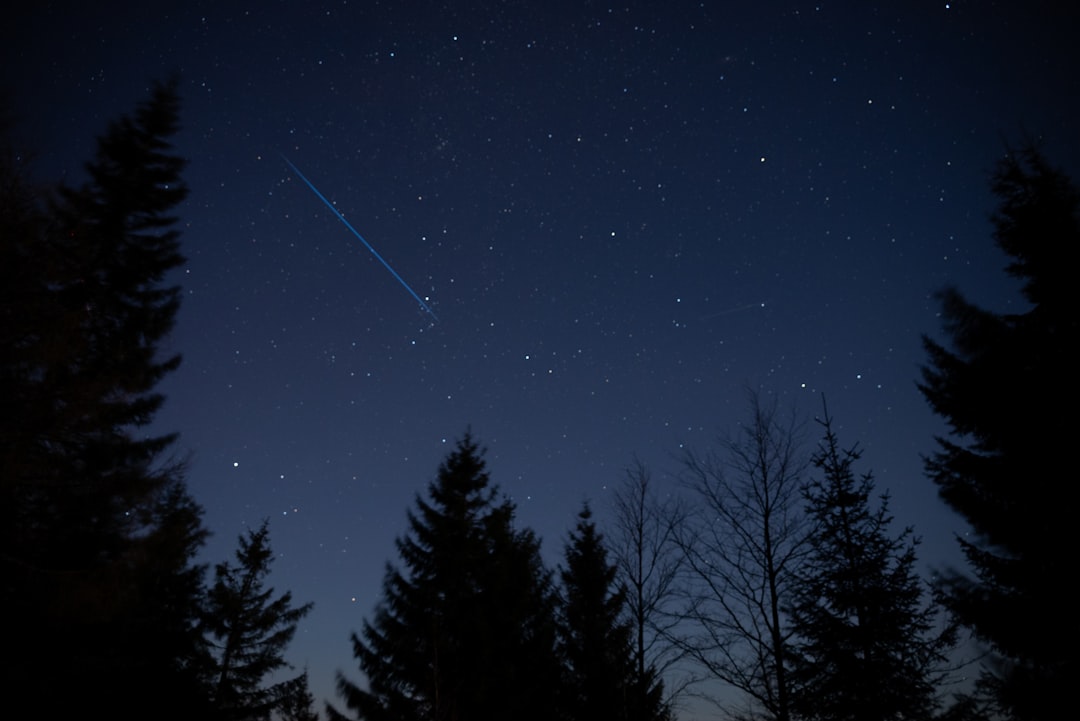
Starlink’s Satellite Constellation Creates Stunning Backlight Effect
The proliferation of low-Earth orbit (LEO) satellite constellations, most notably SpaceX’s Starlink, has introduced a novel and increasingly visible phenomenon: a distinct “backlight” effect captured in astronomical observations. This effect, stemming from the sunlight reflecting off the surfaces of hundreds, and soon to be thousands, of satellites, presents a complex challenge and an intriguing visual spectacle for ground-based astronomers and observers alike. While not inherently detrimental to all forms of astronomy, its growing prevalence necessitates a thorough understanding of its characteristics and potential impacts.
The Starlink constellation, designed to provide global internet coverage, comprises a vast network of small satellites operating at relatively low altitudes. These satellites are equipped with large, flat solar panels, crucial for their power generation. It is the interaction of these metallic, highly reflective surfaces with sunlight that gives rise to the observed backlight. The inclination of the satellites’ orbits, coupled with their orientation relative to the Sun and Earth, dictate when and how this reflected light becomes apparent.
Satellite Design and Reflectivity
Each Starlink satellite is a marvel of modern engineering, designed for mass production and deployment. A significant component of their design is the presence of extensive solar arrays. These arrays, often featuring multiple panels, are covered in photovoltaic cells and protective coatings. While optimized for energy conversion, these surfaces also possess a high degree of reflectivity. The materials used, along with the geometric configuration of the panels, contribute to the scattering and redirection of incident sunlight in various directions. The precise reflectivity of these surfaces is a key factor in determining the intensity of the backlight. Research continues to refine our understanding of how different materials and surface treatments within the satellite design influence the amount of light these objects reflect. Early versions of the satellites were noted for their particularly high reflectivity, prompting modifications in subsequent launches.
Orbital Mechanics and Illumination
The observed backlight is not a constant phenomenon; it is intrinsically linked to the orbital mechanics of the satellites and the position of the Sun. Starlink satellites orbit the Earth at altitudes ranging from approximately 350 to 550 kilometers. This LEO orbit means they travel at high speeds, completing an orbit in roughly 90 minutes. The backlight effect is most pronounced during twilight hours – both dawn and dusk – when the ground observer is in darkness, but the satellites, being at a higher altitude, are still illuminated by the Sun.
The angle of incidence of sunlight on the satellite’s solar panels, and subsequently the angle at which this light is reflected towards an observer on Earth, is critical. As the satellites traverse their orbits, they move through different illumination geometries. An observer on the ground looking upwards during twilight might find themselves positioned such that the Sun is below the horizon, but a passing Starlink satellite, still bathed in sunlight, reflects this light directly into their field of view. This creates the visual impression of a “line” or “train” of faint, moving stars, or a diffuse glow against the darker background of the sky. The variability of this effect is a testament to the dynamic interplay between the satellite’s trajectory, its orientation, and the Sun’s position.
The Starlink satellite constellation has garnered significant attention not only for its ambitious goal of providing global internet coverage but also for the backlight effect it creates in the night sky. This phenomenon has raised concerns among astronomers and stargazers alike, as the bright trails of satellites can interfere with astronomical observations. For a deeper understanding of the implications of this backlight effect and its impact on both science and the beauty of our night sky, you can read more in this related article: Freaky Science.
Visual Manifestations of the Backlight
The most striking aspect of the Starlink backlight is its visual impact. Observers have reported seeing streaks of light, diffuse glows, and even what appears to be a “glowing train” of satellites against the night sky. These observations have generated both fascination and concern among stargazers and professional astronomers.
Streaks and Trails in Astronomical Images
For astronomers using ground-based telescopes, the Starlink backlight manifests as unwanted light pollution. During long exposures, essential for capturing faint celestial objects, a passing Starlink satellite can traverse the field of view, leaving behind a bright streak of light that can obscure or contaminate the image data. These streaks can vary in brightness and length depending on the satellite’s altitude, its speed across the sky, and the duration of the exposure. While individual satellites might appear as short, sharp trails, a denser cluster of satellites, or a particularly bright passage, can leave more significant artifacts.
The impact of these streaks is not uniform across all astronomical research. For projects focused on very faint galaxies or nebulae that require extremely long integration times, these satellite trails can be particularly problematic. Efforts are underway to mitigate this by developing software that can identify and remove these streaks from astronomical images. However, the sheer number of satellites, and their increasing visibility, presents an ongoing challenge to data processing pipelines.
The “Starlink Train” Phenomenon
One of the most frequently reported visual phenomena is the “Starlink train.” This occurs when a batch of satellites is launched together and released into orbit in relatively close proximity. For a period of time after deployment, these satellites orbit in a string, appearing as a distinct line of luminous points moving in unison across the sky. This visual effect, while ephemeral, is undeniably striking and has been widely captured in photographs and videos by amateur astronomers and the public. The “train” effect highlights the dynamic and ever-changing nature of the LEO landscape. As satellites spread out and their orbits evolve, the train disperses, but similar deployments in the future will likely recreate this spectacle. This phenomenon underscores the density of objects being placed into orbit.
Diffuse Glow and Sky Brightness
Beyond distinct streaks and trains, the collective reflection from a large number of Starlink satellites can contribute to a subtle but noticeable increase in overall sky brightness, particularly in darker, less light-polluted regions. This diffuse glow, though less dramatic than a direct streak, can still impact sensitive astronomical observations. It effectively raises the background noise floor, making it more difficult to detect faint astronomical signals. The cumulative effect of thousands of satellites, each contributing a small amount of reflected light, can have a measurable impact on the quality of astronomical data obtained from ground-based observatories. This is a particular concern for sites located in remote, pristine environments where sky brightness is already at a minimum.
Impacts on Astronomical Observations
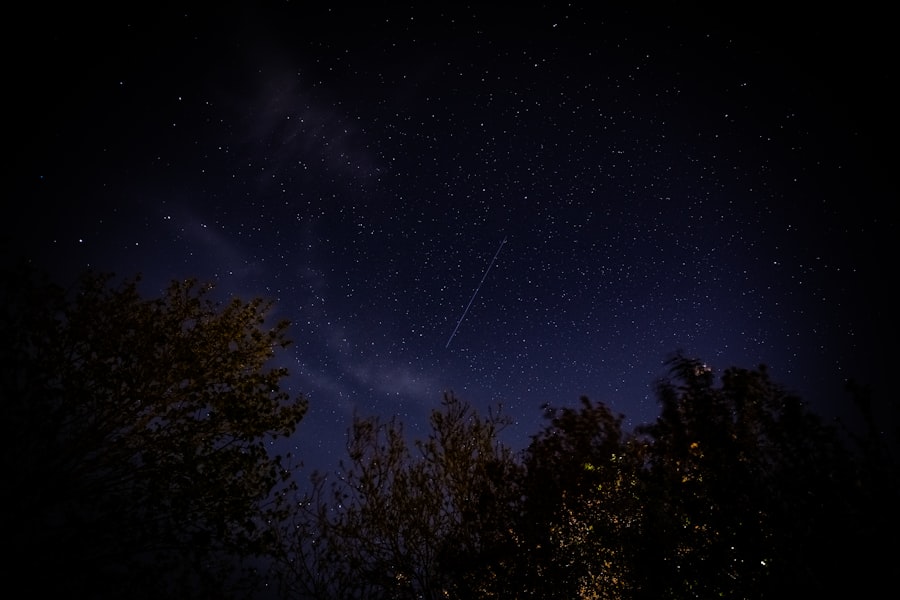
The advent of satellite constellations like Starlink has undeniably altered the observational landscape for ground-based astronomers. Understanding these impacts is crucial for the future of astronomical research.
Increased Light Pollution for Ground-Based Observatories
Light pollution is a perennial concern for astronomers. While traditionally associated with artificial lights from cities, the Starlink constellation introduces a new form of light pollution. The reflected sunlight from these satellites acts as a direct source of illumination that can interfere with observations. For major observatories located in remote, dark-sky locations, designed to minimize terrestrial light pollution, the introduction of a bright, moving object in their field of view presents a novel challenge.
The intensity of the backlight can vary significantly. Some satellites are designed with improved features to reduce their reflectivity, such as darker coatings on their surfaces and optimized solar panel angles. However, the effectiveness of these measures is still under ongoing assessment and development. The sheer number of satellites currently in orbit, and the planned expansion of constellations, means that this issue is unlikely to diminish without further technological interventions or regulatory considerations. The long-term implications for the cumulative sky brightness are a subject of ongoing scientific study.
Challenges for Wide-Field Surveys
Surveys designed to map large portions of the sky, such as those mapping galaxies or searching for transient astronomical events, are particularly vulnerable to satellite trails. These surveys often employ wide-field telescopes and make multiple observations of the same sky area over time. A single satellite trail can invalidate a portion of the data, and the cumulative effect of numerous trails across many observations can significantly degrade the survey’s completeness and sensitivity. Automated algorithms are being developed to identify and mask out satellite trails during data processing, but this adds complexity and computational burden. The efficiency of these algorithms is a critical factor in the viability of future wide-field astronomical surveys.
Potential for Radio Interference
While the primary focus here is on optical interference, it is important to note that large satellite constellations also raise concerns about radio interference. Starlink satellites are designed to transmit and receive radio signals for communication. The multitude of these signals, particularly if not carefully managed, could potentially interfere with sensitive radio telescopes that observe faint cosmic radio emissions. This is a separate but related challenge that requires careful coordination between satellite operators and radio astronomers to ensure the integrity of radio astronomy observations. The electromagnetic spectrum is a finite resource, and its use by commercial ventures must be balanced with the needs of scientific research.
Mitigation Strategies and Future Developments
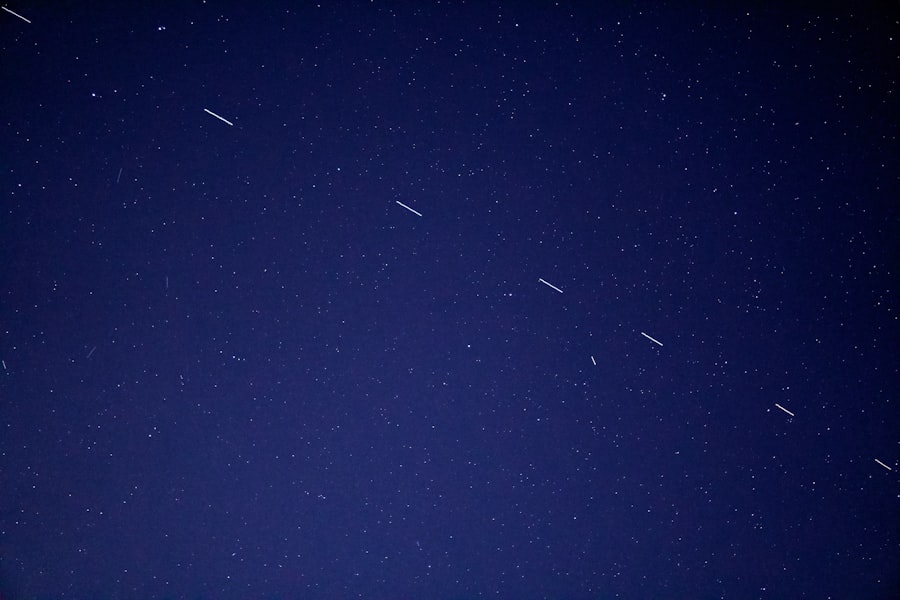
The astronomical community and satellite operators are actively engaged in finding solutions to mitigate the impact of satellite constellations. A collaborative approach is essential to balance the benefits of satellite internet with the preservation of astronomical observations.
Satellite Design Modifications
SpaceX and other satellite operators are actively engaged in modifying their satellite designs to reduce reflectivity. This includes experiments with darker coatings for solar panels and antenna surfaces, as well as optimizing the orientation of the satellites to minimize direct sunlight reflection towards Earth. The goal is to reduce the apparent brightness of the satellites to a level that is less disruptive to astronomical observations. Some modified satellites, often referred to as “visorsats,” have demonstrated a significant reduction in brightness, offering a promising path forward. Continued research and development in this area are crucial, alongside transparent communication between industry and the scientific community.
Orbital Slotting and Operational Adjustments
In addition to design changes, there are considerations for how satellites are operated and positioned in orbit. This can include adjusting orbital parameters to minimize potential conflicts with astronomical observations during critical observing periods. While the dynamic nature of LEO makes precise orbital “slotting” challenging, there is ongoing discussion about how to manage orbital traffic to reduce visual interference. The potential for coordination between observatories and satellite operators to identify “quiet” observing times or regions of the sky is also being explored. However, the sheer scale of these constellations makes comprehensive avoidance strategies difficult to implement.
Data Processing Techniques
Astronomers are developing and refining sophisticated software algorithms to identify and remove satellite trails from astronomical images. These techniques analyze image data to detect the distinctive linear patterns of satellite streaks and then interpolate or mask out the affected pixels. While these methods are becoming increasingly effective, they do not eliminate the problem; they merely attempt to recover usable data from contaminated observations. The computational resources required for such processing can be substantial, especially for large astronomical surveys. Furthermore, the effectiveness of these techniques can be limited by the brightness and density of the satellite trails.
The Starlink satellite constellation has garnered attention not only for its ambitious goal of providing global internet coverage but also for the intriguing backlight effect it creates in the night sky. This phenomenon has raised concerns among astronomers and stargazers alike, as the bright trails of satellites can interfere with astronomical observations. For a deeper understanding of the implications of satellite constellations on our night sky, you can explore a related article that discusses these effects in detail at Freaky Science.
Broader Implications for Astronomy and Space Observation
| Aspect | Metrics |
|---|---|
| Backlight Effect | Intensity |
| Backlight Effect | Duration |
| Backlight Effect | Frequency |
The Starlink backlight effect is more than just a technical issue for astronomers; it has broader implications for how humanity perceives and studies the universe, and for the sustainable use of near-Earth space.
The Growing Presence in the Night Sky
As the number of satellites in LEO continues to grow, driven by Starlink and other proposed constellations, the night sky will inevitably become a more crowded environment. This raises fundamental questions about the preservation of pristine night skies for both scientific research and public enjoyment. The aesthetic experience of gazing at an unadulterated starlit sky is a cultural and natural heritage that is increasingly threatened by human activity in space. The visual impact of thousands of artificial objects, however small and distant, represents a tangible alteration of our cosmic view.
The Future of Optical Astronomy
The long-term viability of ground-based optical astronomy is a subject of ongoing discussion in light of these developments. While adaptive optics and advanced instrumentation continue to push the boundaries of what can be observed from Earth, the increasing level of artificial light pollution, both terrestrial and orbital, poses a significant challenge. Some argue that this may necessitate a greater reliance on space-based telescopes, which are, by definition, above the Earth’s atmosphere and thus less susceptible to terrestrial and LEO-based interference. However, space-based observatories are significantly more expensive and complex to build and maintain.
Towards Sustainable Use of Near-Earth Space
The Starlink backlight phenomenon serves as a potent reminder of the need for responsible stewardship of near-Earth space. As more objects are launched into orbit for commercial, scientific, and military purposes, establishing clear international guidelines and regulations for space debris mitigation and light pollution control becomes increasingly important. The development of “rules of the road” for space, ensuring that technological advancement does not come at the expense of fundamental scientific endeavors and the preservation of the night sky, is a critical challenge for the coming decades. The visible impact of Starlink is a harbinger of similar challenges from future megaconstellations.
FAQs
What is the Starlink satellite constellation?
The Starlink satellite constellation is a project by SpaceX to provide high-speed internet access to underserved and remote areas around the world using a network of small satellites in low Earth orbit.
What is the “backlight effect” of the Starlink satellite constellation?
The “backlight effect” refers to the phenomenon where the satellites in the Starlink constellation are visible as a string of bright lights in the night sky, especially during the hours just after sunset and before sunrise.
Why are the Starlink satellites visible in the night sky?
The Starlink satellites are visible in the night sky due to their low Earth orbit and the reflection of sunlight off their solar panels, which causes them to appear as bright moving lights when they are illuminated by the sun from below the horizon.
How does the “backlight effect” impact astronomical observations?
The “backlight effect” can interfere with astronomical observations by creating streaks of light in long-exposure images, disrupting the ability of astronomers and astrophotographers to capture clear and detailed images of celestial objects.
What measures are being taken to mitigate the “backlight effect” of the Starlink satellite constellation?
SpaceX is working on implementing measures such as sunshades and darkening the satellites to reduce their visibility from the ground and minimize the impact of the “backlight effect” on astronomical observations. Additionally, astronomers are collaborating with SpaceX to find ways to mitigate the impact of the satellite constellation on scientific research.