
The echoes of the Roaring Twenties continue to resonate in contemporary society, prompting questions about the enduring relevance of that historically significant decade. While the flashing lights of flappers and the hum of jazz may seem confined to the archives of history, a closer examination reveals striking parallels and continuities with the socio-cultural landscape of the 2020s. This article delves into various facets of modern life, exploring how the spirit, anxieties, and innovations of the 1920s persist, albeit in transmuted forms.
The 1920s were a period of unprecedented economic expansion in many Western nations, particularly the United States. This boom was fueled by technological advancements, mass production, and a burgeoning consumer culture. While the scale and nature of the economy have evolved dramatically, several key elements align with today’s experience.
The Rise of Consumerism and Its Discontents
In the 1920s, the automobile, radio, and household appliances became aspirational purchases, transforming daily life and fostering a culture of consumption. Advertisers skillfully tapped into desires for status, convenience, and a modern lifestyle. Today, this phenomenon is amplified exponentially. The latest smartphones, smart home devices, and streaming services are not merely tools but symbols of cultural participation and individual identity. Social media platforms, in particular, have become powerful engines for showcasing and promoting consumer goods, often creating artificial demand and a constant pressure to acquire the newest innovations. The “keeping up with the Joneses” mentality, prevalent in the 1920s, finds a potent modern manifestation in the curated online lives that often depict an idealized and materially abundant existence. This persistent focus on material acquisition, while driving economic activity, also generates its own set of discontents, including debt accumulation, feelings of inadequacy, and environmental concerns stemming from relentless production and consumption cycles.
Technological Disruption and Economic Shifts
The introduction of new technologies in the 1920s, such as electricity and mass transit, fundamentally reshaped industries and labor markets. While the specific technologies differ, the principle of rapid technological advancement causing economic disruption remains a constant. The digital revolution of the late 20th and early 21st centuries, with its AI, automation, and data analytics, is a prime example. These advancements are automating jobs, creating new industries, and demanding new skillsets, mirroring the displacement and adaptation that occurred post-World War I. The debate surrounding the impact of automation on employment, the rise of the gig economy, and the concentration of wealth in the hands of tech giants all echo conversations that might have been had about the impact of the assembly line or the radio industry a century ago. The economic anxieties surrounding job security and the equitable distribution of wealth are not new; they are recurring themes that manifest with each significant technological upheaval.
Cycles of Boom and Bust
The 1920s, despite its prosperity, ultimately culminated in the Wall Street Crash of 1929 and the Great Depression. This stark reminder of economic fragility and the potential for speculative bubbles to burst serves as a cautionary tale that remains acutely relevant. Today, the world has witnessed numerous financial crises, including the dot-com bubble, the 2008 global financial crisis, and ongoing discussions about the sustainability of current economic models. The interconnectedness of global markets means that economic downturns can spread rapidly, impacting diverse sectors and nations. The recurring patterns of excessive speculation, lax regulation, and the subsequent fallout suggest that humanity has not entirely learned the lessons of the past regarding financial prudence and systemic risk. The inherent cyclical nature of capitalist economies, marked by periods of expansion and contraction, continues to shape the economic realities of the 2020s.
The 1920s, often referred to as the “Roaring Twenties,” was a decade marked by significant social change, economic prosperity, and cultural dynamism. Many argue that we are experiencing a similar era today, characterized by rapid technological advancements and shifting social norms. For a deeper exploration of this phenomenon, you can read the article on Freaky Science that discusses the parallels between the two decades and how history often repeats itself. Check it out here: Freaky Science.
Social and Cultural Transformations
The 1920s were a period of significant social upheaval and cultural experimentation, often characterized by a loosening of traditional constraints and the emergence of new social norms. Many of these trends find echoes in contemporary society.
The Evolving Role of Women
The flapper, with her bobbed hair, shorter skirts, and assertive demeanor, symbolized a new era for women in the 1920s, marked by increased independence and a challenge to Victorian gender roles. While the societal landscape for women has advanced considerably since then, the ongoing struggle for gender equality, equal pay, and representation in leadership positions demonstrates that the fight for women’s full autonomy and recognition is far from over. The #MeToo movement, for instance, can be seen as a modern iteration of women asserting their agency and demanding systemic change against pervasive issues of harassment and inequality. Discussions about work-life balance, reproductive rights, and the equitable division of domestic labor continue to be central to women’s experiences, reflecting a persistent engagement with the societal expectations and freedoms that began to be redefined a century ago.
The Jazz Age and the Search for Meaning
The Jazz Age was not just about music; it represented a spirit of liberation, improvisation, and a rejection of post-war ennui. This search for meaning and authentic experience in a rapidly changing world resonates with contemporary societies grappling with information overload, social isolation, and existential questions. The rise of various subcultures, avant-garde artistic movements, and the widespread use of recreational drugs in the 1920s can be loosely paralleled with today’s diverse youth cultures, the exploration of alternative lifestyles, and the ongoing debates surrounding mental health and substance use. The desire to break free from convention, to express oneself authentically, and to find community and purpose in a complex world remains a fundamental human drive, observable in the various ways people navigate the social and cultural currents of the 2020s.
The Impact of Mass Media and Cultural Diffusion
The advent of radio and film in the 1920s created a shared cultural experience and facilitated the diffusion of ideas and trends across vast distances. Today, the internet and social media have exponentially magnified this effect, creating a globalized culture where trends, ideas, and information spread with unprecedented speed. The power of celebrity, the influence of popular culture on public opinion, and the potential for both positive and negative societal impacts of mass communication are all continuities. The concerns about misinformation, the echo chambers created by algorithms, and the homogenization of cultural tastes are contemporary manifestations of the very real power that mass media wields, a power that was just beginning to be understood in the 1920s through its nascent forms.
Political and Social Tensions
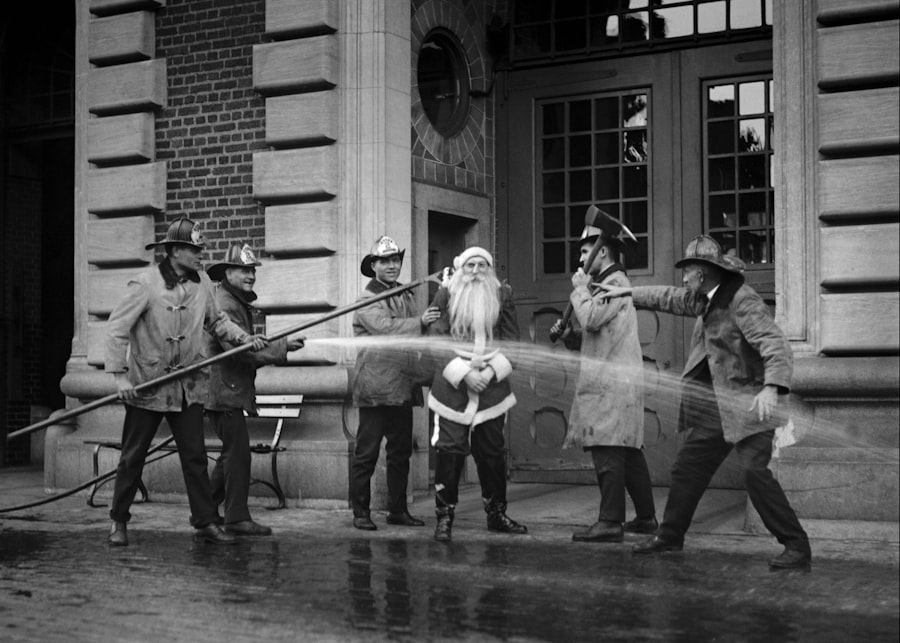
The 1920s were not solely defined by pleasure and prosperity; it was also a decade marked by significant political and social tensions, including debates about immigration, Prohibition, and the rise of new political ideologies. These tensions, in modified forms, continue to shape the political landscape today.
Nativism and Immigration Debates
The 1920s saw a surge in nativist sentiment and restrictive immigration policies in the United States, driven by fears of cultural change and economic competition. Contemporary societies worldwide are experiencing similar debates surrounding immigration, border control, and the integration of diverse populations. The rise of nationalist rhetoric, the politicization of immigration, and the anxieties about national identity are echoes of concerns raised a century ago. The complexities of managing diverse societies, the challenges of assimilation, and the ethical considerations surrounding humanitarian concerns continue to be pressing issues, mirroring the debates that defined much of the political discourse in the 1920s.
The Enduring Legacy of Prohibition and Regulation
The failed experiment of Prohibition in the 1920s, intended to curb social ills, instead fueled organized crime and widespread disrespect for the law. While the specific targets of regulation may differ, the ongoing debates about the efficacy and unintended consequences of government regulation persist. Discussions surrounding drug legalization, the regulation of the internet and social media, and the appropriate scope of government intervention in personal lives all touch upon similar fundamental questions about individual liberty, public order, and the limits of legislative power. The desire to control certain behaviors or industries, and the inevitable challenges in doing so effectively and equitably, are recurring dilemmas.
Political Polarization and Ideological Divides
The 1920s witnessed significant ideological divides, with tensions between traditional values and modern ideas, and emerging political movements on both the left and the right. Today, many nations are experiencing heightened political polarization, with deeply entrenched ideological divides and often acrimonious public discourse. The rise of populist movements, the challenges to established political institutions, and the increasing difficulty in finding common ground on critical issues are all indicative of a political climate that, while operating within a different historical context, shares a remarkable resemblance to the fractured political landscape of the 1920s. The struggle between competing visions for society and the challenges of democratic governance are enduring themes.
The Search for Modernity and Identity
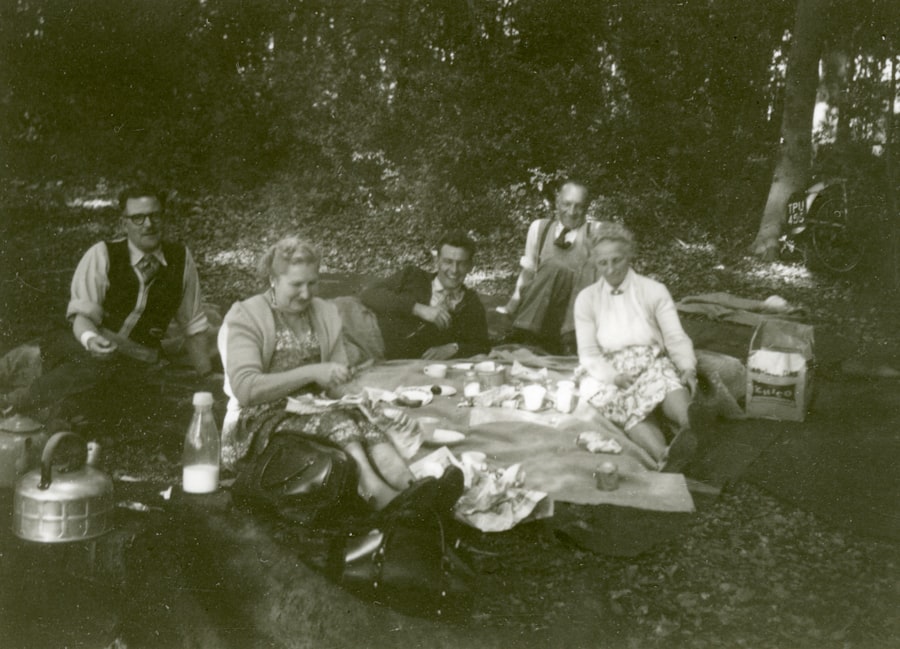
The 1920s were a period of intense introspection about what it meant to be modern and how individuals should navigate a world undergoing rapid transformation. This quest for meaning and identity in the face of change is a defining characteristic of the 2020s as well.
The Influence of “New Money” and Social Mobility
The 1920s saw the rise of new wealth and the blurring of traditional social hierarchies, leading to anxieties about status and belonging. Today, the concentration of wealth in certain sectors, the influence of tech billionaires, and the persistent challenges of social mobility continue to fuel discussions about economic inequality and its impact on social structures. The aspirational lifestyles portrayed in popular culture, the pursuit of social status, and the ongoing negotiation of individual identity within shifting socio-economic landscapes are all continuities. The desire to ascend socially and economically, and the anxieties that accompany this pursuit, remain potent forces.
The Exploration of the Psyche and Personal Well-being
The burgeoning field of psychology in the 1920s, with its growing interest in the human mind and individual well-being, foreshadows today’s widespread focus on mental health, self-improvement, and the pursuit of personal fulfillment. While the scientific understanding and societal approaches have evolved, the fundamental human drive to understand oneself and to cope with the stresses of life remains. The popularity of therapy, mindfulness practices, and self-help literature today can be seen as modern iterations of the 1920s’ nascent interest in the inner life and the quest for individual happiness and psychological resilience.
The Enduring Appeal of Escapism and Entertainment
The glitz and glamour of the Jazz Age, the allure of Hollywood, and the proliferation of new forms of entertainment were ways in which people sought to escape the pressures of their time. Today, with the ubiquitous availability of streaming services, video games, and a vast entertainment industry, escapism remains a significant aspect of modern life. The desire to find solace, distraction, and pleasure in a often-demanding world is a timeless human need, and the mechanisms for fulfilling it have simply become far more advanced and accessible than they were in the 1920s.
The question of whether the 1920s are still happening right now is intriguing, especially when we consider the cultural and social parallels that can be drawn between that era and today’s society. For a deeper exploration of this topic, you might find it interesting to read an article that discusses the similarities in trends, fashion, and economic conditions. This article provides insights into how history often repeats itself, making it relevant to our current times. You can check it out here.
Conclusion: A Tapestry of Echoes
| Year | Event |
|---|---|
| 1920s | The Roaring Twenties |
| 2020s | COVID-19 pandemic |
| 1920s | Prohibition |
| 2020s | Climate change awareness |
In conclusion, while the specific cultural artifacts and technological gadgets of the 1920s have largely receded into history, the underlying social, economic, and political currents of that era continue to exert a discernible influence on the 2020s. The economic volatilities, the ongoing transformations in gender roles, the burgeoning power of mass media, the persistent issues of political polarization and immigration, and the fundamental human quest for identity and meaning all exhibit striking parallels to the challenges and opportunities faced a century ago. The Roaring Twenties, therefore, is not merely a historical period to be studied but a lens through which to understand many of the enduring dynamics that shape contemporary society. The lessons, both positive and negative, of that transformative decade offer valuable insights into the present, reminding us that many of the forces driving human behavior and societal change are remarkably persistent, adapting and evolving but never entirely disappearing. The echoes of the 1920s are not fading; they are interwoven into the very fabric of the 2020s.
FAQs
1. What are some key characteristics of the 1920s that are still relevant today?
The 1920s was a time of significant social, cultural, and economic change, marked by the rise of consumer culture, technological advancements, and changing social norms. Many of these characteristics are still relevant today, such as the emphasis on consumerism, the impact of new technologies, and shifts in societal attitudes.
2. How did the 1920s influence modern fashion and popular culture?
The 1920s had a profound impact on modern fashion and popular culture, with the emergence of iconic styles such as flapper dresses, bobbed haircuts, and jazz music. These influences can still be seen in contemporary fashion trends and music genres.
3. What economic parallels can be drawn between the 1920s and the present day?
The 1920s was a period of economic prosperity and rapid industrial growth, similar to the economic conditions in many parts of the world today. Both eras saw significant advancements in technology and increased consumer spending, as well as concerns about income inequality and financial speculation.
4. How did the 1920s impact women’s rights and gender roles, and how does this relate to current discussions on gender equality?
The 1920s saw a significant shift in women’s rights and gender roles, with the passage of the 19th Amendment in the United States granting women the right to vote and the emergence of the “new woman” challenging traditional gender norms. These developments continue to influence discussions on gender equality and women’s rights today.
5. In what ways does the cultural legacy of the 1920s continue to shape contemporary society?
The cultural legacy of the 1920s continues to shape contemporary society in various ways, from the enduring popularity of jazz music and art deco design to ongoing debates about prohibition and the impact of the Roaring Twenties on modern attitudes towards leisure and entertainment.