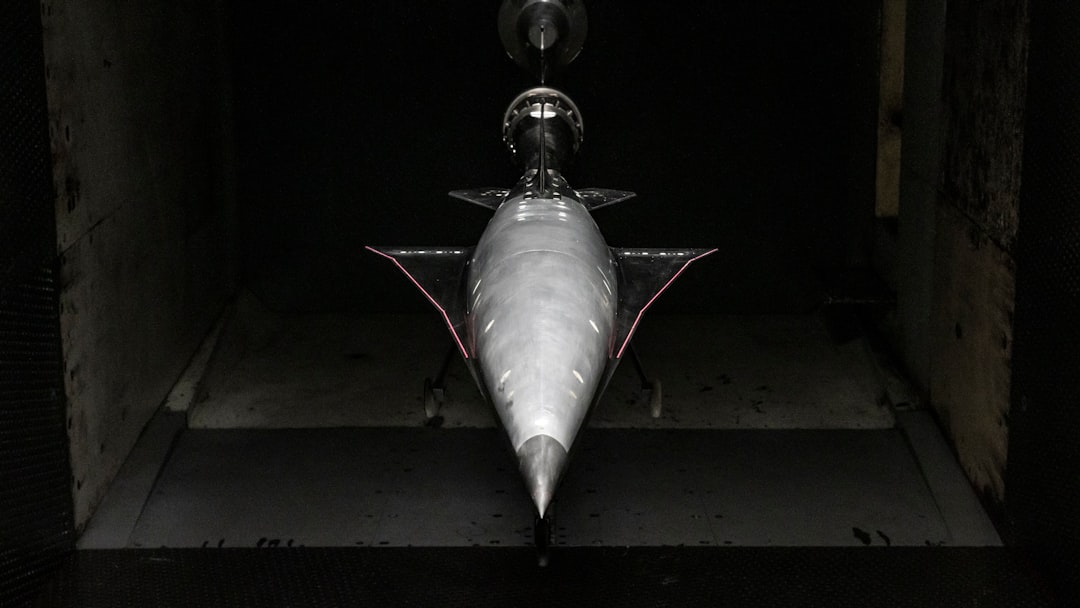
The Athena Missile represents a significant advancement in modern defense technology, designed to enhance a nation’s ability to intercept and neutralize aerial threats. Developed with cutting-edge engineering and innovative technology, the missile is tailored for precision targeting and rapid response. Its introduction into military arsenals marks a pivotal moment in the ongoing evolution of defense systems, reflecting the increasing complexity of aerial warfare and the necessity for robust countermeasures against evolving threats.
As global tensions rise and the nature of warfare continues to transform, the Athena Missile stands out as a beacon of hope for military strategists and defense planners. Its capabilities not only promise to bolster national security but also serve as a deterrent against potential aggressors. The missile’s design incorporates advanced guidance systems and propulsion technologies, ensuring that it can effectively engage a variety of targets, from drones to ballistic missiles.
This article delves into the intricacies of the Athena Missile, exploring its development, testing, and implications for future defense strategies.
Key Takeaways
- The Athena Missile is a cutting-edge defense system designed for target interception.
- The recent Target Intercept Test showcased the precision and effectiveness of the Athena Missile in real-world scenarios.
- The development of the Athena Missile has equipped it with advanced capabilities, making it a formidable asset in defense systems.
- Successful target interception by the Athena Missile is crucial for safeguarding against potential threats and ensuring national security.
- The Athena Missile’s impact on defense systems sets it apart from other missiles, making it a valuable addition to military arsenals.
Overview of the Target Intercept Test
The Target Intercept Test of the Athena Missile was a critical milestone in its development, showcasing its operational capabilities in a controlled environment. During this test, the missile was launched against a simulated threat, allowing engineers and military personnel to assess its performance in real-time. The successful interception of the target not only validated the missile’s design but also provided invaluable data for further refinement and enhancement.
This test was meticulously planned, involving a series of simulations and preparatory exercises to ensure that all systems functioned as intended. The results were closely monitored by a team of experts who analyzed every aspect of the missile’s flight path, guidance accuracy, and overall effectiveness. The successful outcome of the Target Intercept Test underscored the potential of the Athena Missile to operate effectively in high-stakes scenarios, reinforcing confidence in its deployment within active defense systems.
Development and Capabilities of the Athena Missile

The development of the Athena Missile was a multi-faceted endeavor that brought together some of the brightest minds in aerospace engineering and defense technology. From its inception, the project aimed to create a missile that could adapt to various combat environments while maintaining high levels of accuracy and reliability. The integration of advanced materials and state-of-the-art guidance systems has resulted in a missile that is not only effective but also resilient against countermeasures.
One of the standout features of the Athena Missile is its sophisticated targeting system, which utilizes a combination of radar and infrared technologies to track and engage targets with remarkable precision. This capability allows it to operate effectively in diverse conditions, whether in urban settings or open battlefields. Additionally, the missile’s propulsion system has been engineered for rapid acceleration and maneuverability, enabling it to respond swiftly to emerging threats.
As a result, the Athena Missile is poised to play a crucial role in modern defense strategies.
Importance of Successful Target Interception
| Metrics | Importance |
|---|---|
| Reduction in Threat | High |
| Prevention of Damage | Critical |
| Protection of Assets | Essential |
| Minimization of Risk | Significant |
Successful target interception is paramount in military operations, as it directly correlates with a nation’s ability to protect its assets and maintain air superiority. The ability to neutralize threats before they can cause harm is essential for safeguarding civilian populations and critical infrastructure. The Athena Missile’s successful intercept capabilities enhance this protective umbrella, providing military forces with a reliable tool for countering aerial threats.
Moreover, successful interceptions serve as a psychological deterrent against potential aggressors.
This deterrence factor is crucial in maintaining stability in volatile regions and can prevent conflicts from escalating into full-scale wars.
The Athena Missile’s proven track record in target interception reinforces its strategic importance within national defense frameworks.
Impact of the Athena Missile on Defense Systems
The introduction of the Athena Missile into existing defense systems has far-reaching implications for military strategy and operational effectiveness. By integrating this advanced missile into air defense networks, military forces can enhance their overall situational awareness and response capabilities. The Athena Missile complements other defense assets, creating a multi-layered approach to threat mitigation that is essential in today’s complex security landscape.
Furthermore, the Athena Missile’s capabilities can lead to significant cost savings over time. By effectively neutralizing threats before they reach their targets, military forces can reduce potential damage and loss of life, ultimately lowering the financial burden associated with conflict. This economic aspect adds another layer of value to the missile’s deployment, making it an attractive option for nations looking to bolster their defense without incurring exorbitant costs.
Comparison of the Athena Missile with Other Missiles
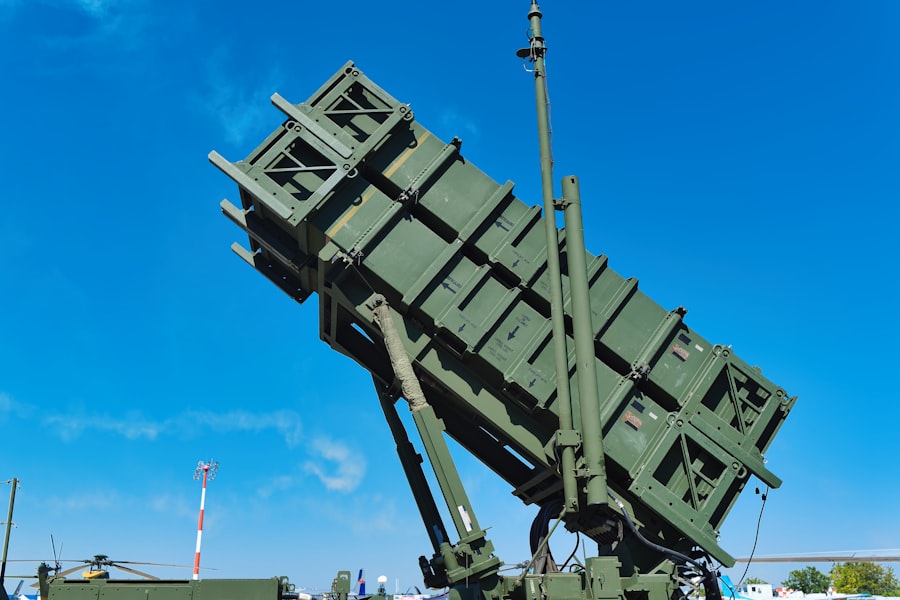
When comparing the Athena Missile with other missiles currently in use, several key differences emerge that highlight its unique advantages. Unlike many traditional missiles that rely solely on kinetic energy for interception, the Athena Missile employs advanced guidance systems that enhance its accuracy and effectiveness against fast-moving targets. This technological edge allows it to outperform many existing systems in terms of both speed and precision.
Additionally, while some missiles are designed for specific types of threats, the versatility of the Athena Missile enables it to engage a wide range of aerial targets. This adaptability makes it an invaluable asset in various combat scenarios, from intercepting drones to countering more sophisticated ballistic missiles. As military forces around the world seek to modernize their arsenals, the Athena Missile stands out as a formidable option that combines innovation with proven effectiveness.
Future Applications and Potential Upgrades for the Athena Missile
Looking ahead, there are numerous potential applications for the Athena Missile that could further enhance its capabilities and effectiveness on the battlefield. As technology continues to evolve, opportunities for upgrades may include improved guidance systems that leverage artificial intelligence and machine learning algorithms. These advancements could enable even greater accuracy and responsiveness in dynamic combat environments.
Moreover, future iterations of the Athena Missile may incorporate enhanced propulsion technologies that allow for longer ranges and faster speeds. Such upgrades would expand its operational envelope, enabling military forces to engage threats from greater distances while minimizing exposure to enemy fire. As defense needs evolve, ongoing research and development will be crucial in ensuring that the Athena Missile remains at the forefront of aerial defense technology.
Collaboration and Partnerships in the Development of the Athena Missile
The successful development of the Athena Missile has been made possible through extensive collaboration between various stakeholders in the defense industry. Partnerships between government agencies, private defense contractors, and academic institutions have fostered an environment conducive to innovation and technological advancement. This collaborative approach has allowed for the pooling of resources and expertise, resulting in a more robust final product.
Furthermore, international partnerships have played a significant role in shaping the development process. By sharing knowledge and best practices with allied nations, developers have been able to incorporate diverse perspectives into the design and functionality of the missile.
Challenges and Obstacles in the Testing and Deployment of the Athena Missile
Despite its promising capabilities, the development and deployment of the Athena Missile have not been without challenges. One significant obstacle has been ensuring that all components work seamlessly together under various operational conditions. Rigorous testing protocols are essential to identify any potential weaknesses or failures before full-scale deployment can occur.
Additionally, budgetary constraints often pose challenges during development phases. Securing funding for advanced military projects can be difficult amid competing priorities within government budgets. As such, project managers must navigate these financial hurdles while maintaining progress on development timelines.
Addressing these challenges is crucial for ensuring that the Athena Missile can be deployed effectively when needed.
Public Reaction and Response to the Successful Intercept
The successful intercept test of the Athena Missile elicited a range of reactions from both military officials and the public at large. For military leaders, it represented a significant achievement that validated years of research and development efforts. The successful demonstration bolstered confidence in national defense capabilities and reassured stakeholders about future security measures.
Public response varied widely; while many expressed pride in their nation’s technological advancements, others raised concerns about escalating arms races and potential conflicts arising from increased military capabilities. This dichotomy highlights the complex relationship between technological progress in defense systems and public perception regarding national security strategies. Engaging with communities about these developments is essential for fostering understanding and addressing concerns about military advancements.
Conclusion and Implications of the Athena Missile’s Success
In conclusion, the success of the Athena Missile represents a transformative moment in modern defense technology with far-reaching implications for national security strategies worldwide. Its advanced capabilities not only enhance interception effectiveness but also serve as a deterrent against potential threats. As nations continue to navigate an increasingly complex security landscape, innovations like the Athena Missile will play an essential role in shaping future military operations.
The ongoing development and refinement of such technologies will be crucial as military forces adapt to new challenges posed by evolving aerial threats. By investing in advanced systems like the Athena Missile, nations can ensure they remain prepared for any eventuality while safeguarding their interests on both domestic and international fronts. Ultimately, this missile stands as a testament to human ingenuity in addressing contemporary security challenges through innovation and collaboration.
In recent developments surrounding the Athena missile, there have been significant advancements and discussions in the field of missile technology. For those interested in exploring more about the scientific principles and technological innovations that underpin such advancements, a related article on Freaky Science delves into the intricacies of missile guidance systems and propulsion technologies. This article provides a comprehensive overview of the current state of missile technology and its future prospects. You can read more about these fascinating insights by visiting the article on Freaky Science.
WATCH THIS! They Crashed a US Missile Into the Zone of Silence
FAQs
What is the Athena missile?
The Athena missile was a family of solid-fuel rocket motors and space launch vehicles developed by Lockheed Martin.
What happened to the Athena missile?
Lockheed Martin announced the retirement of the Athena family of vehicles in 2001. The decision was made due to changes in the commercial space launch market and the company’s focus on other launch vehicle programs.
Why was the Athena missile retired?
The retirement of the Athena missile was primarily due to changes in the commercial space launch market, as well as Lockheed Martin’s strategic decision to focus on other launch vehicle programs.
What were the capabilities of the Athena missile?
The Athena missile family was designed to provide reliable and cost-effective access to space for small and medium-sized payloads. It had the capability to launch payloads into low Earth orbit and geostationary transfer orbit.
Are there any plans to revive the Athena missile program?
As of now, there are no plans to revive the Athena missile program. Lockheed Martin has shifted its focus to other launch vehicle programs and technologies.