
The celestial body that has captivated humanity’s imagination for millennia is once again at the center of a complex geopolitical and strategic reawakening. Far from a romantic pursuit, the burgeoning “New Lunar Space Race” is a pragmatic, often competitive endeavor driven by a confluence of economic aspirations, scientific curiosity, and, most importantly, national security considerations. Unlike the Cold War-era race that was primarily a proxy competition between two superpowers, this new era is characterized by a multipolar landscape, involving established space agencies alongside a growing cadre of private entities and emerging national players. The Moon, once a distant dream, is rapidly transforming into a tangible frontier, holding the promise of resources, scientific advancement, and strategic positioning that will shape the coming decades of international relations.
The initial impetus for lunar exploration was rooted in the ideological struggle of the 20th century. The Apollo program, while a monumental feat of engineering and human courage, was intrinsically linked to the Soviet Union’s early successes in space. The “Space Race” was as much about demonstrating technological superiority and ideological legitimacy as it was about scientific discovery. The cessation of that era left the Moon largely untouched, save for robotic probes and fleeting orbital missions. However, the 21st century has witnessed a resurgence of interest, fueled by a potent combination of factors that differ significantly from those of the past.
A New Generation of Lunar Motivations
The renewed focus on the Moon is not simply a nostalgic echo of the past. Several distinct motivations are driving this contemporary exploration and potential exploitation:
Resource Potential and Economic Pragmatism
The prospect of lunar resources represents a significant departure from the Apollo era. While scientific sampling was a primary objective then, today, the focus shifts towards economic viability. Water ice, particularly at the lunar poles, is seen as a critical resource. Its potential uses are multifaceted: producing rocket propellant, providing life support for future inhabitants, and even contributing to a self-sustaining lunar outpost. Beyond water, there are tantalizing possibilities for Helium-3, a rare isotope on Earth but believed to be abundant on the Moon, which could serve as a fuel for fusion reactors, a technology that promises clean and virtually limitless energy. Other valuable minerals and elements, such as rare earth elements, are also being studied for their potential extraction. This economic dimension introduces a new layer of competition as nations and corporations assess the feasibility and profitability of lunar resource extraction, raising complex questions of ownership and access.
Scientific Advancement and Technological Benchmarking
While economic drivers are prominent, scientific inquiry remains a powerful motivator. The Moon offers a pristine laboratory for studying the origins of the solar system, lunar geology, and the effects of space on materials and biological systems. Establishing long-term research facilities on the lunar surface could provide invaluable data for understanding Earth’s past and future, as well as for preparing for deeper space exploration. Furthermore, the Moon serves as a crucial stepping stone for more ambitious missions, acting as a proving ground for technologies that will be essential for journeying to Mars and beyond. The development and deployment of advanced robotics, life support systems, and deep-space communication technologies are all being tested and refined through lunar initiatives.
Strategic Positioning and National Prestige
The Moon is not merely a scientific or economic prize; it also holds significant strategic implications. Controlling or having a dominant presence in lunar orbit or on the surface could offer advantages in terms of communication, surveillance, and logistical support for missions further afield. Establishing lunar bases could also serve as platforms for projecting national power and influence, mirroring historical patterns of territorial claims and strategic outposts on Earth. The symbolic value of a lunar presence cannot be overstated, contributing to national prestige and bolstering domestic technological capabilities, which can translate into broader geopolitical influence.
The ongoing lunar space race has significant implications for global geopolitics, as nations vie for dominance in extraterrestrial exploration and resource utilization. A related article that delves into the complexities of this competition is available at Freaky Science, where it discusses the strategic interests of various countries and the potential for international collaboration or conflict in the race to establish a sustainable human presence on the Moon.
The Emerging Players and Their Agendas
The New Lunar Space Race is not a bilateral affair. A complex web of state actors, private enterprises, and international collaborations is shaping the trajectory of lunar exploration and utilization. This multipolar dynamic introduces a degree of unpredictability and necessitates careful diplomatic navigation.
Governmental Powers Navigating the Lunar Frontier
Several nations have articulated clear lunar ambitions, each with their unique strategic and economic objectives. These government-led programs often serve as the foundational pillars upon which private sector involvement is built.
The United States: Artemis and the Pursuit of Leadership
The United States, through its Artemis program, has explicitly stated its goal of returning humans to the Moon and establishing a sustainable presence. This initiative, while presented as a multi-national endeavor, is undeniably driven by a desire to reassert American leadership in space exploration. The Artemis Accords, a set of principles designed to guide peaceful and sustainable lunar activity, underscore this ambition. The program’s reliance on both government agencies like NASA and private aerospace contractors highlights the evolving relationship between public and private entities in space endeavors. The long-term vision includes a lunar gateway, a staging post orbiting the Moon, and eventually, bases on the lunar surface.
China’s Ascendancy and Ambitious Lunar Roadmap
China has emerged as a formidable contender in the lunar arena, demonstrating a consistent and ambitious roadmap with its Chang’e program. This program has achieved significant milestones, including robotic landings, sample return missions, and the deployment of lunar rovers. China’s stated objectives often include scientific discovery, resource assessment, and the potential establishment of a long-term research station. Simultaneously, its rapid advancements in space technology and its increasing reliance on space assets for economic and national security purposes suggest a broader strategic intent behind its lunar endeavors. The partnership with Russia to establish an International Lunar Research Station (ILRS) signals a desire to create an alternative framework for lunar collaboration, potentially challenging existing Western-led initiatives.
Russia’s Legacy and Evolving Partnerships
While Russia’s space program faces budgetary and technological challenges compared to its Soviet-era heyday, it remains a significant player with historical expertise in lunar missions. Its participation in the ILRS with China underscores a strategic recalibration, seeking to leverage its capabilities in areas like crewed missions and orbital mechanics within a new alliance. Russia’s intentions are often framed around scientific collaboration and the development of a multipolar space order, but the geopolitical implications of its partnerships are carefully observed by other spacefaring nations.
India’s Growing Capabilities and Lunar Aspirations
India’s Chandrayaan program has demonstrated its growing competence in lunar exploration, with successful orbiters and landed missions. While its immediate focus may be on scientific data collection and technological development, India’s ambitious space program suggests a long-term vision that could include greater lunar involvement. Its commitment to self-reliance and its increasing geopolitical influence position it as a key player in the evolving lunar landscape, potentially contributing to or competing within various international frameworks.
Other Nations’ Emerging Interests
Beyond these major players, a growing number of nations are expressing interest in lunar exploration, often through participation in larger international programs or by developing niche capabilities. Countries like Japan, the European Space Agency (ESA) members, and Israel are actively engaged in lunar science and technology development, contributing to the overall expansion of lunar activity. This broader engagement signifies a diversification of interests and potential future collaborations or rivalries.
The Rise of Private Sector Innovators
The New Lunar Space Race is also defined by the unprecedented involvement of private commercial entities. Companies are no longer merely contractors for government agencies; they are becoming primary actors with their own ambitious lunar goals.
Commercial Lunar Payload Services (CLPS) and Beyond
NASA’s Commercial Lunar Payload Services (CLPS) initiative represents a paradigm shift, outsourcing the delivery of scientific payloads to the Moon to private companies. This model fosters innovation and reduces costs for government agencies, while providing a vital market for these nascent space businesses. Companies like Intuitive Machines, Astrobotic, and Firefly Aerospace are at the forefront of this endeavor, developing landers and rovers capable of delivering payloads to the lunar surface.
Resource Extraction and Lunar Economy Development
Beyond payload delivery, private companies are increasingly eyeing the direct exploitation of lunar resources. Companies are exploring the economic feasibility of water ice extraction, Helium-3 harvesting, and even lunar manufacturing. These ventures, while currently speculative, have the potential to revolutionize the economics of space exploration and create entirely new industries. The success of these private ventures hinges on technological breakthroughs, favorable regulatory environments, and the ability to secure significant investment.
The Interplay of Competition and Cooperation
The relationship between government agencies and private companies is complex and dynamic. While CLPS fosters a competitive environment among payload providers, it also encourages cooperation as companies develop the necessary infrastructure and expertise. Furthermore, successful private enterprises can become crucial partners for government-led ambitions, providing transportation, logistical support, and specialized technologies that might be too expensive or time-consuming for public agencies to develop independently.
Strategic Implications and the Future of Lunar Geopolitics
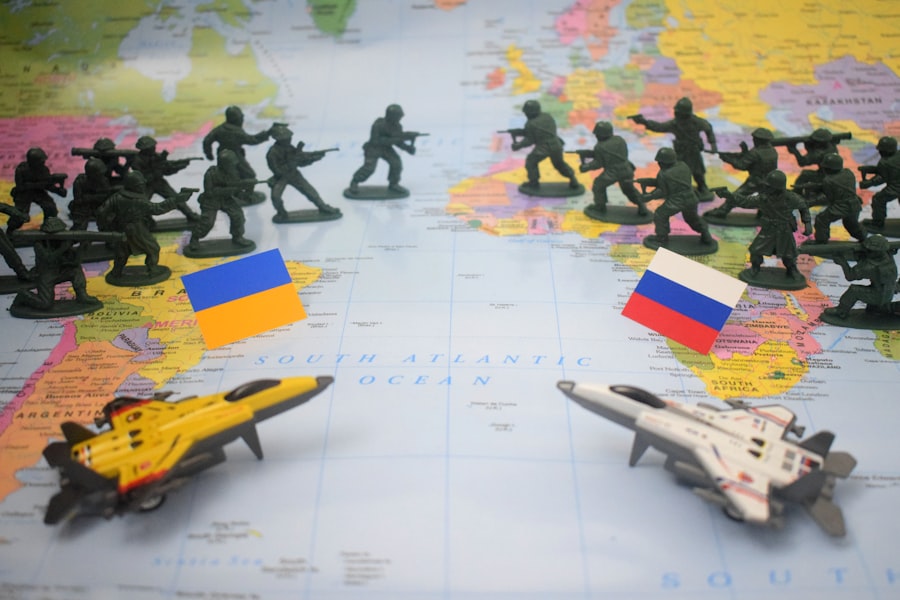
The New Lunar Space Race is not merely about planting flags; it is about establishing strategic footholds, controlling access to vital resources, and shaping the future governance of cis-lunar space and beyond. The implications for global geopolitics are profound and far-reaching.
The Weaponization of Space and Lunar Dominance
The specter of the weaponization of space, a concern from the Cold War, remains relevant in the context of the New Lunar Space Race. While no nation has explicitly stated intentions to deploy weapons on the Moon, the development of advanced capabilities for surveillance, communication disruption, and potential offensive or defensive operations in lunar orbit or on the surface cannot be discounted. Gaining a dominant position in cislunar space, the region between Earth and the Moon, could offer significant strategic advantages, including enhanced reconnaissance capabilities and potential control over the transit routes to the Moon and beyond.
The Strategic Value of Lunar Bases
The establishment of permanent or semi-permanent lunar bases is a key objective for several nations. These bases could serve multiple strategic purposes. They could act as nodes for communication and surveillance, extending observation capabilities deep into space. They could also serve as logistical hubs for deep space missions, reducing the reliance on Earth-based launch infrastructure and shortening transit times. Furthermore, a terrestrial power with a sustained presence on the Moon could project soft power and influence, demonstrating its technological prowess and commitment to space exploration.
The Interdependence of Lunar and Earth-Bound Security
The security of Earth and the security of lunar operations are increasingly intertwined. The development of space-based technologies for resource extraction or scientific research on the Moon could have dual-use applications, potentially enhancing a nation’s military capabilities on Earth. Conversely, any conflict or instability on Earth could have cascading effects on lunar missions and vice versa. This interdependence necessitates a careful consideration of the long-term security implications of lunar activity.
As nations around the world ramp up their efforts in the new lunar space race, the implications for geopolitics are becoming increasingly significant. The competition for resources on the Moon, particularly in terms of rare minerals and potential energy sources, is reshaping alliances and rivalries among countries. For a deeper understanding of these dynamics, you can explore a related article that delves into the complexities of this emerging landscape. The article highlights how space exploration is not just a scientific endeavor but also a strategic one, influencing global power structures. To read more about this fascinating topic, visit this article.
The Governance of the Lunar Frontier: A Looming Challenge
As more actors engage with the Moon, the question of governance becomes increasingly pressing. Existing international legal frameworks, such as the Outer Space Treaty of 1967, provide a foundational understanding of space as the province of all humankind, prohibiting national appropriation. However, the treaty was drafted in a vastly different technological and geopolitical context and may not adequately address the complexities of resource extraction, commercial activity, and potential territorial claims.
The Outer Space Treaty and its Limitations
The Outer Space Treaty, with its core principle of non-appropriation and its commitment to the peaceful exploration of space, remains the cornerstone of international space law. However, its broad strokes offer limited guidance on the specific issues arising from the New Lunar Space Race, such as the ownership and management of lunar resources or the legal status of private commercial entities operating on the Moon. The absence of detailed regulations creates a potential for ambiguity and conflict.
The Artemis Accords and Alternative Frameworks
The Artemis Accords, proposed by the United States, represent an attempt to establish a set of guiding principles for lunar activities. While framed as a mechanism for international cooperation, they are also seen by some as a unilateral assertion of American influence and a potential precursor to a fragmented lunar governance landscape. The emphasis on transparency, interoperability, and the adherence to existing international law is intended to foster responsible behavior, but differing interpretations and the absence of universal endorsement raise questions about their long-term efficacy. China and Russia’s proposed International Lunar Research Station (ILRS) can be seen as an alternative framework, potentially creating competing norms and standards for lunar exploration and utilization.
The Need for Enhanced International Cooperation and Diplomacy
Addressing the governance challenges of the New Lunar Space Race will necessitate robust international cooperation and sophisticated diplomacy. Establishing clear, universally recognized guidelines for resource utilization, data sharing, and the responsible development of lunar infrastructure is crucial to prevent the region from becoming a theater of competition and conflict. Future international agreements will need to balance national interests with the overarching principle of space as a shared commons for the benefit of all humanity.
The Technological Race within the Race

The pursuit of lunar dominance is inextricably linked to a rapid advancement in space technology. The Moon serves as a critical proving ground for innovations that will not only enable lunar presence but also pave the way for more ambitious deep space endeavors.
Innovations Fueling Lunar Exploration
The New Lunar Space Race is driving breakthroughs in a wide array of technological fields, from propulsion and robotics to life support and materials science. These advancements are essential for making lunar missions more efficient, sustainable, and cost-effective.
Advanced Propulsion Systems and Space Transportation
The development of more efficient and powerful propulsion systems is paramount for lunar missions. This includes advancements in chemical rockets, electric propulsion, and potentially even nuclear thermal propulsion, which could significantly reduce transit times and payload costs. Reliable and cost-effective space transportation is the backbone of any sustained lunar presence, enabling the transport of astronauts, equipment, and resources.
Robotics and Autonomous Systems
Robotics and autonomous systems are playing an increasingly vital role in lunar exploration. These technologies enable the performance of complex tasks in hazardous environments, from geological surveys and resource prospecting to the construction and maintenance of lunar infrastructure. The development of advanced AI and machine learning capabilities will further enhance the autonomy and effectiveness of these robotic explorers.
Life Support and Habitation Technologies
For any long-term human presence on the Moon, developing robust and sustainable life support systems is critical. This includes technologies for water recycling, air purification, and food production in closed-loop environments. The design and construction of habitats that can withstand the harsh lunar environment, including its extreme temperatures, radiation, and micrometeoroid impacts, are also key areas of innovation.
In-Situ Resource Utilization (ISRU) and Lunar Manufacturing
The ability to utilize resources already present on the Moon, a concept known as In-Situ Resource Utilization (ISRU), is a game-changer for lunar sustainability. This includes the extraction of water ice for propellant and life support, and the use of lunar regolith for construction materials and 3D printing. Lunar
FAQs
What is the new lunar space race?
The new lunar space race refers to the competition among various countries and private companies to establish a presence on the moon. This includes plans for lunar exploration, resource extraction, and potential colonization.
Which countries are involved in the new lunar space race?
Several countries are actively involved in the new lunar space race, including the United States, China, Russia, India, and European countries. Additionally, private companies such as SpaceX and Blue Origin are also major players in this race.
What are the geopolitical implications of the new lunar space race?
The new lunar space race has significant geopolitical implications, as the country or entity that establishes a strong presence on the moon could gain strategic advantages in terms of resource access, scientific research, and potential military applications. This could also impact international alliances and power dynamics.
What are the key objectives of the new lunar space race?
The key objectives of the new lunar space race include conducting scientific research, exploring potential resources such as water ice, establishing a sustainable human presence on the moon, and potentially using the moon as a launchpad for further space exploration, such as missions to Mars.
How is international cooperation and competition shaping the new lunar space race?
International cooperation and competition are both shaping the new lunar space race. While there are collaborative efforts among countries and private companies, there is also intense competition to be the first to achieve certain milestones, such as landing humans on the moon or establishing a lunar base. This dynamic is influencing the overall trajectory of lunar exploration and development.