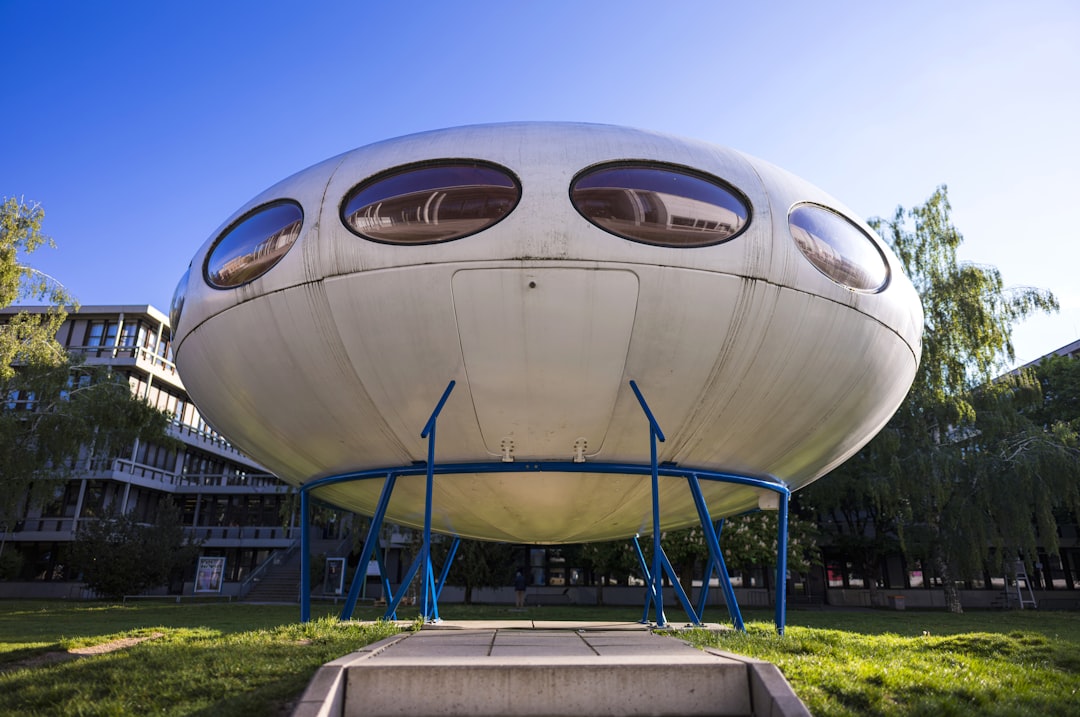
The dream of a permanent human presence on the Moon has transitioned from science fiction to a tangible objective. However, establishing and sustaining long-term lunar habitation presents a formidable array of scientific, engineering, and physiological challenges. These hurdles are not trivial and require meticulous planning, sustained innovation, and significant investment to overcome. From the harsh lunar environment to the psychological toll on inhabitants, every aspect necessitates careful consideration and robust solutions. The following delves into the multifaceted difficulties inherent in making the Moon a second home for humanity.
The Moon’s surface, while visually serene from afar, is a brutally hostile environment for human life. Decades of observation and several short-duration missions have revealed a host of factors that pose significant threats to sustained habitation. Understanding and mitigating these extreme conditions are paramount to ensuring the safety and survival of any long-term lunar base.
Radiation Exposure
One of the most significant environmental hazards is the pervasive lack of a substantial atmosphere or a global magnetic field. Unlike Earth, the Moon offers scant protection against the constant barrage of galactic cosmic rays (GCRs) and solar particle events (SPEs).
Galactic Cosmic Rays (GCRs)
GCRs are high-energy particles originating from outside our solar system, primarily from supernova remnants. They are highly penetrating and can damage cellular DNA, increasing the long-term risk of cancer and potentially leading to central nervous system damage, cardiovascular disease, and cataracts. Shielding against GCRs is a considerable challenge, as even thick layers of conventional materials are not entirely effective.
Solar Particle Events (SPEs)
SPEs are bursts of high-energy charged particles, primarily protons and heavy ions, ejected from the Sun during solar flares and coronal mass ejections. While less continuous than GCRs, SPEs can deliver doses of radiation that are acutely dangerous and even lethal to unprotected humans within hours. Predicting and providing timely warnings for SPEs is crucial, and shelters with substantial shielding are necessary for inhabitants to weather these events.
The challenge of long-term lunar habitation is a complex issue that encompasses various factors, including sustainable living conditions, resource management, and psychological well-being of astronauts. For a deeper understanding of these challenges, you can refer to a related article that discusses innovative solutions and technologies being developed to support human life on the Moon. This article can be found at Freaky Science, where it explores the future of lunar exploration and habitation.
Extreme Temperature Variations
The lunar day and night cycle is exceptionally long, with each lasting approximately 14 Earth days. This prolonged exposure to direct sunlight and extreme darkness leads to drastic temperature fluctuations.
Scorching Lunar Days
During the lunar day, temperatures on the sunlit surface can soar
FAQs
What is the challenge of long term lunar habitation?
The challenge of long term lunar habitation involves addressing issues such as radiation exposure, limited resources, psychological effects of isolation, and the development of sustainable infrastructure.
How does radiation exposure pose a challenge for long term lunar habitation?
The lack of atmosphere on the moon means that there is no protection from cosmic radiation and solar flares, which can pose a significant health risk to long term lunar inhabitants.
What are the limited resources that pose a challenge for long term lunar habitation?
The moon has limited water, oxygen, and other essential resources, which makes it difficult to sustain human life for extended periods without a reliable supply chain from Earth.
What are the psychological effects of isolation on long term lunar inhabitants?
Isolation and confinement in a small, enclosed environment for long periods of time can lead to psychological issues such as depression, anxiety, and decreased cognitive function.
How can sustainable infrastructure be developed to address the challenges of long term lunar habitation?
Developing sustainable infrastructure on the moon, such as water recycling systems, renewable energy sources, and advanced life support technologies, is crucial for addressing the challenges of long term lunar habitation.