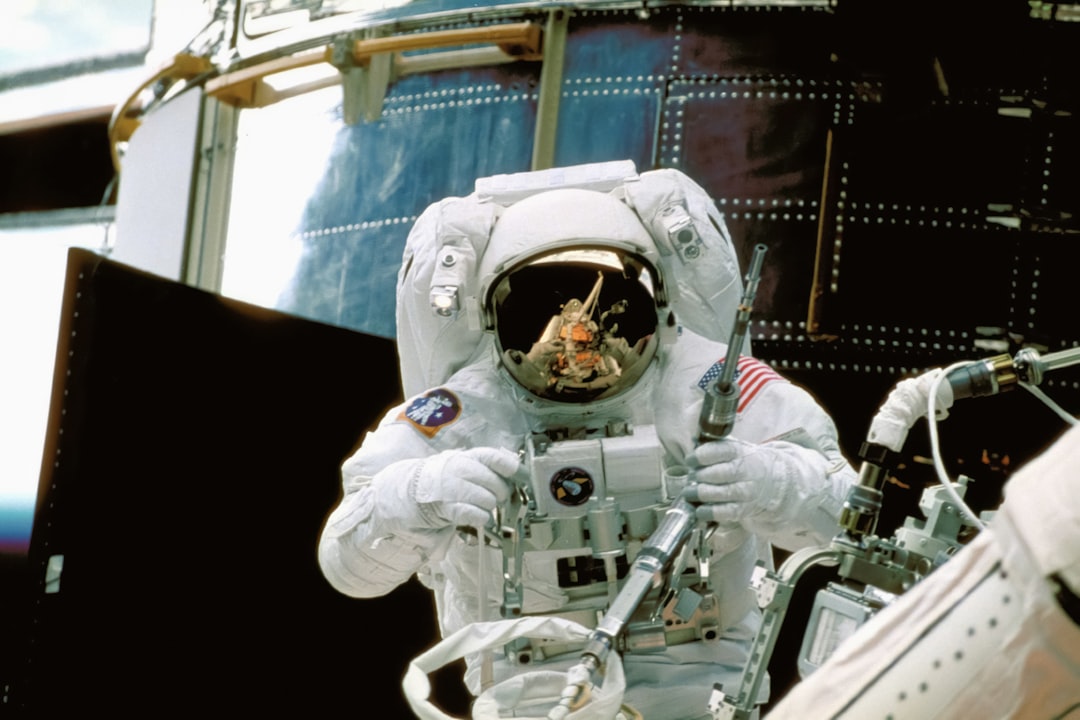
The 1960s, a decade defined by a fervent space race, saw humanity take its first tentative steps beyond the familiar embrace of Earth’s atmosphere. The grand pronouncements and gleaming rockets, however, masked a far more precarious undertaking. To venture into space during this era was to flirt with fundamental, often insurmountable, dangers, where the edge of human knowledge was also the precipice of disaster. The technological nascent, the biological unknowns, and the sheer unforgiving nature of the cosmos presented a formidable gauntlet that every aspiring astronaut had to face.
The Specter of Launch: A Fraught Beginning
The initial moments of any space mission in the 1960s were arguably the most perilous. The sheer brute force required to overcome Earth’s gravity was a testament to raw power, but also a breeding ground for catastrophic failure. Rockets, intricate and combustible machines, were far from the reliable behemoths commonly envisioned today. Their development was a hasty sprint against time, pushing the boundaries of metallurgy, combustion science, and control systems with limited prior experience.
Unreliable Propulsion Systems
The heart of a rocket – its engine – was a volatile beast. In the 1960s, rocket propellants were often highly energetic and unstable. The precise mixture of fuel and oxidizer was critical, and even minor inconsistencies could lead to uncontrolled combustion, explosive overloads, or complete engine failure. The Saturn V, while ultimately successful, was a product of iterative design and extensive testing, and even it was not immune to the potential for disaster during its development and early flights. Less sophisticated engines used in earlier Mercury and Gemini missions carried even higher risks due to their less refined engineering and limited thrust capabilities, making ascent a particularly tense and dangerous phase.
Incidents and Anomalies
Throughout the decade, a series of launch failures and near-misses underscored the inherent volatility of rocket technology. While spectacular disasters like the Apollo 1 fire, which tragically claimed the lives of three astronauts during a pre-launch test, were searing reminders of the risks, numerous other, less publicized incidents plagued development. Engine malfunctions, structural integrity issues, and guidance system errors were recurring problems that required constant vigilance and troubleshooting by engineers and test pilots. The margin for error was vanishingly small, and any deviation from the meticulously calculated parameters could have immediate and fatal consequences.
Structural Integrity During Ascent
The forces exerted on a spacecraft during liftoff are immense. The dynamic pressure, known as aerodynamic forces, can reach extreme levels as the rocket accelerates through the denser parts of the atmosphere. In the 1960s, materials science was still evolving, and the ability to construct spacecraft structures that could withstand these violent stresses was a significant challenge.
Stress and Vibration
The vibrations generated by the powerful engines were not only uncomfortable but also posed a threat to the structural integrity of the capsule. These vibrations could propagate through the spacecraft, potentially loosening critical components, cracking welds, or even causing catastrophic structural failure. Astronauts were therefore subjected to a barrage of physical jarring, an experience that was both physically taxing and psychologically unsettling, knowing that the very shell surrounding them was under immense duress.
Aerodynamic Heating
As the spacecraft pierced the atmosphere at supersonic speeds, friction generated intense heat. While heat shields were being developed, their effectiveness in the early days was not fully proven. The risk of the spacecraft’s outer layers overheating and disintegrating was a very real concern, especially during ascent when aerodynamic forces were at their peak. Loss of the heat shield, or even minor damage to it, could lead to a catastrophic failure as the spacecraft continued its journey.
The risk of space travel in the 1960s was a significant concern as astronauts faced numerous dangers, from equipment malfunctions to the harsh environment of space. An insightful article that delves into these challenges is available at this link: Freaky Science. This resource provides a comprehensive overview of the technological and human factors that contributed to the perilous nature of early space missions, highlighting the bravery of those who ventured into the unknown.
The Unforgiving Vacuum: Life in Orbit
Once the initial hurdle of launch was overcome, astronauts entered a new domain of danger: the vacuum of space. This seemingly empty void was, in reality, a hostile environment where survival depended on the flawless functioning of life support systems and the absolute integrity of the spacecraft.
The Fragility of Life Support
The systems responsible for providing breathable air, managing temperature, and removing waste were the astronaut’s lifeline. In the 1960s, these were complex and often experimental, relying on early iterations of technology that were prone to failure.
Oxygen Depletion and Contamination
The reliable supply of oxygen was paramount. Any malfunction in the oxygen supply system, whether due to a leak, a depleted tank, or a system malfunction, could lead to suffocation. Furthermore, the accumulation of carbon dioxide, a byproduct of respiration, was another critical threat. Inadequate ventilation or filtration systems could lead to a buildup of carbon dioxide, causing headaches, disorientation, and ultimately, death. The Apollo 1 fire tragically highlighted the dangers associated with the oxygen-rich atmosphere used in early spacecraft during ground testing.
Temperature Extremes
Outer space presents extreme temperature variations. Within direct sunlight, surfaces can become incredibly hot, while in shadow, temperatures plummet to frigid levels. The spacecraft’s environmental control system was tasked with maintaining a habitable temperature range within the capsule, a delicate balancing act. A failure in this system could lead to the astronauts either overheating or freezing, both scenarios being potentially fatal. The early designs for temperature regulation were rudimentary and relied on relatively simple mechanisms that were susceptible to malfunction.
The Threat of Micrometeoroids and Debris
While often depicted as pristine, space is not empty. Tiny particles of dust and rock, known as micrometeoroids, travel at incredible speeds. While individually small, their kinetic energy is immense, and a collision could puncture the spacecraft’s hull, leading to a catastrophic depressurization.
Hull Breaches and Depressurization
A breach in the spacecraft’s hull would result in an immediate loss of cabin pressure, sucking precious air out into the vacuum of space. The astronauts would have mere seconds to react, donning their pressure suits and attempting to seal the leak.
FAQs
1. What were the main risks associated with space travel in the 1960s?
The main risks associated with space travel in the 1960s included the potential for spacecraft malfunctions, exposure to cosmic radiation, and the psychological and physical effects of prolonged weightlessness.
2. How did astronauts mitigate the risks of space travel in the 1960s?
Astronauts mitigated the risks of space travel in the 1960s through rigorous training, the development of advanced spacecraft technology, and the implementation of safety protocols and emergency procedures.
3. What were the psychological challenges faced by astronauts during space travel in the 1960s?
Astronauts faced psychological challenges such as isolation, confinement, and the stress of performing complex tasks in a high-stakes environment during space travel in the 1960s.
4. What were the long-term health effects of space travel on astronauts in the 1960s?
Long-term health effects of space travel on astronauts in the 1960s included bone density loss, muscle atrophy, and potential increased risk of cancer due to exposure to cosmic radiation.
5. How did the risks of space travel in the 1960s impact the development of future space exploration missions?
The risks of space travel in the 1960s led to advancements in spacecraft technology, improved safety measures, and a better understanding of the physiological and psychological effects of space travel, which ultimately contributed to the development of future space exploration missions.