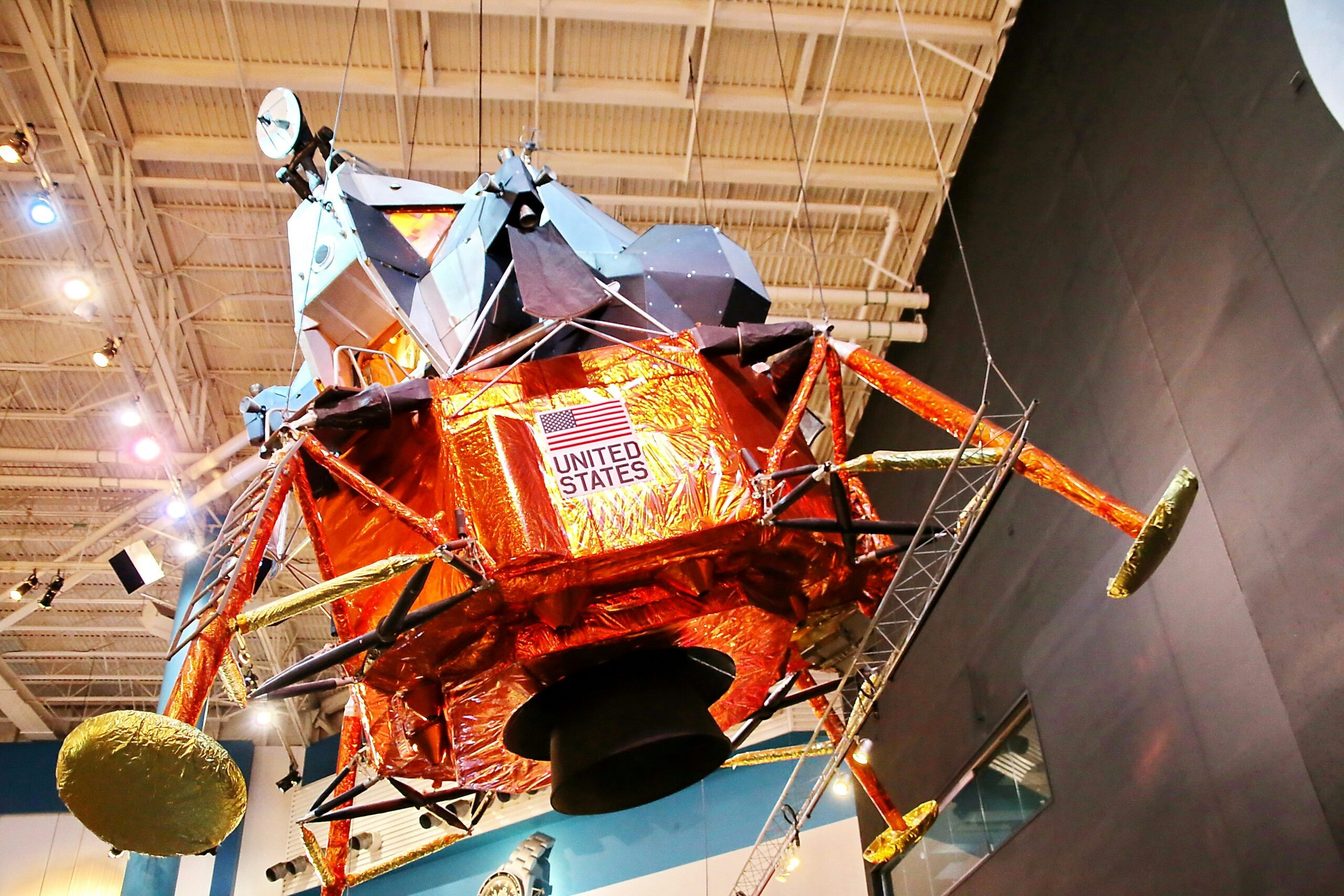
The real challenge of returning to the Moon is multifaceted, extending far beyond the simple act of landing a spacecraft and planting a flag. While the allure of lunar exploration remains strong, the practicalities of sustained presence and deep scientific inquiry present formidable hurdles. The era of Apollo, a triumph of Cold War-era ambition and engineering, established humanity’s ability to reach the Moon. However, achieving a sustainable, scientifically productive, and economically viable presence requires overcoming a new set of complexities that were either less pressing or entirely unaddressed during the initial lunar sprints.
The Apollo program, despite its monumental achievements, operated under specific geopolitical and technological constraints. The urgency of the space race provided a powerful, albeit finite, impetus. Funding, while substantial, was focused on achieving the immediate goal of lunar landings. This meant that many of the long-term considerations, such as establishing robust infrastructure, developing sustainable life support systems for extended missions, or fostering commercial lunar ventures, were nascent at best.
The Cost and Political Will
One of the most significant hurdles is the immense cost associated with lunar missions. The Apollo program, at its peak, consumed a significant portion of the US federal budget. Sustaining a continuous presence on the Moon, conducting complex scientific experiments, and potentially developing resource utilization capabilities requires sustained, multi-decade investment. This level of commitment is difficult to secure in an era of competing fiscal priorities and shifting political landscapes. The appetite for groundbreaking, expensive projects can wane, especially in the absence of immediate, tangible returns or clear national security imperatives.
Technological Inherited vs. Developed
While Apollo provided invaluable experience, the technologies of the 1960s and 70s are, in many respects, outdated for the demands of modern lunar exploration. Simply sending the same hardware back will achieve little beyond historical reenactment. The challenge lies in developing and integrating new technologies for everything from propulsion and life support to power generation and communication, all while ensuring reliability and safety for extended missions far from Earth. This necessitates significant investment in research and development, and a willingness to embrace innovation.
The Risk of Repeat Performance Without Progress
There is a palpable risk of returning to the Moon without a clear, compelling reason that justifies the investment and effort. If the return is merely symbolic, a rehashing of past glories without advancing scientific understanding or paving the way for future exploration, it risks being perceived as a missed opportunity and a drain on resources. The challenge is to articulate and pursue objectives that are genuinely transformative, pushing the boundaries of human knowledge and capability.
The challenges of returning to the moon are multifaceted, involving not only technological hurdles but also significant financial and logistical considerations. A related article that delves into these complexities can be found at Freaky Science, where it discusses the various obstacles that space agencies face in their efforts to establish a sustainable presence on the lunar surface. From developing reliable spacecraft to ensuring astronaut safety, the path back to the moon is fraught with difficulties that require innovative solutions and international collaboration.
The Realities of Sustained Lunar Presence
Moving from episodic visits to a permanent or semi-permanent presence on the Moon introduces a host of new challenges that were not primary concerns for Apollo. This involves creating an environment where humans can live and work for extended periods, not just survive brief excursions.
Life Support and Habitation
Long-duration missions demand highly reliable and efficient life support systems. This includes closed-loop systems that recycle air, water, and waste, minimizing the need for resupply from Earth, which is prohibitively expensive and logistically complex. Designing habitats that can withstand the harsh lunar environment – including extreme temperature variations, radiation, and micrometeoroid impacts – is crucial. Furthermore, the psychological well-being of astronauts in prolonged isolation needs careful consideration, requiring provisions for social interaction, recreation, and meaningful work.
Radiation Shielding
The Moon lacks a substantial atmosphere and a global magnetic field, leaving its surface exposed to harmful cosmic and solar radiation. Developing effective and lightweight radiation shielding for habitats and transit vehicles is a significant engineering challenge. This could involve utilizing lunar regolith, developing advanced composite materials, or even seeking out naturally shielded locations, such as lava tubes.
Power Generation
Consistent and reliable power is essential for all lunar operations, from life support systems to scientific instruments and communication. Solar power is a viable option, but the lunar night, which lasts for approximately 14 Earth days, necessitates robust energy storage solutions, such as advanced batteries or fuel cells. Nuclear power, while offering a more consistent energy source, brings its own set of safety and regulatory considerations.
The challenges of returning to the moon are multifaceted, involving not only technological hurdles but also significant financial and logistical considerations. As space agencies and private companies gear up for lunar missions, understanding the complexities of this endeavor becomes crucial. For a deeper insight into the real difficulties associated with lunar exploration, you can read a related article that explores these challenges in detail. This article highlights the various factors that contribute to the complexity of returning to the moon, making it a valuable resource for anyone interested in space exploration. You can find it here: related article.
Resource Utilization: The Key to Sustainability
The long-term viability of a lunar presence hinges on the effective utilization of in-situ resources. This concept, often referred to as ISRU (In-Situ Resource Utilization), dramatically reduces reliance on Earth-based resupply.
Water Ice as a Critical Resource
The discovery of water ice in shadowed craters at the lunar poles is a game-changer. This water can be used for drinking, for growing food, and crucially, can be electrolyzed to produce oxygen for breathing and hydrogen for propellant. Extracting and processing this ice, however, is a complex undertaking that requires specialized equipment capable of operating in extremely cold and dark environments.
Regolith for Construction and Manufacturing
Lunar regolith, the loose dust and rock on the Moon’s surface, can be utilized in various ways. It can serve as a building material for habitats and radiation shielding, or as a source of raw materials for 3D printing and manufacturing. Developing the technologies to process and manipulate regolith effectively is a significant engineering challenge.
Scientific Ambitions: Beyond Flag Planting

While the initial goals of Apollo were driven by exploration and national prestige, modern lunar missions aim for deeper scientific understanding. The Moon is a unique laboratory for studying the early Solar System, planetary formation, and the potential for life elsewhere.
Lunar Geology and Origins
The Moon’s surface is a testament to billions of years of geological history, largely preserved due to the absence of erosion. Studying lunar rocks and soil can provide invaluable insights into the processes that shaped not only the Moon but also the Earth and other rocky planets. This includes understanding the giant impact hypothesis for the Moon’s formation, the evolution of planetary crusts, and the history of volcanic activity.
Astronomy from a Unique Vantage Point
The Moon’s far side, permanently shielded from Earth’s radio interference, offers an unparalleled location for radio astronomy. Building telescopes on the far side could allow scientists to probe the “dark ages” of the universe, the period before the first stars and galaxies formed. The stable, vacuum environment also makes the Moon an ideal platform for optical telescopes, free from atmospheric distortion.
The Search for Extraterrestrial Life
While the Moon itself may not harbor life, it could hold clues to the origins of life on Earth. Studying lunar samples could reveal the effects of early solar wind and cosmic rays on organic molecules, providing insights into the conditions necessary for life to arise. Furthermore, the Moon could serve as an intermediate step in exploring more distant destinations that might harbor life.
Understanding Cosmic and Solar Radiation
The Moon’s surface is a direct window into the effects of space radiation on materials and biological systems. Long-term studies on the Moon can help us understand the long-term consequences of radiation exposure for human health during space missions, informing the development of countermeasures and technologies for future deep space exploration.
Establishing a Lunar Economy: The Commercial Imperative

Beyond scientific and exploratory goals, a key challenge is to establish a sustainable economic rationale for returning to the Moon. This involves identifying and developing commercial activities that can generate revenue and drive innovation.
Lunar Resources and Their Value
The potential economic value of lunar resources, such as Helium-3 (a potential fuel for future fusion reactors), rare earth elements, and even water ice for space propellant,
FAQs
What are the main challenges of returning to the moon?
The main challenges of returning to the moon include the high cost of space missions, the development of new technology, the health risks for astronauts, and the need for international cooperation.
Why is returning to the moon difficult?
Returning to the moon is difficult due to the technical and logistical challenges involved in space travel, the high cost of missions, the need for advanced technology, and the potential health risks for astronauts.
What are the potential benefits of returning to the moon?
Returning to the moon could lead to advancements in space exploration technology, the development of new resources, scientific discoveries, and potential opportunities for commercial space ventures.
How does international cooperation play a role in returning to the moon?
International cooperation is essential for returning to the moon as it allows for the sharing of resources, expertise, and funding, and promotes peaceful collaboration in space exploration efforts.
What are some of the proposed timelines for returning to the moon?
Various space agencies and private companies have proposed different timelines for returning to the moon, with some aiming for missions within the next decade, while others have longer-term plans for lunar exploration.