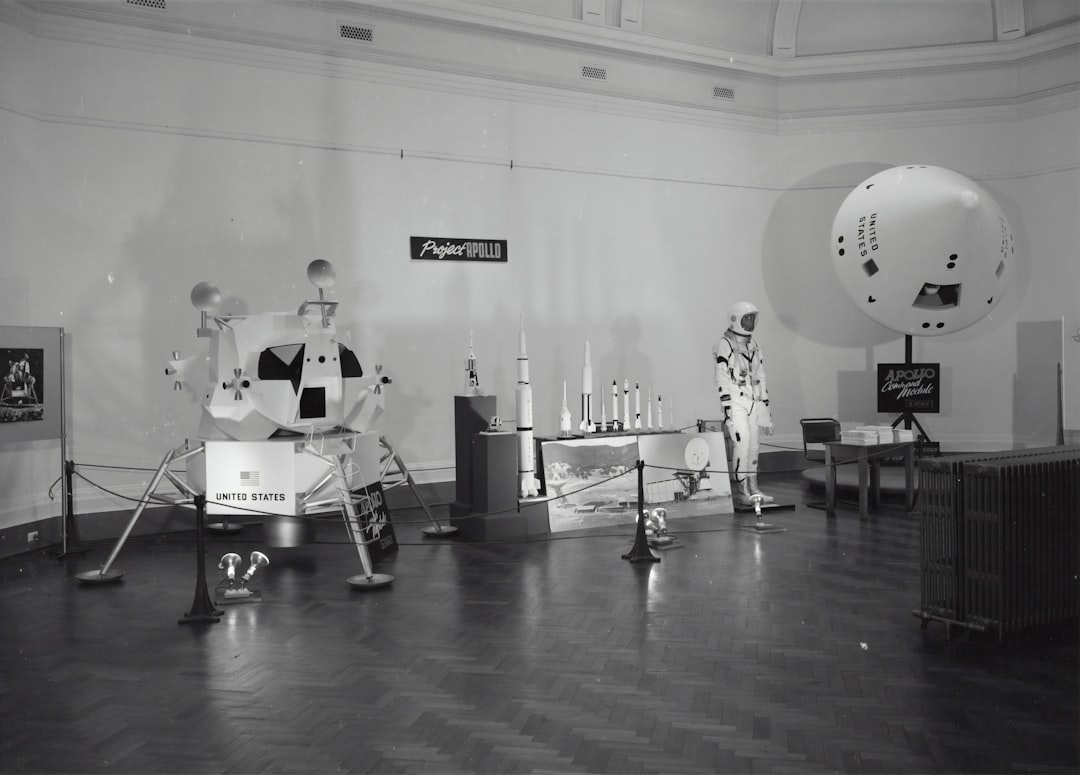
The Apollo 11 mission, a monumental achievement in human history, remains a subject of enduring fascination. Beyond the celebrated footprints on lunar dust and the iconic broadcast to millions, lie layers of technical complexity, unforeseen challenges, and persistent inquiries. This exploration delves into the factual bedrock and the lingering mysteries surrounding humanity’s first steps on another world.
Apollo 11 was not merely a journey; it was a meticulously orchestrated symphony of engineering, a testament to human ingenuity in an era of nascent space exploration. The Saturn V rocket, a colossal three-stage behemoth, was the launchpad for this ambitious endeavor, a marvel of rocketry designed to overcome Earth’s gravitational pull and propel astronauts towards the Moon. The spacecraft itself, a complex assembly of modules, was the culmination of years of design, testing, and refinement.
The Saturn V: A Tower of Power
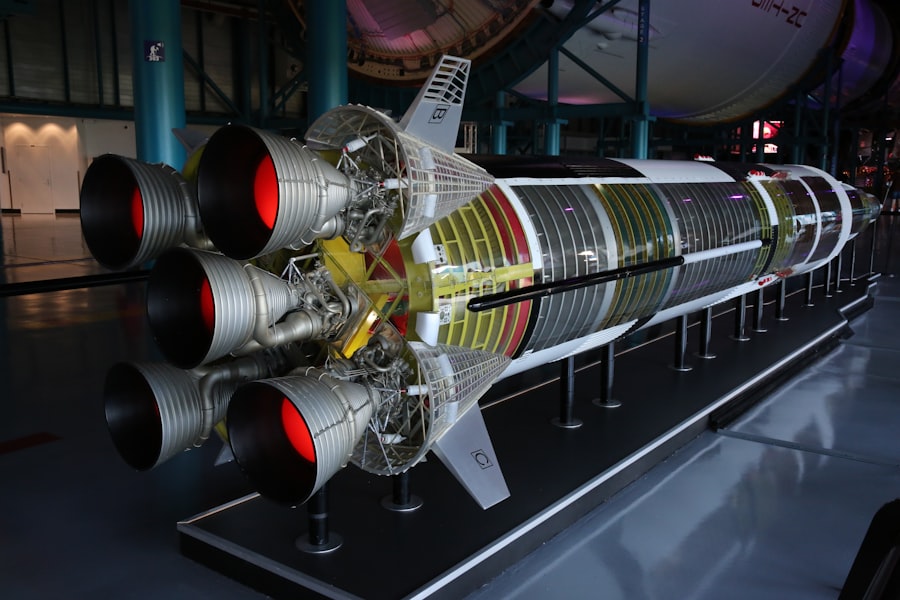
The sheer scale of the Saturn V rocket is difficult to comprehend. Standing taller than the Statue of Liberty, it generated an astonishing 7.6 million pounds of thrust at liftoff. Its five F-1 engines, each larger than a Volkswagen Beetle, consumed thousands of gallons of liquid oxygen and kerosene per second, their roar a visceral testament to the immense forces at play. The successful staging of the Saturn V, where spent lower stages were jettisoned and subsequently ignited, was a critical and complex series of events, each requiring precise timing and flawless operation. Failures at any stage could have rendered the mission’s objectives impossible.
The Command Module: Columbia’s Crucial Role
The Command Module (CM), named “Columbia,” served as the crew’s primary living and control center during the journey to and from the Moon. It was designed to withstand the harsh vacuum of space, the extreme temperature fluctuations, and the fiery re-entry into Earth’s atmosphere. Its sophisticated navigation and life support systems were paramount to the astronauts’ survival. The ability of Columbia to operate autonomously when necessary, particularly during the descent and ascent phases from the lunar surface, was a critical redundancy.
The Lunar Module: Eagle’s Tender Descent
The Lunar Module (LM), “Eagle,” was a specialized craft engineered solely for landing on and ascending from the Moon. Its lightweight, spindly design was optimized for low gravity and a vacuum environment. The descent engine, throttled to precision, was essential for a safe landing, the first instance of powered descent to another celestial body. The LM’s ascent engine, a single-shot device, had to reliably lift the astronauts back into lunar orbit to rendezvous with Columbia. The limited fuel reserves for both descent and ascent were a constant source of tension.
The Apollo 11 moon landing remains one of the most significant achievements in human history, yet it is surrounded by various facts and mysteries that continue to intrigue enthusiasts and researchers alike. For those interested in exploring more about the enigmatic aspects of this monumental event, a related article can be found at Freaky Science, which delves into lesser-known details and theories surrounding the mission.
The Journey: Navigating the Void
The transit to the Moon was as perilous as the landing itself. The astronauts, suspended in the cramped confines of Columbia, relied on sophisticated navigation to maintain their course through the vast emptiness of space. The sheer distance, the lack of external reference points, and the constant threat of equipment malfunction demanded unwavering focus and robust system design.
Trajectory and Navigation: Earth to Moon
The initial trajectory was a carefully calculated ballistic path, but mid-course corrections were essential to account for minute variations in propulsion or gravitational influences. The astronauts utilized onboard inertial guidance systems, supplemented by ground control’s tracking, to maintain their precise course. The concept of a “free return trajectory,” where a failure in the lunar orbit insertion burn would allow the spacecraft to swing around the Moon and return to Earth, was a critical safety feature incorporated into the mission planning.
The Apollo 11 moon landing remains one of the most significant achievements in human history, filled with fascinating facts and enduring mysteries. For those interested in exploring more about this monumental event, you can find intriguing insights and lesser-known details in a related article on the subject. Discover the complexities and enigmas surrounding the mission by visiting Freaky Science, where you can delve deeper into the legacy of Apollo 11 and its impact on space exploration.
Lunar Orbit Insertion: A Critical Burn
Arriving in lunar orbit was not a passive event. The spacecraft had to decelerate precisely an execute a powered burn to be captured by the Moon’s gravity. This maneuver required perfect timing and execution of the Service Module’s engine. A miscalculation of the burn duration or thrust could result in either flying too close to the Moon or overshooting it entirely, jeopardizing the entire mission. The visual confirmation of the lunar surface below during this phase was a profound moment for the crew.
Rendezvous and Docking: A Delicate Dance
After the lunar module’s ascent from the surface, a critical rendezvous and docking maneuver was required to rejoin the command module in lunar orbit. This was a complex ballet performed in zero gravity, relying on precise control of both spacecraft. The astronauts had to visually align the two vehicles and carefully maneuver them together, a process that demanded exceptional piloting skills and a deep understanding of orbital mechanics. The metallic clang of the docking mechanism engaging was a sound of relief for all involved.
The Landing: “The Eagle Has Landed”
The culmination of years of effort, the lunar landing was a moment etched into global consciousness. The descent was fraught with peril, demanding split-second decisions and the seamless interplay of man and machine. The famous pronouncement, “The Eagle has landed,” signaled the successful achievement of a long-held dream.
Descent and Guidance: A Textured Descent
The descent to the lunar surface was anything but smooth. Program alarms sounded in the LM, indicating the computer was overloaded. Neil Armstrong, piloting manually, had to contend with a boulder-strewn landing site, seeking a safer patch of terrain. The limited fuel that remained added to the intensity of the final moments. The rudimentary nature of the LM’s guidance system, reliant on humans interpreting data and making critical inputs, stands in stark contrast to the sophisticated autonomous systems of today.
Site Selection and Contingencies: Navigating the Unknown
The pre-selected landing sites were based on limited reconnaissance images, and the reality on the ground could be different. The ability of the astronauts to abort the landing or select an alternate site in real-time was crucial. The fuel situation was a constant unknown, and a hard landing or even a mission failure due to fuel depletion was a tangible risk. The astronaut training included simulations of numerous potential lunar landing scenarios, preparing them for the unexpected.
The First
FAQs

What is the significance of the Apollo 11 moon landing?
The Apollo 11 moon landing was a historic event as it marked the first time humans set foot on the moon. It was a major achievement for space exploration and a significant milestone in the space race between the United States and the Soviet Union.
How did the Apollo 11 mission land on the moon?
The Apollo 11 mission landed on the moon on July 20, 1969, using the Lunar Module named “Eagle.” Astronauts Neil Armstrong and Buzz Aldrin descended to the lunar surface while Michael Collins remained in orbit around the moon in the Command Module.
What were some key facts about the Apollo 11 moon landing?
Some key facts about the Apollo 11 moon landing include Neil Armstrong’s famous words “That’s one small step for man, one giant leap for mankind,” the planting of the American flag on the lunar surface, and the collection of moon rocks and soil samples.
What are some mysteries surrounding the Apollo 11 moon landing?
Some mysteries surrounding the Apollo 11 moon landing include conspiracy theories that suggest the moon landing was faked, questions about the authenticity of the moon rock samples, and speculation about unidentified objects or anomalies in the mission’s photographs and recordings.
What was the legacy of the Apollo 11 moon landing?
The legacy of the Apollo 11 moon landing includes inspiring future space exploration missions, advancing scientific knowledge about the moon and space, and demonstrating the capabilities of human spaceflight. The mission also had a lasting impact on technology, culture, and international cooperation in space exploration.