Unveiling Saturn V Rocket Engine Manufacturing Secrets
The Saturn V rocket, an iconic symbol of human ambition and technological prowess, remains a singular achievement in aerospace engineering. Its colossal engines, the F-1 and J-2, were not merely components but the very heart of the machine that propelled humanity to the Moon. The manufacturing processes behind these engines were extraordinarily complex, demanding unprecedented levels of precision, material science innovation, and industrial scale. Unpacking these secrets reveals a story of a nation facing a monumental challenge and the extraordinary measures it took to conquer it.
The F-1 engine, developed by Rocketdyne, was the most powerful liquid-propellant rocket engine ever flown. Its sheer thrust was essential for lifting the immense weight of the Saturn V and its payload off Earth. The development and production of the F-1 was a Herculean task, pushing the boundaries of existing manufacturing capabilities.
Propellant Combustion Chamber: The Crucible of Fire
The combustion chamber of the F-1 was a marvel of engineering, designed to withstand extreme temperatures and pressures. It was essentially a high-performance furnace, where kerosene and liquid oxygen were mixed and ignited to produce immense force.
Material Selection and Design
The materials used for the combustion chamber had to be exceptionally strong and resistant to thermal shock. Advanced alloys were developed and tested rigorously. The chamber’s intricate design, including complex cooling channels, was crucial for preventing catastrophic failure.
Cooling Systems: A Vital Necessity
The regenerative cooling system was a masterpiece of engineering. Propellant, before being injected into the chamber, circulated through channels within the chamber walls. This not only cooled the chamber but also preheated the propellant, improving combustion efficiency. The design and fabrication of these intricate cooling passages were a significant manufacturing challenge, requiring advanced welding and brazing techniques.
Tolerances and Weld Integrity
Achieving the necessary tolerances for the cooling channels and ensuring the integrity of thousands of individual welds was paramount. Any failure, even a microscopic leak, could have led to the disintegration of the engine. Inspection techniques, including non-destructive testing like X-ray and ultrasonic testing, were employed extensively to verify weld quality.
Injector Plate: Precision Fuel Delivery
The injector plate, a complex array of thousands of tiny orifices, was responsible for atomizing the propellants and mixing them in precise proportions for optimal combustion. The uniformity and accuracy of these orifices were critical.
Orifice Fabrication Challenges
Manufacturing thousands of identical, precisely sized holes in a durable material was a significant hurdle. Technologies like electrochemical machining (ECM) and electrical discharge machining (EDM) were employed to achieve the required precision. The consistency of these orifices directly impacted the stability and efficiency of the combustion process.
Flow Rate and Distribution Control
Each orifice had to deliver a specific flow rate and distribution of propellant to ensure a stable flame within the combustion chamber. Deviations could lead to combustion instabilities, known as “chugging” or “screaming,” which could destroy the engine. Rigorous testing and calibration of injector plates were a standard part of the manufacturing process.
The Saturn V rocket, renowned for its role in the Apollo missions, has long been a subject of fascination, particularly regarding the secrets behind its powerful engines. For those interested in delving deeper into the intricacies of rocket engine manufacturing and the engineering marvels that made the Apollo program possible, a related article can be found at Freaky Science. This resource offers insights into the technologies and innovations that contributed to the success of the Saturn V, shedding light on the complexities of aerospace engineering.
Turbopump Assembly: The High-Speed Heart
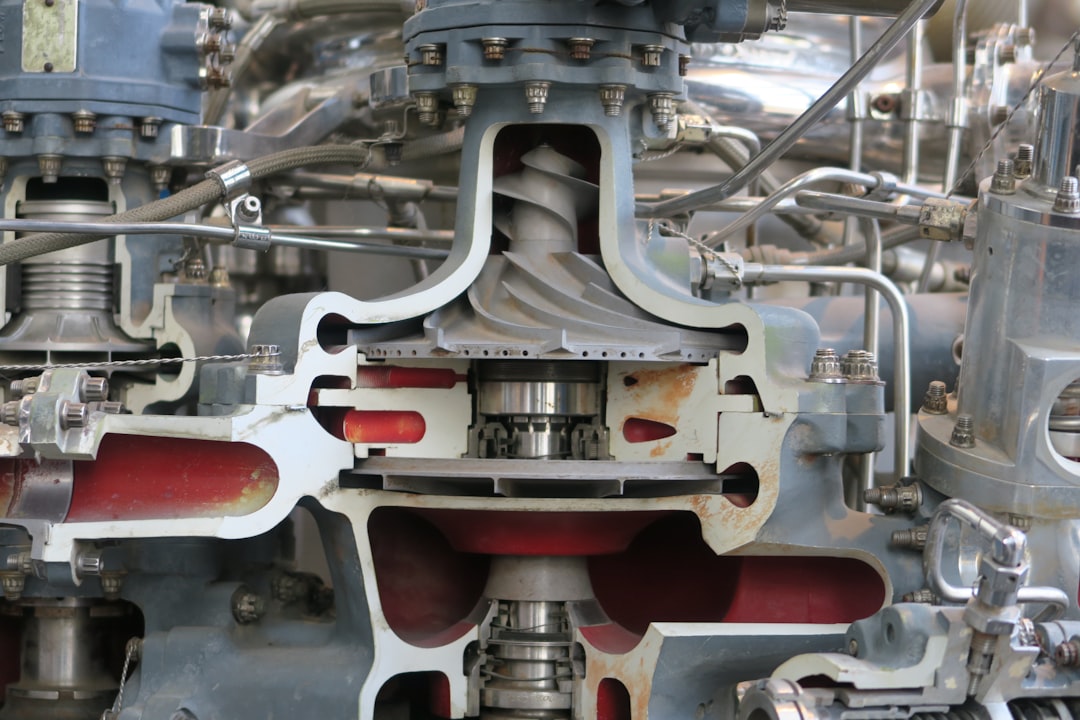
The turbopump assembly was responsible for delivering propellants to the combustion chamber at extremely high pressures and flow rates. This involved sophisticated turbines driven by hot gas generators and high-speed pumps.
Turbine Design and Material Stress
The turbines operated at incredibly high speeds and temperatures, requiring specialized alloys and precision machining. The blades of the turbine were subject to immense centrifugal forces and thermal stresses.
Metallurgical Advancements
The development of turbine blade alloys capable of withstanding these extreme conditions was a significant achievement. These alloys often involved nickel-based superalloys, carefully heat-treated to achieve optimal strength and creep resistance.
Manufacturing Precision for Rotating Components
The balancing of these high-speed rotating components was critical. Imbalances could lead to vibration and premature failure. Advanced machining techniques were used to achieve precise balance, and the entire assembly underwent rigorous spin testing.
Pump Impeller Fabrication
The impellers, the rotating components of the pumps, were designed for high-efficiency fluid transfer. Their complex shapes and the need for cavitation-resistant materials posed substantial manufacturing challenges.
Cavitation Resistance
Propellant flow at high speeds can lead to cavitation – the formation and collapse of vapor bubbles – which can erode pump components. The selection of materials and the precise surface finish of the impellers were crucial for mitigating cavitation damage.
Machining and Surface Treatment
Achieving the required aerodynamic and hydrodynamic profiles of the imp
FAQs
What are the manufacturing secrets of the Saturn V rocket engine?
The manufacturing secrets of the Saturn V rocket engine include precision machining, specialized welding techniques, and the use of advanced materials to withstand extreme temperatures and pressures.
What materials are used in the manufacturing of the Saturn V rocket engine?
The Saturn V rocket engine is manufactured using high-strength alloys, such as Inconel, to withstand the extreme temperatures and pressures experienced during launch and space travel.
What are some of the specialized welding techniques used in manufacturing the Saturn V rocket engine?
The manufacturing of the Saturn V rocket engine involves the use of techniques such as electron beam welding and friction stir welding to join the complex components with high precision and strength.
How is precision machining utilized in the manufacturing of the Saturn V rocket engine?
Precision machining is used to fabricate intricate components of the Saturn V rocket engine with tight tolerances, ensuring the reliability and performance of the engine during space missions.
What are some of the challenges in manufacturing the Saturn V rocket engine?
Some of the challenges in manufacturing the Saturn V rocket engine include the need for extreme precision, the use of advanced materials, and the complexity of assembling and testing the engine to meet the rigorous standards for space exploration.