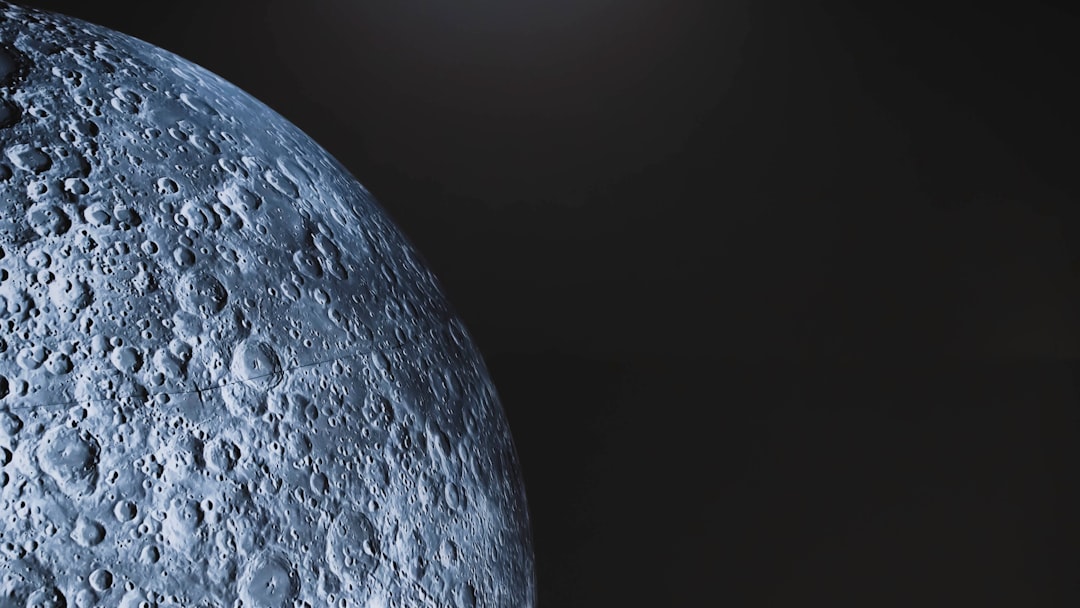
The fine, powdery dust of the Moon, known as regolith, presents a persistent and multifaceted challenge to the integrity and functionality of spacecraft and surface equipment. Its abrasive nature, electrostatic properties, and pervasive presence have been a constant source of concern for mission planners and engineers, leading to significant design considerations and operational limitations. The seemingly inert lunar surface is, in fact, a formidable environmental hazard that has repeatedly tested the resilience of human endeavors beyond Earth’s atmosphere.
Lunar regolith is not merely moon dirt; it is a product of billions of years of relentless bombardment by micrometeoroids and solar wind. This continuous cosmic assault has pulverized the lunar surface into a remarkably fine and uniformly distributed layer of particles.
Composition and Particle Morphology
The bulk of lunar regolith consists of silicate minerals, primarily plagioclase feldspar and pyroxenes, along with oxides of iron, titanium, and aluminum. However, it is the physical characteristics of these particles that make them so problematic. Lunar dust grains are typically angular and irregular in shape, lacking the rounded edges often found in terrestrial sands which are smoothed by wind and water erosion. This sharp, jagged morphology is a direct consequence of the impact-driven fracturing process. Furthermore, the regolith contains a significant proportion of glassy particles, formed from the molten material ejected during hypervelocity impacts. These glassy shards can be exceptionally sharp and brittle.
Particle Size Distribution and Electrostatic Properties
Lunar regolith exhibits a wide range of particle sizes, with a significant fraction falling into the microscopic realm. The finest particles, often referred to as “fines,” can be as small as a few micrometers or even nanometers in diameter. This extreme fineness allows the regolith to infiltrate even the most seemingly sealed components. Critically, in the vacuum of the Moon, lunar regolith particles develop strong electrostatic charges. This charging is primarily a result of photoemission – the ejection of electrons from the surface when it is exposed to solar ultraviolet radiation – and secondary electron emission caused by impacts from energetic particles in the solar wind. These electrostatic forces cause the regolith particles to adhere to surfaces, clump together, and even levitate in the lunar environment, making it notoriously difficult to remove once it has settled.
Absence of Fines Binding Agents
Unlike terrestrial soils which are bound together by water, organic matter, or ice, lunar regolith lacks any natural binding agents. This means that once disturbed, the fine particles can become easily suspended in the local environment. This can be exacerbated by the movement of spacecraft, astronauts, or even seismic activity, creating “dust storms” that can persist for extended periods and obscure visibility. The lack of atmospheric drag means these suspended particles travel unimpeded and can remain airborne for considerable durations.
Lunar regolith, the fine dust and rocky debris found on the Moon’s surface, poses significant challenges for space equipment, as highlighted in a related article. The abrasive nature of this regolith can wear down mechanical parts and damage sensitive instruments, leading to potential mission failures. For a deeper understanding of how lunar regolith impacts space exploration and the measures being taken to mitigate these effects, you can read more in this article: here.
Abrasion and Wear: The Grinding Effect of Regolith
The sharp, angular nature of lunar regolith particles makes them exceptionally abrasive. This abrasive quality leads to significant wear and tear on any moving parts or delicate surfaces they come into contact with.
Impact on Seals and Gaskets
Seals and gaskets, crucial for maintaining the integrity of pressurized cabins, scientific instruments, and mechanical systems, are particularly vulnerable to the abrasive action of lunar regolith. The fine particles can infiltrate minute gaps and imperfections in these components, gradually grinding away at the sealing surfaces. This can lead to leaks, compromising the internal environment of sensitive equipment and, in the case of crewed missions, posing a direct threat to astronaut safety. The constant friction from the dust particles erodes the material, reducing its ability to form a tight seal and leading to premature failure.
Degradation of Mechanical Components
Moving parts, such as gears, bearings, actuators, and connectors, are deeply affected by the abrasive nature of regolith. Imagine a continuous stream of microscopic sandpaper continuously rubbing against metal surfaces. This continuous grinding action leads to increased friction, wear, and eventual seizing or failure of mechanical systems. Components designed for long operational lifespans can experience drastically reduced service lives when exposed to the lunar environment. The fine particles can also lodge themselves in intricate mechanisms, preventing smooth operation or causing catastrophic failure.
Damage to Optical Surfaces
Lenses, mirrors, and sensor windows are critical for scientific observation and navigation. The abrasive nature of lunar regolith can scratch and pit these delicate optical surfaces, degrading their performance by scattering light and reducing clarity. Even microscopic scratches can significantly impair the ability of cameras and telescopes to gather accurate data. This degradation can render scientific instruments useless, compromising the primary objectives of many lunar missions. The cumulative effect of repeated abrasion can lead to irreversible damage, requiring the replacement of costly components.
Electrostatic Adhesion: The Clinging Nature of Moon Dust
The pronounced electrostatic properties of lunar regolith present a unique set of challenges, leading to pervasive adhesion and difficult removal.
Fouling of Solar Panels and Radiators
Solar panels, the primary power source for many lunar missions, are susceptible to being coated by electrostatic dust. The charged particles are attracted to the conductive surfaces of the panels, forming a layer that can significantly reduce their efficiency by blocking incoming sunlight. Similarly, radiators, responsible for dissipating heat, can become fouled, hindering their ability to regulate the temperature of spacecraft components. This build-up can lead to overheating and reduced operational capacity. The tenacious grip of the dust means that simply brushing it off is often insufficient, and specialized cleaning methods are required.
Contamination of Sensor Apertures and Connectors
The electrostatic attraction also causes regolith particles to cling to sensor apertures, imaging devices, and electrical connectors. This contamination can introduce noise into scientific measurements, obscure visual data, and disrupt electrical signals. A fine layer of dust on a camera lens, for instance, can render an entire experiment’s data unusable. Similarly, dust accumulating on electrical connectors can lead to intermittent or complete loss of power and data transmission, jeopardizing mission critical functions. The force holding these particles can overcome gravity, making them difficult to dislodge by natural means.
Respiratory Hazards for Astronauts
While not directly an equipment issue, the electrostatic adhesion of regolith to astronaut suits and equipment poses a significant hazard to human health. Lunar dust can easily invade spacesuits, enter breathing apparatus, and contaminate living quarters. Inhaled lunar dust, particularly its sharp particles and potentially toxic trace elements, can cause respiratory irritation and long-term health problems, a condition sometimes referred to as “lunar hay fever.” The electrostatic cling exacerbates the problem, making it extremely difficult to prevent the dust from entering the habitat.
Infiltration and Sealing Compromises: The Pervasive Threat
The extreme fineness and electrostatic properties of lunar regolith allow it to infiltrate even seemingly well-sealed systems, compromising their integrity.
Penetration of Complex Mechanical Systems
The intricate workings of mechanisms like rovers, robotic arms, and landing gear are prime targets for regolith infiltration. While designed with seals, the smallest particles can find their way through minute clearances, accumulating within the system. This can disrupt delicate balances, increase friction, and eventually lead to mechanical failure. The sheer volume of dust generated by any movement on the lunar surface means that even momentary exposure can lead to significant ingress over time.
Contamination of Internal Scientific Instruments
Many scientific instruments contain delicate internal components, such as vacuum chambers, sensitive detectors, and precision optics. Lunar regolith can find its way into these systems, contaminating them and degrading their performance. The lack of atmosphere on the Moon means that once inside, the dust can remain suspended and continue its abrasive and obstructive actions indefinitely. Preventing this internal contamination requires highly robust sealing and potentially active dust mitigation systems within the instrument itself.
Compromising Environmental Controls
Environmental control systems, responsible for maintaining habitable conditions within spacecraft and habitats, rely on various filters and seals to regulate air quality and pressure. Lunar regolith infiltration can clog filters, degrade seals, and introduce harmful contaminants into the air circulation system. This can lead to compromised air quality, increased workload for life support systems, and potential decompression risks. The fine particles can bypass filters designed for larger terrestrial dust, proving to be a particularly insidious threat.
Lunar regolith poses significant challenges for space equipment, as its abrasive nature can lead to wear and tear on various components. This fine, powdery dust clings to surfaces and can infiltrate machinery, causing malfunctions and reducing the lifespan of critical systems. For a deeper understanding of how this lunar dust impacts technology, you can read more in this insightful article on the topic. The article provides a comprehensive overview of the effects of lunar regolith on equipment used in space missions, highlighting the need for innovative solutions to mitigate these challenges. To explore this further, check out the article here.
Engineering Challenges and Mitigation Strategies: Designing for Dust
| Aspect | Impact |
|---|---|
| Abrasion | Lunar regolith can cause abrasion on equipment surfaces, leading to wear and tear. |
| Erosion | The constant bombardment of regolith particles can erode equipment over time. |
| Contamination | Regolith can contaminate sensitive equipment, affecting its performance. |
| Interference | Regolith particles can interfere with moving parts, causing malfunctions. |
| Damage to optics | Regolith can scratch and damage optical surfaces, affecting visibility and imaging. |
Recognizing the destructive potential of lunar regolith, engineers have developed numerous strategies to mitigate its effects.
Material Selection and Surface Treatments
The choice of materials for components exposed to the lunar surface is critical. Highly abrasion-resistant alloys, ceramics, and specialized polymers are employed to withstand the grinding action of the regolith. Furthermore, surface treatments, such as diamond-like carbon coatings or textured surfaces, can reduce adhesion and improve the shedding of dust. The goal is to create surfaces that are inherently more resilient to the abrasive and adhesive forces.
Advanced Sealing Technologies
To combat infiltration, spacecraft utilize advanced sealing technologies, including multi-layered seals, magnetic seals, and flexible bellows. These designs aim to create robust barriers that prevent dust from entering sensitive areas. The development of self-healing seals and seals with active dust expulsion capabilities are also areas of ongoing research. Redundancy in sealing systems is often implemented to provide backup protection in case of primary seal failure.
Dust Mitigation Systems
Active dust mitigation systems are being developed and implemented. These include electrostatic precipitators to remove dust from the air within habitats, specialized brushes and vacuums for cleaning equipment, and even methods like vibration or sonic pulses to dislodge adhered dust. For external components, strategies like electrodynamic dust shields, which use electric fields to repel charged dust particles, are being explored. The challenge lies in finding effective and energy-efficient solutions that can operate in the harsh lunar environment.
Operational Procedures and Site Selection
Careful planning of operational procedures is also crucial. This includes minimizing dust-generating activities, establishing designated “clean zones” where dust is rigorously controlled, and developing protocols for decontaminating equipment and spacesuits before entering habitats. Intelligent site selection can also minimize exposure to particularly dusty areas or regions with specific regolith characteristics that are known to be more problematic. Understanding the local regolith composition and history can inform these decisions.
The persistent challenge of lunar regolith underscores the complex and hostile nature of extraterrestrial environments. While significant progress has been made in understanding and mitigating its destructive power, it remains a primary design constraint and an ongoing area of research for future lunar exploration and settlement. The success of long-term lunar presence will undoubtedly depend on our continued ability to engineer for and adapt to this ubiquitous, abrasive, and electrostatically charged adversary. The lessons learned from decades of lunar missions serve as a stark reminder that even the seemingly inert can pose profound engineering obstacles, requiring ingenuity and persistent effort to overcome.
FAQs
What is lunar regolith?
Lunar regolith is the layer of loose, fragmented material covering the solid rock on the moon’s surface. It is made up of small rocks, dust, and other debris resulting from the impact of meteoroids and the weathering of rocks.
How does lunar regolith destroy space equipment?
Lunar regolith poses a threat to space equipment due to its abrasive nature. The fine particles can scratch and erode surfaces, causing damage to equipment such as solar panels, seals, and moving parts.
What are the specific challenges of dealing with lunar regolith?
One of the main challenges of dealing with lunar regolith is its ability to adhere to surfaces. This can lead to clogging of equipment and interference with moving parts. Additionally, the sharp edges of the particles can cause wear and tear on materials.
How do scientists and engineers mitigate the effects of lunar regolith on space equipment?
Scientists and engineers are exploring various strategies to protect space equipment from the damaging effects of lunar regolith. This includes developing coatings and materials that are resistant to abrasion, as well as designing equipment with features to prevent regolith buildup.
What are the implications of lunar regolith for future lunar exploration missions?
The presence of lunar regolith presents a significant challenge for future lunar exploration missions. It is crucial for scientists and engineers to develop effective solutions to protect equipment and ensure the success of these missions.