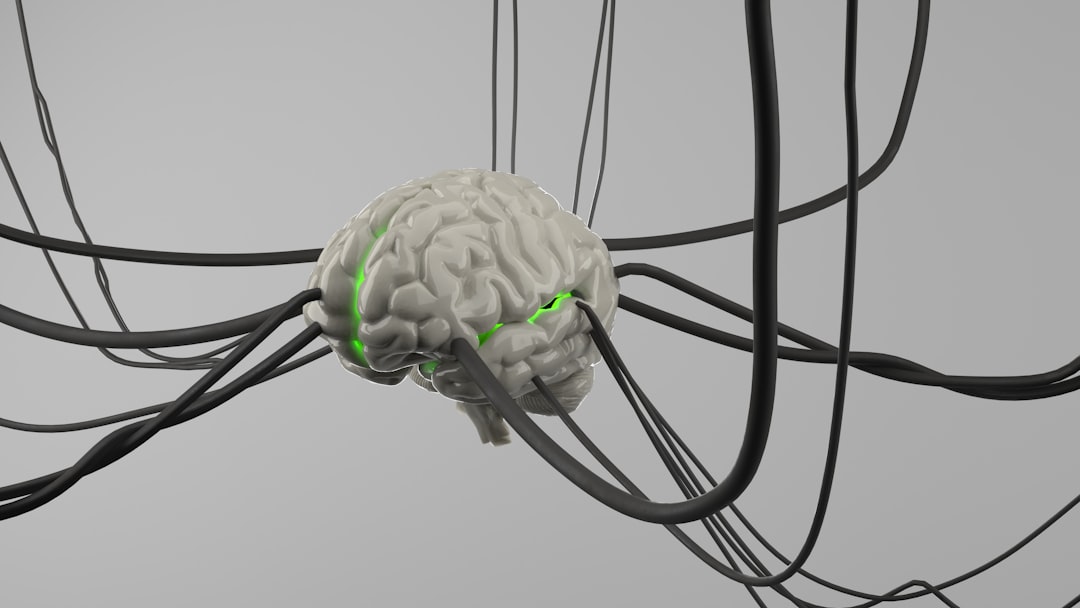
The Evolutionary Persistence of Costly Neuropsychiatric Traits
The persistence of neuropsychiatric traits that appear costly to an organism’s survival and reproduction presents a significant evolutionary paradox. From conditions like schizophrenia and bipolar disorder to specific behavioral patterns that can hinder foraging or social integration, these traits manifest as significant burdens. Their continued presence within populations, despite apparent selective disadvantages, suggests that evolutionary explanations are not straightforward. Instead, a complex interplay of genetic, environmental, and social factors likely underpins their persistence. Understanding these mechanisms requires a move beyond simplistic notions of direct selective removal and an appreciation for the nuanced dynamics of evolutionary processes.
The genetic architecture of neuropsychiatric traits is often polygenic, meaning it is influenced by numerous genes, each contributing a small effect. This complexity makes direct elimination through strong negative selection challenging. Furthermore, many genes associated with neuropsychiatric conditions may also confer adaptive advantages in certain contexts or under specific historical environmental conditions.
Pleiotropy and the Double-Edged Sword of Genes
A key concept in understanding the persistence of costly traits is pleiotropy, where a single gene influences multiple phenotypic traits. Genes that increase susceptibility to a neuropsychiatric condition might simultaneously enhance cognitive abilities, creativity, or even physical resilience in specific environments. For instance, genes linked to dopaminergic pathways, central to reward and motivation, are implicated in conditions like addiction and schizophrenia. However, these same pathways are crucial for learning, exploration, and optimal performance in challenging situations. The evolutionary challenge, therefore, is not a simple binary choice of “good” or “bad” genes, but rather a balancing act where the benefits of a gene in one domain may outweigh its costs in another, at least on a population level.
Heterozygote Advantage and Balancing Selection
Another significant mechanism for the persistence of seemingly detrimental alleles is heterozygote advantage. This occurs when individuals carrying one copy of a particular allele (heterozygotes) have higher fitness than individuals homozygous for either the common or the rare allele. A classic example, though not directly neuropsychiatric, is sickle cell trait, where heterozygotes are protected against malaria. While direct evidence for marked heterozygote advantage in specific neuropsychiatric alleles is still being investigated, the principle remains plausible. Certain alleles contributing to neurodevelopmental variations might, for example, confer enhanced resilience to specific environmental stressors or toxins when present in a single copy, thereby maintaining their frequency in the gene pool. Balancing selection, which maintains multiple alleles in a population, can operate through various mechanisms, including heterozygote advantage, frequency-dependent selection, and spatially or temporally varying selection.
De Novo Mutations and the Constant Input of Variation
While not an explanation for the persistence of inherited costly traits, the continuous input of new genetic variations through de novo mutations plays a role in the overall landscape of genetic variability. These mutations, occurring spontaneously in germ cells, can introduce novel alleles, some of which might eventually contribute to the expression of neuropsychiatric phenotypes. While most de novo mutations are likely to be neutral or deleterious, a small fraction could, over long evolutionary timescales, prove to be neutral or even mildly beneficial in combinations with other genetic factors, thus contributing to the complex genetic tapestry of the population.
The persistence of costly neuropsychiatric traits in human evolution has intrigued scientists for decades, leading to various theories about their adaptive significance. A related article that delves into this topic can be found on Freaky Science, which explores how certain traits, despite their potential drawbacks, may confer advantages in specific social or environmental contexts. Understanding these dynamics can shed light on the complex interplay between genetics and behavior. For more insights, you can read the article here: Freaky Science.
Environmental Mismatch and the Shifting Landscape of Selection
Evolutionary pressures are not static. What was once adaptive can become detrimental in a changing environment. Many human neuropsychiatric conditions may represent mismatches between our evolved biology and the modern environment.
The Agricultural Revolution and the Modern Environment
The transition from hunter-gatherer lifestyles to settled agriculture, and subsequently to the rapid industrialization and digitalization of the modern era, has profoundly altered the selective pressures acting on human populations. Our brains and bodies evolved over millions of years in environments vastly different from those we inhabit today. These ancestral environments presented challenges like intermittent food availability, constant physical exertion, and strong social group dynamics.
Traits that might have been advantageous in such contexts, such as a heightened vigilance for threats or a tendency towards risk aversion in foraging, could become maladaptive in environments characterized by abundant food, reduced physical demands, and novel social structures. For example, a predisposition towards anxiety, beneficial for avoiding predators in the wild, might manifest as debilitating generalized anxiety disorder in environments with fewer immediate existential threats but increased social pressures.
Nutrition, Toxins, and Developmental Influences
Environmental factors during critical periods of brain development can also interact with genetic predispositions to influence neuropsychiatric outcomes. Deficiencies in essential nutrients, exposure to environmental toxins (such as heavy metals or certain pollutants), and even maternal stress during pregnancy can all have lasting impacts on brain structure and function. These factors can exacerbate or unmask genetic vulnerabilities, contributing to the observed prevalence of neuropsychiatric conditions. The evolutionary persistence here would not be due to the direct selection of the trait itself, but rather the enduring genetic architecture that is sensitive to these environmental insults, creating a vulnerability that is expressed under specific, often modern, conditions.
The Hygiene Hypothesis and Immune System Balance
While primarily linked to autoimmune and allergic diseases, the hygiene hypothesis suggests that reduced exposure to microbes in modern, sanitized environments may lead to an imbalanced immune system. Given the intricate connections between the immune system and brain function, it is conceivable that this imbalance could also contribute to neurodevelopmental and neuropsychiatric challenges. Dysregulation of inflammatory pathways, for instance, has been implicated in various mental health conditions. If a genetic predisposition to such immune dysregulation exists, and if this predisposition also conferred an advantage in ancestral environments (e.g., to combat endemic infections), its persistence could be explained by these trade-offs, with the negative neuropsychiatric consequences emerging in environments with different microbial exposures.
Social Dynamics and the Role of Group Selection
Human evolution is deeply intertwined with sociality. The selective pressures faced by individuals are often mediated by their interactions within groups, leading to complex social dynamics that can influence the survival and propagation of traits.
The “Inbreeding Depression” Counterargument
While outbreeding is generally favored to maintain genetic diversity, some theories explore the potential advantages of within-group relatedness. However, it is more pertinent to consider how social structures might buffer or even facilitate the expression of traits that would otherwise be strongly selected against in isolation. For instance, in hunter-gatherer societies, individuals with certain cognitive differences might have found niches within the group, contributing in ways that outweighed their disadvantages in other areas, especially if they received social support.
Social Support Networks and Buffering Mechanisms
Human societies, particularly historically, provided robust social support networks. Individuals with certain vulnerabilities might have been protected by kin or community members, allowing them to survive and reproduce when they might not have otherwise. This social buffering effect can reduce the direct selective pressure against traits that prove problematic in other contexts. The persistence of these traits, therefore, is not solely about individual genetic merit but also about the collective buffering capacity of the social group. If these “costly” traits, under specific circumstances, contributed to group-level benefits (e.g., innovation, specialized roles), then group selection mechanisms might also play a role.
Parasite-Host Coevolution and the “Red Queen Hypothesis”
The “Red Queen Hypothesis” posits that organisms are in a constant evolutionary arms race with their parasites. This coevolutionary dynamic can drive the maintenance of genetic diversity within a population, as different genotypes offer varying levels of resistance or susceptibility to prevailing pathogens. It is plausible that genetic variations contributing to neuropsychiatric conditions might also influence immune responses or other mechanisms that affect parasite load. If alleles associated with certain neuropsychiatric traits also confer a slight advantage in resisting specific parasites, this could contribute to their persistence, as the selective pressure from parasitism counteracts the pressure against the neuropsychiatric phenotype.
Evolutionary Stable Strategies (ESS) in Social Interaction
In game theory, an Evolutionary Stable Strategy (ESS) is a strategy that, if adopted by a population, cannot be invaded by any alternative strategy. While abstract, this concept can be applied to social behaviors. Some neuropsychiatric traits might represent aspects of complex social strategies that, while costly to the individual in certain regards, contribute to a stable social system or a particular equilibrium of interactions within a group. For example, extreme risk-taking or unusual social attunement, while potentially maladaptive on an individual level in some scenarios, might be part of a broader suite of behaviors that, on average, contribute to the group’s overall cohesion or resource acquisition in ways that were historically important.
Neutral Variation and the Limits of Selection

Not all variation in a population is subject to strong selective pressures. A significant portion of genetic variation may be selectively neutral, meaning it has little to no impact on an organism’s fitness.
Genetic Drift and Random Fluctuations
Genetic drift refers to random fluctuations in allele frequencies from one generation to the next, particularly pronounced in smaller populations. Alleles that are neither strongly beneficial nor detrimental can drift to high frequencies or be lost entirely by chance. It is conceivable that some alleles contributing to neuropsychiatric variations, if they are associated with only mild fitness costs or if they are in linkage disequilibrium with other genes, could be subject to drift. Over long periods, drift can lead to the fixation or maintenance of alleles that might otherwise have been purged by selection.
Linkage Disequilibrium and Hitchhiking Effects
Genes are not always inherited independently. They are often physically linked on chromosomes, and their alleles tend to be inherited together. This phenomenon is known as linkage disequilibrium. If an allele that confers a fitness advantage is located near an allele that contributes to a neuropsychiatric trait, the beneficial allele can “drag” the detrimental allele along with it, increasing the frequency of the latter in the population. This “hitchhiking” effect can maintain alleles that would otherwise be removed by selection. Conversely, a slightly deleterious allele might be maintained if it is in linkage disequilibrium with a strongly beneficial allele.
Epigenetic Modifications and Transgenerational Inheritance
While not strictly genetic in the DNA sequence sense, heritable epigenetic modifications – changes in gene expression without alterations to the underlying DNA sequence – are increasingly recognized as playing a role in heredity. These modifications, influenced by environmental factors and lifestyle, can be passed down through generations. If epigenetic changes contribute to the manifestation of neuropsychiatric traits, and if these changes are influenced by factors that have been historically prevalent or that interact with underlying genetic susceptibilities, they could contribute to the persistence of these traits without requiring direct genetic selection for them.
The persistence of costly neuropsychiatric traits in human evolution has intrigued researchers for years, leading to various theories about their adaptive significance. One compelling article discusses how these traits, despite their apparent disadvantages, may confer certain social or cognitive advantages that enhance survival and reproduction. For a deeper understanding of this phenomenon, you can explore the insights provided in this related article, which examines the complex interplay between genetics, environment, and the evolutionary pressures that shape our mental health.
The Nuance of “Costly” and the Spectrum of Phenotypes
| Reasons for Costly Neuropsychiatric Traits in Evolution |
|---|
| Increased cognitive abilities |
| Enhanced social behavior |
| Adaptation to changing environments |
| Improved problem-solving skills |
| Enhanced emotional regulation |
The very definition of a “costly” trait requires careful consideration. What appears costly in one context may be neutral or even beneficial in another. Furthermore, neuropsychiatric conditions exist on a spectrum, and the most severe presentations may be rare, while milder variations are more common and potentially adaptive.
The Spectrum of Neurodiversity and Adaptive Variation
Many traits associated with neuropsychiatric conditions exist on a spectrum. For example, traits associated with autism spectrum disorder, such as intense focus, meticulousness, and unique problem-solving approaches, can be highly advantageous in specific professions or research endeavors. Similarly, heightened sensitivity or intense emotional experiences, which can be challenging in social interactions, might also fuel creativity and artistic expression. The persistence of these traits, therefore, may be linked to their positive manifestations in certain individuals or contexts, contributing to the overall diversity of human cognition and behavior. This concept of “neurodiversity” challenges the traditional medical model by suggesting that variations in brain function are not inherently pathological but represent a broader spectrum of human experience.
Fitness Landscapes and Local Optima
Evolutionary processes are often described using the concept of “fitness landscapes,” where higher peaks represent genotypes with greater fitness. Selective pressures drive populations towards these peaks. However, it is possible for populations to become trapped in “local optima”—fitness peaks that are not the absolute highest. Alleles contributing to neuropsychiatric traits might represent such local optima, where the combination of genetic and environmental factors creates a stable, albeit imperfect, fitness profile. Moving to a higher peak might require not just changing one or two alleles but a significant reorganization of the genetic architecture, which could be a slow and punctuated process.
Interactions Between Rare and Common Variants
The expression of many neuropsychiatric traits likely results from complex interactions between multiple genetic variants, some of which may be common in the population and others rare. The fitness consequences of these interactions might be context-dependent. A rare variant, for example, might only manifest a significant disadvantage when combined with a particular set of common variants and in a specific environmental milieu. The persistence of such complex genetic architectures, which can lead to neuropsychiatric conditions, would be a consequence of the interplay of these various factors, rather than straightforward selection against individual alleles.
In conclusion, the evolutionary persistence of costly neuropsychiatric traits is not attributable to a single explanatory factor. It is the product of intricate evolutionary processes, including pleiotropy, heterozygote advantage, environmental mismatch, complex social dynamics, and the inherent limitations of natural selection in shaping the vast complexity of the human genome. Understanding these traits requires a holistic perspective that acknowledges the interplay of genetic predispositions, environmental influences, and the ever-shifting landscape of human social and ecological contexts. The continued presence of these traits underscores the remarkable resilience and adaptability of the human genome, even as it highlights the challenges faced by individuals in navigating the complexities of modern environments.
FAQs
1. What are costly neuropsychiatric traits in evolution?
Costly neuropsychiatric traits are traits that are associated with increased risk of mental disorders, such as anxiety, depression, and schizophrenia. These traits are considered costly because they can have negative effects on an individual’s well-being and reproductive success.
2. Why does evolution maintain costly neuropsychiatric traits?
Evolution maintains costly neuropsychiatric traits because they may also confer certain advantages, such as increased creativity, empathy, and cognitive flexibility. These traits may have been beneficial in certain environmental contexts, leading to their persistence in the human population.
3. How do costly neuropsychiatric traits persist in the population despite their negative effects?
Costly neuropsychiatric traits may persist in the population due to genetic and environmental factors. For example, some of the genes associated with these traits may also be linked to other beneficial traits, leading to their retention in the gene pool. Additionally, environmental factors may play a role in the expression of these traits.
4. Are there any potential evolutionary explanations for the persistence of costly neuropsychiatric traits?
One potential evolutionary explanation for the persistence of costly neuropsychiatric traits is the concept of balancing selection, where the advantages and disadvantages of a trait are balanced in the population. Another explanation is that these traits may be a byproduct of the evolution of other beneficial traits, and their negative effects are not strong enough to eliminate them from the population.
5. What are the implications of understanding the evolution of costly neuropsychiatric traits?
Understanding the evolution of costly neuropsychiatric traits can provide insights into the genetic and environmental factors that contribute to mental disorders. It can also help inform strategies for addressing mental health issues and developing interventions that take into account the complex evolutionary history of these traits.