You’ve always considered your eyes to be a constant, a defining feature that, while perhaps not spectacular, remained a steady part of your personal landscape. Then, one day, looking in the mirror after a particularly long night, you notice it. A subtle shift, a gradient of color that wasn’t there before, or at least not that you were aware of. It’s not the dramatic dichotomy of complete heterochromia, where one eye is a stark contrast to the other. Instead, it’s something more intricate, a patterned variation within a single iris. This is the realm of sectoral heterochromia, and its discovery can be a surprisingly introspective experience.
Your iris, the colored part of your eye, is a remarkable structure. It’s a muscle that controls the size of your pupil, regulating the amount of light reaching your retina. Its color is determined by the amount and distribution of melanin, a pigment. The more melanin, the darker the iris. Variations in this melanin production and deposition are what create the visual tapestry of human eye color. Sectoral heterochromia represents a localized anomaly within this otherwise uniform distribution of pigment.
The Anatomy of Iris Color
To truly appreciate sectoral heterochromia, you first need to grasp the basic anatomy of the iris. The iris is composed of two main layers: the anterior stroma and the posterior epithelium. The stroma is where the magic of eye color primarily occurs. It contains fibroblasts, pigment cells (melanocytes), and collagen. The pigment cells, melanocytes, produce melanin. The density and type of melanin, along with the way light scatters within the stromal tissue, dictate whether your eyes appear blue, green, hazel, or brown.
Melanin: The Pigment of Distinction
Melanin isn’t a single entity; there are two primary types involved in human eye color: eumelanin and pheomelanin. Eumelanin is responsible for brown and black hues, while pheomelanin contributes to red and yellow tones. The concentration of eumelanin in the iris stroma is the dominant factor for most eye colors. Lower concentrations lead to lighter colors, as light scatters off the collagen fibers, resulting in a blue appearance (Rayleigh scattering). Higher concentrations absorb more light, producing brown.
The Role of Collagen and Light Scattering
It’s not just about melanin. The structure of the iris stroma, particularly the arrangement of collagen fibers, plays a crucial role in how light interacts with the iris. In blue eyes, the stroma is relatively devoid of pigment, and the collagen fibers scatter shorter wavelengths of light, making them appear blue. In brown eyes, the stroma is packed with melanin, absorbing most of the light. Hazel and green eyes are intermediate, with varying amounts of melanin and stroma structure influencing their color.
Defining Sectional Variation
Sectoral heterochromia isn’t about a complete color change across the iris. Instead, it manifests as a distinct wedge, patch, or stripe of a different color within the dominant iris hue. This variation is often limited to a specific area, creating a localized deviation from the usual pattern. The boundaries between the colors can be sharp or subtly blended, contributing to the unique appearance.
Congenital vs. Acquired Heterochromia
The causes of heterochromia can be broadly categorized into congenital (present at birth) and acquired (developing later in life). Congenital sectoral heterochromia is thought to arise from genetic variations or environmental influences during fetal development. Acquired sectoral heterochromia, while less common, can be a symptom of underlying medical conditions, eye injuries, or certain medications. Identifying the timeframe of its appearance is a critical step in understanding its nature.
Visualizing the Spectrum of Differences
Imagine your iris as a canvas. Congenital sectoral heterochromia is like a meticulously painted detail added during the initial creation of the artwork, a result of an early developmental blueprint. Acquired sectoral heterochromia is more akin to a later alteration, a change that occurs within the established piece, potentially due to external forces or internal shifts. The visual distinction is paramount in guiding further inquiry.
Sectoral heterochromia, a fascinating condition where one part of an eye is a different color from the rest, has intrigued scientists and the public alike. This unique phenomenon can be caused by a variety of factors, including genetics, injury, or certain medical conditions. For those interested in learning more about the science behind this captivating trait, a related article can be found at Freaky Science, which delves into the various causes and implications of heterochromia in human eyes.
The Genetic Blueprint and its Variations
The most common explanation for sectoral heterochromia, especially when it appears at birth, lies in the intricate interplay of your genetic makeup. While specific genes directly dictating iris color patterns are still an active area of research, broad genetic influences on melanin production and distribution are well-established. You might carry a genetic predisposition that, under certain conditions, leads to localized variations in pigmentation.
Genes Influencing Melanin Production
Several genes are known to play a role in melanin synthesis and transport, including OCA2, HERC2, and TYR. These genes are involved in the production of tyrosinase, an enzyme essential for melanin creation, and in the packaging and distribution of pigment within cells. A subtle variation within these genes, or in genes that regulate their expression, could lead to a localized over- or underproduction of melanin in specific iris regions, thus creating a sectoral heterochromia.
Understanding Dominant and Recessive Traits
While eye color is a complex polygenic trait (influenced by multiple genes), the general principles of dominant and recessive inheritance still offer some insight. However, predicting the exact manifestation of sectoral heterochromia based solely on Mendelian genetics is challenging due to the multi-gene involvement and the intricate nature of pigment distribution. It’s not as simple as inheriting a single blue or brown gene.
Epigenetics and Environmental Factors
Beyond the DNA sequence itself, epigenetic modifications can also influence gene expression without altering the underlying genetic code. Factors during prenatal development, such as maternal diet, exposure to certain substances, or even hormonal fluctuations, could potentially influence the expression of melanin-related genes in specific ocular tissues. This opens up the possibility that environmental influences, acting on your genetic susceptibility, could contribute to the development of sectoral heterochromia.
The Puzzle of Inherited Patterns
For many, the discovery of sectoral heterochromia might be accompanied by a search for similar traits in family members. You might observe that other relatives also exhibit similar color variations, or perhaps a more pronounced form of the condition. This suggests a potential hereditary component, though the exact mode of inheritance for such specific patterns can be complex and not always straightforward.
Tracing Family Histories
You may find yourself poring over old photographs, asking relatives about their eye color history, and trying to identify any recurring patterns. This genealogical detective work can sometimes provide clues about the genetic legacy that might have contributed to your unique iris. Did any ancestors have unusually patterned eyes? Were there any documented cases of eye color changes within a family?
The Case of Mosaicism
In rare instances, sectoral heterochromia can be linked to genetic mosaicism, a phenomenon where an individual has two or more genetically distinct cell populations. This could arise from a mutation that occurs very early in embryonic development, affecting only a subset of cells, including those in the iris. This would explain why the pigmentation difference is localized to a specific region.
When to Seek Ocular Examination
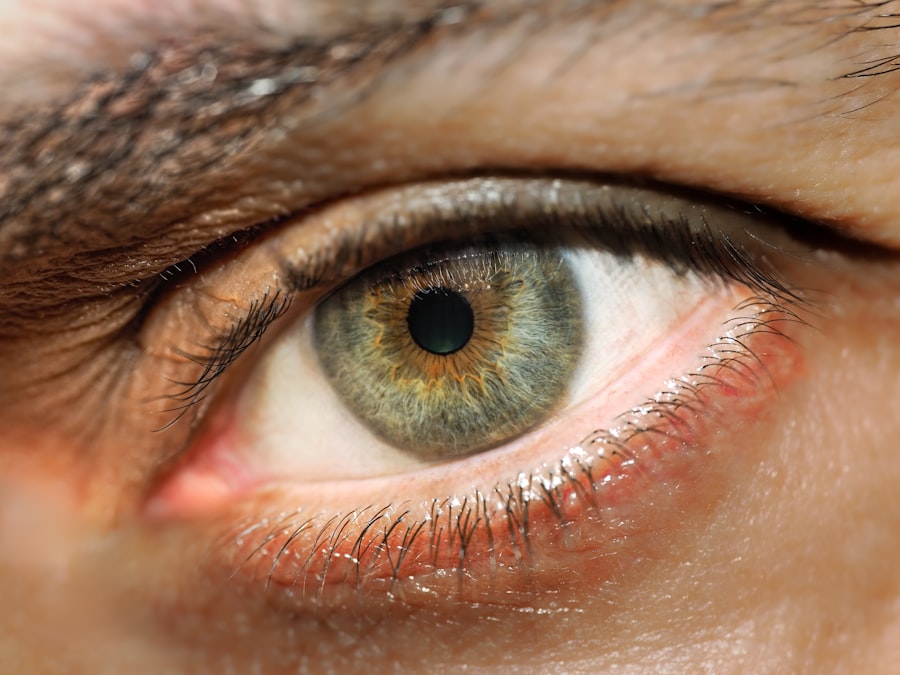
While sectoral heterochromia is often benign and a purely cosmetic variation, there are circumstances where a professional ocular examination is advisable. If the change is sudden or accompanied by other symptoms, it’s important to rule out any underlying medical conditions. Your eye doctor is equipped to make this distinction.
Recognizing Red Flags and Associated Symptoms
While the beauty of your patterned iris might be the primary focus, you should also be aware of any accompanying changes. These could include sudden vision disturbances, pain, increased light sensitivity, or any noticeable alteration in the shape or texture of your iris. These symptoms, in conjunction with a new or changing sectoral heterochromia, warrant immediate medical attention.
Changes in Vision Quality
Any noticeable blurriness, distortion, or sudden onset of floating specks (floaters) in your field of vision should not be ignored. While not directly caused by sectoral heterochromia itself, these could be indicators of other ocular conditions that might be coincidentally developing alongside your pigment variation.
Discomfort and Pain
Eye discomfort, redness, or pain are generally not associated with simple sectoral heterochromia. If you experience these, it’s crucial to get your eyes checked promptly, as they can signal inflammation, infection, or other issues requiring medical intervention.
The Role of the Ophthalmologist or Optometrist
An eye care professional has the tools and expertise to meticulously examine your eyes, from the surface of your cornea to the back of your retina. They can assess the health of your iris, measure your intraocular pressure, and perform other diagnostic tests to ensure everything is functioning as it should be.
Comprehensive Eye Examination Protocols
During an eye exam, your doctor will dilate your pupils to get a better view of the interior of your eye. They will use specialized instruments like a slit lamp to magnify and illuminate different parts of your eye, including the iris. This allows them to observe the precise nature and extent of the sectoral heterochromia.
Differential Diagnosis: Identifying Underlying Causes
If the sectoral heterochromia is acquired or accompanied by concerning symptoms, your doctor will consider a range of differential diagnoses. This might include assessing for conditions like uveitis (inflammation of the middle layer of the eye), Horner’s syndrome, Fuch’s heterochromic iridocyclitis, or even tumors, though these are generally rare. They will also inquire about your medical history, medications, and any recent injuries.
The Cosmetic and Psychological Aspects
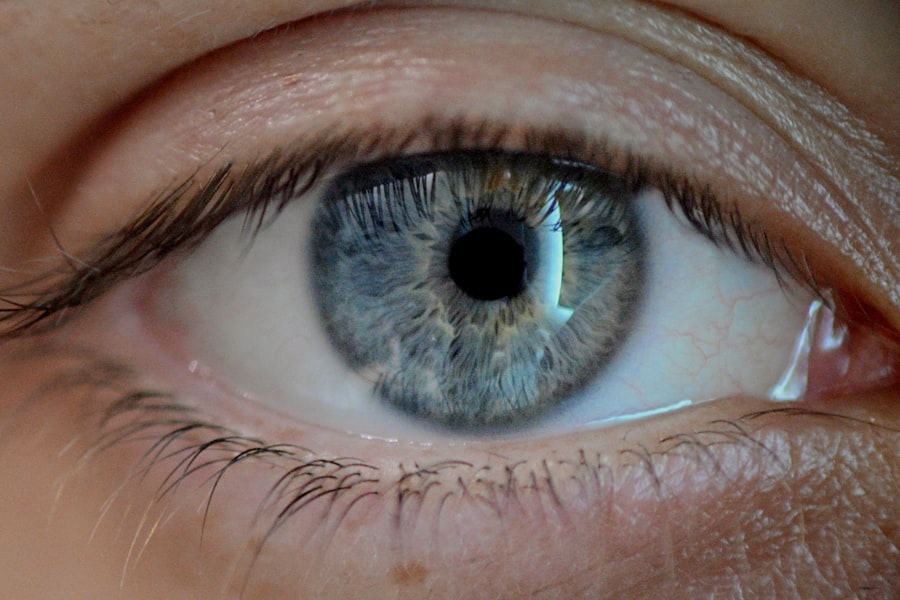
For many, sectoral heterochromia is simply a unique and aesthetically pleasing feature. It adds a touch of individuality to your appearance. The psychological impact can range from mild curiosity to a genuine appreciation for one’s distinctiveness.
Embracing Individuality and Self-Perception
Discovering sectoral heterochromia can be an opportunity to re-examine your perception of yourself. It’s a physical variation that doesn’t change your capabilities or character, but it can certainly influence how you see yourself and how you believe others perceive you. For some, it’s a source of quiet confidence.
The Fascination with Uniqueness
The human fascination with unique or unusual traits is well-documented. Sectoral heterochromia can tap into this, making your eyes a point of interest and conversation. It can be a subtle way to stand out in a crowd, not through ostentatious display, but through an inherent, natural variation.
Navigating Social Perceptions
While many people will find your heterochromia interesting and perhaps beautiful, you might occasionally encounter curiosity or even misinformed questions. Developing a comfortable way to address these inquiries can be part of the process of embracing this aspect of your appearance.
The Absence of Functional Impairment
It’s crucial to reiterate that in the vast majority of cases, sectoral heterochromia does not affect your vision or eye health. It’s a color variation. You will still have the same visual acuity and the same range of vision as someone with uniform iris pigmentation.
The Importance of Realistic Expectations
While it’s valid to appreciate the aesthetic aspect of your eyes, it’s also important to maintain realistic expectations. Sectoral heterochromia is not a medical condition requiring treatment, nor does it confer any special abilities. It is what it is: a beautiful, natural variation.
Sectoral heterochromia is a fascinating condition where a single eye displays two different colors, often creating a striking appearance. This unique trait can be caused by various factors, including genetics and certain medical conditions. For those interested in learning more about the science behind eye color variations, a related article can be found on Freaky Science, which delves into the genetics of eye color and the intriguing phenomena associated with it. You can read more about it here. Understanding the complexities of eye color not only enhances our appreciation of human diversity but also sheds light on the underlying biological mechanisms at play.
Living with Your Distinctive Iris
| Aspect | Details |
|---|---|
| Definition | Sectoral heterochromia is a condition where a portion of the iris has a different color than the rest of the iris. |
| Causes | It can be caused by genetic factors, trauma, or certain medical conditions. |
| Prevalence | It is a rare condition, with an estimated prevalence of less than 1% of the population. |
| Appearance | The affected portion of the iris may appear as a distinct patch or sector of a different color. |
| Treatment | There is no specific treatment for sectoral heterochromia, as it is usually a benign condition. |
The discovery of sectoral heterochromia is often a personal journey of observation and, perhaps, a touch of introspection. It’s a reminder that even within the familiar landscape of your own body, there can be subtle and intriguing variations. You now possess a visual characteristic that adds a distinct narrative to your appearance.
Photography and Visual Documentation
Many individuals with sectoral heterochromia find pleasure in capturing their unique eyes through photography. This allows for a detailed appreciation of the color patterns and can be a way to document and share this distinctive feature. Different lighting conditions can highlight different aspects of the color variations.
The Art of Capturing Iris Detail
Experimenting with lighting, focus, and angles can reveal the intricate details of your iris. Macro photography can bring out the subtle textures and the precise boundaries between the different color segments. This can become a hobby in itself, a way to explore and celebrate your individual eye features.
Sharing Your Story (If You Choose)
Whether you choose to share your sectoral heterochromia openly or keep it as a personal discovery is entirely up to you. There’s no obligation to explain or justify it. However, for some, sharing can lead to interesting conversations and an opportunity to educate others about the diversity of human appearance.
Future Research and Understanding
As scientific understanding of genetics and ocular development continues to advance, you might witness new discoveries that further illuminate the mechanisms behind conditions like sectoral heterochromia. This ongoing research contributes to a broader appreciation of human biological diversity.
The Evolving Landscape of Ocular Genetics
Researchers are continually identifying new genes and pathways involved in eye development and pigmentation. Future studies may pinpoint specific genetic markers associated with sectoral heterochromia, potentially leading to a more precise understanding of its origins.
The Importance of Continued Observation
For those who experience acquired sectoral heterochromia, continued observation and regular check-ups with an eye care professional remain important. This ensures that any potential underlying issues are identified and managed promptly. Your ongoing awareness of your ocular health is key. You have discovered a unique characteristic, a personal detail that, while seemingly small, contributes to the rich tapestry of human diversity. It’s a reminder that beauty and intrigue can often be found in the subtle, the unexpected, and the distinctly individual.
FAQs
What is sectoral heterochromia in human eyes?
Sectoral heterochromia is a rare condition in which a portion of the iris of one eye is a different color than the rest of the iris. This can result in a unique and striking appearance, with one eye having two distinct colors.
What causes sectoral heterochromia?
Sectoral heterochromia is typically caused by an excess or lack of melanin in certain areas of the iris. Melanin is the pigment that gives color to the eyes, skin, and hair. Genetic factors can also play a role in the development of sectoral heterochromia.
Is sectoral heterochromia harmful to vision?
Sectoral heterochromia is generally harmless and does not affect vision. It is purely a cosmetic variation in eye color and does not typically indicate any underlying health issues.
Can sectoral heterochromia develop later in life?
Sectoral heterochromia is usually present from birth, but in some cases, it can develop later in life due to certain medical conditions or eye injuries. However, this is rare and most cases are congenital.
Can sectoral heterochromia be treated?
There is no need to treat sectoral heterochromia, as it does not pose any health risks. In fact, many people find the unique appearance of sectoral heterochromia to be an attractive feature.