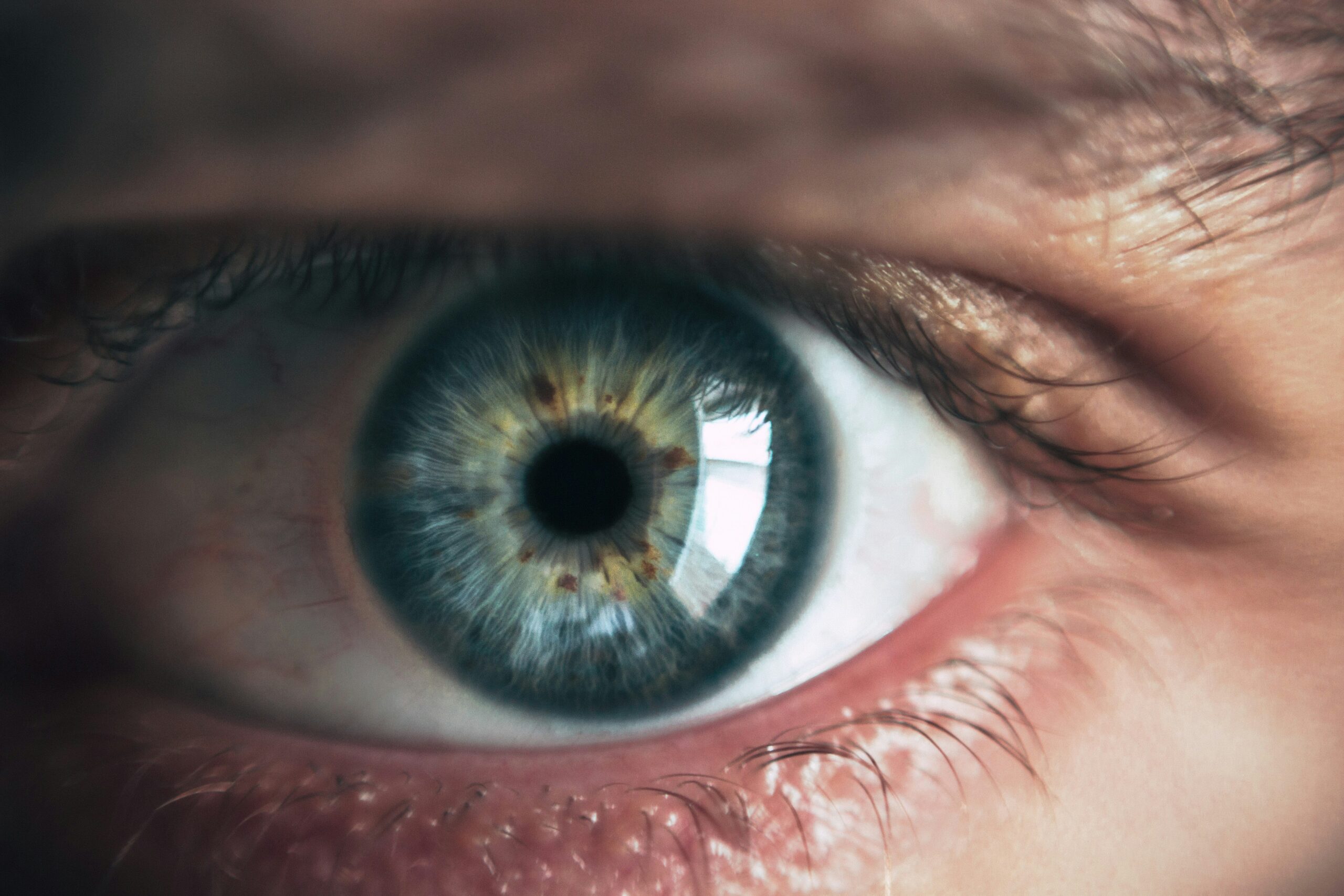
You’ve always been told you have blue eyes. Perhaps you’ve admired them in the mirror, or someone has complimented you on their striking azure hue. But here’s a truth that might surprise you: your eyes aren’t actually blue. Not in the way a blueberry is blue, or a sapphire is blue. The color you perceive as blue is an optical illusion, a fascinating trick of physics and biology playing out within the delicate structures of your iris. This article will delve into the science behind that captivating color, revealing the subtle mechanisms that give you those distinctive blue eyes.
Your iris is the colorful part of your eye that surrounds the pupil. It’s a muscular diaphragm that controls the amount of light entering your eye by adjusting the size of the pupil. While you might associate color with pigments, the story of blue eyes is fundamentally different.
What is the Iris Made Of?
The iris is composed of two main layers: the stroma and the epithelium. The stroma, the outer layer, is a complex network of connective tissue, blood vessels, and pigment-containing cells called melanocytes. The epithelium, the inner layer and the back surface of the iris, contains a high concentration of melanin, a dark pigment.
The Role of Melanocytes
Melanocytes are responsible for producing melanin, the same pigment that gives color to your skin and hair. The amount and type of melanin present in the iris stroma play a crucial role in determining eye color. In brown eyes, for instance, there’s a high concentration of melanin, which absorbs most of the light. In lighter eye colors, the amount of melanin is significantly reduced.
Stromal Composition in Blue Eyes
For individuals with blue eyes, the stroma of the iris contains a very low concentration of melanin. This low melanin content is a critical factor in how light interacts with the iris, leading to the perception of blueness. It’s not the presence of a blue pigment, but rather the absence of pigment and the way light scatters.
Pigments and Their Absence
It’s common to assume that different eye colors are due to different colored pigments. However, for blue eyes, this is largely not the case. The primary pigment involved in eye color is melanin.
Melanin: The Universal Pigment
There are two main types of melanin: eumelanin, which is black or brown, and pheomelanin, which is reddish or yellow. In the iris, the dominant melanin is eumelanin. The amount of eumelanin present dictates the darkness of the eye color. Absolutely no blue pigment exists in the human iris; any perception of blue is a result of other physical phenomena.
How Lack of Melanin Leads to Perceived Blue
When melanin is scarce in the iris stroma, the iris behaves differently when exposed to light. Instead of absorbing most of the light, as in darker eyes, the light interacts with the collagen fibers and other structural components of the stroma. This interaction leads to a scattering of light, a phenomenon known as Rayleigh scattering.
Many people are fascinated by the striking appearance of blue eyes, often believing that the color comes from blue pigments in the iris. However, a related article on this topic explains that blue eyes are not actually blue; instead, their color results from the scattering of light and the absence of melanin. To learn more about this intriguing phenomenon, you can read the article at Freaky Science.
The Science of Light Scattering: Rayleigh Scattering in Action
Rayleigh scattering is the same physical principle that makes the sky appear blue. It dictates how light waves are scattered by particles much smaller than the wavelength of the light itself. In the case of your iris, the tiny collagen fibers in the stroma act as these scattering particles.
Understanding Wavelengths of Light
Visible light is a spectrum of colors, each with a different wavelength. Blue light has shorter wavelengths, while red light has longer wavelengths. When light enters your eye, it encounters the stromal tissue.
Shorter Wavelengths Scatter More
According to Rayleigh scattering, shorter wavelengths of light are scattered more effectively than longer wavelengths. Thus, when white light (which contains all colors) strikes the low-melanin stroma of a blue eye, the blue wavelengths are scattered in all directions.
Longer Wavelengths Pass Through or Are Absorbed
The longer wavelengths, such as red and yellow, are less affected by the scattering and tend to pass through the stroma or be absorbed by the limited amount of melanin present. The scattered blue light then reflects back towards your pupil and out of your eye, reaching an observer’s gaze.
The Role of the Stroma’s Structure
It’s not just the lack of melanin, but the specific structure of the iris stroma that enables this scattering effect. The arrangement of collagen fibers and other stromal components is finely tuned to facilitate this optical phenomenon.
Collagen Fibers and Their Impact
The fine collagen fibers within the iris stroma are irregular and arranged in a way that interacts with light. When light encounters these fibers, particularly in the absence of significant melanin, it gets bounced around. This chaotic reflection and scattering process is what creates the blue hue.
Depth and Density of the Stroma
The depth and density of the stromal tissue also play a part. A less dense stroma with fewer pigment cells allows for greater light penetration and subsequent scattering. The interplay between the physical structure and the minimal pigment is key.
Genetic Influences: The Blueprint for Eye Color
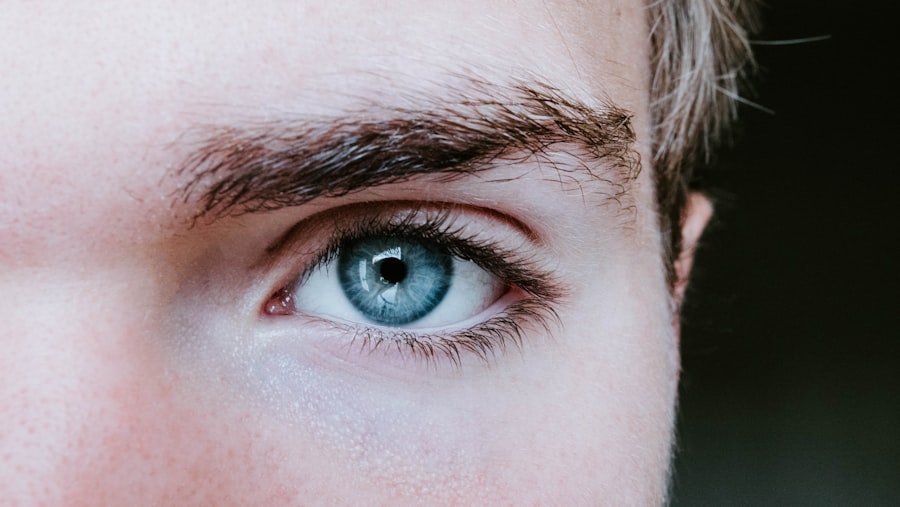
While the physics of light scattering explains how blue eyes appear blue, the reason your iris has such a low melanin content is rooted in your genetics. Eye color is a polygenic trait, meaning it’s influenced by multiple genes.
The OCA2 and HERC2 Genes
Two genes, OCA2 and HERC2, are considered the primary players in determining human eye color, particularly the variations that lead to blue and brown eyes.
The OCA2 Gene and Melanin Production
The OCA2 gene provides instructions for making a protein called the P protein, which is involved in the production and transport of melanin. Variations in this gene can affect the amount of melanin produced.
The HERC2 Gene as a Regulator
The HERC2 gene is a regulator of OCA2. A specific region within HERC2 acts as a switch, controlling the expression of OCA2. A common variant in HERC2 effectively “turns down” the activity of OCA2, leading to reduced melanin production in the iris.
Other Genes Involved
While OCA2 and HERC2 are dominant in determining blue vs. brown differentiation, other genes also contribute to the subtle variations in eye color and the nuances within blue eyes. These include genes like TYR, TYRP1, and SLC24A5, which are involved in various stages of melanin synthesis and processing.
Variations and Eye Color Nuances
Subtle differences in the activity of these genes, or interactions between them, can lead to the diverse shades of blue you see, from pale sky blue to deep periwinkle. It’s this complex genetic interplay that fine-tunes the amount of melanin and the structure of the iris.
The Evolutionary Perspective
The prevalence of blue eyes in certain populations, particularly in Northern Europe, suggests an evolutionary advantage or a genetic drift event that favored the reduction in melanin. While the exact reasons are debated, it’s clear that genetic mutations have paved the way for this less pigmented iris.
Brown Eyes vs. Blue Eyes: A Pigment and Scattering Distinction
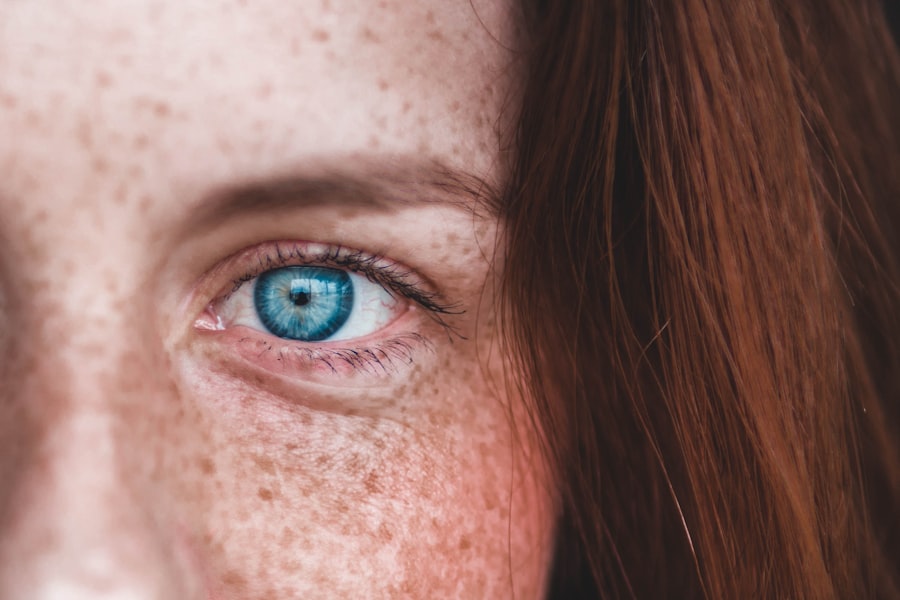
To truly understand why blue eyes are not blue, it’s helpful to contrast them with brown eyes, the most common eye color globally. The difference lies primarily in the amount and distribution of melanin.
Melanin: The Key Differentiator
The most significant factor distinguishing brown eyes from blue eyes is the presence of a substantial amount of melanin in the iris stroma.
High Melanin Content in Brown Eyes
In brown eyes, the stromal cells are packed with eumelanin. This abundance of pigment effectively absorbs most wavelengths of light that enter the iris. What little light is not absorbed is scattered minimally.
Absorption, Not Scattering, Dominates
Because melanin absorbs light so thoroughly, brown eyes don’t exhibit the same dramatic scattering of light that characterizes blue eyes. The color you perceive as brown is the result of this strong absorption.
The Stromal Structure for Brown Eyes
While the stroma is also present in brown eyes, its Pigment load overshadows any subtle structural influences on color perception. The physical arrangement of the stroma is still there, but its optical properties are dominated by the melanin.
Dense Pigmentation Overrides Scattering
The dense packing of melanin granules within the stromal cells of brown eyes prevents significant light scattering. The light either gets absorbed or reflects back in a way that the brain interprets as brown.
The Absence of the Blue Hue
The lack of sufficient light scattering means that the shorter, blue wavelengths are not predominantly reflected. Therefore, the characteristic blue hue is absent in brown eyes.
Many people are fascinated by the appearance of blue eyes, often believing that they possess a unique pigment that gives them their striking color. However, a related article explains that blue eyes are not actually blue due to the absence of blue pigment; instead, their color results from the scattering of light in the iris. This phenomenon is similar to how the sky appears blue. For a deeper understanding of this intriguing topic, you can read more in this article.
Conclusion: The Beauty of Optical Illusion
| Reasons why blue eyes are not actually blue |
|---|
| 1. Lack of blue pigment: Blue eyes appear blue due to the Tyndall scattering effect, not because of blue pigment in the iris. |
| 2. Melanin levels: The amount of melanin in the iris can affect the appearance of eye color, making blue eyes appear different shades. |
| 3. Lighting and surroundings: The environment and lighting can influence the perception of eye color, making blue eyes appear to change color. |
| 4. Genetics: Eye color is determined by multiple genes, and the combination of these genes can result in variations in blue eye color. |
You might have blue eyes, but the science reveals a fascinating reality: the color isn’t inherent in your iris as a pigment. It’s a product of physics, biology, and genetics working in concert. The scarcity of melanin in your iris stroma, combined with the way collagen fibers scatter light, creates the captivating illusion of blueness.
A Testament to Physics in Biology
Your blue eyes stand as a remarkable example of how physical principles manifest in biological structures. The same phenomenon that paints the sky blue is at play within your own gaze, demonstrating the universal laws of light and matter.
The Delicate Balance of Melanin
The subtle variations in melanin production, dictated by your genetic makeup, result in a spectrum of eye colors. For blue eyes, this balance tips towards minimal melanin, allowing the light-scattering magic to happen.
The Eye as a Natural Spectrometer
In a way, your iris acts as a natural spectrometer, selectively reflecting certain wavelengths of light based on its physical and chemical composition. The perceived blue is simply the dominant wavelength that is scattered back to the observer.
More Than Just Color
Understanding the science behind your blue eyes offers a new appreciation for their beauty. It’s not just about the shade you see, but the intricate processes that create that perception. It’s a testament to the elegant complexity of human biology.
A Deeper Appreciation for Individuality
Your unique combination of genes and the resulting iris structure contribute to your individual eye color. The science behind blue eyes underscores the vast diversity and individuality that genetics allows.
The Ever-Evolving Understanding
As scientific understanding progresses, we continue to unravel the intricate details of traits like eye color. This knowledge enriches our appreciation for the natural world and the marvels within ourselves. So, the next time you look into a mirror, remember: your blue eyes are not truly blue, but a magnificent optical illusion, a testament to the beautiful science within you.
FAQs
1. What causes the appearance of blue eyes?
Blue eyes appear blue due to the Tyndall effect, which is the scattering of light in the stroma (the middle layer) of the iris. This scattering causes shorter blue wavelengths to be reflected and appear blue to the observer.
2. Are there any pigments in the iris that make eyes blue?
No, there are no blue pigments in the human iris. The color of the iris is determined by the amount and distribution of melanin, a brown pigment. Blue eyes have low levels of melanin in the stroma, which allows light to scatter and create the appearance of blue eyes.
3. Can blue eyes change color over time?
Yes, blue eyes can appear to change color due to lighting, clothing, and makeup. Additionally, some people’s eyes may appear to change color as they age due to changes in the amount and distribution of melanin in the iris.
4. Are there any health implications associated with having blue eyes?
Having blue eyes does not inherently pose any health risks. However, people with lighter eye colors may be more sensitive to light and have a higher risk of certain eye conditions, such as age-related macular degeneration and uveal melanoma.
5. What percentage of the world’s population has blue eyes?
Approximately 8-10% of the world’s population has blue eyes. The prevalence of blue eyes varies by region, with higher frequencies in Northern and Eastern Europe.