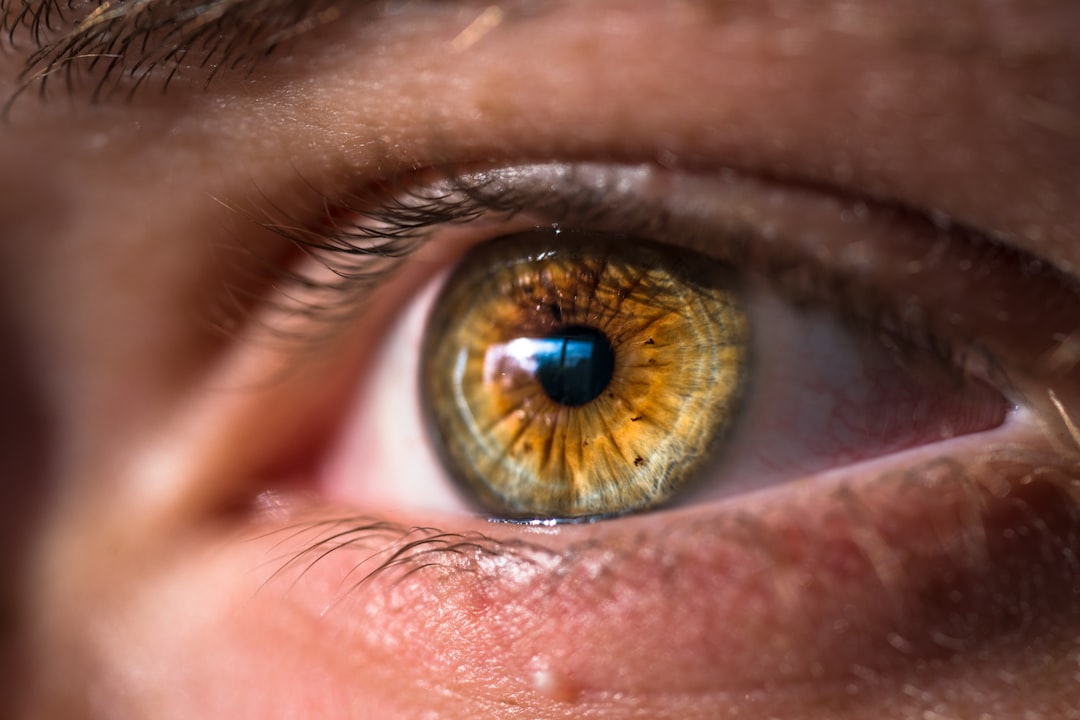
You’ve brought a new life into the world, and one of the many fascinating aspects you’ll observe is the transformation of your infant’s eyes. Those initial, often misty, blues or hazels you first gazed into might shift and deepen over time. It’s a common and perfectly natural phenomenon, but one that often sparks questions: why does your baby’s eye color change? The science behind this gradual evolution is rooted in genetics, melanin production, and light interaction.
The blueprint for your baby’s eye color, like many other physical traits, is laid down at conception. You and your partner contribute genetic material that determines the potential for melanin production in the iris. Melanin is the pigment responsible for color in your skin, hair, and eyes.
Understanding Melanin’s Role
Melanin Granules: The Tiny Color Packages
The iris, the colored part of your eye, contains specialized cells called melanocytes. These cells produce and store melanin in small sacs called melanosomes. The amount and type of melanin within these melanosomes dictate the perceived color of your eyes.
Eumelanin and Pheomelanin: The Two Key Players
There are two primary types of melanin: eumelanin and pheomelanin. Eumelanin is a brown-black pigment, while pheomelanin is reddish-yellow. The specific ratio and concentration of these two pigments, combined with the structure of the iris, determine the final eye color.
- Brown Eyes: High concentrations of eumelanin, especially in the front layer of the iris (the stroma), absorb most wavelengths of light, making the eyes appear brown. The darker the brown, the more eumelanin is present.
- Blue Eyes: Very little melanin is present in the stroma of blue-eyed individuals. When light enters the iris, it scatters off the collagen fibers in the stroma. Shorter wavelengths of light, like blue, scatter more effectively (this is known as Rayleigh scattering, the same phenomenon that makes the sky appear blue). This scattered blue light is reflected back, giving the eyes their blue appearance. It’s not a pigment creating blue, but rather light interacting with the iris’s structure.
- Green Eyes: Green eyes are a combination of moderate amounts of eumelanin in the stroma and a specific type of light scattering. The amount of eumelanin is less than in brown eyes but more than in blue eyes. This allows some light absorption, while still permitting enough Rayleigh scattering to create a greenish hue.
- Hazel Eyes: Hazel eyes are characterized by a mix of colors, often appearing as a combination of green, brown, and gold. This is due to varying concentrations of melanin in different parts of the iris and a less uniform distribution. Light scattering plays a role here as well, contributing to the dynamic appearance.
Inheriting Eye Color: A Complex Equation
While it’s often simplified to dominant and recessive genes, eye color inheritance is more complex. Multiple genes are involved, each contributing a small part to the overall outcome. You might have heard that brown is dominant over blue; this is a general principle, but it doesn’t account for the full spectrum of possibilities.
- The OCA2 Gene: This gene plays a significant role in melanin production. Variations in OCA2 can lead to higher or lower levels of melanin.
- The HERC2 Gene: This gene regulates the expression of OAC2. Variations here can influence how much melanin OCA2 produces.
- Other Genes: Several other genes, including EYCL1, EYCL2, and EYCL3, are also implicated in eye color determination, contributing to the nuances of shades and combinations.
The combination of alleles from both parents creates a unique genetic profile for your baby, setting the stage for their potential eye color. However, this genetic blueprint is only the starting point.
Eye color changes in infants can be a fascinating topic, as many parents notice that their baby’s eye color may shift during the first year of life. This phenomenon is primarily due to the development of melanin, the pigment responsible for eye color, which can continue to increase after birth. For a deeper understanding of this subject, you can read a related article that explores the science behind eye color changes and other intriguing aspects of human biology at Freaky Science.
The Young Iris: A Developing Canvas
Upon birth, the melanocytes in your infant’s iris are not yet fully developed or active. This immaturity is the primary reason why many newborns appear to have blue or grey eyes, regardless of their ultimate genetic predisposition.
Melanin Maturation: A Gradual Process
The production of melanin, particularly eumelanin, is a progressive process. It takes time for the melanocytes to begin producing significant amounts of pigment. This gradual ramp-up is what leads to the observable changes in eye color.
The Stages of Pigment Development
- Initial State (Birth): At birth, the iris has a low concentration of melanin. The collagen fibers in the stroma are prominent, and light scattering dominates, often resulting in a blue or greyish hue. This is especially true for babies of European descent.
- Early Infancy (0-6 Months): During these initial months, melanocytes gradually increase their melanin production. You might start to notice subtle shifts in color. If your baby is genetically predisposed to brown eyes, you’ll likely see them darkening.
- Mid-Infancy (6-12 Months): This is often a period of more significant change. The color can deepen considerably as melanin production continues to escalate. What started as a pale blue might be transitioning to green, hazel, or a richer brown.
- Late Infancy (12-24 Months): By the time your baby is around 18-24 months old, their eye color will typically have stabilized to its permanent shade. While minor subtle shifts can continue for a few more years in some individuals, the major transformation is usually complete.
Factors Influencing the Pace of Change
The speed at which your baby’s eye color changes can vary. Several factors contribute to this variability:
- Genetics: As discussed, your baby’s genetic makeup is the most significant factor. If they have genes for producing a lot of melanin, their eyes will likely darken more rapidly and to a deeper shade.
- Ethnicity: Certain ethnic groups have a higher prevalence of specific eye colors due to their genetic heritage. For instance, East Asian and African populations are overwhelmingly likely to have brown eyes, and the changes in infancy are often less dramatic than in populations with a wider range of genetic predispositions.
- Environmental Factors (Indirect): While not directly causing color change, sunlight exposure can subtly influence the perception of eye color over time by potentially stimulating melanocyte activity. However, this is a minor factor compared to genetics.
It’s important to remember that there’s no set timeline for these changes. Some babies’ eyes might shift noticeably within the first few months, while others might take longer to settle into their final color. Patience is key.
Understanding the “Baby Blue” Phenomenon
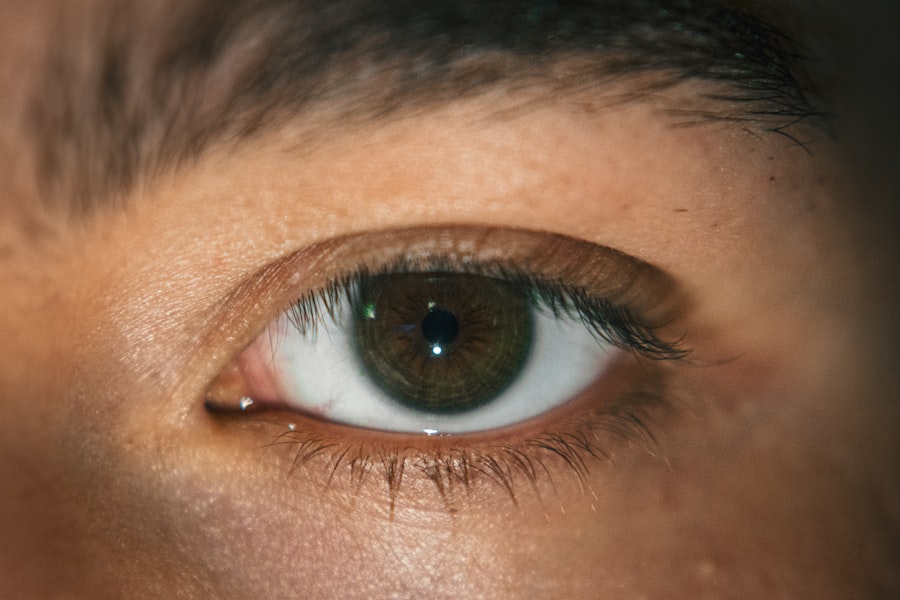
The common occurrence of “baby blues” is a defining characteristic of this developmental stage. It’s a testament to the immaturity of the melanocytes at birth.
The Absence of Pigment, Not the Presence of Blue
The blue you see in your newborn’s eyes isn’t due to a blue pigment. Instead, it’s a reflection of how light interacts with the iris when it’s largely devoid of melanin.
The Stroma and Light Scattering
- The Iris Stroma: This is the spongy, connective tissue that forms the bulk of the iris. In infants with low melanin, the collagen fibers within the stroma are more exposed.
- Rayleigh Scattering Explained: When light, with its full spectrum of colors, enters the iris, it encounters these collagen fibers. Shorter wavelengths of light (blue) are scattered more effectively than longer wavelengths (red and yellow). This scattered blue light is what your brain perceives as eye color.
Why Some Babies Have Darker Eyes Initially
While many newborns have blue or grey eyes, some are born with darker eyes. This is simply an indication that their melanocytes have already begun producing a more significant amount of melanin, either due to a stronger genetic predisposition or a more rapid maturation process.
- Early Melanin Production: If your baby’s genes dictate a high level of melanin production, you might see darker eyes from birth. These eyes might still darken further, but the initial hue will be less dramatically blue.
- Genetic Predisposition: This directly links back to the complex genetic inheritance discussed earlier. Some genetic combinations lead to earlier and more robust melanin synthesis.
The perceived blue in newborns is not a fixed trait but a temporary state reflecting developmental immaturity.
When to Expect Color Stabilization
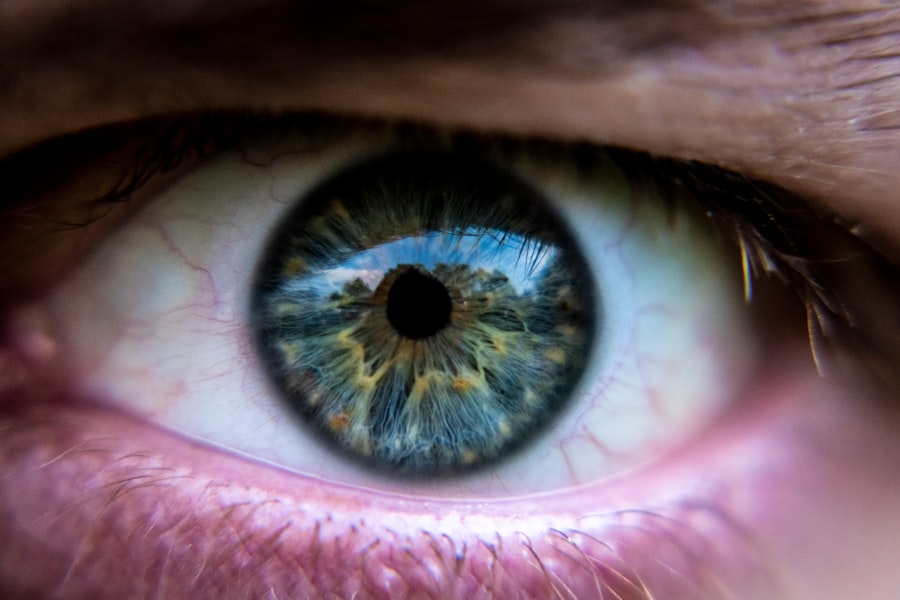
The process of eye color change isn’t an overnight marvel; it’s a gradual transition that, for most babies, reaches its conclusion within the first two years of life.
The Typical Timeline for Stabilization
While there can be exceptions and very subtle shifts may continue, the most noticeable and significant changes in eye color usually occur within the first 12 to 24 months.
Key Milestones in Color Development
- Birth to 3 Months: Many babies will have what appears to be blue or grey eyes. You might observe very subtle hints of other colors beginning to emerge, especially in the center of the iris.
- 3 to 6 Months: This period often sees the first noticeable darkening. If your baby is destined for brown eyes, you’ll start to see them transitioning from blue to a lighter brown or hazel. For those with green or hazel potential, you might see flecks of green or gold appearing.
- 6 to 12 Months: The color will likely continue to deepen and become more defined. What might have been a patchy or shifting color will start to settle into a more consistent hue.
- 12 to 24 Months: By this stage, your baby’s eye color is usually considered to be their permanent shade. The pigment production has largely stabilized, and the iris has reached its mature melanin concentration.
Variations and Less Common Scenarios
While the typical timeline applies to the majority of infants, it’s important to acknowledge that variations exist.
- Extended Color Change: In a small percentage of individuals, very subtle color shifts can continue into early childhood, even up to age 5 or 6. However, these changes are usually minor and don’t involve a dramatic shift from one color to another.
- Persistent Blue Eyes: Some individuals genetically inherit blue eyes and will maintain them throughout their lives. This is because their melanocytes produce very little melanin.
- Heterochromia: This is a rare condition where an individual has irises of different colors, or different colors within the same iris. It can be congenital (present at birth) or acquired later in life due to injury or disease. Congenital heterochromia is often benign and genetic.
If you have concerns about your baby’s eye development beyond the natural color changes, consult with a pediatrician or an ophthalmologist.
Many parents are often surprised to discover that their infant’s eye color can change during the first year of life. This phenomenon is primarily due to the amount of melanin produced in the iris, which can fluctuate as the child grows. For a deeper understanding of the science behind this intriguing change, you can explore a related article that delves into the genetics and biology of eye color in infants. To read more, check out this informative piece on Freaky Science.
What Does This Mean for You, the Parent?
| Reasons for Eye Color Changes in Infants |
|---|
| Genetics |
| Presence of melanin |
| Exposure to light |
| Development of iris pigment cells |
Observing your baby’s eye color change is a deeply personal and often cherished experience. It’s a tangible reminder of their growth and development.
Appreciating the Journey
Rather than solely focusing on the final outcome, try to enjoy the ongoing transformation. Each stage offers a unique glimpse into your baby’s evolving physical characteristics.
Moments of Observation
- Morning Light: Pay attention to how the light falls on your baby’s eyes at different times of the day. Sunlight can subtly alter the perceived hue.
- Close Encounters: Spend quiet moments gazing into their eyes, noticing the subtle shifts and the emerging patterns. These intimate interactions can be incredibly rewarding.
- Comparing to Family: You might start to see resemblances to yourself, your partner, or other family members. This can be a fun way to connect their development to your family’s genetic history.
When to Seek Professional Advice
While eye color changes are normal, there are instances where professional consultation is warranted.
- Sudden or Drastic Changes: If you notice a sudden and significant change in your baby’s eye color or a concerning asymmetry between the eyes, consult with a healthcare professional.
- Discoloration or Cloudiness: Any persistent cloudiness in the iris, unusual spots, or changes in pupil shape should be evaluated by a doctor.
- Concerns about Eye Health: If you have any general concerns about your baby’s vision or eye health, including their development of eye color, don’t hesitate to reach out to your pediatrician or a pediatric ophthalmologist.
The evolution of your baby’s eye color is a scientifically explained, yet wonderfully magical, part of their early life journey. It’s a testament to the intricate interplay of genetics and biological development, a subtle dance of light and pigment that culminates in the unique gaze that will become so familiar to you.
FAQs
1. What causes an infant’s eye color to change?
The color of an infant’s eyes can change due to the amount and distribution of melanin, the pigment that gives eyes their color. As a baby’s eyes develop, the amount of melanin can increase or decrease, leading to changes in eye color.
2. At what age do most infants’ eye colors stabilize?
Most infants’ eye colors stabilize by the time they are around 6 to 9 months old. However, some children’s eye colors may continue to change until they are 3 years old.
3. Can an infant’s eye color change back to the parents’ eye color?
Yes, it is possible for an infant’s eye color to change back to the eye color of one or both parents. This can occur as the amount of melanin in the eyes continues to develop and change during the first few years of life.
4. Are there any factors that can influence an infant’s eye color change?
Genetics play a significant role in determining an infant’s eye color, as the genes inherited from the parents can influence the amount of melanin in the eyes. Additionally, exposure to light and the environment can also impact the development of eye color.
5. Is it possible for an infant’s eye color to remain the same throughout their life?
While it is rare, some infants’ eye colors may remain the same throughout their life. This is more likely to occur if both parents have the same eye color, as there is a higher chance of the infant inheriting the genes for that specific eye color.