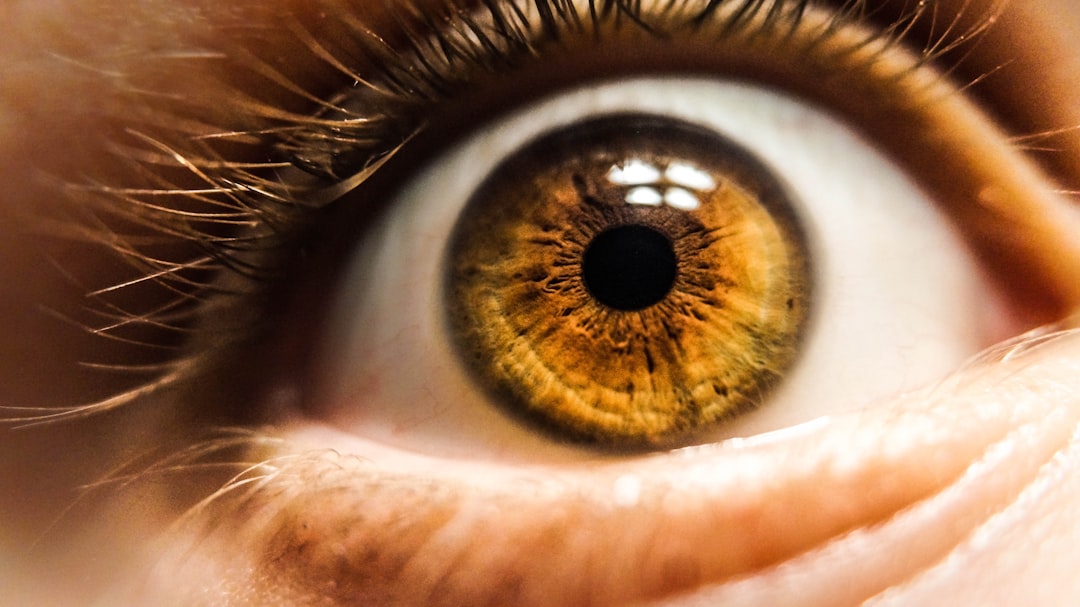
You possess dark eyes. This is not a casual observation; it’s a biological reality that influences your interaction with the world, especially when the sun shines with its full, unadulterated intensity. While many might associate lighter eyes with a certain delicate aesthetic in bright conditions, your dark irises offer a distinct set of advantages, grounded in the fundamental principles of optics and physiology. This is not about inherent superiority, but about understanding the practical benefits that come with your specific ocular pigmentation.
Your dark eyes are characterized by a higher concentration of melanin in the iris. Melanin, the same pigment responsible for skin and hair color, plays a crucial role in light absorption. This abundance of melanin is the primary driver behind the advantages you experience in bright sunlight.
The Role of Melanin in Light Absorption
Melanin acts as a natural light-absorbing pigment. In your irises, this means that a greater proportion of incoming light is absorbed rather than reflected. This absorption is a fundamental optical process that has direct consequences for how your eyes function when exposed to harsh illumination.
Variations in Melanin Distribution
It’s important to acknowledge that even among individuals with dark eyes, there can be variations in the precise distribution and density of melanin. This can lead to subtle differences in perceived color, ranging from deep brown to near-black. However, the overarching principle of higher melanin content remains consistent.
The Structural Significance of the Iris
The iris itself is a complex muscular diaphragm responsible for controlling the size of the pupil. Its pigmentation, particularly the melanin content, directly impacts its light-filtering capabilities. Think of it as a sophisticated curtain that adjusts to regulate the amount of light entering your eye.
Research suggests that individuals with darker eyes may have an advantage in bright light conditions due to the increased melanin content in their irises, which helps to reduce glare and enhance visual acuity. This phenomenon is explored in detail in the article found at Freaky Science, where the relationship between eye color and light sensitivity is examined. The findings indicate that darker eyes can absorb more light, potentially leading to improved vision in sunny environments compared to lighter-colored eyes.
Enhanced Glare Reduction: Your Natural Shield
One of the most immediate and noticeable advantages of having dark eyes in bright light is their enhanced ability to reduce glare. Glare, the discomfort and visual impairment caused by excessive or uneven light, can be a significant issue for many. Your ocular pigmentation provides a built-in defense mechanism against this.
The Physics of Light Reflection
Light reflects off surfaces, and this reflected light can be intensely bright and disorienting. Objects like sidewalks, water, and even snow can become significant sources of glare. The melanin in your iris absorbs more of this scattered light before it can reach your retina, effectively minimizing its impact.
Why Lighter Eyes Are More Susceptible to Glare
Individuals with lighter eyes – those with less melanin – tend to reflect more light from the iris. This reflected light can scatter within the eye, contributing to the sensation of glare and discomfort. Your eyes, by absorbing more of this light, are less prone to this internal scattering.
Direct vs. Indirect Light Absorption
Your dark irises are particularly effective at absorbing both direct sunlight and indirect, scattered light. This means that whether you’re looking directly at a bright surface or experiencing general ambient brightness, your eyes are more efficiently filtering out the excess illumination.
The Impact on Visual Clarity
By reducing glare, your dark eyes allow for improved visual clarity in bright conditions. This means you can often discern details and perceive your surroundings with greater ease and less strain.
Distinguishing Fine Details in Sunlight
When you’re trying to read a sign, identify a person in the distance, or simply navigate complex visual environments under a bright sky, the reduced glare from your dark eyes can make a tangible difference in your ability to see clearly.
Reduced Eye Fatigue
The constant struggle against glare can lead to significant eye fatigue. Your eyes work harder to process the overwhelming light. By absorbing more of this light, your dark eyes reduce the burden on your visual system, contributing to a feeling of greater comfort and less strain.
Superior Contrast Perception in Sunny Conditions

Beyond simply reducing discomfort, your dark eyes can also contribute to a heightened perception of contrast when the sun is at its peak. Contrast is the difference in light intensity between different parts of an image, and it’s crucial for our ability to distinguish objects and features.
The Mechanism of Contrast Enhancement
When light is intensely bright, the overall illumination can wash out subtle differences in brightness between objects. The light-absorbing properties of your dark irises can help maintain a greater dynamic range within your visual perception, allowing you to perceive these subtle differences more effectively.
How Melanin Affects Photoreceptor Saturation
The retina contains photoreceptor cells (rods and cones) that convert light into electrical signals. In extreme brightness, these cells can become “saturated,” meaning they can no longer respond effectively to further increases in light. The melanin in your iris acts as a pre-filter, reducing the amount of light that reaches the retina and consequently lessening the likelihood of photoreceptor saturation. This allows a broader range of light intensities to be processed.
The Benefit of a Wider Dynamic Range
Think of dynamic range as the spectrum of light that a camera sensor can capture without losing detail in either the highlights or the shadows. Your dark eyes, by virtue of their light absorption, can effectively maintain a wider dynamic range in your visual perception under bright conditions, allowing you to see both brighter and darker areas with more detail.
Practical Applications of Improved Contrast
This enhanced contrast perception can be beneficial in a variety of everyday situations.
Navigating Textured Surfaces
When walking on uneven or textured surfaces, the ability to perceive subtle changes in light and shadow is crucial for balance and avoiding trips. Your dark eyes can provide a clearer picture of these textures in bright sunlight.
Identifying Objects Against Bright Backgrounds
Spotting a dark object against a bright sky or a light-colored wall can be challenging for those prone to glare. Your superior contrast perception can make these distinctions easier.
Reduced Sensitivity to Flashes and Sudden Brightness
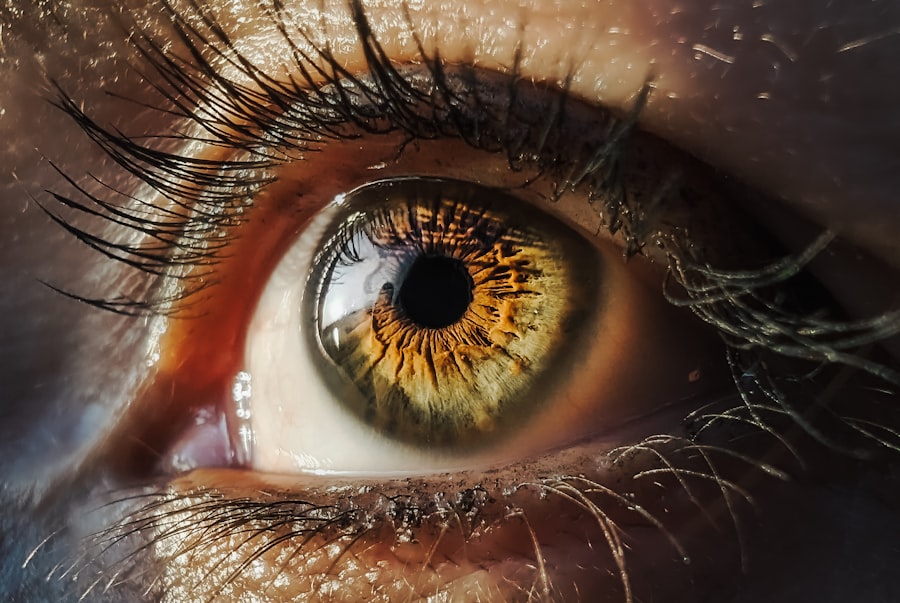
Another distinct advantage you possess is a reduced sensitivity to sudden flashes of light or abrupt transitions from darker to brighter environments. This is directly related to the light-filtering capabilities of your dark irises.
The Role of Pupil Constriction
While both light and dark eyes have pupils that constrict in response to bright light, the initial filtering provided by the iris plays a significant role. Your irises, absorbing more light upfront, mean that less light needs to be processed by the pupil constricting mechanism.
The Pace of Adaptation
This doesn’t necessarily mean your pupils don’t constrict. Rather, the overall intensity of light reaching your retina is already moderated. This can lead to a more comfortable and less jarring transition when moving from a shaded area into direct sunlight, or when encountering sudden light sources.
Fewer Instances of “Seeing Stars”
The phenomenon of momentarily seeing spots or “stars” after exposure to a bright flash is often a result of photoreceptor overstimulation. Your eyes are less likely to experience this overstimulation due to the protective light-absorbing quality of your irises.
Everyday Scenarios Where This Matters
This resilience to sudden brightness has practical implications in numerous situations.
Driving in Varying Light Conditions
Transitioning from tunnels to bright sunlight, or dealing with oncoming headlights at night, can be disorienting. While not a direct substitute for proper night vision, the reduced shock of sudden brightness can contribute to a more comfortable driving experience in daylight.
Social Interactions in Bright Settings
Being able to maintain eye contact without squinting or looking away immediately when someone directs a flashlight or a bright camera at you is a subtle but undeniable social advantage.
Research has shown that individuals with darker eyes may have an advantage when it comes to seeing in bright light conditions. This phenomenon is attributed to the increased melanin levels in darker irises, which can help reduce glare and enhance visual acuity. For a deeper understanding of this topic, you can explore a related article that discusses the science behind eye color and vision by visiting Freaky Science. This resource provides valuable insights into how eye pigmentation influences our perception of light and color.
Aesthetic Considerations and Perception
| Reasons why dark eyes see better in bright light |
|---|
| 1. More melanin in the iris absorbs excess light, reducing glare and improving vision. |
| 2. Dark eyes have more pigment to protect against harmful UV rays, reducing the risk of eye damage. |
| 3. The increased pigment in dark eyes may enhance contrast sensitivity, making it easier to see in bright light. |
| 4. Dark eyes may have a larger pupil size, allowing more light to enter the eye and improving vision in bright conditions. |
While this article focuses on functional advantages, it’s impossible to entirely divorce optics from perception. The aesthetic qualities of dark eyes in bright light are often observed and commented upon, suggesting that there’s a perceived benefit in how others see you, and perhaps how you see yourself in these conditions.
The Depth and Intensity of Dark Eyes
In bright sunlight, the dark color of your irises often appears richer and more intense. This can create a striking visual contrast that many find appealing.
The Illusion of Depth
The light-absorbing nature of dark irises can create an illusion of greater depth, making your eyes appear more captivating. This is a purely perceptual effect, but one that is frequently noted.
Contrast with Surrounding Features
The deep hue of your eyes can also create a strong contrast with the brightness of the surrounding environment, drawing attention to your gaze.
How Bright Light Can Accentuate Dark Eyes
Far from being lost in the glare, bright light can, in fact, enhance the visual impact of your dark eyes.
The Shine and Sparkle Effect
When light hits the surface of your iris, the pigments in dark eyes often reflect light in a way that creates a luminous shine or sparkle, making your eyes appear more vibrant.
The Clarity of the Sclera
As your irises effectively filter light, the whites of your eyes – the sclera – may appear clearer and brighter in contrast to your dark pupils, further accentuating your gaze.
Conclusion: Embracing Your Ocular Advantage
Your dark eyes are not merely a cosmetic feature; they are a biological adaptation that bestows tangible benefits, particularly in the challenging conditions of bright sunlight. From filtering out the harsh glare that can impair vision and cause discomfort, to enhancing contrast for a clearer perception of the world, these advantages are rooted in the fundamental way your irises interact with light.
Understanding these benefits allows you to appreciate the inherent resilience and functionality of your eyes. While the world often celebrates the perceived fragility of lighter eyes in the sun, your dark irises offer a quiet, built-in strength, enabling you to navigate bright environments with greater ease, clarity, and comfort. It’s not about needing special eyewear as frequently, or suffering from the debilitating effects of glare. It’s about the inherent capability your eyes possess to engage with intense light, allowing you to experience the world with a sharper, more comfortable vision. Embrace this endowment, for it allows you to confront the sun’s brilliance not with trepidation, but with a calm, visual advantage.
FAQs
1. Why do dark eyes see better in bright light?
Dark eyes have more melanin, which helps to absorb and dissipate excess light, allowing for better vision in bright light conditions.
2. How does melanin in dark eyes affect vision in bright light?
Melanin acts as a natural sunblock for the eyes, reducing glare and improving contrast sensitivity, which can enhance vision in bright light.
3. Do people with light eyes have more sensitivity to bright light?
Yes, people with lighter eyes have less melanin to absorb and dissipate light, making them more sensitive to bright light and glare.
4. Are there any disadvantages to having dark eyes in low light conditions?
While dark eyes may provide an advantage in bright light, they may have slightly reduced night vision compared to lighter eyes due to the increased absorption of light.
5. Can eye color affect overall visual acuity?
Eye color does not directly affect visual acuity, but it can impact how the eyes respond to different light conditions, which can influence overall visual perception.