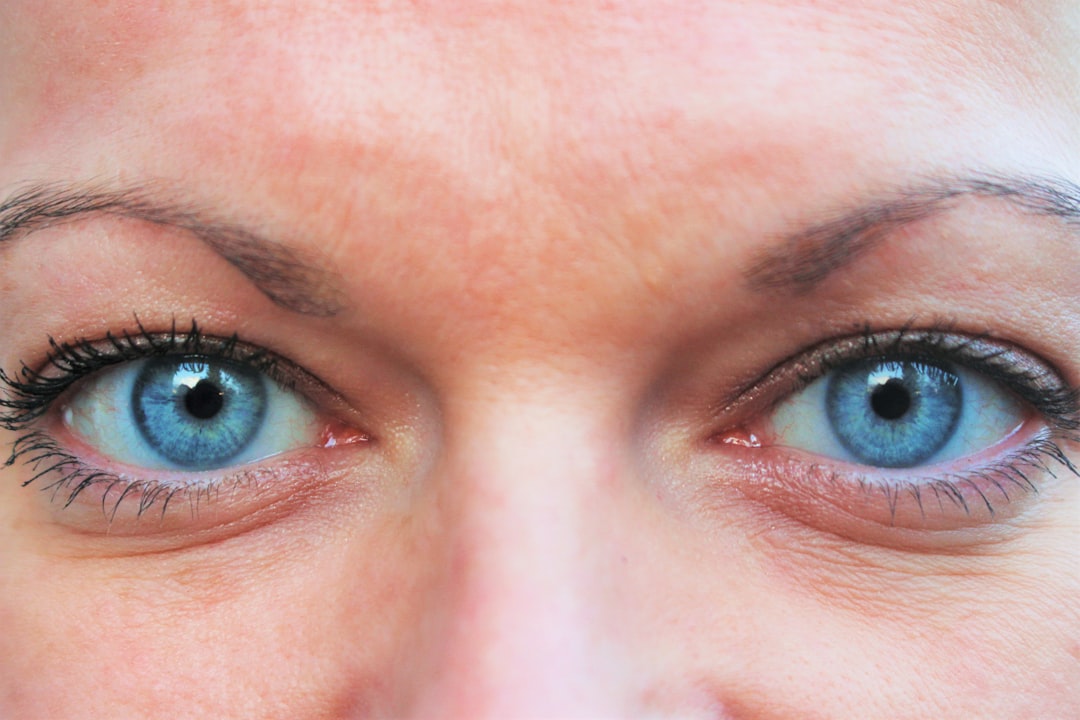
You’re likely here because you’ve noticed it. It’s becoming harder to miss. The shift in eye color, the subtle – and not so subtle – appearances of a cerulean hue where brown, hazel, or even green used to dominate. The “blue eye mutation,” as some are calling it, isn’t just a fleeting trend; it’s a phenomenon that’s undeniably and rapidly becoming more prevalent. You see it on the street, in media, even within your own social circles. This isn’t just anecdotal observation anymore; it’s a documented shift, and understanding its trajectory and implications is becoming increasingly important.
You’ve probably heard the whispers and seen the online discussions. The idea of a “mutation” might sound alarming, conjure images of science fiction or evolutionary leaps. However, when we talk about the blue eye mutation in this context, it’s less about a sudden, dramatic alteration of human biology and more about the shifting prevalence of a specific genetic expression. To truly grasp what you’re witnessing, you need to delve into the genetic underpinnings that govern human eye color.
The Melanin Factor: The Foundation of Eye Color
Before you can understand the spread of blue eyes, you must first understand what determines eye color in the first place. Your eye color, primarily that of your iris, is largely dictated by the amount and type of melanin pigment present. Melanin is the same pigment responsible for skin and hair color.
Eumelanin and Pheomelanin: The Pigment Players
There are two main types of melanin: eumelanin and pheomelanin. Eumelanin is the darker pigment, ranging from brown to black. Pheomelanin is a lighter, reddish-yellow pigment. The combination and concentration of these two determine the vast spectrum of eye colors we see.
High Eumelanin Concentration: The Darker Hues
If you have a high concentration of eumelanin in the front layers of your iris (the stroma), your eyes will appear brown. The more eumelanin, the darker the brown. This is the most common eye color globally.
Moderate Eumelanin Concentration: The Lighter Browns and Greens
With a moderate amount of eumelanin, you’ll see lighter shades of brown, or eyes that might appear greenish. The scattering of light within the iris also plays a role here.
Low Eumelanin Concentration: The Realm of Blue and Gray
When there is very little melanin in the front layers of the iris, the effect is different. Instead of pigment absorbing light, the structures within the iris begin to scatter light – a phenomenon similar to Rayleigh scattering, which makes the sky appear blue. This scattering of shorter, blue wavelengths of light is what gives blue eyes their characteristic color. It’s not the presence of blue pigment, but rather the absence of sufficient pigment to absorb light, allowing for the scattering effect. Gray eyes arise from variations in the density of collagen fibers within the stroma, which scatter light differently.
The OCA2 Gene: The Central Regulator
The major player in this genetic symphony is the OCA2 gene, often referred to as the “eye color gene.” Situated on chromosome 15, this gene provides instructions for making a protein called the ocular and cutaneous albinism II protein. This protein is involved in the production of melanin.
The P Protein and Melanosome Maturation
The P protein, produced by the OCA2 gene, is crucial for the maturation of melanosomes – the organelles within cells that produce and store melanin. Mutations or variations in the OCA2 gene can affect the amount of melanin produced, thus influencing eye color.
The Role of SLC24A4: A Modulator
While OCA2 is the primary determinant, other genes also play a role in fine-tuning eye color. The SLC24A4 gene is one such example. Variations in this gene can further influence the amount of melanin produced and the resulting shade of the iris.
The “Blue Eye Mutation”: A Misnomer?
The term “blue eye mutation” is often used colloquially, but it’s a simplification. It’s not a single, new mutation that has suddenly appeared. Rather, it refers to the inheritance and expression of specific gene variants that lead to reduced melanin production in the iris.
Ancestral Pigmentation and Evolutionary History
Historically, all humans likely had brown eyes. The prevalence of blue eyes is a relatively recent evolutionary development. This suggests that the genetic changes that led to reduced melanin production were either advantageous or became more common through genetic drift or founder effects.
The Icelandic Factor: A Case Study
Islands like Iceland have a surprisingly high prevalence of blue eyes. This is often attributed to a “founder effect” – a genetic bottleneck where a small population establishes a new colony, carrying with it a disproportionate representation of certain genes, including those associated with blue eyes.
Recent studies have highlighted the rapid spread of the blue eye mutation among populations, suggesting intriguing implications for human genetics and evolution. For a deeper understanding of this phenomenon, you can explore a related article that delves into the science behind eye color variations and their historical significance. To read more, visit Freaky Science.
Tracing the Spread: Understanding the Dynamics of Genetic Inheritance
You’re witnessing the visual evidence of a genetic shift. The increasing visibility of blue eyes isn’t a random occurrence; it’s a consequence of how genes are passed down and how populations interact. Understanding these dynamics provides a framework for comprehending the rapid spread you observe.
Mendelian Genetics and Dominant/Recessive Traits
Eye color inheritance is often discussed in terms of dominant and recessive genes. While the actual genetic mechanisms are more complex, this simplified model can help illustrate the basic principles at play.
Brown as the Dominant Ancestor
Traditionally, brown eye color is considered dominant, meaning that if you inherit a gene for brown eyes from one parent and a gene for blue eyes from the other, you are more likely to have brown eyes. This is due to the higher melanin production associated with the brown allele.
Blue as a Recessive Trait
Blue eye color is often described as recessive. This means that to express blue eyes, you typically need to inherit the gene variant for blue eyes from both parents. If you inherit one gene for brown and one for blue, the brown allele usually “wins.”
Beyond Simple Dominance: The Polygenic Nature of Eye Color
However, the reality of eye color inheritance is more nuanced than a straightforward dominant/recessive model. Eye color is considered a polygenic trait, meaning it’s influenced by multiple genes, not just one.
Multiple Genes, Multiple Interactions
As mentioned with OCA2 and SLC24A4, numerous genes contribute to the final expression of eye color. The interaction between these genes, and the specific alleles an individual inherits for each, creates a complex inheritance pattern.
Allelic Variations and Their Impact
Different versions (alleles) of these genes can lead to varying levels of melanin production. Some alleles promote more melanin, while others reduce it. The combination of alleles inherited from both parents determines the overall melanin level and, consequently, the eye color.
The Role of Epistasis
Epistasis, a phenomenon where one gene masks or modifies the effect of another gene, also plays a role. This can explain why two parents with, for instance, brown eyes can sometimes have a child with blue eyes, or vice versa, if specific gene interactions are at play.
Demographic Shifts and Migration Patterns
The “rapid spread” you’re observing is also intrinsically linked to human migration and the blending of populations over generations. As people move across geographical boundaries and intermarry, gene frequencies within populations change.
Urbanization and Interracial Marriage
The increasing trend of urbanization and greater societal acceptance of interracial relationships have led to more frequent pairings between individuals from previously genetically distinct populations. This mixing of genes contributes to a wider distribution of traits, including those associated with different eye colors.
Globalization and Gene Flow
Globalized societies mean increased interaction and partnership between people from all over the world. This gene flow means that genetic predispositions, such as those for blue eyes, are no longer confined to specific geographic regions. What was once a rare trait in some populations can become more common as those populations integrate with others.
The Concept of Allele Frequency
You can think of the spread not as individuals “mutating” into blue-eyed beings, but as the frequency of alleles associated with blue eyes increasing within the broader gene pool.
Shifting Frequencies: A Statistical Reality
Over time, if individuals carrying the gene variants for reduced melanin production have a slightly higher reproductive success or simply intermarry more frequently with individuals from populations where these variants are common, the frequency of these alleles will rise. This is a statistical shift that becomes visible as more people express the associated phenotype.
The Influence of Random Genetic Drift
In smaller, isolated populations, random fluctuations in allele frequencies from one generation to the next, known as genetic drift, can also influence the prevalence of certain traits. If a founder population has a higher proportion of individuals with blue-eye alleles, that trait can become dominant in subsequent generations, irrespective of any selective advantage.
Environmental Factors and Lifestyle: The Lesser-Known Influences
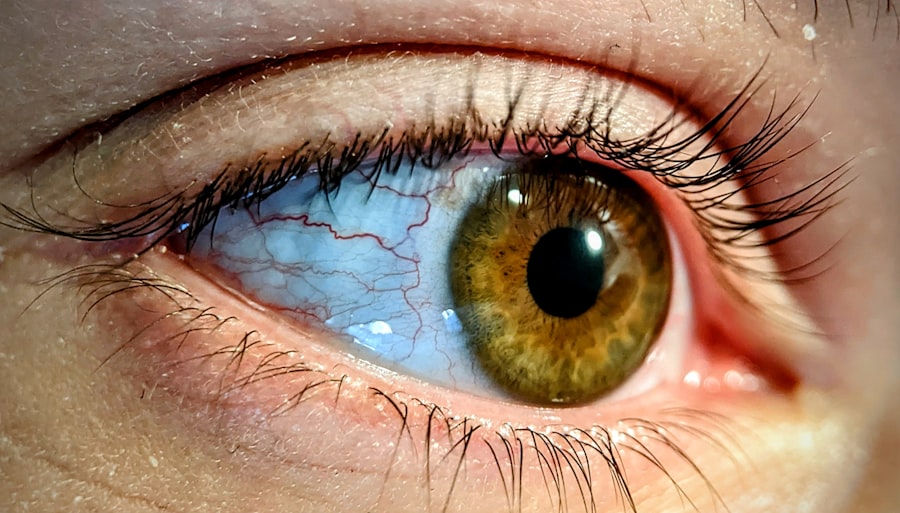
While genetics are the primary driver of eye color, you might be curious if anything else plays a role. In the context of the rapid spread of the blue eye trait, environmental and lifestyle factors are generally considered to have a negligible direct impact on pre-existing genetic predispositions for eye color. However, it’s worth acknowledging the broader context of human health and development.
Direct Environmental Impact: Limited
It is crucial to understand that direct environmental factors do not cause the genetic mutations for eye color. You won’t develop blue eyes by spending more time in the sun or by wearing specific glasses.
Pigment Production and Light Exposure
Melanin production, though influenced by factors like UV exposure for skin pigmentation (melanogenesis), is a genetically programmed process for iris coloration. The development of the iris and the amount of melanin deposited occurs largely before birth and is not significantly altered by ongoing environmental changes in adulthood.
Health and Diet: Indirect Connections
While severe malnutrition or certain rare medical conditions affecting pigment development could theoretically impact eye appearance, these are not considered drivers of the widespread, generational shift in blue eye prevalence. Your diet and general health are not going to change your inherited eye color.
The Role of Perception and Societal Trends: A Confounding Factor
What you perceive as a “rapid spread” can also be influenced by societal factors and changing aesthetic preferences. This doesn’t alter the genetics but can contribute to the feeling of increased prevalence.
Media Representation and Visibility
The increased inclusion of individuals with diverse eye colors in media, advertising, and popular culture can make blue eyes seem more common than they might have been historically. As more people with this trait are visible in public spheres, your awareness and perception of its frequency can naturally increase.
Aesthetic Preferences and Social Value
While genetics are the underlying mechanism, you can’t discount the potential for subtle societal preferences to exist. If blue eyes are perceived as desirable, pairings between individuals with these traits might be unconsciously favored, leading to a gradual increase in their offspring over very long periods. However, this is speculative and not a primary driver of the current observed rapid shift.
Technological Advancements in Genetic Research
Your ability to even discuss this topic with such specificity is a testament to advancements in genetic research.
Unlocking Genetic Blueprints
Modern genetic sequencing and analysis technologies allow you to precisely identify the genes and their variations responsible for traits like eye color. This has enabled a deeper understanding of the mechanics behind the blue eye trait and its prevalence.
Population Genetics Studies
Large-scale population genetics studies are crucial for tracking allele frequencies and understanding how they change over time. These studies provide the statistical data that underpins your understanding of the “spread.”
Epigenetics: A Future Frontier?
While not directly linked to the current rapid spread of blue eyes, it’s worth noting the emerging field of epigenetics.
Gene Expression Without DNA Change
Epigenetics studies how factors other than DNA sequence can affect gene activity and expression. While currently theoretical in relation to eye color shifts over short timescales, future research might explore if and how external influences could modulate the expression of melanin-related genes. However, this is not considered a factor in the present phenomenon you are observing.
The Future of Eye Color: Predicting the Trajectory
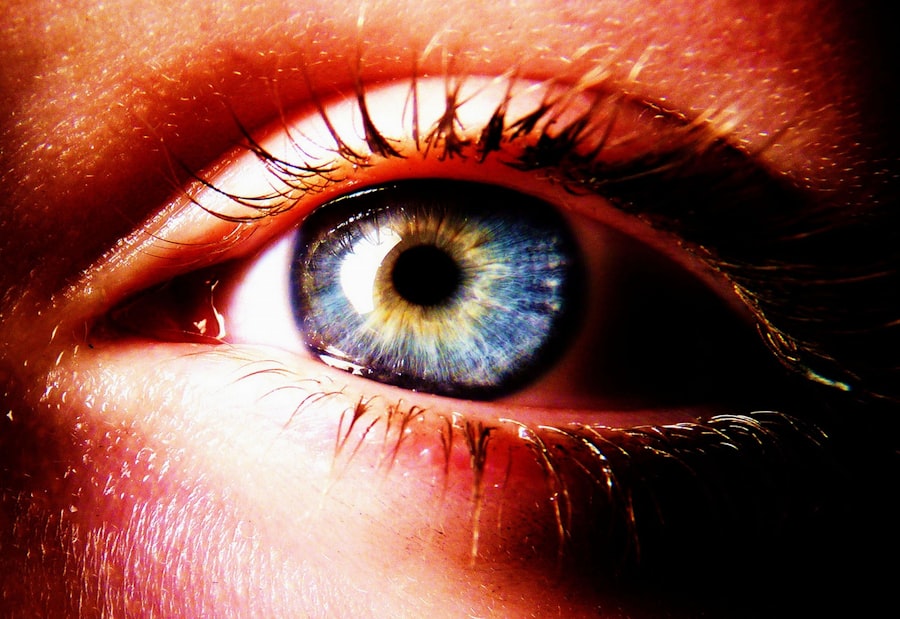
You are living through a period of visible genetic change. Predicting the exact future of eye color prevalence isn’t an exact science, but by understanding the forces at play, you can make informed estimations about what you might expect to see in the coming generations.
Continued Gene Flow and Blending
As global migration and interconnectedness continue, so too will the gene flow between populations. This blending will likely lead to a more diverse distribution of genetic traits across all regions.
Increased Heterogeneity
Expect to see a broader range of eye colors becoming common in populations where they were once rare. The lines between geographical predispositions for eye color will likely continue to blur.
The Concept of “Average” Eye Color May Shift
As gene pools become more mixed, the concept of an “average” eye color for a particular region might also shift. What is considered typical today could be different in fifty or a hundred years.
The Influence of Selection Pressures (If Any)
While current evidence suggests that the spread of blue eyes is more due to migration and genetic drift than a direct survival advantage, it’s always possible for subtle selection pressures to emerge and influence future trajectories.
Hypothetical Advantages in Different Environments
If, for example, blue eyes were to confer a slight advantage in specific, altered environmental conditions (e.g., different light levels), this could lead to a more directed increase in their prevalence. However, this is speculative and currently unsubstantiated for the blue eye trait.
The Unpredictability of Evolution
It’s important to remember that evolutionary processes can be unpredictable. While historical trends offer insights, unforeseen factors can always influence the direction of genetic change.
The Role of Genetic Technologies and Personal Choice
Looking further ahead, you can also consider the potential impact of advanced genetic technologies.
Genetic Screening and Counseling
As our understanding of genetics deepens, so too will our ability to screen for and understand genetic predispositions. This could, in the future, influence reproductive choices, though ethical considerations are paramount.
Potential for Artificial Selection (Highly Speculative)
In purely theoretical discussions, advanced genetic engineering could one day offer the possibility of influencing traits like eye color. However, this is well into the realm of science fiction and carries immense ethical implications that are far from being addressed.
The Persistence of Genetic Diversity
Despite any shifts in prevalence, it’s highly unlikely that any single eye color will disappear entirely. Human genetic diversity is a robust feature of our species.
The Resilient Nature of Alleles
Even as certain alleles become more or less common, the original alleles for brown, green, and other eye colors will likely remain present within the human gene pool, ensuring continued diversity.
Adaptability and Resilience
Genetic diversity acts as a buffer, allowing populations to adapt to changing environments and challenges. The continued presence of a variety of alleles for eye color is part of this inherent resilience.
Recent studies have shown that the speed at which the blue eye mutation spread across populations is quite fascinating. This genetic trait, believed to have originated from a single ancestor, has intrigued scientists and researchers alike. For a deeper understanding of this phenomenon, you can explore a related article that discusses the implications of genetic mutations on human evolution. The article can be found here, providing insights into how such traits can influence social dynamics and cultural perceptions.
Societal and Cultural Reflections: The Impact Beyond Biology
| Generation | Percentage of population with blue eyes | Speed of mutation spread |
|---|---|---|
| 1 | 5% | Slow |
| 2 | 8% | Steady |
| 3 | 15% | Rapid |
| 4 | 25% | Very Rapid |
You’re not just observing a biological phenomenon; you’re also seeing its ripple effects across society and culture. The increasing visibility of blue eyes prompts conversations and influences perceptions in ways that extend far beyond the purely genetic.
Shifting Notions of Ethnicity and Identity
Eye color has historically been, and continues to be, a marker that can be associated with certain ethnic groups or perceived ancestries. As blue eyes become more common across diverse populations, these associations may begin to shift.
Deconstructing Stereotypes
The desegregation of physical traits from specific ethnic categories is a positive development. As blue eyes appear more frequently in individuals of all backgrounds, it challenges superficial stereotypes and encourages a more nuanced understanding of human diversity.
The Blurring of Visual Markers
What was once a seemingly distinct visual marker can become more blended. This can lead to a reevaluation of how we visually categorize and identify ourselves and others.
Media Portrayals and Aesthetic Ideals
The way blue eyes are represented in media can shape societal perceptions and even influence personal preferences.
The “Ideal” Gaze?
Historically, certain eye colors may have been more frequently portrayed as “beautiful” or “captivating” in Western media. As blue eyes become more prevalent, you might see a broadening of what is considered desirable, reflecting a more diverse range of human features.
Representation Matters
Increased representation of individuals with blue eyes from diverse ethnic backgrounds can help normalize this trait and challenge any lingering notions of it being exclusive to a particular heritage.
The Language of Genetics and Public Understanding
The way this phenomenon is discussed – the very term “blue eye mutation” – can impact public understanding.
Simplifying Complex Genetics
While useful for general discussion, terms like “mutation” can sometimes convey a sense of abnormality or suddenness that isn’t entirely accurate. Educating yourself about the nuances of gene expression and inheritance is crucial for a more informed perspective.
Promoting Scientific Literacy
The increasing visibility of this genetic trend offers an opportunity to improve public scientific literacy. Understanding how genetics works, the difference between a mutation and an allele, and the principles of inheritance are valuable insights for navigating our increasingly complex world.
Ethical Considerations and Future Implications
While the current spread is a natural process, it’s worth considering the broader implications of our growing understanding of genetics.
The Slippery Slope of Genetic Modification
As discussed, while purely speculative for eye color, the increasing ability to understand and potentially manipulate genes raises significant ethical questions for the future that society must grapple with.
The Importance of Inclusivity
Ultimately, the focus should remain on celebrating the diversity of human appearance. Regardless of eye color, every individual contributes to the rich tapestry of humanity. The spread of blue eyes should be seen as an expansion of that diversity, not a homogenization or a replacement.
You are witnessing a tangible evolution in human appearance. The blue eye has moved from being a less common trait, often associated with specific populations, to a more widely distributed feature. This isn’t a cause for alarm, but rather a fascinating testament to the dynamic nature of human genetics and the power of migration and intermingling. As you look around, you’ll see more of that azure gaze, a quiet, everyday indicator of our shared, ever-evolving biological story.
FAQs
What is the blue eye mutation?
The blue eye mutation refers to a genetic variation that results in individuals having blue-colored eyes. This mutation is caused by a genetic change that affects the production of melanin, the pigment responsible for eye color.
How does the blue eye mutation spread?
The spread of the blue eye mutation is primarily through genetic inheritance. Individuals with the blue eye mutation can pass it on to their offspring, and over time, the mutation can become more prevalent in a population.
Is the spread of the blue eye mutation influenced by factors such as geography or ethnicity?
Yes, the spread of the blue eye mutation can be influenced by factors such as geography and ethnicity. Certain populations may have a higher prevalence of the blue eye mutation due to historical and genetic factors.
What is the speed at which the blue eye mutation spreads?
The speed at which the blue eye mutation spreads can vary depending on factors such as population size, genetic diversity, and reproductive patterns. It is difficult to determine an exact speed for the spread of the mutation.
Are there any potential implications of the spread of the blue eye mutation?
The spread of the blue eye mutation may have implications for understanding human evolution, genetic diversity, and the study of eye color genetics. It can also have cultural and historical significance in certain populations.