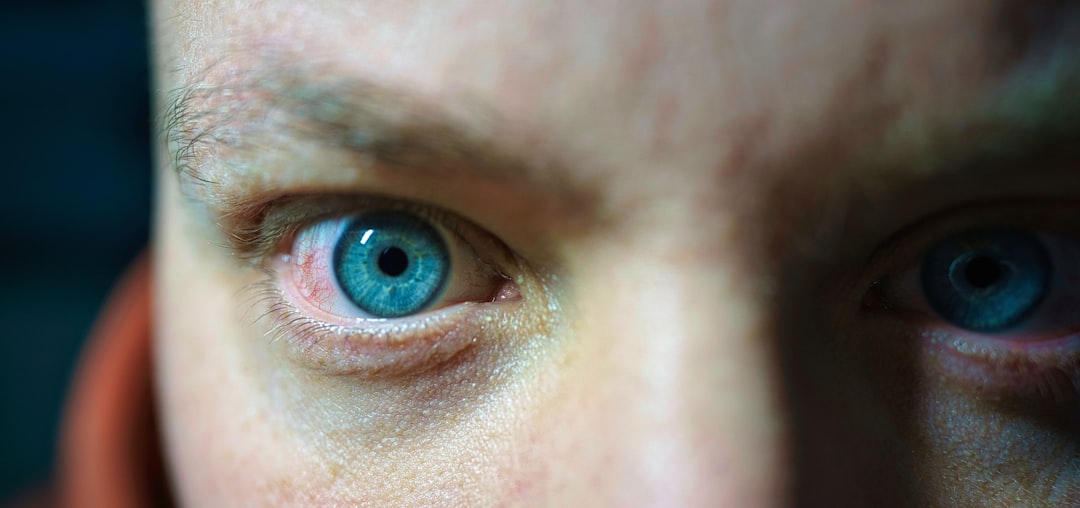
You often find yourself observing the world, and if you look closely, you’ll notice a striking uniformity in the eye colors around you. For every individual with a shade of green, amber, or the rarer violet, there are countless others with varying degrees of brown. This observation leads to a fundamental question: why is this the case? Your curiosity might also extend to the notion of “social selection,” a term you’ve likely encountered in discussions about how human societies influence evolutionary pressures. When you combine these two concepts – the prevalence of certain eye colors and the mechanisms of social selection – you begin to unravel a fascinating aspect of human variation and how our ancestors’ choices, conscious or not, have shaped the genetic landscape you see today, particularly concerning ocular pigmentation.
Before delving into social selection, it’s essential to grasp the biological underpinnings of eye color. You might assume eye color is a simple trait, perhaps determined by a single gene. However, the reality is more complex, involving a polygenic inheritance system where multiple genes contribute to the final phenotype.
Melanin: The Primary Pigment
The most crucial factor in determining eye color is the amount and type of melanin present in your iris. Melanin is a pigment produced by specialized cells called melanocytes.
Eumelanin: The Dark Pigment
Eumelanin is the primary pigment responsible for brown and black coloration. The higher the concentration of eumelanin in the iris, the darker the eyes appear. This is why individuals of East Asian and African descent predominantly have brown eyes.
Pheomelanin: The Reddish Pigment
While less significant in eye color than eumelanin, pheomelanin contributes to reddish and yellowish tones. It’s more commonly associated with hair and skin color but can play a subtle role in the nuances of hazel or lighter brown eyes.
Key Genes and Their Roles
Several genes have been identified that significantly influence melanin production and distribution within the iris.
OCA2: The Master Regulator
The OCA2 gene, located on chromosome 15, is often considered the most influential gene in eye color determination. It plays a vital role in the production of the P protein, which is involved in melanosome maturation, the structures within cells where melanin is synthesized and stored. Variations in OCA2 can lead to a wide spectrum of brown to blue eye colors.
HERC2: The Fine-Tuner
Another critical gene, HERC2, also on chromosome 15, acts as a regulator for OCA2. A specific variant within HERC2 can effectively “turn off” the expression of OCA2, drastically reducing melanin production in the iris and resulting in blue eyes. This is a prime example of how a single genetic change can have a profound phenotypic effect.
Other Contributing Genes
While OCA2 and HERC2 are the heavy hitters, other genes like SLC24A4, TYR, and TYRP1 also contribute to the complexity of eye color. These genes influence various stages of melanin synthesis and transport, leading to the subtle variations you observe, such as the difference between a light hazel and a deep chestnut. You recognize that this genetic foundation provides the raw material for the phenomenon of eye color rarity.
Social selection plays a fascinating role in the prevalence of rare eye colors, influencing mate preferences and social dynamics within various communities. An insightful article that delves into this topic can be found at Freaky Science, where the interplay between genetics and social factors is explored in depth. This resource provides a comprehensive overview of how unique physical traits, such as rare eye colors, can impact social interactions and partner selection, shedding light on the broader implications of social selection in human behavior.
The Distribution of Eye Colors: A Global Perspective
When you survey global populations, a clear pattern emerges: brown eyes are overwhelmingly the most common, followed by hazel and then green. Blue eyes, while more prevalent in certain European populations, are considerably rarer worldwide. Less common still are shades like amber and the exceptionally rare violet.
The Dominance of Brown
The ubiquity of brown eyes is a direct consequence of the genetic information that has been passed down through generations. The alleles (variations of genes) that code for higher melanin production are generally dominant. This means that if you inherit even one copy of a brown-eye allele, your eyes will likely be brown.
The Emergence of Lighter Colors
The evolution of lighter eye colors, such as blue and green, is believed to have occurred relatively recently in human history, likely within the last 10,000 years. This timing coincides with the migration of humans out of Africa and into less sunny regions of Europe.
The Blue Eye Mutation
The most significant event in the history of lighter eye colors was the emergence of a specific mutation in the HERC2 gene. This mutation, approximately 6,000 to 10,000 years ago, significantly reduced the amount of eumelanin in the iris, leading to the development of blue eyes. All individuals with blue eyes today likely share a common ancestor who carried this mutation.
Green and Other Shades
Green eyes arise from a combination of moderate melanin and the presence of lipochrome, a yellowish pigment. This is a more complex genetic interplay, often involving different alleles of OCA2 and other genes. Amber eyes, a distinct golden-brown hue, may be due to higher concentrations of pheomelanin relative to eumelanin.
Factors Influencing Rarity
The rarity of certain eye colors is a function of their evolutionary history and the genetic bottlenecks that populations have experienced.
Founder Effects
When a small group of individuals migrates and establishes a new population, they carry only a subset of the genetic diversity of the original population. If this founding group happens to have a rare eye color allele, that trait can become disproportionately common in the new population.
Genetic Drift
In smaller populations, random fluctuations in gene frequencies can lead to certain alleles becoming more or less common by chance, irrespective of their selective advantage. This can contribute to the rarity or prevalence of specific traits, including eye color.
You can see that the geographical distribution of eye colors is not random but reflects historical migrations and the genetic consequences of small founding populations.
Social Selection: An Unseen Hand in Evolution
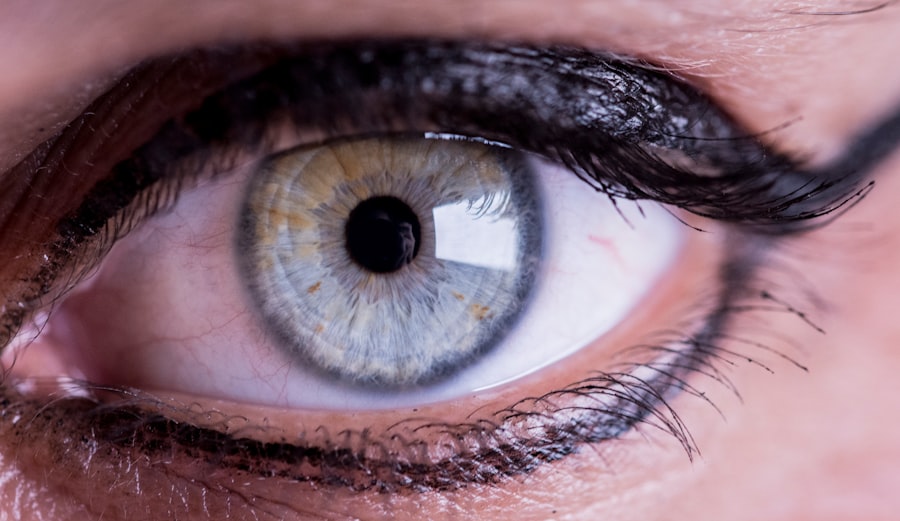
The concept of social selection, also known as cultural selection, proposes that human social behaviors and cultural norms can exert selective pressures on a population, influencing the evolution of traits. Unlike natural selection, which is driven by environmental challenges, social selection is shaped by the values, preferences, and interactions within a society.
What Constitutes Social Selection?
Social selection doesn’t always involve deliberate choice. It can manifest through:
Mate Preferences: Attraction and Choice
You may find yourself drawn to certain physical traits in potential mates, whether consciously or unconsciously. These preferences, amplified across generations, can lead to the increased frequency of traits that are deemed attractive.
Social Status and Prestige
Historically, certain physical characteristics have been associated with higher social status or prestige. Individuals possessing these traits might have had greater access to resources, better mating opportunities, and thus their genes would be passed on more successfully.
Group Identity and Conformity
In many societies, adherence to group norms, including physical appearance, can be rewarded. This can lead to a preference for traits that align with the prevailing cultural aesthetic.
The Interplay with Natural Selection
It’s crucial to understand that social selection and natural selection are not mutually exclusive. They can occur simultaneously and interact in complex ways. For instance, a trait that offers a survival advantage in a particular environment might also be favored socially, leading to a more rapid increase in its frequency.
Environmental Pressures vs. Social Desires
While natural selection might favor traits that enhance survival and reproduction in the face of environmental challenges (e.g., camouflage, disease resistance), social selection is driven by the intricate web of human social dynamics and perceived desirability.
You observe that social selection, though often subtle, can be a powerful force shaping human genetic diversity.
Social Selection and the Rarity of Eye Colors: A Proposed Link
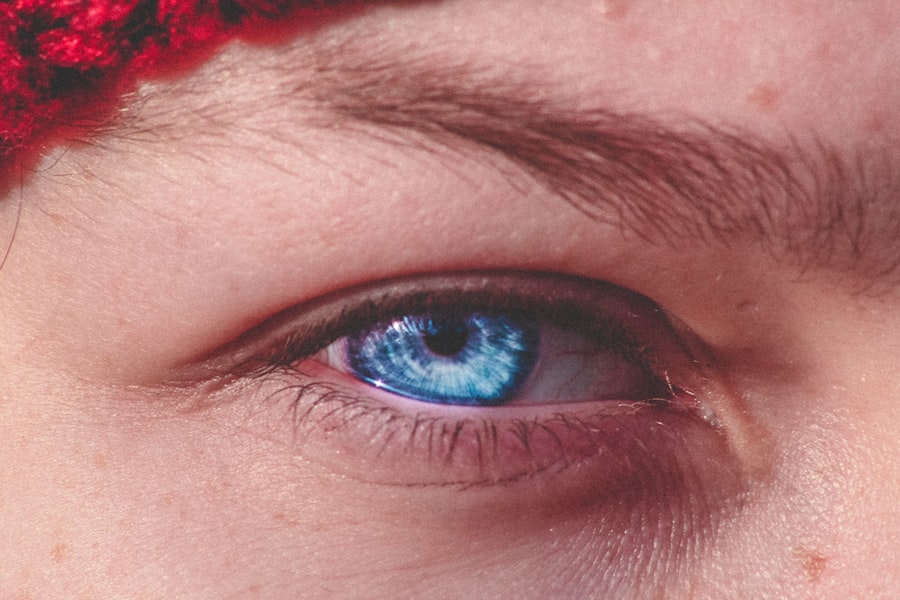
The question then arises: to what extent has social selection played a role in the rarity of certain eye colors, particularly the lighter ones? Given the genetic predisposition for brown eyes and the relatively recent emergence of lighter hues, it’s plausible that social factors have influenced their distribution.
The “Novelty” and “Exoticism” Hypothesis
One hypothesis suggests that lighter eye colors, being less common, may have held a degree of novelty or exoticism in populations where they appeared.
Perceived Uniqueness
In early European populations where blue and green eyes began to appear, these traits might have stood out, potentially attracting attention and admiration.
Association with “Favorable” Traits
Novel traits can sometimes become associated with perceived advantages, even if not directly linked to survival. This association, once established, can become self-perpetuating through social preferences.
The Influence of Migration and Adaptation
As humans migrated, they encountered new social landscapes. The introduction of a rare eye color into a population could have triggered social responses.
Population Bottlenecks and Founder Effects as Social Catalysts
While genetic drift and founder effects are biological mechanisms, they can also act as catalysts for social selection. When a rare trait becomes present in a small founding population, it can become a defining characteristic of that group, potentially influencing social perception and interaction.
Geographic Isolation and the Formation of Distinct Groups
Long periods of geographic isolation, which often contribute to genetic divergence, also allow for the development of distinct cultural norms and social hierarchies. Within these isolated groups, a particular eye color might have become a marker of identity or prestige.
The Case of Blue Eyes: A Socially Favored Mutation?
The relatively recent evolutionary origin of blue eyes provides a compelling case study for examining the potential role of social selection.
The “Fitness” of Rarity
If a trait is rare and perceived as distinctive or desirable, individuals possessing it might experience enhanced social standing or mating success, even without a direct survival advantage. This increased mating success, even a slight one, is enough to drive the spread of the gene in the population.
Theories of Recessive Trait Preference
Some theories suggest that recessive traits, which only manifest when two copies of the gene are present, might be favored in certain social contexts due to their potential for surprising combinations, or simply the fascination with a trait that is not universally expressed.
You recognize that proposing social selection as a driver for eye color rarity is not about assigning conscious bias, but rather about understanding how subtle, pervasive social dynamics can nudge genetic frequencies over time.
Social selection plays a fascinating role in the prevalence of rare eye colors, influencing both attraction and social dynamics among individuals. A related article discusses how unique traits, such as uncommon eye colors, can affect social interactions and mate selection, highlighting the interplay between genetics and social behavior. To explore this intriguing topic further, you can read the full article at Freaky Science. Understanding these connections can provide valuable insights into human relationships and the significance of physical traits in social contexts.
The Rarity of Eye Colors: Beyond Biology
| Eye Color | Percentage of Population | Social Selection |
|---|---|---|
| Blue | 8% | Often associated with attractiveness and perceived as more desirable |
| Green | 2% | Considered unique and can be a point of attraction |
| Hazel | 5% | Can be seen as exotic and intriguing |
| Amber | Less than 1% | Extremely rare and can be considered very unique |
While genetics provides the foundation, the story of eye color rarity, especially for the less common shades, is incomplete without considering the social dimensions. The rarity of green, amber, and violet eyes isn’t solely a consequence of random genetic mutations or the biology of melanin. It suggests a complex interplay where human social behavior has, in all likelihood, played a part.
The Aesthetic of Rarity
Human aesthetics are notoriously fickle and culturally influenced. What is considered attractive or striking can change over time and across different societies.
Shifting Beauty Standards
The very notion of rarity can itself become a component of perceived beauty. A trait that is uncommon might be seen as more special, more desirable, or simply more noticeable. This aesthetic preference can then translate into a subtle, yet persistent, social advantage for those who possess it.
The “Otherness” Factor
Historically, deviations from the norm can sometimes lead to fascination or, conversely, to suspicion. In the context of eye color, the “otherness” of rare shades might have contributed to their allure in certain social circles or historical periods.
Social Stratification and Symbolism
In various historical contexts, certain physical traits have become intertwined with social stratification and symbolic meaning.
Markers of Lineage or Caste
While not as pronounced for eye color as for other traits, it’s conceivable that certain eye colors may have, at different times and in different cultures, been associated with particular lineages, social classes, or even perceived spiritual qualities. Such associations, even if based on myth or tradition, can influence mate selection and thus gene frequencies.
The Romanticization of Rarity
In literature and popular culture, rare eye colors are often endowed with an almost magical or fated quality. While this is a modern phenomenon, it reflects a persistent human fascination with uniqueness and what lies outside the common spectrum. This fascination, amplified over generations, could have contributed to the social value placed on these traits.
The Challenge of Proving Social Selection
It is inherently difficult to definitively prove the extent to which social selection has influenced the rarity of specific eye colors. Unlike direct survival advantages, social preferences are complex, often unconscious, and leave little direct fossilized evidence.
Distinguishing from Genetic Drift and Founder Effects
The challenge lies in disentangling the effects of social selection from the purely random processes of genetic drift and founder effects. While these genetic mechanisms can explain the initial introduction and prevalence of a rare allele, social selection provides a potential mechanism for its maintenance and even amplification within a population, particularly if it confers a mating advantage.
The Importance of Comparative Studies
Understanding the role of social selection would likely require extensive comparative studies across populations with different cultural histories and different distributions of eye colors. Examining historical texts, art, and anthropological records might offer indirect clues about societal preferences and the perceived value of certain physical traits.
A Continuing Enigma
The rarity of certain eye colors, therefore, remains a captivating enigma. While genetics provides the fundamental blueprint, the nuances of human social behavior and cultural evolution likely act as a subtle, yet significant, sculptor, shaping the patterns of variation you observe in the irises around you. You might conclude that the beautiful diversity of human appearance, from the most common brown to the rarest violet, is a testament to the intricate interplay between our biology and the societies we have built.
FAQs
What is social selection?
Social selection refers to the process by which individuals with certain traits are more likely to be chosen as mates or partners based on social or cultural preferences. This can lead to the spread of certain traits within a population.
What are considered rare eye colors?
Rare eye colors include shades such as green, hazel, and gray. These colors are less common than brown or blue eyes and are often considered unique and desirable.
Is there a link between rare eye colors and social selection?
Some studies suggest that individuals with rare eye colors may be perceived as more attractive or exotic, leading to potential social selection based on eye color. However, this is a complex and debated topic within the field of evolutionary psychology.
Are rare eye colors purely genetic?
While rare eye colors are often the result of specific genetic variations, environmental factors can also play a role in eye color. For example, certain lighting or clothing colors can make eye colors appear more vibrant or noticeable.
Can social selection impact the prevalence of rare eye colors in a population?
Social selection can potentially impact the prevalence of rare eye colors if individuals with these traits are consistently chosen as mates, leading to a higher likelihood of passing on their genetic predisposition for rare eye colors to their offspring. However, the extent of this impact is still not fully understood.