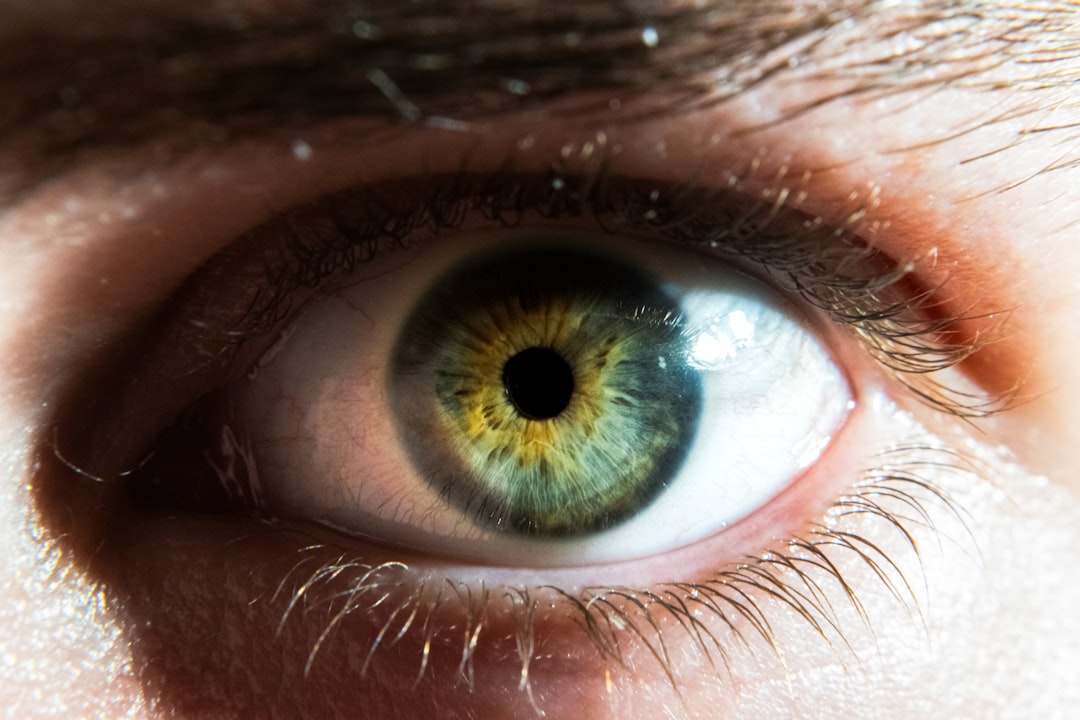
You stand before a weathered portrait, the eyes holding yours across the centuries. You might wonder what compelled the artist to render them with such meticulous detail, or perhaps how those particular hues and shapes contributed to the individual’s success in their time. The story of your own eyes, and indeed the eyes of countless organisms around you, is deeply intertwined with the fundamental forces of evolution, particularly as they relate to mate choice. The seemingly simple act of selecting a partner is, in reality, a complex dance guided by ancient pressures, and the intricate features of your visual system play a significant role in this ongoing narrative of reproduction and survival.
Your reliance on vision is not a mere convenience; it is a product of evolutionary pressures that have shaped countless species. The development of eyes represents a remarkable leap in sensory capability, allowing organisms to perceive their environment in ways previously unimaginable. Imagine an early ancestor, navigating a world through touch and chemoreception alone. The emergence of light-sensitive cells, and subsequently the organized structures that we recognize as eyes, would have offered a profound advantage.
Early Innovations: The Dawn of Photoreception
The very first step towards vision was the development of photoreceptor cells. These specialized cells, containing pigments like opsins, are capable of detecting light. Even a simple patch of light-sensitive tissue can provide an organism with information about its surroundings, such as the presence or absence of light, or a general sense of direction. This rudimentary ability would have been critical for survival.
Detecting Light and Shadow
For a single-celled organism, or a very simple multicellular creature, the ability to detect light could have meant the difference between thriving and perishing. Knowing when to move towards sunlight for energy, or when to retreat into shadow to avoid harmful UV radiation, would have been a significant evolutionary advantage. You can observe this in organisms like the Euglena, which exhibits a rudimentary eyespot to orient itself towards its light source.
Navigation and Orientation
As organisms became more complex, the ability to sense light direction began to facilitate navigation. Imagine an early mobile lifeform needing to return to a favored habitat or find a mate. A directional sense of light could have provided a reliable compass, guiding movement and reducing the energy expenditure associated with random wandering.
The Development of Complex Eyes
Over vast stretches of evolutionary time, these simple photoreceptor patches evolved into the sophisticated visual organs you possess. This progression involved the development of lenses to focus light and structures to protect the delicate photoreceptors, leading to the formation of eyes capable of forming images and discerning detail.
The Pinhole Eye: A Primitive Lens
A significant evolutionary step was the development of the pinhole eye. This structure, essentially a small aperture that limits the amount of light entering, allows for a rudimentary image to be formed. While such an eye has a limited field of view and is not particularly sharp, it represents a crucial transition from simply detecting light to perceiving form.
The Camera-Type Eye: A Sophisticated Solution
The camera-type eye, present in vertebrates like yourself, is a marvel of biological engineering. It features a lens to focus light precisely onto the retina, a light-sensitive tissue containing a high density of photoreceptor cells. The iris controls the amount of light entering, and the brain processes the signals from the retina to construct a detailed visual perception of the world. This remarkable organ allows for depth perception, color vision, and the detection of fine details, all of which have profound implications for survival and reproduction.
Recent studies on mate choice have highlighted the significance of evolutionary eye traits in attracting potential partners. An intriguing article that delves into this topic can be found at Freaky Science, where researchers explore how variations in eye color and patterns can influence mating preferences across different species. This research underscores the role of visual signals in sexual selection, shedding light on the complex interplay between physical traits and reproductive success.
Sensory Trade-offs and the Evolution of Eye Traits
The evolutionary trajectory of any trait, including those of your eyes, is never a straightforward march towards perfection. Instead, it involves a series of trade-offs, where advantages in one area may come at the expense of another. The specific characteristics of your eyes, such as their color, iris patterns, and even the presence of certain visual acuity, are the result of these complex evolutionary compromises.
The Spectrum of Visual Acuity
The ability to see clearly, or visual acuity, is a highly desirable trait from an evolutionary perspective. However, achieving extremely high visual acuity often comes with energetic costs and developmental challenges.
High Acuity: The Predator’s Edge
For predators, the ability to spot prey from a distance with great precision is a critical advantage. This has driven the evolution of eyes with high photoreceptor density and sophisticated optical systems capable of resolving fine details. You can see this in the raptors, whose vision is significantly sharper than yours, allowing them to spot a scurrying mouse from hundreds of feet in the air.
Lower Acuity: Adaptations for Other Niches
Conversely, organisms that are not primarily reliant on visual hunting may not have evolved such acute vision. Instead, their eyes might be adapted for detecting movement, sensing polarized light for navigation, or even seeing in remarkably low light conditions. This represents a trade-off: the energetic resources dedicated to developing and maintaining hyper-acute vision are instead allocated to other advantageous sensory or physiological systems.
Color Vision: A Patchwork of Evolutionary Benefits
The development of color vision is another fascinating area where evolutionary trade-offs are evident. The ability to perceive a spectrum of colors can offer significant advantages, but the specific color sensitivities can vary widely between species.
Detecting Food and Danger
For many herbivores and omnivores, color vision is essential for identifying ripe fruits, nutritious leaves, and potentially poisonous plants. You can imagine how distinguishing between a healthy, edible berry and a toxic one based on color would have been a significant survival factor for your ancestors. Similarly, the bright colors of certain animals can signal toxicity or danger, providing a clear warning to potential predators.
Sexual Signaling and Mate Choice
The role of color in attracting mates is particularly compelling. Many species have evolved vibrant plumage, scales, or skin coloration, which are visually signaled to potential partners. Your own eye color, while not as overtly signaling as a peacock’s tail, might still carry subtle cues. The ability to perceive these colors is, of course, a prerequisite for these signals to be effective.
The Evolution of Different Color Receptors
The specific types of color receptors (cones) that an organism possesses are determined by evolutionary pressures. Humans, for example, are trichromats, with receptors sensitive to red, green, and blue light. This allows for a rich perception of color. Other animals may be dichromats, with fewer color perception capabilities, or tetrachromats, capable of seeing even more colors, including ultraviolet light. These differences reflect the specific environmental needs and signaling strategies evolved by each species.
The Role of Eyes in Sexual Selection
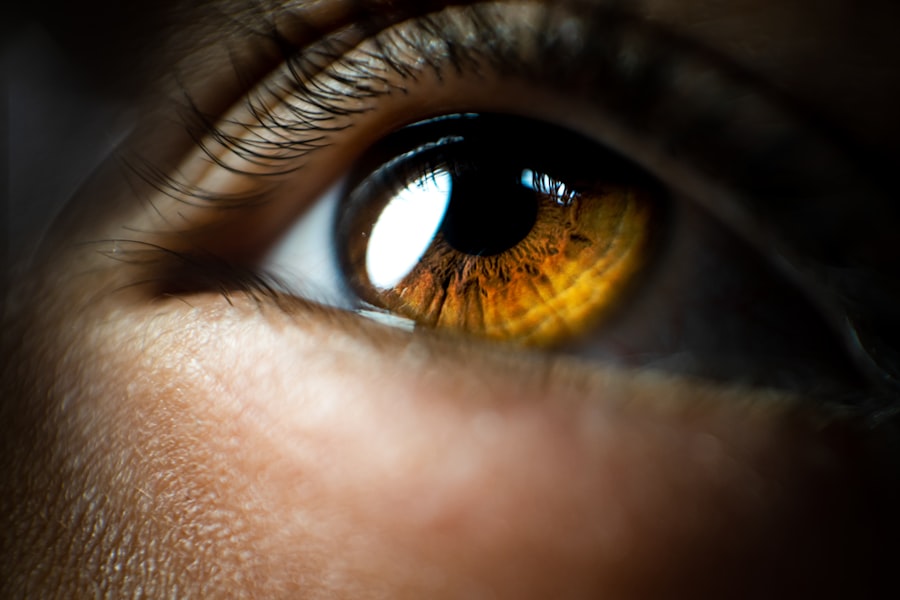
Mate choice, the process by which individuals select their partners, is a powerful engine of evolutionary change. The traits that influence this selection are known as sexually selected traits, and your eyes are undeniably among them, both as organs of perception and as potential targets of attraction.
Eyes as Indicators of Health and Genetic Quality
The visual appeal of an individual’s eyes can be, consciously or unconsciously, linked to their perceived health and genetic quality. These are crucial factors in mate choice because they correlate with an individual’s ability to survive and reproduce successfully.
Brightness and Clarity: Signs of Vitality
Eyes that are bright, clear, and free from visible signs of disease or damage can signal good health. For instance, a clear cornea and vibrant iris might suggest a robust immune system and a lack of parasitic infections. You might find yourself instinctively drawn to individuals with these characteristics, a phenomenon rooted in ancestral preferences for healthy mates.
Symmetry and Robustness
Perfect symmetry in facial features, including the eyes, is often associated with good genes. The development of perfectly symmetrical features can be hindered by genetic mutations or environmental stressors during development. Therefore, symmetrical eyes might be seen as an honest signal of an individual’s developmental stability.
The Eye as a Target of Fascination and Attraction
Beyond simply being indicators of health, the specific characteristics of your eyes can also be directly attractive. The shape of your eyes, their color, and the way they are framed by your eyelashes and eyebrows can all contribute to your perceived attractiveness.
Shape and Size: Archetypal Preferences
The relative size and shape of your eyes can tap into deep-seated evolutionary preferences. For example, larger eyes are often associated with youth and neoteny, traits that can trigger nurturing instincts. Conversely, certain eye shapes might be perceived as more alert or intelligent, further influencing mate choice.
Iris Patterns and Color Nuances
While you might focus on the general color of someone’s eyes, subtle variations within the iris, such as flecks, rings, or a particular shade of pigment, can also play a role in attraction. These intricate patterns might have evolved as unique identifiers or indicators of genetic diversity within a population. Their perception and appreciation are a testament to the sophisticated visual processing capabilities you possess.
The Dual Role: Perceiving and Being Perceived
It is crucial to remember that your eyes function on two levels in the context of mate choice. Firstly, you use your eyes to assess potential mates, looking for cues of health, fertility, and compatibility. Secondly, your own eyes and the features surrounding them are themselves cues that are being assessed by others. This reciprocal process ensures that both parties are evaluating and being evaluated, contributing to the overall efficiency of mate selection.
The Influence of Environment on Eye Evolution and Mate Choice
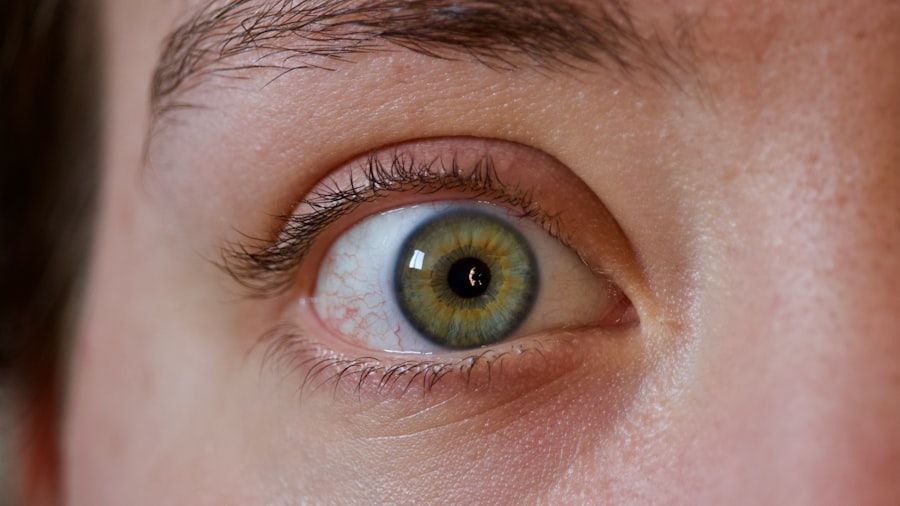
The environment in which a species evolves profoundly influences the development of its sensory organs, including its eyes, and consequently, the traits that are favored in mate choice. What is advantageous in one environment might be detrimental in another, leading to a diverse array of eye adaptations and mating preferences across the animal kingdom.
Adapting to Light Conditions: From Deep Seas to Bright Skies
The availability and intensity of light are primary drivers of eye evolution. Organisms living in perpetually dark environments, such as the deep ocean, have evolved very different visual systems compared to those inhabiting brightly lit terrestrial landscapes.
Eyes in Low Light: Maximizing Photon Capture
In environments with scarce light, such as the abyssal plains of the ocean or dense forests, eye structures are often optimized for maximizing the capture of available photons. This can involve large pupils to allow more light to enter, high concentrations of rod cells for enhanced sensitivity, and even bioluminescent capabilities for signaling in the darkness. For these organisms, mate choice might heavily rely on non-visual cues or on very specialized visual signals that can be perceived in low light.
Eyes in Bright Light: Managing Light Overload
Conversely, organisms living in brightly lit environments have evolved mechanisms to cope with potential light overload. This can include smaller pupils, protective eyelids, and specialized pigments within the eye that absorb excess light. The ability to discern subtle color variations or fine details might be more critical in these settings, influencing the types of visual signals that become important for mate choice.
Visual Signals in Different Habitats: From Underwater Murk to Open Savannah
The effectiveness of visual signals used in mate choice is heavily dependent on the habitat. What is readily visible in one environment might be obscured in another, shaping the evolution of both the signaling traits and the visual perception system of potential mates.
Underwater Communication: Limited Visibility, Specialized Signals
In aquatic environments, water clarity can significantly reduce the range and effectiveness of visual signals. Organisms living in murky waters might rely more on brighter, more contrasting colors, or on bioluminescent displays that can be seen over short distances. The evolution of eyes that can perceive these specific wavelengths or patterns becomes paramount for successful mate selection.
Terrestrial Displays: Color and Movement Across Distances
On land, especially in open habitats like savannas, visual signals can travel further. This allows for the evolution of more elaborate and varied displays, including bright plumage in birds or complex courtship dances. The ability of your eyes to distinguish subtle color differences and movements plays a vital role in interpreting these prolonged and often complex courtship rituals.
Research on mate choice often highlights the significance of evolutionary eye traits in various species. For instance, a fascinating article discusses how certain eye characteristics can influence mating preferences among animals, showcasing the intricate relationship between visual signals and reproductive success. This connection is particularly evident in species where vibrant eye colors or unique patterns serve as indicators of genetic fitness. To explore this topic further, you can read the detailed analysis in this related article. Understanding these dynamics not only sheds light on the complexities of sexual selection but also emphasizes the role of visual perception in the natural world.
The Psychology of Eye Contact and Its Evolutionary Roots
| Species | Mate Choice Trait | Evolutionary Eye Trait |
|---|---|---|
| Peacocks | Colorful plumage | Large, iridescent eyespots |
| Humans | Personality and physical attractiveness | Eye color and symmetry |
| Guppies | Color and pattern of fins | Eye size and coloration |
The act of making eye contact is fundamental to human social interaction and plays a surprisingly significant role in attraction and mate choice. This seemingly simple gesture has deep evolutionary roots, stemming from the necessity of assessing potential threats and allies, and has evolved into a complex form of non-verbal communication.
The Power of a Gaze: Assessing Intent and Interest
Making eye contact allows for a rapid assessment of another individual’s intentions and emotional state. A direct and sustained gaze can communicate confidence, interest, and a willingness to engage. Conversely, avoiding eye contact can signal nervousness, deception, or a lack of interest.
Trust and Vulnerability
For your ancestors, establishing trust was vital for survival and cooperation. A mutual gaze could signal an absence of immediate threat and a willingness to share resources or engage in mutual defense. This evolutionary foundation contributes to the feeling of connection and vulnerability that can arise from sustained eye contact.
Attraction and Engagement
In the context of mate choice, direct eye contact can be a powerful signal of attraction and interest. It indicates that an individual is paying attention, finds the other person noteworthy, and is open to further interaction. This perceived interest can, in turn, increase an individual’s own feelings of attraction.
The Subtle Language of the Eyes: Pupil Dilation and Microexpressions
Beyond direct gaze, your eyes convey a wealth of information through subtle changes that you may not consciously perceive. These involuntary responses are deeply ingrained evolutionary mechanisms that can influence attraction.
Pupil Dilation: A Signal of Arousal and Interest
One of the most well-documented physiological responses related to attraction is pupil dilation. When you are interested or aroused by someone, your pupils tend to dilate, regardless of the ambient light conditions. Studies have shown that individuals are often unconsciously drawn to images of people with dilated pupils, suggesting an evolutionary predisposition to interpret this as a sign of positive interest.
Eyebrow Flashes and Microexpressions
The subtle movements of your eyebrows, such as a brief “eyebrow flash,” can communicate acknowledgment and positive regard. Similarly, fleeting facial expressions, or microexpressions, that flash across someone’s face can reveal underlying emotions, including attraction or discomfort. Your ability to perceive these subtle cues, even if not consciously recognized, is a product of evolutionary adaptation that enhances your social and mate-finding capabilities.
Modern Implications: Technology, Culture, and Eye Traits
While evolutionary pressures have shaped your visual system and its role in mate choice over millennia, modern society introduces new layers of complexity. Technology, cultural norms, and evolving social dynamics can all influence how eye traits are perceived and valued in contemporary mate selection.
The Influence of Media and Cultural Ideals
The media you consume – from advertising to film – often presents idealized representations of beauty, which can include specific preferences for eye characteristics. These cultural ideals can, in turn, shape your own perceptions of attractiveness, sometimes diverging from or amplifying innate evolutionary preferences.
Shifting Notions of Beauty
What is considered beautiful can vary significantly across cultures and time periods. While certain core preferences, rooted in evolutionary advantages like health and symmetry, may remain, the specific manifestations of beauty, including eye shape and color, can be subject to cultural trends and media influence.
The “Ideal” Eye in Popular Culture
Certain eye shapes, colors, or enhancements (like colored contact lenses) might be promoted as desirable within popular culture. You might find yourself unconsciously influenced by these presented ideals, even if they don’t align with your most fundamental evolutionary predispositions.
Cosmetic Enhancements and Their Evolutionary Underpinnings
The proliferation of cosmetic procedures aimed at altering or enhancing eye appearance is a testament to the enduring importance of eye traits in attraction. These interventions often seek to amplify qualities that are perceived as attractive, sometimes tapping into evolutionary signals.
Eyelash Enhancement and Eye Shadow
The use of mascara to lengthen and darken eyelashes, or eye shadow to accentuate the eye, can be understood through an evolutionary lens. Longer, darker lashes can create the illusion of larger, more youthful eyes and can also subtly enhance the perception of pupil dilation. These are all qualities that have been historically linked to attraction.
Colored Contact Lenses and the Pursuit of Novelty
The widespread use of colored contact lenses to alter eye color demonstrates a desire to experiment with or enhance perceived attractiveness. While the evolutionary basis for preferring certain natural eye colors may be rooted in health or genetic diversity signals, the pursuit of novel or highly saturated colors can be seen as a cultural phenomenon that seeks to stand out.
The Intersection of Biology and Technology in Mate Selection
In the digital age, your eyes are not only being observed but are also actively engaged in interpreting profiles and images online. This creates a new landscape where evolutionary drives interact with technological mediation in mate selection.
Online Dating and Visual Cues
The prevalence of online dating means that initial impressions are often formed based on static photographs. This places a significant emphasis on the visual presentation of individuals, making eye traits a primary focal point. Your eyes, in both how they are perceived and how they perceive, are central to this digital courtship ritual.
The Future of Eye Research and Mate Choice
As our understanding of genetics, neuroscience, and evolutionary biology advances, so too will our comprehension of the intricate interplay between your eyes and mate choice. Future research may reveal even more nuanced connections between specific genetic predispositions, environmental influences, and the subtle ways in which your visual system guides your selection of partners, shaping the ongoing narrative of human evolution.
FAQs
What is mate choice?
Mate choice, also known as intersexual selection, is the process by which individuals select their mates based on certain traits. These traits can include physical characteristics, behavior, and other factors that are believed to contribute to the reproductive success of the individual.
What are evolutionary eye traits?
Evolutionary eye traits refer to the physical characteristics of the eyes that have evolved over time in response to natural selection. These traits can include the size, shape, color, and other features of the eyes that are believed to play a role in mate choice and reproductive success.
How do evolutionary eye traits influence mate choice?
Evolutionary eye traits can influence mate choice by serving as signals of an individual’s health, genetic quality, and reproductive fitness. For example, certain eye traits may indicate good vision, alertness, or the ability to detect potential threats, which can be attractive to potential mates.
What role does sexual selection play in the evolution of eye traits?
Sexual selection, a type of natural selection, plays a significant role in the evolution of eye traits. Individuals with certain eye traits that are preferred by potential mates are more likely to successfully reproduce and pass on those traits to their offspring, leading to the evolution of specific eye characteristics over time.
Are there specific eye traits that are universally preferred in mate choice?
While there may be general preferences for certain eye traits across different cultures and species, mate choice is ultimately influenced by a variety of factors and can vary widely among individuals. Additionally, the specific eye traits that are preferred in mate choice may also depend on the environmental and social context in which the selection is taking place.