The Mapimí Desert, located in the northeastern region of Durango, Mexico, is a unique and arid landscape characterized by its striking geological formations and diverse ecosystems. This desert spans approximately 1,500 square kilometers and is known for its extreme temperatures, which can soar during the day and plummet at night. The terrain is marked by vast stretches of sand dunes, rocky outcrops, and sparse vegetation, creating a stark yet beautiful environment.
The Mapimí Desert is not only significant for its natural beauty but also for its rich mineral resources, particularly uranium deposits that have garnered attention from both scientists and mining companies. The desert’s ecological significance is underscored by its role as a habitat for various endemic species, some of which are adapted to survive in the harsh conditions. The interplay between the desert’s geology and its biological diversity makes it a focal point for researchers interested in understanding how life can thrive in extreme environments.
As interest in uranium mining has grown, so too has the need to balance economic development with environmental conservation, making the Mapimí Desert a critical area for study and exploration.
Key Takeaways
- Mapimí Desert is located in Mexico and is known for its uranium deposits.
- Uranium deposits are important for nuclear power generation and medical applications.
- Uranium mining in Mapimí Desert dates back to the 1950s and has had a significant impact on the region.
- The geological characteristics of uranium deposits in Mapimí Desert include sandstone and limestone formations.
- Mapping uranium deposits in Mapimí Desert involves remote sensing technology and ground truthing techniques.
Importance of Uranium Deposits
Uranium deposits are of paramount importance due to their role as a primary fuel source for nuclear energy production. As the world grapples with the challenges of climate change and the need for sustainable energy solutions, uranium has emerged as a viable alternative to fossil fuels. The Mapimí Desert is home to significant uranium reserves, which have the potential to contribute to both local and global energy needs.
The extraction and utilization of these deposits could play a crucial role in reducing greenhouse gas emissions while providing a stable energy supply. Moreover, the economic implications of uranium mining in the Mapimí Desert extend beyond energy production. The presence of uranium deposits can stimulate local economies through job creation and infrastructure development.
Mining operations often lead to investments in transportation, housing, and services, benefiting surrounding communities. However, this economic potential must be weighed against environmental concerns and the long-term sustainability of mining practices.
History of Uranium Mining in Mapimí Desert
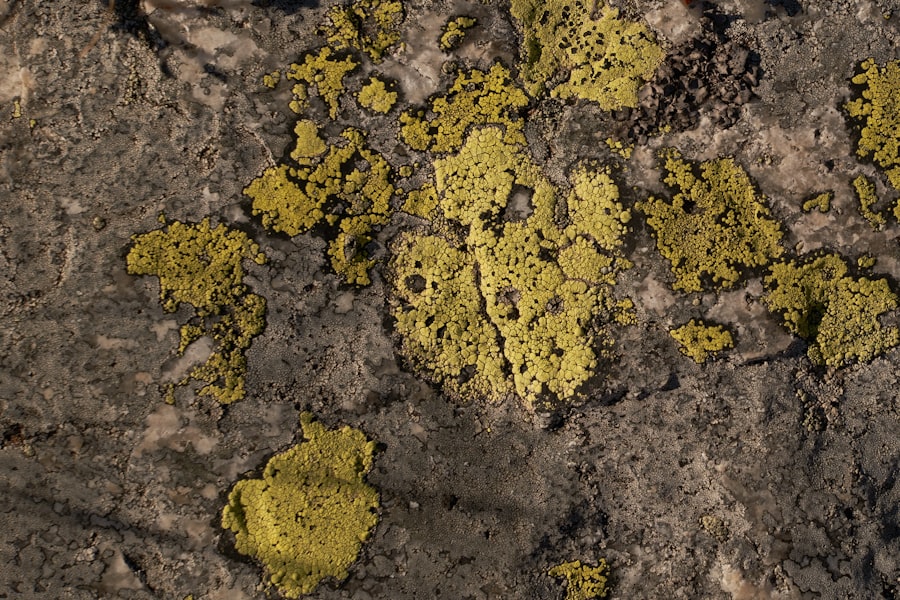
The history of uranium mining in the Mapimí Desert dates back to the mid-20th century when the demand for nuclear energy began to rise. Initial exploration efforts were driven by the need to identify viable uranium sources that could support burgeoning nuclear power programs. The discovery of uranium deposits in this region sparked interest from both national and international mining companies, leading to a series of exploratory missions and subsequent mining operations.
Throughout the decades, various mining techniques have been employed to extract uranium from the desert’s geological formations. The early years of mining were marked by relatively small-scale operations that focused on surface mining methods. However, as technology advanced and demand increased, more sophisticated techniques were developed, allowing for deeper extraction and more efficient processing of uranium ore.
This evolution in mining practices has shaped the landscape of the Mapimí Desert and continues to influence its economic trajectory.
Geological Characteristics of Uranium Deposits
| Geological Characteristic | Description |
|---|---|
| Host Rock | The type of rock in which the uranium deposit is found, such as sandstone, shale, or granite. |
| Mineralization | The process by which uranium minerals are deposited in the host rock, often through hydrothermal or sedimentary processes. |
| Grade | The concentration of uranium in the deposit, typically measured in percentage or parts per million. |
| Structure | The geological features, such as faults or folds, that control the distribution of uranium within the deposit. |
| Age | The geological age of the host rock and the timing of uranium mineralization. |
The geological characteristics of uranium deposits in the Mapimí Desert are influenced by a combination of sedimentary processes and volcanic activity. The region is primarily composed of sedimentary rock formations that have undergone significant geological changes over millions of years. These formations often contain uranium-bearing minerals such as uraninite and coffinite, which are critical for extraction processes.
The unique geological history of the Mapimí Desert has resulted in the concentration of uranium deposits in specific areas, making them more accessible for mining operations. Understanding these geological characteristics is essential for effective exploration and extraction strategies. Geologists employ various techniques to analyze rock samples and map out potential mining sites, ensuring that operations are conducted in areas with the highest yield potential while minimizing environmental disruption.
Methods of Mapping Uranium Deposits
Mapping uranium deposits requires a combination of geological surveys, geophysical techniques, and geochemical analysis. Geologists typically begin with surface mapping to identify rock types and structures that may indicate the presence of uranium mineralization. This initial phase often involves collecting rock samples and conducting laboratory analyses to determine uranium concentrations.
In addition to traditional mapping methods, advanced geophysical techniques such as radiometric surveys are employed to detect gamma radiation emitted by uranium-bearing minerals. These surveys provide valuable data on the distribution and concentration of uranium deposits beneath the surface. By integrating geological mapping with geophysical data, researchers can create detailed models that guide further exploration efforts and inform mining strategies.
Use of Remote Sensing Technology in Mapping
Remote sensing technology has revolutionized the way researchers map uranium deposits in the Mapimí Desert. Utilizing satellite imagery and aerial surveys, scientists can gather extensive data on land use, vegetation cover, and geological features without disturbing the environment. This non-invasive approach allows for a comprehensive assessment of potential mining sites while minimizing ecological impact.
One significant advantage of remote sensing is its ability to cover large areas quickly and efficiently. By analyzing spectral data from satellite images, researchers can identify mineral signatures associated with uranium deposits. This information can be used to prioritize areas for ground exploration and sampling, ultimately streamlining the process of locating viable mining sites.
As technology continues to advance, remote sensing is expected to play an increasingly important role in uranium exploration.
Ground Truthing and Sampling Techniques
Ground truthing is a critical step in validating remote sensing data and ensuring accurate mapping of uranium deposits. This process involves physically visiting potential mining sites to collect samples and verify findings obtained through remote sensing techniques.
Sampling techniques vary depending on the geological characteristics of the area being studied. Common methods include core drilling, where cylindrical samples are extracted from deep within the earth, and surface sampling, which involves collecting soil or rock samples from exposed areas. These samples are then analyzed in laboratories to determine uranium concentrations and assess their economic viability for extraction.
Ground truthing not only enhances the accuracy of mapping efforts but also provides essential data for environmental assessments.
Environmental Impact of Uranium Mining
The environmental impact of uranium mining in the Mapimí Desert is a topic of considerable concern among scientists, policymakers, and local communities. Mining operations can lead to habitat destruction, soil contamination, and water resource depletion if not managed responsibly. The extraction process often involves significant land disturbance, which can disrupt local ecosystems and threaten endemic species.
Moreover, the potential for radioactive contamination poses risks not only to the environment but also to human health. Proper waste management practices are essential to mitigate these risks, including safe disposal of tailings and monitoring groundwater quality. As awareness of environmental issues grows, there is an increasing emphasis on sustainable mining practices that prioritize ecological preservation while allowing for resource extraction.
Economic Potential of Uranium Deposits in Mapimí Desert
The economic potential of uranium deposits in the Mapimí Desert is substantial, particularly given the global shift towards nuclear energy as a cleaner alternative to fossil fuels. The region’s rich reserves could position it as a key player in meeting both national and international energy demands. As countries seek to diversify their energy portfolios and reduce carbon emissions, the demand for uranium is expected to rise significantly.
In addition to energy production, uranium mining can stimulate local economies through job creation and infrastructure development. Mining operations often require a skilled workforce, leading to employment opportunities for local residents. Furthermore, investments in transportation and services can enhance overall economic growth in surrounding communities.
However, it is crucial that these economic benefits are balanced with environmental considerations to ensure long-term sustainability.
Future Prospects for Uranium Mining in Mapimí Desert
The future prospects for uranium mining in the Mapimí Desert appear promising as technological advancements continue to improve extraction methods and environmental management practices. With increasing global demand for nuclear energy, there is potential for new investments in exploration and mining operations within the region. Additionally, ongoing research into sustainable mining practices may help mitigate some of the environmental concerns associated with uranium extraction.
As regulatory frameworks evolve to address environmental impacts more effectively, mining companies may find new opportunities for collaboration with local communities and environmental organizations. Engaging stakeholders in decision-making processes can foster trust and ensure that economic development aligns with ecological preservation efforts.
Conclusion and Recommendations for Further Study
In conclusion, the Mapimí Desert presents a unique intersection of geological richness and ecological significance, particularly concerning its uranium deposits. While these resources hold considerable promise for energy production and economic development, they also pose challenges related to environmental sustainability and community health. As interest in uranium mining continues to grow, it is imperative that stakeholders prioritize responsible practices that protect both natural ecosystems and human populations.
Further study is recommended to explore innovative technologies that enhance sustainable mining practices while minimizing environmental impact. Additionally, comprehensive assessments of local ecosystems should be conducted to better understand how mining activities affect biodiversity in the region. Engaging local communities in research initiatives can foster collaboration and ensure that their voices are heard in discussions about resource management.
By prioritizing sustainability alongside economic development, the future of uranium mining in the Mapimí Desert can be both prosperous and responsible.
The Mapimí Desert, known for its unique ecological and geological features, is also home to significant uranium deposits that have piqued the interest of scientists and researchers. These deposits are crucial for understanding the region’s geological history and potential resource utilization. For those interested in exploring more about the scientific phenomena and discoveries related to uranium and other intriguing topics, you can visit an article on Freaky Science by following this link. This resource provides a deeper insight into the fascinating world of science and the mysteries of our planet.
WATCH THIS! They Crashed a US Missile Into the Zone of Silence
FAQs
What are uranium deposits?
Uranium deposits are natural occurrences of uranium in the Earth’s crust, where the metal is found in concentrations high enough to be economically extracted.
Where is the Mapimí Desert located?
The Mapimí Desert is located in the northern part of Mexico, primarily in the states of Durango and Coahuila.
Are there uranium deposits in the Mapimí Desert?
Yes, the Mapimí Desert is known to have significant uranium deposits, which have attracted interest from mining companies and researchers.
How were the uranium deposits formed in the Mapimí Desert?
The uranium deposits in the Mapimí Desert were formed through geological processes over millions of years, often associated with the presence of sedimentary rocks and hydrothermal activity.
What is the significance of uranium deposits in the Mapimí Desert?
The uranium deposits in the Mapimí Desert have economic significance due to the potential for uranium mining, as well as scientific significance for studying the geology and mineralogy of the region.
Are there any environmental concerns related to uranium mining in the Mapimí Desert?
Uranium mining can have environmental impacts, including potential contamination of soil and water with radioactive materials. Proper environmental management and monitoring are essential to mitigate these concerns.