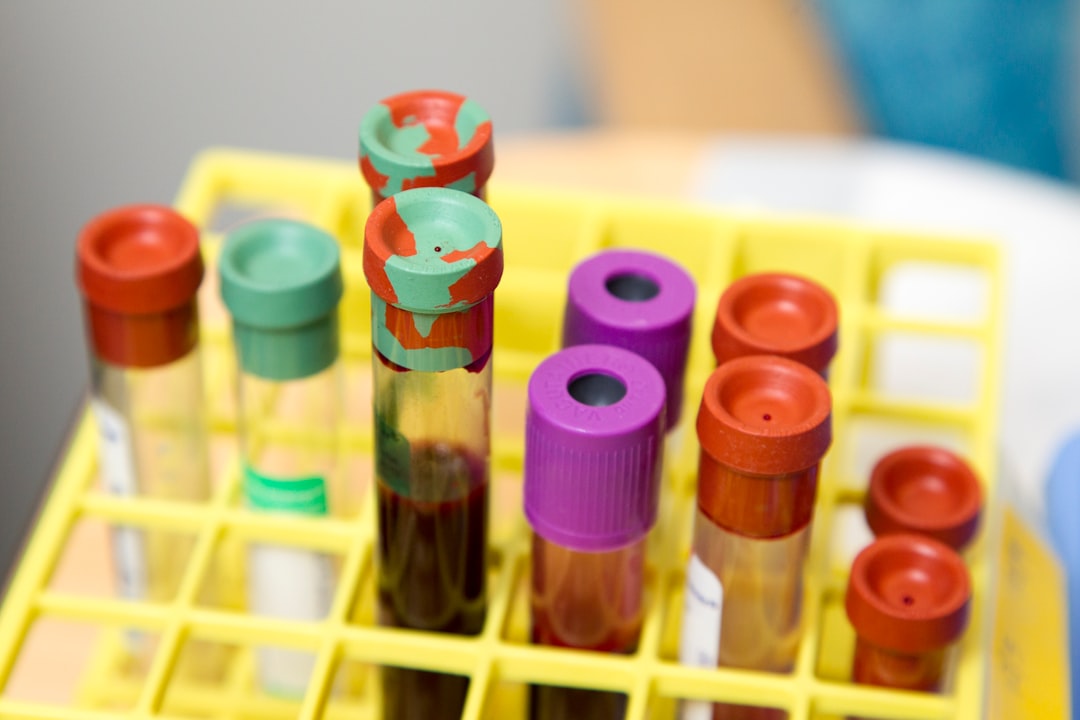
You might be an individual with Type O blood. For many, the primary association with this blood type revolves around its universality as a donor. However, beyond the transactional aspects of blood donation and transfusion, your blood type may also influence certain physiological processes and predispositions, including your risk of bleeding. This article explores the observed correlation between Type O blood and a potentially lower risk of bleeding complications. While individual factors and medical conditions play a significant role in bleeding susceptibility, understanding the potential influence of blood type can offer a more complete picture of your health profile.
Your blood type, a classification system based on the presence or absence of specific antigens on the surface of your red blood cells, is a fundamental aspect of your biological makeup. These antigens, primarily the ABO and Rh systems, are inherited traits that determine how your immune system interacts with foreign substances. For Type O individuals, the defining characteristic is the absence of both A and B antigens on their red blood cells. This absence has implications not only for compatibility in transfusions but also for potential, albeit less commonly discussed, physiological effects.
The ABO System Explained
The ABO blood group system is the most well-known and clinically significant. It’s determined by the genes you inherit from your parents, specifying whether you have A antigens, B antigens, both A and B antigens, or neither.
A Antigens and Antibodies
Individuals with Type A blood possess A antigens on their red blood cells. Their immune system naturally produces antibodies against the B antigen.
B Antigens and Antibodies
Conversely, those with Type B blood have B antigens and produce antibodies against the A antigen.
AB Antigens and Antibodies
Type AB individuals have both A and B antigens and, importantly, produce neither anti-A nor anti-B antibodies. This makes them universal recipients in blood transfusions.
O Antigens and Antibodies
Type O individuals, as mentioned, lack both A and B antigens. Consequently, their immune system produces antibodies against both the A and B antigens. This is why Type O negative blood is considered the universal donor, as it can be transfused into individuals of any blood type without causing a significant immune reaction.
The Rh Factor
Beyond the ABO system, the Rh factor, primarily the D antigen, is another crucial component of blood typing. Individuals are classified as Rh-positive (presence of the D antigen) or Rh-negative (absence of the D antigen). While the Rh factor is critical for pregnancy management and transfusion compatibility, its direct role in naturally occurring bleeding risk is less pronounced compared to potential influences of the ABO system.
Research has shown that individuals with type O blood may have a different bleeding risk compared to those with other blood types. A related article discusses the implications of blood type on various health factors, including bleeding tendencies and clotting issues. For more information on this topic, you can read the article here: Freaky Science.
The Von Willebrand Factor and Blood Type
One of the key biological mechanisms proposed to explain the observed lower bleeding risk in individuals with Type O blood relates to the Von Willebrand factor (vWF). This large glycoprotein plays a vital role in hemostasis, the process by which bleeding is stopped. It facilitates platelet adhesion to damaged blood vessel walls and acts as a carrier protein for Factor VIII, another critical component of the coagulation cascade.
What is Von Willebrand Factor?
Von Willebrand factor is synthesized by endothelial cells and megakaryocytes. Its primary functions involve binding to collagen in the subendothelium of injured blood vessels, promoting platelet aggregation at the site of injury, and forming a complex with Factor VIII to protect it from premature degradation.
Platelet Adhesion
When a blood vessel wall is damaged, the exposed collagen can bind to vWF. This binding then attracts platelets, which adhere to the vWF and begin to form a platelet plug.
Platelet Aggregation
Once platelets adhere, they can aggregate with each other, forming a more robust plug that helps to seal the injured vessel.
Factor VIII Protection
vWF also binds to Factor VIII, a crucial protein in the intrinsic pathway of blood coagulation. This binding protects Factor VIII from being cleared from the circulation, ensuring its availability when needed for clot formation.
vWF Levels and Blood Type Correlation
Research has indicated that individuals with Type O blood generally have lower circulating levels of vWF compared to those with other blood types (A, B, or AB). This lower baseline level of vWF is believed to be a contributing factor to a reduced propensity for aberrant clot formation, and by extension, potentially a lower risk of certain types of bleeding events.
Lower Baseline vWF Concentrations
Studies have consistently shown that individuals with Type O blood tend to exhibit lower plasma concentrations of vWF. The exact reasons for this are still being investigated, but it is thought to be related to differences in the synthesis, release, or clearance of vWF in individuals with different blood types.
Reduced Factor VIII Activity
Given vWF’s role in stabilizing Factor VIII, lower vWF levels in Type O individuals can also indirectly lead to slightly lower levels of functional Factor VIII activity. While this might seem counterintuitive to preventing bleeding, the overall hemostatic balance is a complex interplay of many factors, and the specific implications of these minor variations are still under examination.
Implications for Bleeding Disorders
Conditions like Von Willebrand disease, a common inherited bleeding disorder, are characterized by deficiencies or defects in vWF. While Type O blood’s association is with lower bleeding risk generally, understanding vWF levels is crucial in the context of bleeding disorders. Individuals with bleeding disorders and Type O blood might exhibit different symptom severity compared to those with the same disorder but different blood types, due to the baseline variations in vWF.
Hemostasis and Thrombosis in Different Blood Types

Hemostasis is the intricate process of stopping bleeding, while thrombosis is the formation of blood clots within blood vessels. These two seemingly opposing processes are intimately linked, and variations in blood components, potentially influenced by blood type, can affect their balance.
The Role of Platelets
Platelets are small, irregular-shaped cell fragments that circulate in the blood. They play a critical role in hemostasis by adhering to damaged blood vessels, aggregating to form a plug, and releasing factors that promote coagulation.
Platelet Function and Blood Type
While the direct impact of ABO blood type on platelet function itself is a complex area of research, some studies suggest subtle differences in platelet response. However, these differences are generally considered less significant in determining overall bleeding risk compared to factors like vWF levels.
Platelet Count Variation
There is some evidence suggesting potential variations in platelet counts across different blood types, though these are typically within normal physiological ranges and not usually linked to increased bleeding risk in Type O individuals.
The Coagulation Cascade
The coagulation cascade is a series of enzymatic reactions that ultimately leads to the formation of fibrin, a protein that forms the meshwork of a blood clot. Numerous clotting factors are involved in this cascade.
Interaction with Clotting Factors
As previously discussed, vWF is closely associated with Factor VIII. Lower vWF levels in Type O individuals can influence Factor VIII levels, potentially impacting the efficiency of the intrinsic pathway of coagulation. However, the overall hemostatic system is redundant, meaning that even with minor variations, the cascade can generally compensate to prevent excessive bleeding or clotting.
Fibrinolysis and Clot Breakdown
The body also possesses a system called fibrinolysis, which breaks down blood clots once they are no longer needed. This is a crucial counter-regulatory mechanism to prevent excessive clot formation. While there are some ongoing investigations, a strong direct link between Type O blood and significantly altered fibrinolytic activity that would dramatically impact bleeding risk is not firmly established.
Observed Associations and Research Findings
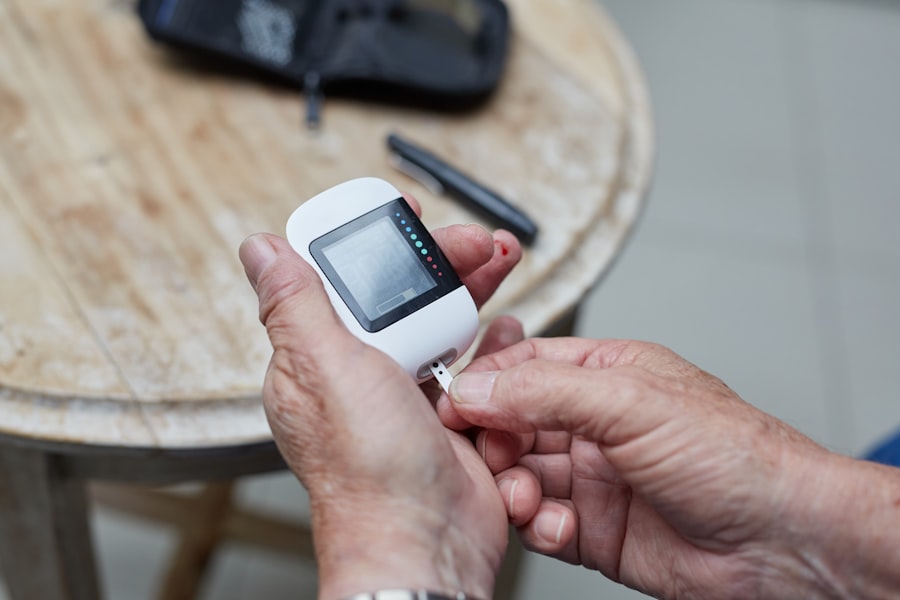
Numerous epidemiological studies and laboratory investigations have explored the potential link between blood type and various health outcomes, including bleeding and thrombotic events. While correlations are observed, it is essential to interpret these findings within the broader context of individual health.
Reduced Risk of Venous Thromboembolism (VTE)
Several large-scale studies have reported that individuals with Type O blood have a statistically lower risk of developing venous thromboembolism (VTE), which includes deep vein thrombosis (DVT) and pulmonary embolism (PE). This observation aligns with the hypothesis that lower vWF levels contribute to a reduced tendency for abnormal clot formation in the venous system.
Deep Vein Thrombosis (DVT)
DVT occurs when a blood clot forms in a deep vein, usually in the legs. The reduced vWF factor in Type O individuals is thought to contribute to a lower incidence of such clots.
Pulmonary Embolism (PE)
PE occurs when a blood clot travels from another part of the body to the lungs. By extension, a lower risk of DVT correlates with a lower risk of PE.
Lower Incidence of Cardiovascular Events
Some research has also suggested a potential link between non-Type O blood types and a slightly increased risk of certain cardiovascular events, such as heart attack and stroke. Conversely, Type O individuals may experience a comparatively lower risk in some of these instances. This is often attributed to the same vWF-related mechanisms that influence VTE risk.
Heart Attack Risk
The interplay between vWF, platelet aggregation, and the overall coagulation system can influence the formation of arterial thrombi that lead to heart attacks.
Stroke Risk
Similar to heart attacks, the predisposition to clot formation in arteries that supply the brain can be influenced by these factors.
Exception: Bleeding in Specific Contexts
It is crucial to acknowledge that while Type O blood may be associated with a lower baseline risk of certain bleeding and clotting disorders, this does not render individuals immune to bleeding complications. In specific medical contexts, the absence of A and B antigens can have implications. For instance, when dealing with certain types of surgery or trauma, the body’s response to blood loss and the availability of specific blood products can be influenced by blood type. However, these are situational, not representative of a general increased bleeding risk for Type O individuals.
Recent studies have suggested that individuals with type O blood may have a unique bleeding risk compared to those with other blood types. This intriguing connection has led researchers to explore various factors that could influence coagulation and bleeding tendencies. For more detailed insights into this topic, you can read a related article that discusses the implications of blood type on health and wellness. To learn more about these findings, check out this informative piece on Freaky Science.
Important Caveats and Individual Considerations
| Blood Type | Bleeding Risk |
|---|---|
| O negative (O-) | Higher bleeding risk |
| O positive (O+) | Higher bleeding risk |
While the associations between blood type and bleeding risk are intriguing and supported by scientific research, it is paramount to avoid overgeneralization and to emphasize the importance of individual factors.
Blood Type is One Factor Among Many
Your blood type is a single genetic characteristic. It is one piece of a much larger puzzle when it comes to your overall health and predisposition to various conditions, including bleeding. Lifestyle factors, genetics (beyond blood type), medical history, medications, and underlying health conditions all play significantly more substantial roles in determining your actual risk of bleeding.
Lifestyle Choices
Diet, exercise, smoking, and alcohol consumption are all powerful determinants of your cardiovascular health and overall well-being, directly impacting your risk of both bleeding and clotting.
Genetic Predispositions
Beyond ABO and Rh blood groups, numerous other genetic variations can influence your hemostatic system, making some individuals inherently more prone to bleeding or clotting regardless of their blood type.
Medical History and Pre-existing Conditions
Conditions such as liver disease, kidney disease, certain cancers, and autoimmune disorders can profoundly affect blood clotting and increase bleeding risk. Similarly, taking anticoagulant or antiplatelet medications will significantly alter your bleeding profile.
Not a Diagnostic Tool
The information presented here should not be interpreted as a diagnostic tool or a reason for self-diagnosis or self-treatment. If you have concerns about your bleeding risk or have experienced unusual bleeding episodes, it is essential to consult with a qualified healthcare professional.
Consulting Healthcare Professionals
Your doctor can conduct a comprehensive assessment, including a detailed medical history, physical examination, and appropriate laboratory tests, to accurately evaluate your individual risk and provide personalized medical advice.
In conclusion, your blood type, specifically Type O, may be associated with a generally lower risk of certain bleeding and thrombotic events, largely attributed to lower levels of Von Willebrand factor. However, this correlation is just one aspect of your complex physiology. It is essential to remember that numerous individual factors contribute to your overall health and susceptibility to bleeding. Prioritizing a healthy lifestyle, understanding your personal medical history, and engaging in open communication with your healthcare provider are the most effective ways to manage your health and mitigate any potential risks.
FAQs
What is type O blood type?
Type O blood type is a blood type characterized by the absence of A or B antigens on the surface of red blood cells. It is the most common blood type, and individuals with type O blood are considered universal donors because their blood can be transfused to individuals with any blood type.
What is the relationship between type O blood type and bleeding risk?
Research has shown that individuals with type O blood type may have a slightly higher risk of bleeding and blood clotting disorders compared to individuals with other blood types. This is believed to be due to lower levels of von Willebrand factor, a protein that plays a key role in blood clotting, in individuals with type O blood type.
Does having type O blood type mean a person will definitely experience bleeding issues?
Having type O blood type does not guarantee that a person will experience bleeding issues. While research suggests a slightly higher risk of bleeding and blood clotting disorders in individuals with type O blood type, many other factors, such as overall health, lifestyle, and genetics, also play a role in determining an individual’s risk of bleeding.
Are there any specific precautions individuals with type O blood type should take regarding bleeding risk?
Individuals with type O blood type should consult with their healthcare provider to assess their individual risk of bleeding and discuss any necessary precautions. This may include monitoring for symptoms of bleeding disorders, such as easy bruising or prolonged bleeding, and taking appropriate measures to minimize the risk of injury.
Can individuals with type O blood type still safely donate blood?
Yes, individuals with type O blood type are considered universal donors and can safely donate blood to individuals with any blood type. Blood donation centers often have a high demand for type O blood, as it can be transfused to individuals with other blood types in emergency situations.