
Desert environments present unique challenges for radio communication, often leading to significant interference that can disrupt signals and render equipment ineffective. The vast, arid landscapes, characterized by their extreme temperatures and shifting sands, create conditions that are not only inhospitable for human life but also for electronic devices. As radio technology continues to evolve, understanding the specific factors that contribute to radio interference in these regions becomes increasingly important for both amateur and professional radio operators.
This article delves into the various causes of silent radios in the desert, the nature of radio frequency interference, and the impact of environmental conditions on radio signals. In the quest for reliable communication in remote desert areas, operators must navigate a myriad of challenges. From the effects of sand and dust to the extreme temperatures that can affect equipment performance, the desert landscape poses a formidable barrier to effective radio transmission.
By exploring these issues in depth, one can gain insights into how to mitigate interference and enhance communication capabilities in such demanding environments. The following sections will provide a comprehensive overview of the factors contributing to desert radio interference and offer practical solutions for overcoming these obstacles.
Key Takeaways
- Desert environments pose unique challenges for radio equipment due to sand, dust, extreme temperatures, and radio frequency interference.
- Silent radios in the desert can be caused by a variety of factors including sand and dust accumulation, radio frequency interference, and extreme temperatures.
- Radio frequency interference in the desert can be caused by natural and man-made sources, including atmospheric conditions, electronic devices, and power lines.
- Sand and dust can degrade radio signals by absorbing, scattering, and reflecting radio waves, leading to reduced signal strength and communication range.
- Extreme temperatures in the desert can affect radio equipment by causing overheating, battery drain, and electronic component failure, impacting communication reliability.
Causes of Silent Radios in the Desert
Silent radios in desert regions can often be attributed to a combination of environmental factors and equipment limitations. One primary cause is the presence of sand and dust, which can accumulate on antennas and other components, obstructing signal transmission. This accumulation not only weakens the signal but can also lead to physical damage over time.
Additionally, the arid climate can exacerbate these issues, as dust storms are common in many desert areas, further complicating communication efforts. Another significant factor contributing to silent radios is the extreme temperature fluctuations characteristic of desert environments. During the day, temperatures can soar to scorching highs, while at night, they can plummet dramatically.
These temperature changes can affect the performance of radio equipment, causing components to expand and contract, which may lead to malfunctions or failures. Furthermore, the lack of moisture in the air can result in static electricity buildup, which can interfere with radio signals and contribute to communication breakdowns.
Understanding Radio Frequency Interference
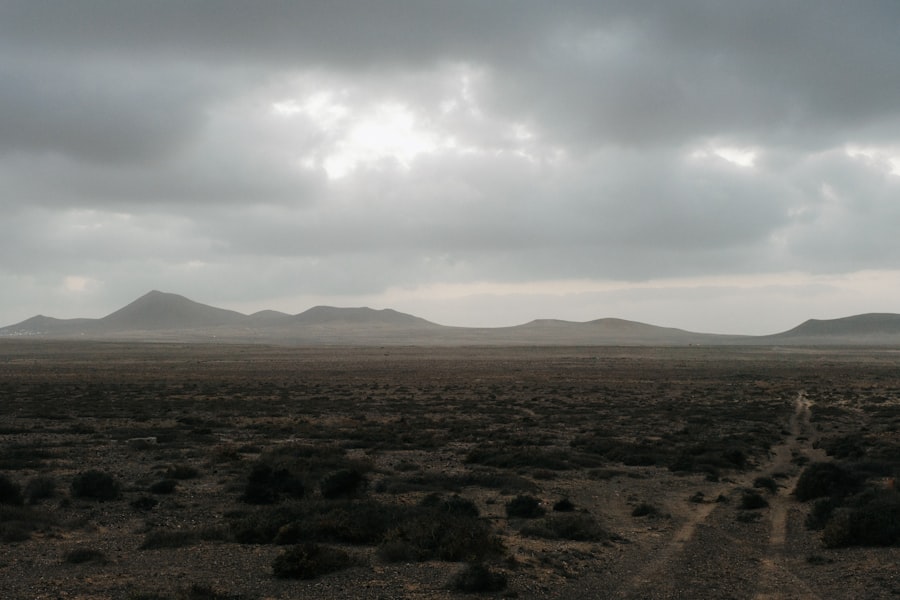
Radio frequency interference (RFI) is a phenomenon that occurs when unwanted signals disrupt the transmission or reception of desired radio signals. In desert environments, RFI can stem from both natural and man-made sources. Natural sources include atmospheric conditions such as lightning or solar flares, which can introduce noise into the radio spectrum.
Man-made sources may involve nearby electronic devices or machinery that emit electromagnetic radiation, further complicating communication efforts. Understanding RFI is crucial for radio operators working in deserts, as it allows them to identify potential sources of interference and take appropriate measures to mitigate its effects. For instance, operators may need to adjust their frequencies or utilize filters to minimize the impact of RFI on their communications.
By gaining a deeper understanding of how RFI operates within the unique context of desert environments, operators can develop strategies to enhance their communication reliability.
Effects of Sand and Dust on Radio Signals
| Effect | Description |
|---|---|
| Attenuation | Reduction in signal strength due to absorption and scattering of radio waves by sand and dust particles. |
| Signal Degradation | Interference and distortion of radio signals caused by sand and dust particles in the atmosphere. |
| Propagation Delay | Increased time taken for radio signals to travel through sand and dust-laden atmosphere, leading to delays in communication. |
| Equipment Damage | Abrasive nature of sand and dust particles can cause damage to radio equipment, leading to malfunctions. |
The presence of sand and dust in desert environments has a profound impact on radio signals. When sand particles accumulate on antennas or other transmission equipment, they can create physical barriers that obstruct signal propagation. This obstruction can lead to weakened signals or complete loss of communication, particularly in areas where line-of-sight transmission is essential.
Moreover, dust storms can introduce additional challenges by creating turbulent air conditions that further disrupt signal clarity. In addition to physical obstruction, sand and dust can also cause electrical issues within radio equipment. Dust particles can infiltrate sensitive components, leading to short circuits or other malfunctions that compromise performance.
Regular maintenance and cleaning are essential for ensuring that equipment remains operational in such challenging conditions.
Impact of Extreme Temperatures on Radio Equipment
Extreme temperatures in desert regions pose significant challenges for radio equipment functionality. During the day, high temperatures can cause overheating, leading to potential damage or failure of electronic components. Many radios are designed to operate within specific temperature ranges; exceeding these limits can result in reduced performance or complete shutdowns.
Conversely, nighttime temperatures can drop sharply, causing components to contract and potentially leading to mechanical stress or failure. To combat these temperature-related issues, operators must consider protective measures for their equipment. This may include using insulated enclosures or heat shields to maintain optimal operating temperatures.
Additionally, selecting equipment specifically designed for extreme conditions can enhance reliability and longevity. By understanding the impact of temperature fluctuations on their gear, operators can take proactive steps to ensure consistent performance even in the harshest desert environments.
Solutions for Minimizing Desert Radio Interference

Minimizing desert radio interference requires a multifaceted approach that addresses both environmental challenges and equipment limitations. One effective strategy is to invest in high-quality antennas designed for rugged conditions. These antennas are often built with materials that resist corrosion and damage from sand and dust, ensuring better signal transmission even in adverse weather conditions.
Furthermore, utilizing directional antennas can help focus signals more effectively, reducing the impact of interference from surrounding noise. Another solution involves implementing regular maintenance routines for radio equipment. This includes cleaning antennas and other components to remove accumulated dust and sand, as well as checking for any signs of wear or damage.
Operators should also consider using filters or signal boosters to enhance reception quality and mitigate the effects of RFI. By adopting these practices, operators can significantly improve their chances of maintaining reliable communication in desert environments.
Importance of Proper Antenna Placement in Desert Environments
Proper antenna placement is critical for optimizing radio communication in desert settings. The positioning of antennas can greatly influence signal strength and clarity; therefore, operators must carefully consider factors such as terrain and potential obstructions when selecting locations for their equipment. Elevating antennas above ground level can help minimize interference from sand and dust while also improving line-of-sight transmission capabilities.
Additionally, operators should be mindful of nearby structures or natural features that could obstruct signals. For instance, placing antennas near large rock formations or buildings may lead to signal degradation due to reflections or shadowing effects. Conducting thorough site surveys before installation can help identify optimal locations for antennas, ultimately enhancing communication reliability in challenging desert conditions.
Utilizing Grounding Techniques to Reduce Radio Interference
Grounding techniques play a vital role in reducing radio interference in desert environments. Proper grounding helps dissipate static electricity buildup that can occur due to dry air conditions prevalent in deserts. By establishing a reliable grounding system for radio equipment, operators can minimize the risk of electrical surges that may disrupt communication.
In addition to preventing static buildup, grounding techniques can also protect equipment from lightning strikes—a common concern in many desert regions during stormy weather. Implementing effective grounding systems not only enhances safety but also contributes to improved signal quality by providing a stable reference point for radio transmissions. Operators should prioritize grounding as part of their overall strategy for minimizing interference and ensuring reliable communication.
Advancements in Radio Technology for Desert Environments
Recent advancements in radio technology have significantly improved communication capabilities in desert environments. Innovations such as software-defined radios (SDRs) allow operators to adapt their equipment dynamically based on changing conditions. This flexibility enables users to switch frequencies or adjust settings on-the-fly, enhancing resilience against interference caused by environmental factors.
Moreover, advancements in digital signal processing (DSP) have led to improved noise reduction techniques that help filter out unwanted signals more effectively. These technologies empower operators to maintain clearer communications even amidst challenging conditions such as dust storms or high levels of RFI. As technology continues to evolve, it is essential for operators working in deserts to stay informed about new developments that could enhance their communication capabilities.
Tips for Maintaining Radio Equipment in the Desert
Maintaining radio equipment in desert environments requires diligence and attention to detail due to the harsh conditions present in these regions.
Utilizing protective covers when equipment is not in use can also help shield it from environmental elements.
Additionally, operators should monitor temperature levels closely and take appropriate measures if overheating occurs. This may involve relocating equipment to shaded areas during peak heat hours or employing cooling systems designed for electronic devices. Keeping spare parts on hand is another prudent strategy; having replacements readily available ensures minimal downtime if equipment malfunctions due to environmental stressors.
Overcoming Desert Radio Interference
Overcoming desert radio interference is a multifaceted challenge that requires a comprehensive understanding of environmental factors and proactive strategies for mitigation. By recognizing the unique challenges posed by sand and dust accumulation, extreme temperatures, and radio frequency interference, operators can implement effective solutions tailored to their specific needs. Proper antenna placement, regular maintenance routines, grounding techniques, and advancements in technology all play crucial roles in enhancing communication reliability in these demanding environments.
As technology continues to advance and new solutions emerge, operators must remain adaptable and informed about best practices for maintaining their equipment in desert settings. With careful planning and attention to detail, it is possible to overcome the obstacles presented by desert radio interference and ensure effective communication even in the most challenging conditions. Ultimately, by embracing innovation and prioritizing maintenance efforts, operators can achieve reliable connectivity that transcends the limitations imposed by the harsh desert landscape.
Radios often go quiet in the desert due to a combination of factors such as the lack of infrastructure, atmospheric conditions, and the vast, open landscape that can disrupt radio waves. The dry air and high temperatures can also affect the propagation of radio signals, leading to reduced reception. For a deeper understanding of how environmental factors can influence radio waves and other scientific phenomena, you might find this related article on Freaky Science interesting. Check it out here: