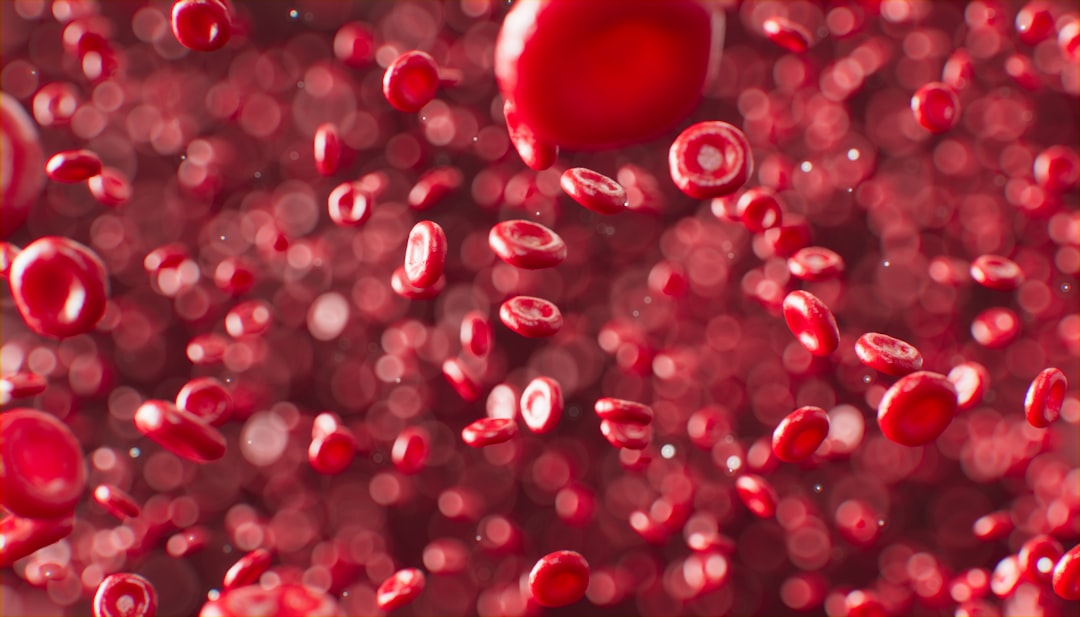
You are Type O blood. This means your red blood cells have neither the A nor the B antigen on their surface. Instead, they carry the H antigen. Your plasma, however, contains both anti-A and anti-B antibodies. This distinct blood group also plays a role in how your body handles iron. Understanding this connection can empower you to manage your health more effectively, particularly regarding iron deficiency.
ABO Blood Group System Explained
You belong to the ABO blood group system, one of the most significant classifications of human blood. This system is determined by the presence or absence of specific antigens on the surface of your red blood cells and antibodies in your plasma.
Antigens: The Cellular Markers
On the surface of your red blood cells, there are molecules called antigens. You, with Type O blood, lack both the A and B antigens. This is the defining characteristic of your blood type. You do possess the H antigen, which is a precursor to the A and B antigens.
Antibodies: The Plasma Defenders
In your blood plasma, the liquid component of your blood, antibodies circulate. These are proteins that your immune system produces to identify and neutralize foreign substances. Because you lack A and B antigens, your immune system naturally develops antibodies against them. Therefore, your plasma contains both anti-A and anti-B antibodies. This is why Type O blood is considered a universal red blood cell donor – it can be transfused into individuals of any blood type because it won’t trigger an antibody reaction in their plasma.
Rh Factor: Another Crucial Component
While the ABO system is fundamental, your blood type is further defined by the Rh factor. If you have the Rh factor, you are Rh-positive. If you do not, you are Rh-negative. For instance, you could be O-positive or O-negative. This factor is also an antigen, and the presence or absence of the RhD antigen determines your Rh status. Your Rh status is important for transfusions and during pregnancy.
The Significance of Blood Type Beyond Transfusions
Your blood type is more than just a label for medical transfusions. Research suggests it may influence susceptibility to certain medical conditions and even metabolic processes within your body. While the exact mechanisms are still being investigated, the ABO antigens are known to be glycoproteins, and their structure can alter cellular behavior and interactions.
Potential Links to Health Conditions
Studies have explored potential associations between blood types and various health issues. For example, some research indicates that individuals with certain blood types might have a slightly higher or lower risk of developing conditions like cardiovascular disease, certain cancers, or even cognitive decline. It is crucial to emphasize that these are statistical associations, and your blood type is only one factor among many influencing your health. Lifestyle, genetics, and environmental factors play a far more dominant role.
Blood Type and Gut Microbiome
Another area of ongoing research involves the potential influence of blood type on the composition of your gut microbiome. The trillions of bacteria residing in your digestive system play a vital role in digestion, immunity, and overall health. Some theories propose that blood group antigens might interact with specific gut bacteria, potentially shaping the microbial landscape within your intestines. However, this is a complex interplay, and definitive conclusions are yet to be drawn.
Individuals with type O blood may face unique health challenges, including a potential link to iron deficiency. Recent studies suggest that people with this blood type might have a higher risk of developing anemia due to lower levels of certain nutrients. For more information on this topic and related health insights, you can read the article at Freaky Science.
Iron Deficiency: A Common Concern
Understanding Iron’s Role in Your Body
Iron is an essential mineral that undertakes critical functions within your body. Without adequate iron, various bodily processes suffer, leading to a condition known as iron deficiency.
Hemoglobin Production and Oxygen Transport
The most well-known role of iron is its integral part in the production of hemoglobin. Hemoglobin is a protein found in your red blood cells that is responsible for binding to oxygen in your lungs and then transporting it to all the tissues and organs throughout your body. When iron levels are insufficient, your body cannot produce enough hemoglobin, leading to a reduced capacity for oxygen transport.
Myoglobin and Muscle Function
Beyond hemoglobin, iron is also a component of myoglobin, a protein found in muscle cells. Myoglobin’s function is similar to hemoglobin, but it stores and releases oxygen within muscle tissue, supporting muscle activity and energy production.
Energy Metabolism and Enzyme Function
Iron is also a cofactor for numerous enzymes involved in a wide array of metabolic processes, including energy production. These enzymes are crucial for converting food into energy that your cells can use. Therefore, iron deficiency can impact your overall energy levels and contribute to feelings of fatigue.
Symptoms of Iron Deficiency
The symptoms of iron deficiency can vary in severity and may not always be immediately apparent. They often develop gradually as your iron stores deplete.
Fatigue and Weakness
The most common symptom of iron deficiency is persistent fatigue and a general feeling of weakness. This is a direct consequence of reduced oxygen transport to your muscles and tissues.
Pale Skin and Brittle Nails
A noticeable paleness of the skin, particularly in the face and inner eyelids, can indicate low hemoglobin levels. Similarly, iron deficiency can lead to brittle nails that may even develop a spoon-like shape (koilonychia).
Shortness of Breath and Dizziness
As your body struggles to deliver enough oxygen, you might experience shortness of breath, even with minimal exertion. Dizziness and headaches can also occur due to the brain receiving less oxygen.
Cold Hands and Feet
Poor circulation, a side effect of reduced oxygen transport, can lead to persistently cold hands and feet.
Other Potential Symptoms
Other less common symptoms can include a sore or swollen tongue (glossitis), cracks at the corners of the mouth (angular cheilitis), and even an increased susceptibility to infections due to its role in immune function. In some cases, individuals may experience cravings for non-food items like ice, dirt, or chalk (pica).
The Interplay: Type O Blood and Iron Deficiency

The connection between Type O blood and iron deficiency is not as straightforward as a direct cause-and-effect relationship but rather an observation of potential predispositions and how your body might manage iron.
Absorption and Utilization of Iron
While your blood type itself doesn’t inherently prevent iron absorption, there are subtle considerations. The body can absorb two main forms of dietary iron: heme iron and non-heme iron.
Heme Iron: From Animal Sources
Heme iron is found in animal-based foods like red meat, poultry, and fish. This form of iron is generally more easily absorbed by your body.
Non-Heme Iron: From Plant Sources
Non-heme iron is found in plant-based foods such as beans, lentils, spinach, and fortified cereals. Its absorption is more influenced by other dietary factors.
Factors Affecting Non-Heme Iron Absorption
The absorption of non-heme iron can be significantly affected by other components in your diet. Vitamin C, for example, enhances non-heme iron absorption, which is why consuming citrus fruits or bell peppers with plant-based iron sources is beneficial. Conversely, compounds like phytates (found in whole grains and legumes) and tannins (found in tea and coffee) can inhibit non-heme iron absorption. Your blood type doesn’t change these fundamental absorption mechanisms.
Research and Observations
Some studies have suggested a potential link between blood types and iron status, though the findings are not universally conclusive. One area of investigation has explored whether individuals with Type O blood might be more prone to developing iron deficiency.
Potential Hypotheses
Several hypotheses have been proposed to explain this potential association, though robust evidence is still being gathered. One idea is that there might be subtle differences in how iron is metabolized or stored in individuals with different blood types. Another possibility could involve the indirect influence of blood type on factors that affect iron absorption or utilization.
Blood Group Antigens and Iron Metabolism
The ABO antigens themselves, being glycoproteins, could potentially interact with cellular processes involved in iron metabolism. However, the exact mechanisms of such interactions are complex and require further in-depth research. It is important to remember that correlation does not equal causation, and many other factors contribute to iron deficiency.
Focus on Diet and Lifestyle
Regardless of your blood type, a balanced diet rich in iron is crucial for maintaining adequate levels. If you have Type O blood and are concerned about iron deficiency, focusing on your dietary intake and absorption is the most practical and effective approach.
Managing Iron Levels as a Type O Individual

Given the potential observations and the universal importance of iron, you can take proactive steps to ensure your iron levels are optimal.
Dietary Strategies for Optimal Iron Intake
Your diet is your primary tool for managing iron levels. By making informed food choices, you can significantly impact your iron status.
Incorporating Iron-Rich Foods
Prioritize foods that are naturally good sources of iron. You can include both heme and non-heme iron sources to maximize your intake.
Heme Iron Sources:
- Red Meat: Beef, lamb, and venison are excellent sources of highly bioavailable heme iron.
- Poultry: Chicken and turkey, especially the darker meat, provide good amounts of heme iron.
- Fish: Oily fish like salmon and tuna, as well as shellfish such as oysters and clams, are rich in heme iron.
Non-Heme Iron Sources:
- Legumes: Lentils, beans (kidney, black, chickpeas), and tofu are valuable plant-based iron sources.
- Leafy Green Vegetables: Spinach, kale, and Swiss chard are good options, although their iron absorption can be hindered by oxalates.
- Fortified Cereals and Grains: Many breakfast cereals and bread products are fortified with iron, making them an easy way to boost intake.
- Nuts and Seeds: Pumpkin seeds, sesame seeds, and cashews contain iron.
Enhancing Non-Heme Iron Absorption
Maximize the absorption of iron from plant-based foods by combining them with vitamin C-rich foods.
- Pair with Vitamin C: Enjoy citrus fruits (oranges, grapefruits), berries, bell peppers, tomatoes, and broccoli with your meals containing non-heme iron. For instance, add a squeeze of lemon to your lentil soup or have a side of spinach salad with strawberries.
- Avoid Inhibitors: Try to consume tea and coffee between meals rather than with iron-rich meals, as the tannins in these beverages can impede iron absorption. Similarly, if consuming whole grains, consider soaking or sprouting them to reduce phytate content.
When to Consider Supplements
Dietary intake is the preferred method for obtaining iron. However, there are situations where iron supplements might be necessary.
Recognizing Deficiency Symptoms
If you are experiencing symptoms suggestive of iron deficiency, it is crucial to consult a healthcare professional. Do not self-diagnose or start taking iron supplements without professional guidance.
Medical Advice is Crucial
A doctor can order blood tests to confirm iron deficiency and determine its severity. They can then recommend the appropriate type and dosage of iron supplement, if needed. Over-supplementation can be harmful, leading to iron overload.
Types of Iron Supplements
Iron supplements come in various forms, including ferrous sulfate, ferrous gluconate, and ferrous fumarate. Your doctor will advise on the best option for you. Some supplements are formulated for better absorption or reduced gastrointestinal side effects.
Importance of Proper Usage
If prescribed iron supplements, follow your doctor’s instructions for dosage and timing. Taking iron supplements with vitamin C can improve absorption. However, some supplements are best taken on an empty stomach, while others may cause less stomach upset with food. Your doctor or pharmacist can provide specific guidance.
Individuals with type O blood may be particularly susceptible to iron deficiency, which can lead to fatigue and other health issues. A related article discusses the connection between blood type and nutritional needs, highlighting how those with type O might require more iron-rich foods in their diet. For more insights on this topic, you can read the full article here. Understanding these dietary requirements can help manage health more effectively for those with this blood type.
Monitoring Your Health and Seeking Professional Guidance
| Type O Blood Type and Iron Deficiency | |
|---|---|
| Type O blood type | Iron deficiency |
| More common in people with type O blood | May have a higher risk of iron deficiency |
| Iron absorption | May be less efficient in individuals with type O blood |
| Recommended iron intake | May need to pay extra attention to iron intake and absorption |
Your Type O blood does not dictate your health outcomes, but understanding its nuances, particularly regarding iron, empowers you to be an active participant in your well-being.
Regular Health Check-ups
Consistent medical check-ups are fundamental for proactive health management, regardless of your blood type. These appointments provide an opportunity to discuss any concerns you may have.
Blood Tests and Screening
During your check-ups, your doctor can recommend specific blood tests to monitor your iron levels, such as a complete blood count (CBC) and ferritin levels. Ferritin is a protein that stores iron in your body, and low ferritin is often an early indicator of iron depletion.
Discussing Symptoms with Your Doctor
If you experience any persistent or concerning symptoms, such as unusual fatigue, paleness, or shortness of breath, do not hesitate to bring them up with your doctor. Early detection and intervention are key to managing iron deficiency effectively.
Understanding Your Personal Risk Factors
Beyond your blood type, other factors can influence your iron status and overall health.
Age, Sex, and Life Stages
Iron requirements vary across different life stages. For example, menstruating women generally have higher iron needs due to blood loss. Pregnant women and growing children also have increased iron requirements.
Medical Conditions
Certain medical conditions can affect iron absorption or increase iron loss. These include gastrointestinal disorders like celiac disease or inflammatory bowel disease, as well as conditions that cause chronic bleeding.
Medications
Some medications can interfere with iron absorption or lead to iron deficiency. It is important to inform your doctor about all medications you are taking.
Partnering with Your Healthcare Provider
Your doctor is your most valuable resource when it comes to managing your health. Building a strong relationship with them fosters open communication and ensures you receive personalized care.
Open Communication
Do not hesitate to ask questions about your blood type, iron levels, or any health concerns you may have. A good healthcare provider will take the time to explain things clearly and address your worries.
Personalized Health Plans
Based on your individual health profile, medical history, and lifestyle, your doctor can help you develop a personalized health plan. This plan may include dietary recommendations, exercise guidelines, and strategies for monitoring and maintaining optimal iron levels. Remember, being informed about your Type O blood and its potential relationship with iron deficiency is an important step in taking control of your health journey.
FAQs
What is type O blood type?
Type O blood type is a blood type characterized by the absence of A or B antigens on the surface of red blood cells. It is the most common blood type, and individuals with type O blood are considered universal donors.
What is iron deficiency?
Iron deficiency occurs when the body does not have enough iron to produce hemoglobin, the protein in red blood cells that carries oxygen to tissues. This can lead to symptoms such as fatigue, weakness, and difficulty concentrating.
Is there a connection between type O blood type and iron deficiency?
Research suggests that individuals with type O blood may have a lower risk of developing iron deficiency compared to those with other blood types. This is because individuals with type O blood are less likely to have the A or B antigens, which can interfere with the absorption of iron.
How can individuals with type O blood type prevent iron deficiency?
To prevent iron deficiency, individuals with type O blood type can focus on consuming iron-rich foods such as red meat, poultry, fish, and leafy green vegetables. They can also consider taking iron supplements if recommended by a healthcare professional.
Are there any other health considerations for individuals with type O blood type?
Some research suggests that individuals with type O blood type may have a lower risk of certain health conditions such as heart disease and certain types of cancer. However, more research is needed to fully understand the potential health implications of blood type. It’s important for individuals to focus on overall healthy lifestyle habits regardless of blood type.