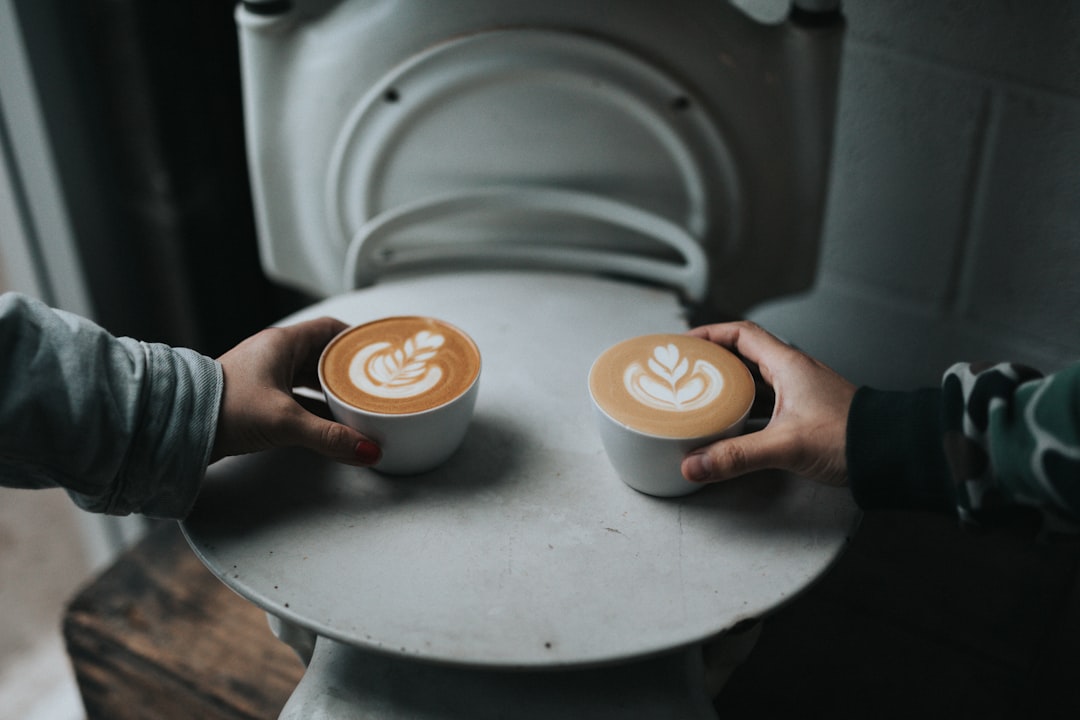
You’ve likely experienced it: that sudden, urgent need to visit the restroom after your morning coffee or that mid-afternoon energy drink. It’s a predictable ritual for many, but have you ever stopped to wonder why caffeine seems to have such a profound effect on your bladder? It’s not just a coincidence; there are several physiological reasons at play behind caffeine’s diuretic properties.
Before diving into the specifics of caffeine, it’s helpful to understand what diuresis means. Diuresis is the increased production of urine. When you experience diuresis, your kidneys are essentially filtering more fluid from your blood and producing a larger volume of urine to excrete it. This can be influenced by various factors, including your fluid intake, certain medications, and, as you’re discovering, the beverages you consume.
Fluid Balance: A Delicate Equilibrium
Your body is a master at maintaining homeostasis, a state of internal stability. Fluid balance is a crucial aspect of this. The amount of water and electrolytes in your body needs to remain within a narrow range for your cells to function optimally. Hormones like antidiuretic hormone (ADH), also known as vasopressin, play a key role in regulating this balance. ADH tells your kidneys how much water to reabsorb back into your bloodstream and how much to excrete as urine. When you drink fluids, your blood becomes more diluted, which signals your body to reduce ADH production, leading to increased urine output.
The Role of Antidiuretic Hormone (ADH)
ADH is produced in the hypothalamus, a region of your brain, and stored in the pituitary gland. Its primary function is to conserve water. When your body is dehydrated, or when you’ve lost fluids, ADH levels rise, causing your kidneys to reabsorb more water, resulting in more concentrated urine and less frequent urination. Conversely, when you drink a lot of fluid, your blood osmolarity (which is essentially how concentrated your blood is) decreases, suppressing ADH release. This leads to less water reabsorption by the kidneys, and consequently, you urinate more.
Kidneys: The Body’s Filtration System
Your kidneys are the workhorses of your urinary system. These bean-shaped organs are responsible for filtering waste products, excess salts, and water from your blood, producing urine in the process. Millions of tiny filtering units called nephrons within each kidney are constantly at work, sifting through your blood to extract what your body needs to keep and what it needs to eliminate. The efficiency and regulation of these nephrons are paramount to maintaining your overall health.
Nephron Functionality and Urine Production
Each nephron consists of a glomerulus (a tiny ball of capillaries) where blood is filtered, and a tubule where the filtered fluid is processed. As the filtrate moves through the tubule, essential substances like glucose and some salts are reabsorbed back into the bloodstream. Water is also reabsorbed, its amount being precisely controlled by hormonal signals, including ADH. The remaining fluid, along with waste products, becomes urine, which then travels to the bladder for storage and eventual elimination.
Caffeine is known for its diuretic properties, which can lead to increased urination. This effect occurs because caffeine inhibits the reabsorption of sodium in the kidneys, promoting the excretion of water. If you’re curious to learn more about the science behind this phenomenon and other related topics, you can check out this informative article on the subject at Freaky Science.
Caffeine’s Impact: Direct and Indirect Mechanisms
Now, let’s focus on caffeine itself. This well-known stimulant found in coffee, tea, chocolate, and energy drinks, exerts its diuretic effect through a combination of direct actions on your kidneys and indirect influences on your body’s fluid regulation systems.
Adenosine Receptor Antagonism: The Primary Mechanism
Caffeine’s primary mechanism of action in the brain is by blocking adenosine receptors. Adenosine is a neurotransmitter that promotes relaxation and sleepiness. By blocking these receptors, caffeine prevents adenosine from binding, leading to increased alertness and reduced fatigue. However, this receptor antagonism extends beyond the brain and has implications for kidney function.
Receptors in the Kidneys
While most attention is paid to adenosine receptors in the brain, these receptors are also present in the kidneys. When caffeine blocks adenosine receptors in the renal blood vessels, it can lead to vasodilation, meaning the blood vessels widen. This vasodilation can increase blood flow to the kidneys, potentially increasing the glomerular filtration rate (GFR). A higher GFR means more blood is being filtered, thus leading to increased urine production.
The “Diuretic” Label: A Nuance to Consider
It’s important to note that while caffeine is often labeled as a diuretic, its effects are generally mild, especially in regular coffee drinkers. The body can develop a tolerance to caffeine’s diuretic properties over time. This means that if you consume caffeine regularly, the impact on your urine production might be less pronounced compared to someone who rarely drinks it.
Direct Renal Effects: Beyond Adenosine
While adenosine receptor blockade is a significant factor, caffeine also appears to have other direct effects on the kidneys that contribute to its diuretic properties. These effects are still being researched, but they provide a more comprehensive understanding of how caffeine influences fluid excretion.
Inhibition of Sodium Reabsorption
Some studies suggest that caffeine can directly interfere with the reabsorption of sodium in the renal tubules. Sodium plays a crucial role in maintaining the body’s fluid balance. When sodium is not reabsorbed effectively, it remains in the tubular fluid, drawing water along with it. This increased concentration of solutes in the tubular fluid leads to more water being retained within the tubules, ultimately resulting in a greater volume of urine.
Impact on Calcium Channels
Another proposed mechanism involves caffeine’s interaction with calcium channels in kidney cells. Calcium signaling is essential for various cellular processes, including the regulation of cell volume and transport. By influencing calcium channels, caffeine might indirectly alter the way cells in the kidney handle water and electrolytes, leading to increased excretion.
Caffeine and ADH: A Complex Interaction

The relationship between caffeine and ADH is not as straightforward as a simple suppression. While some research suggests caffeine might have a minor inhibitory effect on ADH release, other studies have found minimal to no significant impact, especially at moderate consumption levels. The overall diuretic effect of caffeine is likely due to a combination of its direct renal actions and a more complex interplay with the body’s fluid balance mechanisms.
Dehydration vs. Diuresis: Finding the Balance
A common misconception is that drinking caffeinated beverages will inevitably lead to dehydration. This is generally not true for moderate consumption. While caffeine does increase urine production, the fluid you consume in the caffeinated beverage often compensates for the increased water loss. Unless you’re consuming extremely high doses of caffeine in very dry conditions with no other fluid intake, significant dehydration is unlikely.
Rehydration and Caffeinated Beverages
The water content of your coffee, tea, or soda is the primary factor in determining whether you are rehydrating or dehydrating yourself. For instance, a large cup of black coffee contains a significant amount of water. Even with the mild diuretic effect, you are still taking in more fluid than you are losing.
Tolerance Development: The Regular Drinker’s Advantage
As mentioned earlier, your body adapts to regular caffeine intake. This adaptation includes a reduced diuretic response. This means that if you are a daily coffee or tea drinker, your kidneys have become more accustomed to processing caffeine, and its effect on urine production is lessened. This developed tolerance is a key reason why long-term caffeine consumers don’t find themselves constantly running to the restroom after their usual cup of joe.
Physiological Adaptations: What Changes Over Time?
Over time, your body may develop several adaptations to regular caffeine consumption. This can include changes in the number or sensitivity of adenosine receptors in the kidneys and potentially alterations in the way your kidneys handle sodium and water. These subtle physiological shifts contribute to the diminished diuretic effect observed in regular users.
Beyond the Basics: Other Contributing Factors

While caffeine’s direct and indirect effects on the kidneys are the primary drivers of its diuretic action, a few other factors can influence how much you feel the urge to pee after consuming caffeinated beverages.
Individual Sensitivity: Genetic Variations Matter
Just as people have different tolerances to caffeine’s stimulating effects, there are also variations in individual sensitivity to its diuretic properties. These differences can stem from genetic factors that influence how your body metabolizes caffeine or how your kidneys respond to its presence. Some individuals may be more prone to feeling the urge to urinate, while others might experience a less noticeable effect.
Genetic Polymorphisms: DNA’s Influence
Specific genetic variations, often referred to as polymorphisms, can affect how your body processes substances like caffeine. For example, variations in genes responsible for enzymes that metabolize caffeine in the liver can influence the levels of caffeine circulating in your bloodstream and, consequently, its effects on your kidneys. Similarly, genetic differences in kidney function can impact how readily your body responds to caffeine’s diuretic signals.
Dosage and Concentration: More Caffeine, More Effect
Naturally, the amount of caffeine you consume plays a significant role. A small cup of green tea will have a far less pronounced diuretic effect than a large energy drink packed with caffeine. The concentration of caffeine in the beverage, as well as the overall volume, will directly correlate with the intensity of the urge to urinate.
Higher Doses, Higher Filtration Rates
When you consume a higher dose of caffeine, it’s more likely to trigger a stronger response from your kidneys. This can lead to a more significant increase in glomerular filtration rate and a greater disruption of sodium and water reabsorption, resulting in a more noticeable diuretic effect.
Other Ingredients: The Supporting Cast
Many caffeinated beverages are not solely made of caffeine and water. Other ingredients can also play a role in their overall impact on your body, including your urinary system.
Sugar, acidity, and other additives
The sugar content in many sodas and energy drinks can also contribute to increased fluid excretion, as the body works to remove excess sugar. Highly acidic beverages can sometimes irritate the bladder. While these are not direct caffeine effects, they can combine with caffeine’s properties to create a stronger urge to urinate.
Caffeine is known for its stimulating effects, but many people wonder why it also seems to increase the frequency of urination. This diuretic effect can be attributed to caffeine’s ability to inhibit the reabsorption of sodium in the kidneys, leading to increased urine production. For a deeper understanding of this phenomenon and its implications on hydration and health, you can read more in this informative article on the topic at Freaky Science.
Practical Implications: Managing Your Caffeine Intake
| Reasons why caffeine makes you pee so much |
|---|
| Caffeine is a diuretic, which means it increases urine production by promoting the excretion of water from the body. |
| Caffeine stimulates the kidneys to produce more urine by inhibiting the reabsorption of sodium, leading to increased urine output. |
| Drinking caffeinated beverages can also lead to increased fluid intake, which in turn can contribute to more frequent urination. |
Understanding why caffeine makes you pee a lot can help you manage your intake and avoid any unexpected discomfort. It’s about informed choices and knowing your body’s responses.
Hydration Strategies: Balancing Your Intake
The key to enjoying caffeinated beverages without excessive bathroom trips is consistent and adequate hydration. Ensure you are drinking enough plain water throughout the day to offset the fluid lost through increased urination. This helps maintain your overall fluid balance and prevents potential dehydration.
Listening to Your Body’s Signals
Pay attention to your body’s cues. If you notice you’re feeling unusually thirsty or experiencing signs of mild dehydration after consuming caffeinated drinks, it’s a clear indication that you need to increase your water intake.
Timing Your Consumption: Planning for Convenience
Consider the timing of your caffeine consumption, especially if you have important meetings, long car rides, or events where frequent bathroom breaks might be inconvenient. You might choose to have your morning coffee at home or opt for less caffeinated beverages later in the day.
Strategic Beverage Choices
If you’re looking for a pick-me-up without the strong diuretic effect, consider alternatives like decaffeinated coffee or tea, or beverages with lower caffeine content. Herbal teas, while not always containing caffeine, can also contribute to fluid intake and may have soothing properties for the urinary system.
Moderation is Key: Enjoying Responsibly
Ultimately, moderation is often the best approach. Enjoying your favorite caffeinated beverages in sensible amounts allows you to reap their benefits without experiencing unpleasant side effects. Experiment to find out what amount of caffeine works best for you and how your body responds.
Understanding Your Personal Threshold
Everyone’s tolerance and sensitivity to caffeine are unique. What might cause frequent urination for one person might have little effect on another. By observing your own body’s responses, you can determine your personal threshold for caffeine consumption and adjust your intake accordingly to minimize unwanted diuretic effects.
FAQs
1. What is the relationship between caffeine and increased urination?
Caffeine is a diuretic, which means it increases the production of urine by the kidneys. This occurs because caffeine inhibits the reabsorption of sodium in the kidneys, leading to an increase in urine production.
2. How does caffeine affect the bladder?
Caffeine can irritate the bladder, leading to a sensation of needing to urinate more frequently. It can also increase the volume of urine produced, contributing to the need for more frequent urination.
3. Does the amount of caffeine consumed affect the frequency of urination?
Yes, the amount of caffeine consumed can directly impact the frequency of urination. Higher doses of caffeine can lead to more pronounced diuretic effects, resulting in increased urination.
4. Are there individual differences in how caffeine affects urination?
Yes, individual differences in caffeine metabolism and sensitivity can lead to variations in how caffeine affects urination. Some people may be more sensitive to the diuretic effects of caffeine than others.
5. Can consuming caffeine-free beverages help reduce the need for frequent urination?
Switching to caffeine-free beverages can help reduce the frequency of urination, as they do not have the diuretic effects of caffeine. Choosing caffeine-free options such as herbal teas or water can help minimize the need for frequent bathroom trips.