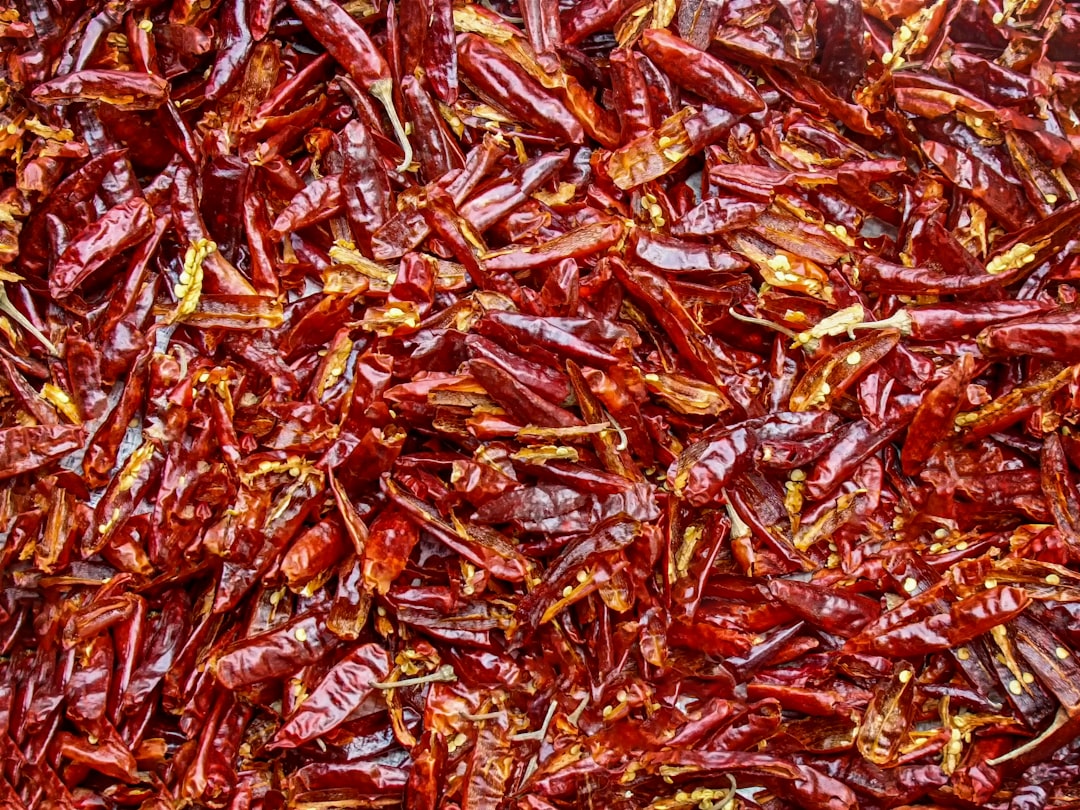
You’ve likely experienced it. That familiar warmth, that invigorating kick that some foods deliver. You reach for that extra dash of chili, that generous dollop of hot sauce, or perhaps you revel in the complex heat of a vindaloo or a phaal. For many, spicy food is a delightful sensory explosion, a culinary adventure that tantalizes the taste buds and adds excitement to everyday meals. However, beyond the immediate pleasure, these flavorful additions can have a direct and sometimes significant impact on your internal physiology, particularly on the delicate lining of your bladder.
Your bladder, a muscular organ responsible for storing urine produced by your kidneys, is lined with a protective layer called the urothelium. This specialized tissue acts as a barrier, preventing irritating substances from being absorbed into the bloodstream and also protecting the bladder walls from damage. While generally robust, this lining is not impervious to the effects of certain dietary components, and spicy foods, with their potent chemical compounds, are one such category that warrants attention. Understanding this interaction is crucial for anyone who enjoys a fiery meal or experiences discomfort after indulging, allowing you to make informed choices about your diet and well-being.
The Chemical Culprits: Capsaicin and Its Relatives
The heat you perceive from chili peppers isn’t just a subjective sensation; it’s a direct chemical reaction. The primary compound responsible for this is capsaicin, a lipophilic alkaloid found in the fruits of plants from the genus Capsicum. When you consume spicy food, capsaicin binds to vanilloid receptors (TRPV1) found on nerve endings. These receptors are present not only in your mouth and on your skin but also, importantly, within the lining of your bladder.
Trigeminal Nerve and Pain Receptors
your oral cavity, the activation of TRPV1 receptors by capsaicin triggers a sensation of heat and pain, which is interpreted by your trigeminal nerve. This initial signal is what makes spicy food feel “hot.”
Urothelial Sensitivity and TRPV1
The lining of your bladder, the urothelium, also possesses TRPV1 receptors. When capsaicin, or other related capsaicinoids that contribute to spiciness, come into contact with these receptors during the bladder’s filling or emptying process, they can initiate a similar signaling cascade. This doesn’t necessarily mean you’ll feel overt pain every time you eat spicy food, but it can contribute to a heightened sensitivity and irritation. The urothelium’s role is to be a barrier, but these receptors are present for other signaling functions, and capsaicin can hijack these for a different sensation.
Other Irritant Compounds
While capsaicin is the most well-known, other compounds present in various spices can also contribute to irritant effects. For example, piperine in black pepper, gingerols in ginger, and allyl isothiocyanate in mustard and horseradish can also interact with sensory pathways and potentially exacerbate bladder discomfort, though their mechanisms and potencies differ from capsaicin. It’s important to recognize that the “spicy” label on food can encompass a range of irritants, and individual reactions can vary.
Recent studies have explored the impact of spicy food on the bladder lining, revealing that certain compounds found in chili peppers may irritate the urinary tract in some individuals. For a deeper understanding of this topic, you can read more in the article available at Freaky Science, which discusses the potential effects of various foods on bladder health and offers insights into dietary choices that may help mitigate discomfort.
Direct Contact and Bladder Irritation
The moment you consume spicy food, the journey of those food particles begins. After digestion, the residual compounds, including capsaicin and its allies, eventually make their way to your bladder when they are filtered from your bloodstream by your kidneys and become part of your urine. This means that the very substance that brought you pleasure in your meal is now in direct contact with the delicate lining of your bladder.
The Urine-Bladder Interface
Your urine, while a natural waste product, is not entirely inert. It contains various dissolved substances, and when these substances are in contact with the urothelium, there can be a degree of interaction. When irritants like capsaicin are present in higher concentrations, this interaction can become more pronounced, leading to localized inflammation or irritation of the bladder lining. Think of it as a prolonged exposure to a mild irritant rather than a fleeting sensation. The longer the urine stays in your bladder, the longer the irritant has to interact with the lining.
Bladder Wall Inflammation (Cystitis)
For some individuals, repeated exposure to bladder irritants, including those found in spicy foods, can contribute to a condition known as interstitial cystitis (IC), also referred to as painful bladder syndrome. While IC is a complex condition with multifactorial causes, dietary triggers are a well-recognized component for many sufferers. The chronic inflammation of the bladder wall can lead to a range of symptoms, including urinary urgency, frequency, and pain. Spicy foods are frequently cited as a common culprit that can exacerbate these symptoms.
Bladder Spasms and Urgency
The chemical stimulation of the TRPV1 receptors in the bladder lining can also trigger involuntary muscle contractions, known as bladder spasms. These spasms can lead to sudden, intense urges to urinate, often before the bladder is actually full. This sensation of urgency, coupled with the potential for pain, can significantly impact your daily life, making it difficult to concentrate, sleep, or engage in social activities. The body’s immediate response to perceived irritation can be to try and expel the offending substance quickly.
The Spectrum of Sensitivity: Who is Most Affected?
It’s crucial to understand that not everyone reacts to spicy food in the same way. What might be a delightful culinary experience for one person could be a source of significant discomfort for another. This variation in sensitivity is due to a number of factors, including genetics, individual health conditions, and the concentration and type of spicy compounds consumed.
Pre-existing Bladder Conditions
Individuals with pre-existing bladder conditions, such as interstitial cystitis, overactive bladder syndrome, or a history of recurrent urinary tract infections (UTIs), are often more susceptible to the irritant effects of spicy foods. Their bladders may already be in a state of heightened sensitivity, making them less able to tolerate the effects of capsaicin and other irritants. For these individuals, spicy foods might not just cause mild discomfort but could trigger significant flares of their symptoms.
Genetic Predisposition
Research suggests that there might be genetic factors that influence an individual’s sensitivity to capsaicin. Variations in the genes that code for TRPV1 receptors, or other components of the pain signaling pathway, could make some people more likely to experience a strong reaction to spicy foods, including effects on their bladder. This provides a biological basis for why some individuals seem inherently more sensitive than others.
Lifestyle and Other Dietary Factors
Your overall lifestyle and other dietary habits can also play a role in your bladder’s sensitivity. Excessive alcohol consumption, smoking, and a diet high in processed foods can all contribute to inflammation and irritation of the urinary tract. When combined with the consumption of spicy foods, these factors can create a synergistic effect, leading to a more pronounced negative impact on your bladder lining. Your body’s overall inflammatory state can influence its response to specific triggers.
Strategies for Mitigation and Management
If you find that spicy food consistently causes you bladder discomfort, this doesn’t necessarily mean you have to eliminate it entirely from your diet. There are several strategies you can employ to manage your intake and minimize potential adverse effects, allowing you to enjoy your meals with greater peace of mind.
Gradual Introduction and Portion Control
If you are new to spicier foods or are reintroducing them after a period of avoidance, begin with small amounts. Gradually increase your portion size and the intensity of the spice over time. This allows your body and your bladder lining to slowly adapt to the presence of capsaicin and other irritants. Observe your body’s reaction closely, noting any changes in urinary symptoms.
Identifying Specific Triggers
Not all spicy foods are created equal. The type of chili pepper, the preparation method, and the other ingredients in a dish can all influence its potential to irritate your bladder. Experiment with different types of spicy foods and note which ones cause you the most trouble. Some individuals might tolerate the heat of a jalapeño better than the fiery kick of a habanero, for instance. Keeping a food diary can be invaluable in identifying specific culprits.
Hydration is Key
Drinking plenty of water is always a good practice for urinary health, but it’s particularly important when consuming spicy foods. Adequate hydration helps to dilute the urine, reducing the concentration of irritants that come into contact with your bladder lining. It also aids in flushing out the bladder more frequently, minimizing prolonged exposure to potentially bothersome compounds. Aim for consistent water intake throughout the day.
Pairing with Soothing Foods
Some foods can help to counteract the irritant effects of spicy ingredients. Dairy products, such as yogurt or milk, can help to bind to capsaicin and reduce its ability to activate TRPV1 receptors. Similarly, starchy foods like rice or bread can act as a buffer. Consider incorporating these into meals that also feature spicy components.
Recent studies have explored the effects of spicy food on various aspects of health, including its potential impact on the bladder lining. For those interested in understanding how certain foods can influence bladder health, a related article can be found at Freaky Science. This resource delves into the connection between diet and bladder function, shedding light on how spicy ingredients might irritate the bladder and affect overall well-being.
When to Seek Professional Advice
While dietary adjustments can often alleviate bladder discomfort related to spicy foods, it’s important to recognize when professional medical advice is necessary. Persistent or severe symptoms should not be ignored, as they could indicate a more significant underlying issue.
Persistent Pain and Discomfort
If you experience ongoing pain, burning, or discomfort during urination, or if you notice a significant increase in urinary frequency or urgency that doesn’t resolve with dietary changes, it’s crucial to consult a healthcare professional. These symptoms can be indicative of various urinary tract conditions that require diagnosis and treatment.
Recurrent Urinary Tract Infections (UTIs)
If you find yourself experiencing recurrent UTIs, and spicy food consistently seems to trigger them or exacerbate symptoms, discuss this with your doctor. While spicy food isn’t a direct cause of UTIs, it can create an environment that makes your bladder more vulnerable, especially if there are other contributing factors.
Suspected Interstitial Cystitis or Overactive Bladder
If your symptoms align with descriptions of interstitial cystitis or overactive bladder syndrome, a medical professional can provide a proper diagnosis and develop a comprehensive management plan. This plan may include dietary recommendations alongside other therapeutic interventions. Don’t self-diagnose; seek expert guidance.
FAQs
1. What is the impact of spicy food on bladder lining?
Spicy foods can irritate the bladder lining, leading to symptoms such as increased urgency, frequency, and discomfort during urination.
2. Can spicy food cause bladder inflammation?
Yes, consuming spicy foods can lead to inflammation of the bladder lining, which can exacerbate symptoms of conditions such as interstitial cystitis or overactive bladder.
3. Are there specific spicy foods that are more likely to irritate the bladder?
Certain spicy foods, such as chili peppers, hot sauces, and curry, are more likely to irritate the bladder due to their high levels of capsaicin, a compound known to trigger bladder irritation.
4. How can spicy food affect individuals with bladder conditions?
For individuals with bladder conditions such as interstitial cystitis or overactive bladder, consuming spicy foods can exacerbate symptoms and lead to increased discomfort and urinary urgency.
5. What are some alternatives to spicy foods for individuals with sensitive bladders?
For those with sensitive bladders, it may be beneficial to opt for milder spices or herbs such as ginger, turmeric, or cumin, and to focus on a diet that is low in acidic and spicy foods to minimize bladder irritation.