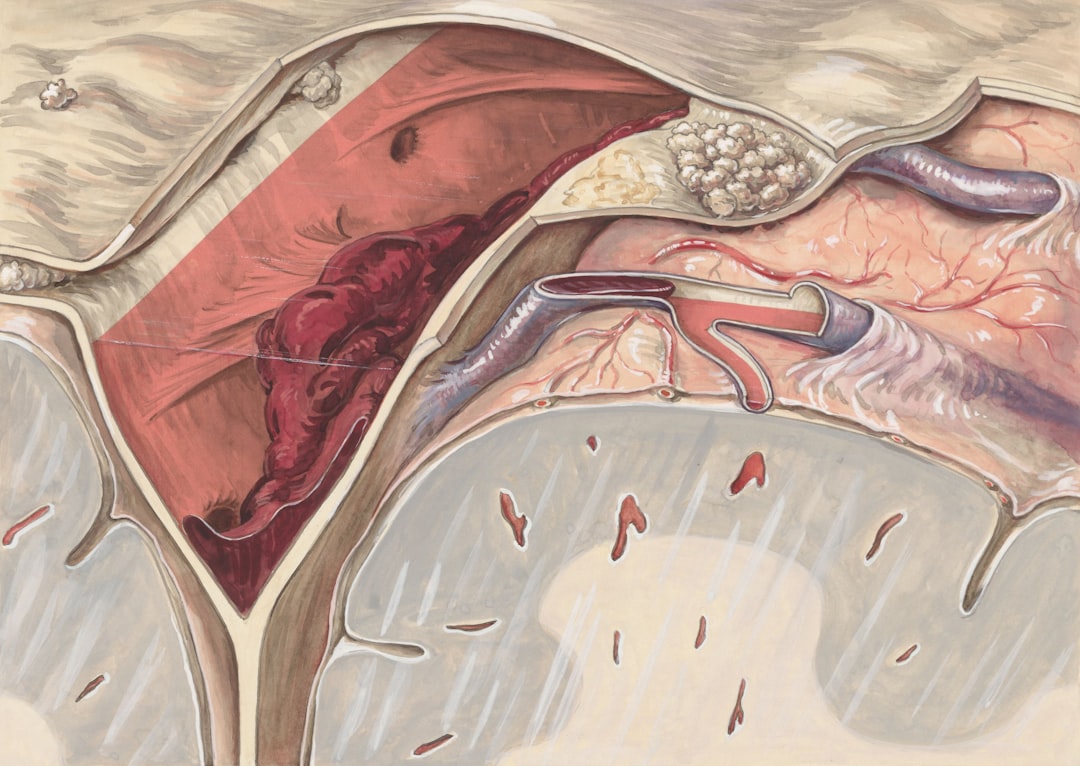
You might not be consciously aware of it, but while you’re asleep, your brain is actively engaged in a critical cleaning process. This process is orchestrated by a recently discovered system, the glymphatic system, which plays a vital role in maintaining optimal brain health by clearing metabolic waste products. Understanding how this system functions and how you can support its efficiency can have significant implications for your cognitive well-being.
Your brain, a remarkably complex organ, generates a significant amount of waste as a byproduct of its continuous activity. These waste products, including misfolded proteins and toxins, can accumulate over time and are implicated in the development of neurodegenerative diseases like Alzheimer’s and Parkinson’s. For a long time, the prevailing scientific understanding was that the brain had limited mechanisms for clearing these harmful substances.
A Paradigm Shift in Neuroscience
The discovery of the glymphatic system in 2012 marked a significant paradigm shift in our understanding of brain physiology. Researchers, utilizing advanced imaging techniques, observed a dynamic flow of cerebrospinal fluid (CSF) through brain tissue, primarily during sleep. This fluid flow was shown to carry away waste products that were then transported to the lymphatic system for elimination from the body. This finding provided a concrete biological mechanism for a process that had been theorized for decades.
The Role of Cerebrospinal Fluid (CSF)
Cerebrospinal fluid is a clear, colorless fluid that surrounds the brain and spinal cord. It cushions these vital organs, providing mechanical support and shock absorption. Beyond its protective role, CSF also plays a crucial role in nutrient delivery and waste removal within the central nervous system. The glymphatic system leverages the flow of CSF to perform its waste clearance functions.
Recent studies have shed light on the glymphatic system, a crucial mechanism for waste clearance in the brain, which operates primarily during sleep. This system facilitates the removal of neurotoxic waste products, including amyloid-beta, thereby playing a significant role in maintaining neurological health. For a deeper understanding of this fascinating process and its implications for brain health, you can read more in this related article: Glymphatic System and Waste Clearance.
Glymphatic System Anatomy and Function
The glymphatic system is a complex interplay of anatomical structures and physiological processes. Its efficiency is directly linked to the movement of CSF through the brain parenchyma, the functional tissue of the brain.
The Perivascular Spaces: The Glymphatic Highway
A key anatomical feature of the glymphatic system lies within the perivascular spaces, which are channels that surround blood vessels within the brain. The glymphatic system utilizes these perivascular spaces as a critical pathway for CSF influx and waste product removal.
Periarterial Inflow
During wakefulness, the arterial pulse wave pulsates, causing a slight narrowing of the perivascular space. However, during sleep, this pulsation widens these spaces, facilitating the influx of CSF. This incoming CSF, driven by the pressure gradient, flows into the brain parenchyma.
Interstitial Bulk Flow
As CSF enters the brain tissue, it percolates through the interstitial space, the area between brain cells. This interstitial space is densely packed with cells, but the glymphatic system exploits a network of channels and aquaporins (water channels) to allow for a bulk flow of fluid. This fluid movement is essential for washing away accumulated waste products.
Perivenous Outflow
Once the CSF has traversed the interstitial space, picking up waste products along the way, it is efficiently removed via the perivenous spaces. These spaces, surrounding the veins, serve as the exit routes for the CSF-waste mixture. This outflow is crucial for transporting the cleared waste substances out of the brain.
The Role of Glial Cells: Astrocytes at the Forefront
Glial cells, often considered the support cells of the brain, are critical players in the glymphatic system, with astrocytes holding a particularly prominent position.
Astrocytic Aquaporins
Astrocytes, a type of glial cell, form a complex network throughout the brain and play a crucial role in regulating the flow of CSF. They are rich in aquaporin-4 (AQP4) water channels, which are strategically localized on the astrocyte endfeet that ensheath blood vessels and the surfaces of neurons. This specific arrangement of AQP4 channels is essential for the directed flow of CSF. When CSF enters the perivascular spaces, AQP4 channels facilitate its movement into the interstitial space, and subsequently, aid in its removal. The orientation of these channels shifts between wakefulness and sleep, further optimizing glymphatic function.
Waste Product Engulfment
Beyond their role in fluid transport, astrocytes also appear to be involved in the direct uptake and processing of some waste products. While the precise mechanisms are still being investigated, evidence suggests that astrocytes can help sequester and potentially degrade certain metabolic byproducts, contributing to overall brain cleanliness.
The Interplay with the Lymphatic System
The glymphatic system does not operate in isolation. Its ultimate function of waste removal is dependent on its connection with the body’s conventional lymphatic system.
Direct Connections
While the brain was long thought to be devoid of traditional lymphatic vessels, recent research has identified direct connections between the glymphatic system and the meningeal lymphatic vessels located in the membranes surrounding the brain. These connections allow for the efficient transfer of waste products cleared by the glymphatic system into the venous blood and subsequently to the body’s lymphatic network for elimination.
Clearance Pathways
The waste products, once transferred to the meningeal lymphatics, are then transported to lymph nodes and eventually processed and excreted by the body. This complete pathway underscores the glymphatic system’s crucial role as the brain’s primary waste disposal mechanism.
Sleep: The Glymphatic System’s Prime Time
The glymphatic system’s activity is significantly modulated by your sleep-wake cycle, with sleep emerging as the most effective period for waste clearance.
The Sleep-Wake Cycle and Glial Cell Function
During wakefulness, your brain is continuously active, generating metabolic waste. However, the glymphatic system’s efficiency is reduced. As you transition into sleep, a cascade of physiological changes occurs that optimizes glymphatic function.
Reduced Neuronal Activity During Sleep
A key factor enabling enhanced glymphatic clearance during sleep is the decrease in neuronal activity. When neurons are less active, they consume less energy and produce fewer waste products. This reduction in waste generation provides an opportunity for the glymphatic system to catch up on accumulated debris.
Increased Interstitial Space During Sleep
Crucially, sleep is associated with an expansion of the interstitial space within the brain. This increase in space is thought to be driven by a phenomenon known as “volume shrinkage” of brain cells. As brain cells temporarily reduce their volume during sleep, the interstitial space between them widens, creating larger channels for CSF to flow through. This widened interstitial space significantly enhances the bulk flow of CSF, enabling more effective flushing of waste products.
Different Sleep Stages and Their Impact
While sleep, in general, is beneficial for glymphatic function, the specific stages of sleep may have varying impacts.
Deep Sleep (Slow-Wave Sleep)
Deep sleep, characterized by slow-wave brain activity, appears to be particularly important for robust glymphatic clearance. This stage is associated with the most significant increases in interstitial space and CSF flow. Therefore, achieving adequate amounts of deep sleep is crucial for optimal brain waste removal.
REM Sleep (Rapid Eye Movement Sleep)
The role of REM sleep in glymphatic function is still an active area of research. While some studies suggest a role, others indicate that glymphatic activity may be less pronounced during REM sleep compared to deep sleep. However, REM sleep is essential for other cognitive functions, including memory consolidation, and its interplay with the glymphatic system is complex.
The Consequences of Sleep Deprivation
Given the crucial role of sleep in glymphatic function, it’s not surprising that sleep deprivation has detrimental effects on waste clearance and, consequently, on brain health.
Impaired Waste Removal
When you are sleep-deprived, the glymphatic system’s efficiency is compromised. This leads to a reduced ability to clear metabolic waste products from the brain, allowing them to accumulate. Over time, this accumulation can contribute to neuronal dysfunction and increase the risk of neurodegenerative diseases.
Protein Aggregation and Neurotoxicity
One of the major concerns associated with impaired glymphatic clearance is the accumulation of misfolded proteins. In conditions like Alzheimer’s disease, the abnormal buildup of amyloid-beta and tau proteins is a hallmark pathology. The glymphatic system is believed to be involved in clearing these proteins. When this system is not functioning optimally, these proteins can aggregate into toxic plaques and tangles, damaging neurons and impairing cognitive function.
Factors Influencing Glymphatic System Efficiency
Several lifestyle and physiological factors can influence the efficiency of your glymphatic system, making it amenable to support and optimization.
Hydration Levels
Adequate hydration is fundamental for the proper functioning of all bodily systems, including the glymphatic system.
The Importance of Water Balance
Cerebrospinal fluid is primarily composed of water. Therefore, maintaining good hydration is essential for ensuring sufficient CSF production and flow. Dehydration can lead to reduced CSF volume, which can impede the bulk flow of fluid through the brain and consequently impair waste removal.
Fluid Intake and CSF Production
Consuming an adequate amount of water throughout the day supports optimal CSF production and circulation. While the exact optimal intake can vary, paying attention to your body’s thirst signals is generally a good indicator of your hydration needs.
Exercise and Physical Activity
Regular physical activity has been shown to have a positive impact on glymphatic system function, beyond its well-known cardiovascular benefits.
Enhanced CSF Circulation
Exercise, particularly aerobic exercise, can promote improved blood circulation throughout the body, including the brain. This enhanced blood flow may indirectly support glymphatic function by influencing the pulsatility of blood vessels, which is thought to contribute to CSF influx.
Increased Glymphatic Flow
Studies have demonstrated that even moderate levels of exercise can lead to increased glymphatic flow during sleep. This suggests that physical activity can prime the glymphatic system for more efficient waste clearance during periods of rest.
Age and Glymphatic Function
As you age, your glymphatic system, like many other bodily systems, can experience a decline in efficiency.
Age-Related Changes
With age, there can be structural changes in the brain, including alterations in the perivascular spaces and the function of astrocytes. These changes can lead to a reduced capacity for CSF flow and consequently a diminished ability to clear waste products.
Increased Risk of Neurodegeneration
The age-related decline in glymphatic function is thought to contribute to the increased susceptibility to neurodegenerative diseases in older adults. The impaired clearance of toxic proteins, such as amyloid-beta, becomes more pronounced, potentially accelerating disease progression.
Certain Medical Conditions
Various medical conditions can interfere with the normal functioning of the glymphatic system.
Hypertension and Cardiovascular Disease
Conditions affecting the cardiovascular system, such as hypertension (high blood pressure), can negatively impact glymphatic function. Chronically elevated blood pressure can damage blood vessels in the brain, including the perivascular spaces, and disrupt the pulsatility that drives CSF influx.
Diabetes and Metabolic Syndrome
Diabetes and metabolic syndrome are also associated with impaired glymphatic function. These conditions can lead to inflammation, oxidative stress, and microvascular changes in the brain, all of which can compromise the efficiency of waste clearance.
Recent research has shed light on the glymphatic system, a crucial mechanism for waste clearance in the brain that operates primarily during sleep. This fascinating system facilitates the removal of metabolic waste products, including amyloid-beta, which is linked to neurodegenerative diseases. For a deeper understanding of how this system functions and its implications for brain health, you can explore a related article that discusses the latest findings in neuroscience. To learn more about these insights, visit Freaky Science.
Supporting Your Glymphatic System for Cognitive Health
| Data/Metric | Value |
|---|---|
| Rate of waste clearance | 0.5-1.0 mL/min |
| Role in Alzheimer’s disease | Clearance of amyloid-beta plaques |
| Enhancement through sleep | 2-3 times faster during sleep |
| Connection to brain health | Linked to cognitive function and neurodegenerative diseases |
Understanding the factors that influence glymphatic function empowers you to take proactive steps to support your brain’s natural cleaning processes and, by extension, your long-term cognitive health.
Prioritizing Quality Sleep
Given its central role in glymphatic activity, prioritizing sufficient and high-quality sleep is paramount.
Establishing Healthy Sleep Habits
Consistent sleep schedules, creating a relaxing bedtime routine, and ensuring a conducive sleep environment (dark, quiet, and cool) are all essential for optimizing sleep quality and, by extension, glymphatic function. Limiting exposure to blue light from electronic devices before bed can also aid in melatonin production, promoting deeper sleep.
Addressing Sleep Disorders
If you experience persistent difficulties with sleep, such as insomnia or sleep apnea, seeking professional medical advice is crucial. Addressing underlying sleep disorders can have a significant positive impact on your glymphatic system’s efficiency.
Regular Physical Activity
Incorporating regular exercise into your routine is a powerful way to support your glymphatic system.
Finding an Enjoyable Activity
The key is to find a form of physical activity that you enjoy and can sustain consistently. This could range from brisk walking and running to swimming, cycling, or dancing. Aim for a combination of aerobic exercise and, if possible, some strength training.
Consistency is Key
The benefits of exercise for glymphatic function are likely cumulative. Striving for regularity, rather than sporadic intense bursts, will yield more sustainable improvements.
Maintaining Adequate Hydration
Don’t underestimate the importance of simply drinking enough water.
Water Intake Throughout the Day
Sip water consistently throughout the day, rather than attempting to consume large quantities at once. Carrying a reusable water bottle can serve as a helpful reminder.
Monitoring Your Hydration Status
Pay attention to your body’s signals. If you often feel thirsty, it’s a clear indication that you need to increase your fluid intake. Urine color can also be an indicator; pale yellow urine generally suggests good hydration.
Managing Stress Levels
Chronic stress can have a pervasive negative impact on your physical and mental health, and the glymphatic system is no exception.
Stress Reduction Techniques
Engaging in stress-reducing activities like mindfulness meditation, yoga, deep breathing exercises, or spending time in nature can help mitigate the negative effects of stress on your brain.
The Link Between Stress and Inflammation
Stress can contribute to inflammation, which can impair glymphatic function. By managing stress, you indirectly protect your brain from this detrimental inflammatory process.
Dietary Considerations
While direct links between specific foods and glymphatic function are still under investigation, a healthy, balanced diet supports overall brain health.
Anti-inflammatory Foods
A diet rich in antioxidants and anti-inflammatory compounds, such as those found in fruits, vegetables, and whole grains, may indirectly support glymphatic health by reducing systemic inflammation.
Limiting Processed Foods and Sugars
Conversely, diets high in processed foods, unhealthy fats, and added sugars are often associated with inflammation and can negatively impact vascular health, potentially affecting glymphatic efficiency.
Future Directions and Implications for Brain Health
The ongoing research into the glymphatic system opens up exciting possibilities for understanding and treating a wide range of neurological conditions.
Understanding Neurodegenerative Diseases
The glymphatic system’s role in clearing toxic proteins directly implicates it in the pathogenesis of neurodegenerative diseases like Alzheimer’s, Parkinson’s, and ALS. Future research will likely focus on understanding how glymphatic dysfunction contributes to disease initiation and progression.
Therapeutic Targets for Protein Clearance
If impaired glymphatic clearance is a significant factor in these diseases, then strategies aimed at enhancing glymphatic function could represent novel therapeutic approaches. This could involve developing drugs or interventions that boost CSF flow, improve astrocyte function, or strengthen the connections to the lymphatic system.
Early Detection and Prevention
Identifying individuals with suboptimal glymphatic function might allow for earlier interventions aimed at preventing or delaying the onset of neurodegenerative diseases. Biomarkers that can reliably assess glymphatic efficiency are likely to be a key area of focus for future research.
Enhancing Cognitive Function and Brain Resilience
Beyond disease prevention, optimizing glymphatic function could also contribute to enhancing overall cognitive performance and building greater resilience against age-related cognitive decline.
Maintaining Cognitive Sharpness
By ensuring that your brain is effectively clearing waste products, you are contributing to a healthier cellular environment, which is conducive to optimal neuronal function and cognitive sharpness.
The Brain’s Ability to Repair and Regenerate
A well-functioning glymphatic system might also play a role in the brain’s capacity for repair and regeneration, helping to maintain cognitive abilities throughout life.
The Interdisciplinary Nature of Glymphatic Research
Research into the glymphatic system is inherently interdisciplinary, drawing expertise from neuroscience, physiology, medicine, and engineering. Advances in imaging technologies, molecular biology, and computational modeling are continually pushing the boundaries of our understanding.
Technological Advancements
The development of sophisticated in-vivo imaging techniques has been instrumental in visualizing glymphatic flow and understanding its dynamics. Future technological innovations will likely provide even greater insight into the intricate mechanisms at play.
Clinical Translation of Findings
The ultimate goal of glymphatic research is to translate these fundamental discoveries into tangible benefits for human health, leading to new diagnostic tools and therapeutic strategies for a range of neurological conditions. You are now aware of the critical role your glymphatic system plays in maintaining your brain’s health, and the simple yet powerful ways you can support its efficient functioning.
FAQs
What is the glymphatic system?
The glymphatic system is a waste clearance mechanism in the brain that helps remove toxins and waste products, similar to the lymphatic system in the rest of the body.
How does the glymphatic system work?
The glymphatic system works by using cerebrospinal fluid to flush out waste products from the brain, which are then removed through the bloodstream.
What are the implications of the glymphatic system for brain health?
The glymphatic system plays a crucial role in maintaining brain health by removing toxic waste products, and its dysfunction has been linked to neurodegenerative diseases such as Alzheimer’s.
What factors can affect the function of the glymphatic system?
Factors such as sleep, aging, and certain neurological conditions can affect the function of the glymphatic system, potentially leading to the accumulation of waste products in the brain.
How can the glymphatic system be supported or enhanced?
Research suggests that adequate sleep, hydration, and certain lifestyle factors such as exercise and a healthy diet may support the function of the glymphatic system and promote brain health.