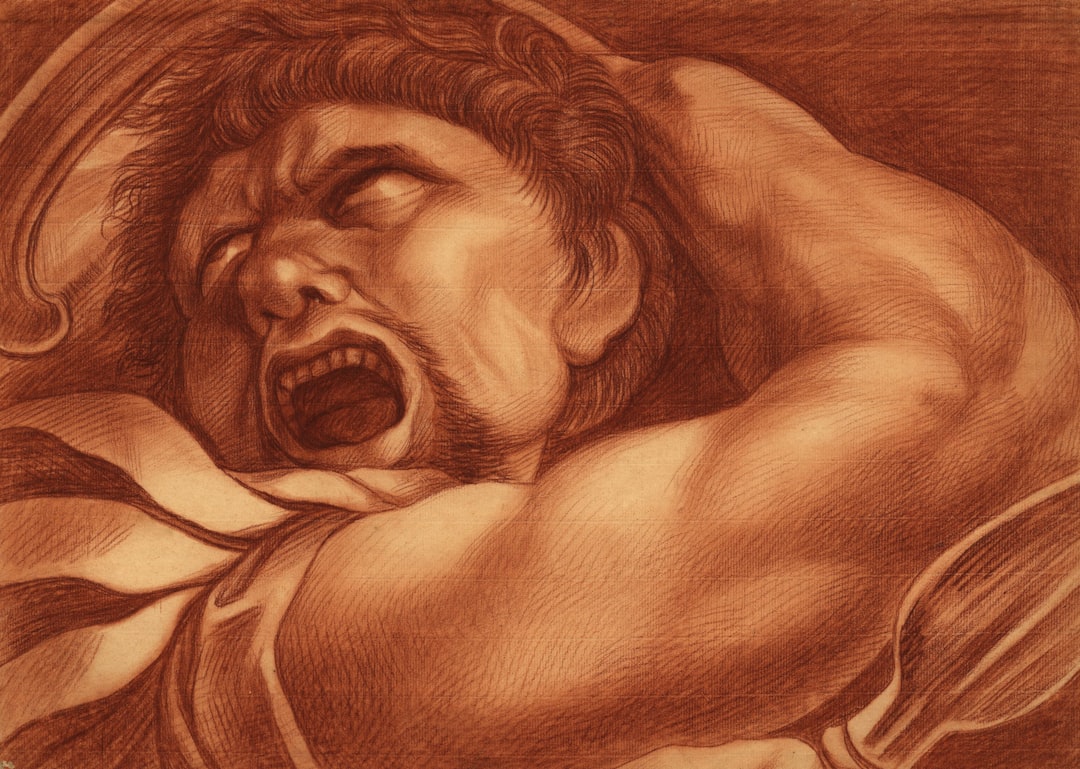
You’ve felt it. That icy grip, the suffocating weight on your chest, the utter inability to move. Your eyes might be wide open, registering the familiar surroundings of your own bedroom, yet a terrifying presence fills the space. You try to scream, to thrash, to escape, but your body is a statue, a prison. This, you understand, is sleep paralysis. For centuries, this phenomenon has been attributed to supernatural forces, to demonic visitations. You’ve heard the stories, perhaps even experienced them yourself, and the fear is primal and deeply unsettling. But what if, instead of succumbing to the terror of ancient folklore, you could understand the science behind these so-called sleep paralysis demons? What if the entities you perceive are not external malevolent forces, but rather intricate neurological processes manifesting in your sleeping mind? This article aims to peel back the layers of myth and explore the biological underpinnings of this frightening, yet ultimately explainable, experience.
Sleep paralysis is a liminal experience, a bizarre bridge between wakefulness and dreaming. To understand it, you first need to grasp the fundamental stages of sleep. Your sleep cycle isn’t a simple off-and-on switch. It’s a dynamic process with distinct phases, each serving a unique purpose.
The Architecture of Sleep
- Non-Rapid Eye Movement (NREM) Sleep: This constitutes the majority of your sleep time. It’s further divided into stages. Stage N1 is the lightest sleep, where you drift off. Stage N2 is a deeper sleep, characterized by characteristic brainwave patterns. Stage N3, also known as deep sleep or slow-wave sleep, is crucial for physical restoration and growth. During NREM sleep, your brain activity slows down considerably.
- Rapid Eye Movement (REM) Sleep: This is where the magic – and for some, the terror – of dreaming truly happens. During REM sleep, your brain activity mirrors that of a waking person. Your eyes dart rapidly beneath your eyelids, hence the name. This is the stage where most vivid dreaming occurs. Your brain is highly active, processing information, consolidating memories, and engaging in emotional regulation.
A Crucial Evolutionary Mechanism: Muscle Atonia
During REM sleep, a remarkable neurological phenomenon occurs: muscle atonia. This is a deliberate paralysis of your voluntary muscles. Think of it as your brain’s built-in safety feature. Without it, you might physically act out your dreams, potentially injuring yourself or others. Imagine dreaming you’re running and actually running in your sleep, or fighting off an imaginary attacker and flailing your arms wildly. To prevent such scenarios, your brainstem actively suppresses the signals from your motor neurons, effectively rendering your body immobile.
The Glitch in the System: The Mechanism of Sleep Paralysis
Sleep paralysis occurs when there’s a disruption in the transition between REM sleep and wakefulness. Essentially, your conscious mind wakes up, but your brain hasn’t fully deactivated the REM-induced muscle atonia. You are awake and aware, yet your body remains in that state of paralysis. This disconnect is the core of the experience. Your brain is still partially in the REM state, where dreaming and vivid hallucinations are common, but your body is stuck in the paralyzed state of that same REM stage. This is why you can often see and hear things that aren’t there, while simultaneously feeling utterly unable to move.
Sleep paralysis is a phenomenon that has intrigued both scientists and the general public for centuries, often leading to vivid experiences of shadowy figures or “demons” during episodes. For a deeper understanding of the science behind these occurrences, you can explore the article on Freaky Science, which delves into the neurological and psychological explanations for sleep paralysis and its associated hallucinations. To read more about this fascinating topic, visit Freaky Science.
The Hallucinations: When Your Brain Plays Tricks
The most terrifying aspect of sleep paralysis for many is the vivid hallucinations that often accompany it. You might see shadowy figures, hear footsteps, feel a presence, or even experience the sensation of being touched or held down. These are not ghosts or demons in the supernatural sense, but rather powerful and convincing illusions generated by your own brain.
Hypnagogic and Hypnopompic Hallucinations
These are sensory experiences that occur during the transition into sleep (hypnagogic) or upon waking (hypnopompic). They are a hallmark of sleep paralysis because the paralysis itself happens during these liminal states.
- Visual Hallucinations: These can range from simple lights and patterns to complex figures and scenes. In the context of sleep paralysis, these are often perceived as menacing entities, contributing to the “demon” narrative. Your brain, still somewhat in a dream-like state, can conjure these images with striking realism.
- Auditory Hallucinations: You might hear voices, whispers, music, or even disembodied sounds. These can be particularly unsettling, as they suggest an external source, reinforcing the feeling of a sinister presence.
- Tactile Hallucinations: This is where the feeling of being touched, pushed, or even sat upon comes into play. The pressure on your chest, often described as a weight, is a classic symptom. Your brain can simulate these physical sensations vividly, making them feel incredibly real.
The Brain’s Interpretation: Filling in the Blanks
When your brain is in this state of partial wakefulness and partially activated REM processes, it’s trying to make sense of the available sensory input. Without full motor control or a fully coherent conscious processing, it can readily fill in the gaps with whatever is readily accessible – memories, fears, and archetypal imagery. The “demon” you perceive is often a manifestation of your own subconscious, shaped by cultural narratives and personal anxieties, projected onto the canvas of your surreal waking dream.
The Intruders: Why You Feel a Presence

The sensation of an “intruder” is one of the most consistent and alarming elements of sleep paralysis. This perceived entity, often described as malevolent, is a complex interplay of neurological and psychological factors.
The Feeling of a Third Person
- Proprioception and Body Awareness: Your brain constantly receives information about your body’s position and movement. During sleep paralysis, this feedback loop can be distorted. The immobility of your limbs, combined with the heightened awareness of your body’s state, can lead to an uncanny sensation that something else is present, perhaps holding you down or observing you.
- The Illusory Sense of Presence: Research suggests that specific brain regions, particularly those involved in self-awareness and spatial navigation, can become dysregulated during sleep paralysis. This dysregulation can lead to the misinterpretation of internal bodily signals as external intrusions, creating the distinct feeling that another being is in the room with you.
The Terror Amplified: Evolutionary Echoes and Cultural Narratives
The “intruder” experience is often amplified by the deeply ingrained human tendency to interpret ambiguous sensory input in the context of potential threats. For millennia, our ancestors had to be acutely aware of their surroundings, especially when vulnerable. The feeling of a presence in the darkness, an unknown entity in your personal space, would have triggered a powerful fear response.
- Archetypal Fears: Throughout human history and across cultures, narratives of demons, spirits, and evil beings have emerged. These stories tap into fundamental fears of the unknown and the malevolent. When you experience the disorienting and terrifying sensations of sleep paralysis, your brain can readily draw upon these archetypal fears, constructing the image of a demon to explain the inexplicable. The “Old Hag” phenomenon, for instance, is a common manifestation of sleep paralysis hallucinations believed to be influenced by folklore.
The Pressure: The Feeling of Being Crushed
The oppressive weight on your chest is a classic symptom of sleep paralysis, and it’s a sensation that has fueled many a terrifying tale. This isn’t a ghost sitting on you, but rather another manifestation of your brain and body’s unusual state.
Respiratory Sensations During Paralysis
- Diaphragmatic Movement: While your voluntary muscles are paralyzed, your diaphragm, the primary muscle of respiration, still functions. However, the sensation of immobility can lead to an altered perception of breathing. You might feel like you are struggling to breathe, or that your chest is being compressed, even though your actual oxygen intake is likely normal.
- Interoception and Bodily Awareness: Interoception is your brain’s sense of the internal state of your body. During sleep paralysis, the disconnection between your conscious awareness and your motor commands can lead to a heightened – and often distorted – perception of your internal bodily processes, including breathing mechanics.
The Brain Interprets the Discomfort
Your brain attempts to make sense of this altered bodily sensation. In the context of a terrifying, disorienting experience and the potential for hallucinated presences, the feeling of pressure can easily be interpreted as a physical attack or an oppressive force. The physiological sensation of being unable to move, coupled with the brain’s active interpretation of somatic signals, creates the potent illusion of a crushing weight.
Sleep paralysis has long fascinated both scientists and those who have experienced it, often leading to vivid descriptions of shadowy figures or demons during episodes. For a deeper understanding of the science behind these phenomena, you can explore a related article that delves into the neurological and psychological factors contributing to sleep paralysis experiences. This insightful piece can be found at Freaky Science, where it discusses how the brain’s transition between sleep and wakefulness can create such terrifying visions.
Overcoming the Fear: Understanding as Empowerment
| Science Explanation | Data/Metrics |
|---|---|
| Neurological Perspective | Brain activity during REM sleep |
| Psychological Perspective | Stress, anxiety, and trauma correlation |
| Cultural Perspective | Prevalence in different cultures |
| Medical Perspective | Impact on sleep quality and mental health |
While the experience of sleep paralysis can be profoundly frightening, understanding its scientific basis is the most powerful tool you have for overcoming the terror. Knowledge is, in this instance, your liberation.
Recognizing the Illusion
- The Power of Knowledge: Once you comprehend that these are not supernatural intrusions but rather misfirings of your neurological system, the fear associated with them can significantly diminish. You can begin to reframe the experience, not as a demonic possession, but as a temporary and understandable glitch.
- Detachment and Observation: With this understanding, you can aim to detach yourself from the immediate terror. Instead of panicking, you can try to observe the experience with a more scientific mindset. Remind yourself that you are safe, that your body will eventually return to normal function, and that the perceived threats are figments of your brain’s altered state.
Coping Strategies for Sleep Paralysis
- Sleep Hygiene: Ensuring you get adequate, consistent sleep is paramount. Irregular sleep patterns, sleep deprivation, and disrupted sleep cycles are strongly linked to an increased frequency of sleep paralysis. Establishing a regular sleep schedule, creating a relaxing bedtime routine, and ensuring your bedroom is conducive to sleep (dark, quiet, cool) can make a significant difference.
- Stress Management: High levels of stress and anxiety are also triggers for sleep paralysis. Incorporating stress-reducing techniques into your life, such as meditation, yoga, deep breathing exercises, or mindfulness, can help to mitigate the frequency and intensity of these episodes.
- Positional Adjustments: Some individuals find that sleeping on their back increases their likelihood of experiencing sleep paralysis. While not universally true, experimenting with sleeping positions might be beneficial for some.
- Cognitive Behavioral Therapy for Insomnia (CBT-I): For recurrent or particularly distressing sleep paralysis episodes, a therapist specializing in sleep disorders may offer CBT-I. This therapy can help to address underlying sleep issues and develop coping mechanisms.
- Reassurance and Rationalization: During an episode, if you can manage to maintain some level of lucidity, consciously remind yourself of what is happening. Tell yourself, “This is sleep paralysis. I am safe. My body is just slow to wake up from REM sleep. This will pass.” This internal dialogue can help to break the cycle of fear and panic.
By demystifying sleep paralysis and understanding the intricate biological processes at play, you can transform an experience of terror into one that, while perhaps still unsettling, is ultimately understandable and manageable. The demons of sleep paralysis are not external invaders, but rather the fascinating, albeit sometimes frightening, workings of your own remarkable brain.
FAQs
What is sleep paralysis?
Sleep paralysis is a temporary inability to move or speak that occurs when waking up or falling asleep. It is often accompanied by a feeling of pressure on the chest and a sense of fear.
What is a sleep paralysis demon?
The term “sleep paralysis demon” refers to the hallucinations or vivid, often terrifying, experiences that some people have during episodes of sleep paralysis. These experiences can include seeing or sensing a presence in the room, often described as a malevolent or demonic figure.
What causes sleep paralysis and the sensation of a demon presence?
Sleep paralysis is believed to occur when the body is briefly out of sync with the brain during the transition between wakefulness and sleep. The sensation of a demon presence is thought to be a result of the brain’s attempt to make sense of the disorientation and fear caused by the paralysis.
Can science explain sleep paralysis and the sensation of a demon presence?
Yes, science can explain sleep paralysis and the sensation of a demon presence. Research suggests that sleep paralysis is linked to disrupted REM sleep and can be triggered by factors such as stress, sleep deprivation, and irregular sleep patterns. The sensation of a demon presence is considered a hallucination resulting from the brain’s attempt to interpret the body’s state during sleep paralysis.
How can sleep paralysis and the sensation of a demon presence be managed?
Managing sleep paralysis and the sensation of a demon presence can involve improving sleep hygiene, reducing stress, and addressing any underlying sleep disorders. Seeking support from a healthcare professional, such as a sleep specialist or therapist, can also be beneficial in managing these experiences.