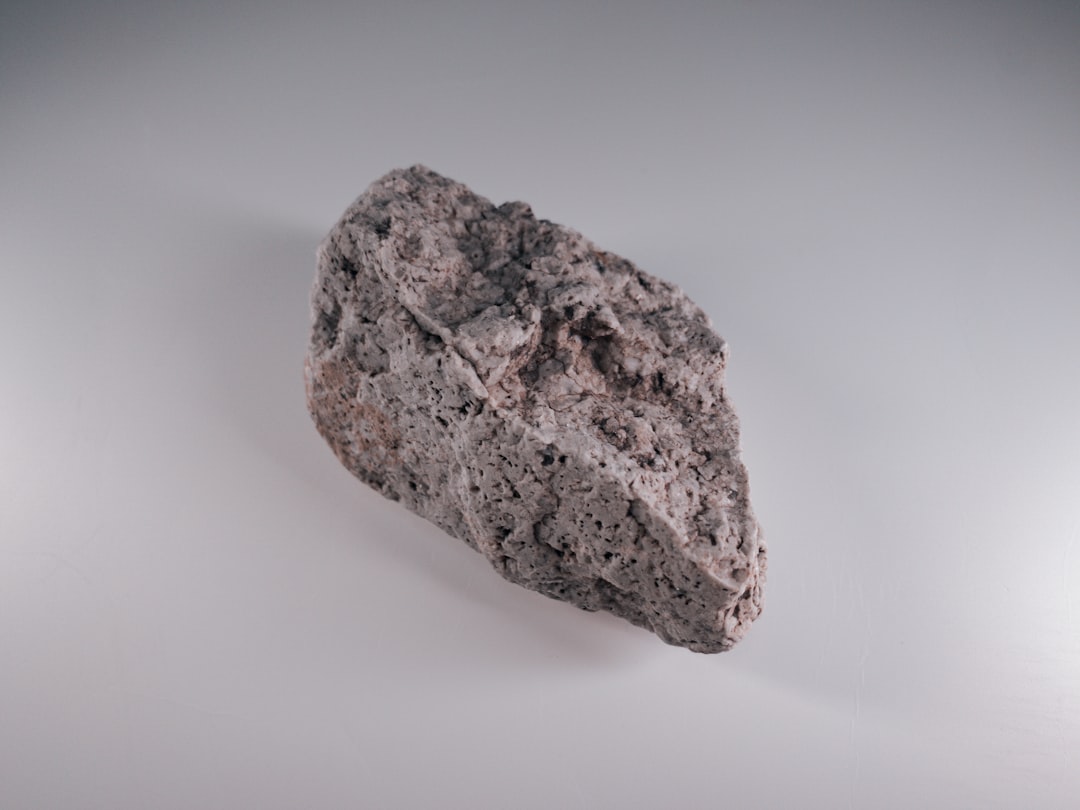
Magnetite, an iron oxide mineral with the chemical formula Fe3O4, has garnered significant attention in recent years, particularly in arid desert environments. The unique geological conditions of deserts often lead to the formation and concentration of various minerals, including magnetite. This mineral is not only crucial for its industrial applications but also plays a vital role in understanding the geological history and processes of these arid landscapes.
The study of magnetite concentration in deserts opens up new avenues for research, revealing insights into the Earth’s crust and the environmental dynamics at play in these seemingly barren regions. The presence of high levels of magnetite in desert areas raises intriguing questions about the geological processes that contribute to its formation. As researchers delve deeper into this phenomenon, they uncover a complex interplay of factors that influence magnetite concentration.
From volcanic activity to sedimentary processes, the origins and distribution of magnetite in desert environments provide a fascinating glimpse into the Earth’s geological past. Understanding these processes not only enriches the field of geology but also enhances our comprehension of the broader ecological systems that thrive in these harsh climates.
Key Takeaways
- High levels of magnetite concentration have been discovered in the desert, sparking interest in its implications for geology and earth science.
- The discovery of high magnetite levels in the desert has raised questions about its possible explanations and environmental impact.
- Magnetite in the desert has potential uses and plays a role in desert ecosystems, prompting comparisons to magnetite levels in other environments.
- Research and studies on magnetite in the desert are ongoing, with future considerations focused on understanding its significance and potential applications.
- The significance of high magnetite concentration in the desert lies in its potential impact on geology, earth science, and the environment, making it an area of continued interest and study.
The Discovery of High Magnetite Levels
The discovery of elevated magnetite levels in certain desert regions has sparked considerable interest among geologists and earth scientists. Initial findings often stem from geological surveys and mineral exploration activities, where samples reveal unexpectedly high concentrations of magnetite. These discoveries can lead to further investigations, as researchers seek to understand the underlying causes and implications of such concentrations.
In some cases, these findings have been linked to ancient volcanic activity, where magma rich in iron has cooled and crystallized into magnetite deposits. As studies continue, researchers have identified specific areas within deserts that exhibit remarkable magnetite concentrations. These locations often correlate with unique geological features, such as ancient riverbeds or volcanic formations.
The identification of these hotspots not only aids in understanding the distribution of magnetite but also provides valuable information about the geological history of the region. By mapping these concentrations, scientists can piece together a more comprehensive picture of how magnetite has shaped the desert landscape over millennia.
Implications for Geology and Earth Science
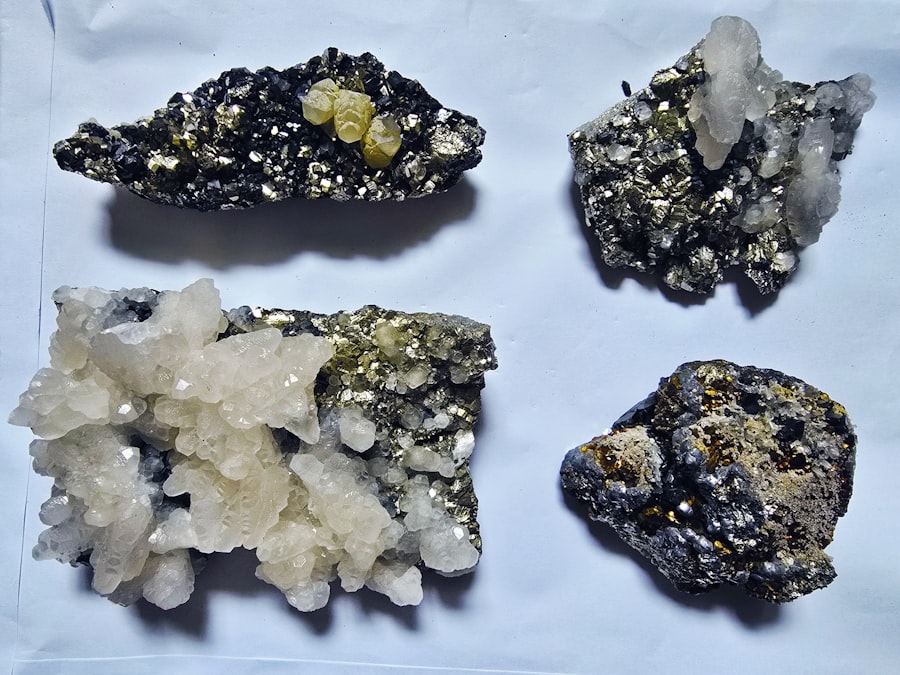
The implications of high magnetite concentrations extend far beyond mere mineralogy; they offer profound insights into geological processes and earth science as a whole. Magnetite serves as a key indicator of past environmental conditions, providing clues about the temperature, pressure, and chemical environment during its formation. By studying these deposits, geologists can infer significant events in Earth’s history, such as volcanic eruptions or tectonic shifts that have influenced the landscape.
Moreover, understanding magnetite concentrations can enhance knowledge about sedimentary processes and erosion in desert environments. The movement of wind and water can transport magnetite particles across vast distances, leading to their accumulation in specific areas. This dynamic process highlights the interconnectedness of geological and environmental factors, emphasizing how changes in one aspect can significantly impact others.
As researchers continue to explore these relationships, they contribute to a more holistic understanding of earth science.
Possible Explanations for the High Magnetite Concentration
| Possible Explanations | Details |
|---|---|
| Industrial Activities | Presence of nearby industrial facilities |
| Natural Sources | Geological formations or volcanic activity |
| Transportation | High traffic areas with vehicle emissions |
| Construction | Building and construction activities |
Several theories have emerged to explain the high levels of magnetite found in desert regions. One prominent explanation involves volcanic activity, where iron-rich magma cools and crystallizes into magnetite deposits. This process can occur over millions of years, resulting in significant concentrations of magnetite in specific areas.
Additionally, weathering processes can break down other iron-bearing minerals, releasing iron that subsequently forms magnetite through chemical reactions. Another possible explanation lies in sedimentary processes. Deserts are often characterized by extreme weather conditions that can lead to the erosion and transport of minerals over time.
Wind and water can carry magnetite particles from one location to another, leading to their accumulation in certain areas where conditions are favorable for deposition. This process highlights the dynamic nature of desert environments and underscores the importance of understanding how various factors contribute to magnetite concentration.
Environmental Impact of High Magnetite Levels
The environmental impact of high magnetite levels in desert ecosystems is multifaceted. On one hand, elevated magnetite concentrations can influence soil composition and fertility, affecting plant growth and overall biodiversity. The presence of iron-rich minerals can enhance nutrient availability for certain plant species, potentially leading to localized areas of increased vegetation.
This phenomenon can create microhabitats that support diverse flora and fauna, contributing to the overall health of desert ecosystems. Conversely, high levels of magnetite can also pose challenges for certain organisms adapted to arid environments. For instance, excessive concentrations may alter soil pH or disrupt nutrient cycling, making it difficult for some species to thrive.
Additionally, the physical properties of magnetite can affect soil structure and water retention capabilities, further influencing plant growth patterns. Understanding these environmental impacts is crucial for developing effective conservation strategies and managing desert ecosystems sustainably.
Potential Uses for Magnetite in the Desert
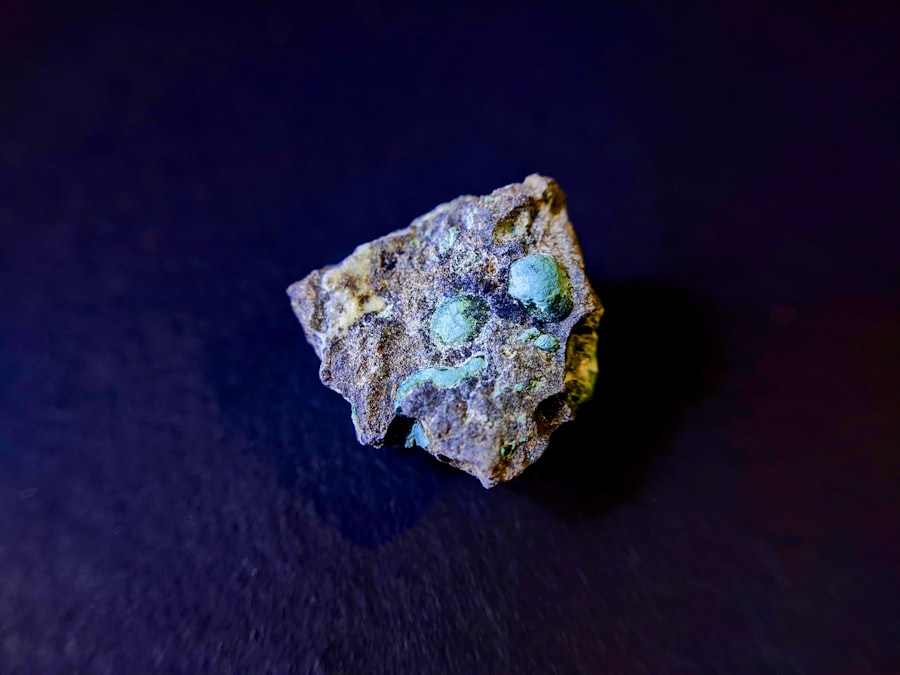
The potential uses for magnetite found in desert regions are diverse and promising. One significant application lies in the field of mining and metallurgy, where magnetite serves as a valuable source of iron ore. As global demand for iron continues to rise, harnessing these desert deposits could provide a sustainable solution for meeting industrial needs while minimizing environmental impact.
Furthermore, advancements in extraction technologies may enable more efficient methods for obtaining magnetite from these challenging environments. In addition to its industrial applications, magnetite has potential uses in environmental remediation efforts. Its magnetic properties allow it to be utilized in various filtration systems designed to remove contaminants from water sources.
By leveraging natural magnetite deposits, researchers can develop innovative solutions for addressing water quality issues in arid regions. This dual benefit—providing economic opportunities while promoting environmental sustainability—highlights the importance of understanding and utilizing high magnetite concentrations effectively.
The Role of Magnetite in Desert Ecosystems
Magnetite plays a subtle yet significant role within desert ecosystems, influencing both abiotic and biotic factors. As a component of soil composition, it contributes to the overall health and fertility of desert soils. The presence of magnetite can enhance nutrient availability for plants, supporting diverse vegetation that serves as habitat for various animal species.
This interconnectedness underscores the importance of understanding how mineral concentrations impact ecological dynamics within these arid environments. Moreover, magnetite’s magnetic properties may influence animal behavior and navigation patterns. Certain species are known to utilize Earth’s magnetic field for orientation during migration or foraging activities.
The presence of magnetite-rich soils could potentially affect these behaviors by altering local magnetic fields or providing cues for navigation. As researchers continue to explore these relationships, they uncover new dimensions of how minerals like magnetite shape ecological interactions within desert ecosystems.
Comparisons to Magnetite Levels in Other Environments
When comparing magnetite levels in deserts to those found in other environments, distinct differences emerge that highlight the unique geological processes at play. For instance, coastal regions may exhibit lower concentrations due to sedimentary dynamics influenced by ocean currents and wave action. In contrast, mountainous areas may showcase higher levels resulting from tectonic activity and volcanic eruptions that contribute to mineral formation.
These comparisons not only enrich understanding of magnetite distribution but also emphasize the importance of context when studying mineral deposits. Each environment presents its own set of geological conditions that influence mineral formation and concentration. By examining these differences, researchers can gain insights into broader geological processes while appreciating the complexity inherent in Earth’s diverse landscapes.
Research and Studies on Magnetite in the Desert
Ongoing research into magnetite concentrations in desert regions has yielded valuable findings that contribute to both academic knowledge and practical applications. Geological surveys employing advanced techniques such as remote sensing and geochemical analysis have provided new insights into the distribution and characteristics of magnetite deposits. These studies often involve interdisciplinary collaboration among geologists, ecologists, and environmental scientists seeking to understand the multifaceted implications of high magnetite levels.
Field studies have also played a crucial role in advancing knowledge about magnetite in deserts. Researchers conduct extensive sampling campaigns to analyze soil composition, mineralogy, and ecological interactions within areas exhibiting elevated magnetite concentrations. These investigations not only enhance scientific understanding but also inform conservation efforts aimed at preserving delicate desert ecosystems impacted by mineral extraction or environmental changes.
Future Considerations for Understanding Magnetite in the Desert
As research on magnetite concentration in deserts continues to evolve, several future considerations emerge that warrant attention from scientists and policymakers alike. One critical area involves developing sustainable mining practices that minimize environmental impact while maximizing resource extraction efficiency. Striking a balance between economic development and ecological preservation will be essential as demand for iron ore persists.
Additionally, further exploration into the ecological implications of high magnetite levels is necessary to fully understand how these concentrations affect biodiversity and ecosystem health. Long-term monitoring programs could provide valuable data on changes over time, allowing researchers to assess potential impacts on flora and fauna within desert environments. By prioritizing interdisciplinary collaboration and innovative research approaches, scientists can deepen their understanding of this complex mineral’s role within desert ecosystems.
The Significance of High Magnetite Concentration in the Desert
In conclusion, high magnetite concentration in desert regions represents a fascinating intersection of geology, ecology, and environmental science. The discovery and study of these deposits offer profound insights into Earth’s geological history while highlighting their potential applications across various fields. As researchers continue to explore the implications of elevated magnetite levels, they contribute not only to academic knowledge but also to practical solutions for sustainable resource management.
Understanding the significance of high magnetite concentrations extends beyond mere mineralogy; it encompasses broader themes related to environmental health, ecosystem dynamics, and human impact on natural resources.
Recent studies have revealed intriguing findings about the high concentration of magnetite in desert regions, sparking interest among geologists and environmental scientists. This phenomenon, which could have significant implications for understanding Earth’s magnetic field and its historical shifts, is discussed in detail in a related article. For more in-depth information on this topic, you can read the full article on Freaky Science by following this link. The article delves into the potential sources of magnetite in deserts and explores the broader environmental and geological impacts of these findings.
WATCH THIS! They Crashed a US Missile Into the Zone of Silence
FAQs
What is magnetite?
Magnetite is a naturally occurring iron oxide mineral with the chemical formula Fe3O4. It is a member of the spinel group of minerals and is a common magnetic mineral.
What causes a high concentration of magnetite in a desert?
The high concentration of magnetite in a desert can be attributed to several factors, including the weathering of rocks containing magnetite, the erosion of surrounding areas, and the accumulation of magnetite particles due to wind and water movement.
What are the potential uses of magnetite found in a desert?
Magnetite has various industrial applications, including its use as a source of iron for the production of steel, as a pigment in paints and coatings, and as a component in magnetic recording media. It also has potential uses in environmental remediation and medical applications.
Is the high concentration of magnetite in a desert harmful to the environment or human health?
While magnetite itself is not considered harmful to the environment or human health, the extraction and processing of magnetite ores can have environmental impacts. It is important to assess and mitigate any potential environmental and health risks associated with mining and processing magnetite deposits in a desert.