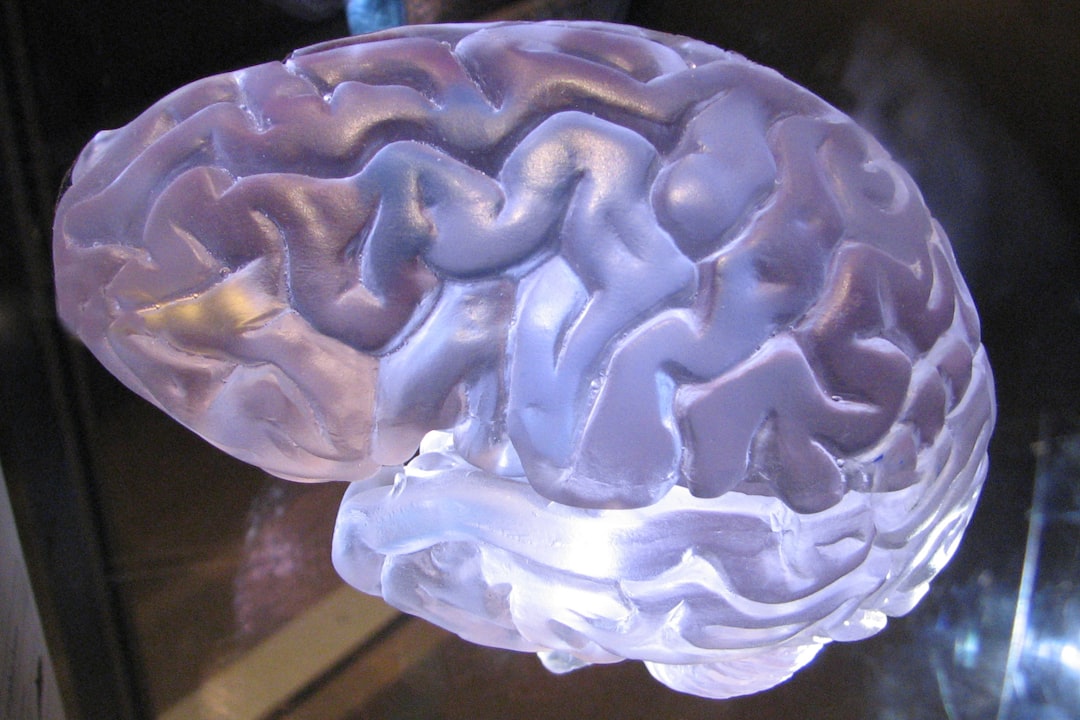
You navigate a world saturated with stimuli. Every blink of your eyes bombards your visual cortex with an avalanche of light and shadow. The cacophony of everyday sounds – traffic, conversations, the hum of appliances – assaults your auditory system. Your skin registers a constant stream of touch, temperature, and pressure. And within your mind, thoughts, memories, and emotions churn ceaselessly. Yet, you don’t collapse under the weight of this sensory overload. You function, you interact, you learn. This remarkable feat is made possible by your brain’s sophisticated filtering mechanisms, a constant, largely unconscious process that allows you to focus on what’s relevant and discard the rest.
Imagine yourself standing in a bustling marketplace. The sheer volume of sensory information you’re receiving is staggering. Colors of fruits and textiles clash, the aroma of spices and cooked food mingles, the shouts of vendors and the chatter of shoppers create a complex auditory landscape, and the jostling of bodies adds a tactile dimension. If your brain were to process all of this with equal intensity, you would be paralyzed by the input, unable to make sense of anything.
The Retina’s Initial Selection Gate
Your journey of sensory filtering begins, in many ways, at the very first point of contact with the external world: your eyes. The retina, a light-sensitive tissue at the back of your eyeball, is not merely a passive receiver of light. It actively begins the process of selecting and prioritizing information. Photoreceptor cells, rods and cones, convert light into electrical signals, but even here, there’s an initial layer of processing.
Ganglion Cells: Early Feature Detectors
Within the retina itself, a network of neurons, including ganglion cells, starts to extract basic features from the visual scene. These cells are sensitive to contrasts in light and dark, edges, and even directional movement. Instead of sending raw, undiluted light data to the brain, they transmit a pre-processed summary, highlighting significant visual elements. This is akin to a preliminary report, flagging important findings and leaving out the uniform expanse of sky or the unbroken surface of a wall.
Auditory Processing: Distinguishing Signal from Noise
Your auditory system faces a similar challenge. The ambient noise of your environment is a constant hum, punctuated by specific sounds you need to attend to. Your brain has evolved intricate mechanisms to separate meaningful sounds from the background din.
The Cochlea’s Frequency Tuning
The cochlea, the snail-shaped organ in your inner ear, plays a crucial role. It’s organized by frequency, meaning different parts of the cochlea are more sensitive to different pitches. This allows your brain to begin distinguishing between the low rumble of distant thunder and the sharp pitch of a car horn.
Brainstem and Midbrain: Sound Localization and Salience
As auditory signals travel up to your brainstem and midbrain, further processing occurs to determine the location of sounds and their relative importance. Your brain can pinpoint where a sound is coming from, allowing you to orient yourself towards it. Sounds that are sudden, loud, or unexpected are more likely to capture your attention, a survival mechanism that helps you detect potential threats.
The brain’s ability to filter daily information is a fascinating topic that highlights how we process the overwhelming amount of stimuli we encounter each day. For a deeper understanding of this subject, you can explore the article on Freaky Science, which delves into the mechanisms of attention and perception. This resource provides insights into how our brains prioritize information and the implications for our daily lives. To read more, visit Freaky Science.
The Brain’s Attention Network: The Spotlight of Consciousness
While sensory organs perform initial filtering, the true sophisticated control over what you perceive lies within your brain’s dedicated attention networks. These networks act like a spotlight, selectively illuminating certain aspects of your sensory experience while dimming others.
Top-Down Attention: Goal-Directed Focus
This form of attention is driven by your goals, intentions, and expectations. If you’re looking for a friend in a crowded room, your brain actively searches for their features – their hair color, height, or distinctive clothing. This is a top-down process, initiated by your cognitive desires.
The Prefrontal Cortex: Executive Control
The prefrontal cortex, located at the front of your brain, is a key player in top-down attention. It exerts executive control, setting goals, planning strategies, and inhibiting distractions. When you’re engrossed in a task, such as reading this article, your prefrontal cortex is working to keep your attention focused and prevent your mind from wandering to other thoughts or stimuli.
Parietal Cortex: Spatial Attention and Selection
The parietal cortex, situated at the top and back of your brain, is heavily involved in spatial attention. It helps you direct your attention to specific locations in space, whether it’s a particular object in your visual field or a sound originating from a certain direction. It allows you to shift your focus smoothly and efficiently.
Bottom-Up Attention: Stimulus-Driven Capture
In contrast to top-down attention, bottom-up attention is driven by the salience of external stimuli. A sudden loud bang, a flashing light, or a novel object can involuntarily capture your attention, regardless of your current goals. This is the reflex that makes you jump when a door slams shut unexpectedly.
Amygdala and Salience Networks
While the amygdala is primarily associated with processing emotions, it also plays a role in bottom-up attention, particularly for stimuli that carry emotional significance. The brain also features dedicated “salience networks” that are activated by surprising or behaviorally relevant stimuli, prompting a shift in your attentional resources.
Predictive Coding: The Brain as a Forecasting Machine

Your brain doesn’t just passively receive information; it actively predicts what’s coming next. This predictive coding framework suggests that your brain constantly generates hypotheses about the incoming sensory data and compares these predictions with the actual input.
The Role of Prior Experience and Expectations
Your past experiences and learned expectations significantly shape your predictions. If you’ve always worn shoes on your feet, your brain predicts the sensation of shoes. If you encounter an unexpected sensation, like walking barefoot on a rough surface, it creates a “prediction error.”
Prediction Error Signals: Learning and Adaptation
These prediction error signals are crucial for learning and updating your internal models of the world. When your predictions are wrong, your brain adjusts its models to better account for the new information. This is how you learn to navigate new environments or adapt to changing circumstances. It allows you to efficiently process familiar information because your brain can “fill in the blanks,” reducing the need for extensive processing of every single detail.
Bayesian Inference: Weighing Probabilities
The brain can be viewed as a sophisticated Bayesian inference engine. It weighs the probability of different sensory inputs based on prior knowledge and the current evidence. This probabilistic approach allows your brain to make intelligent guesses about the world, even in the face of uncertainty.
Unseen Information: Filling the Gaps
For example, when you look at a partially occluded object, your brain doesn’t just see a disconnected set of lines. Based on its prior knowledge of object shapes, it infers the presence of the hidden parts, effectively completing the image. This is a form of filtering where irrelevant or missing information is inferred rather than explicitly processed.
Habituation and Sensory Adaptation: Tuning Out the Familiar
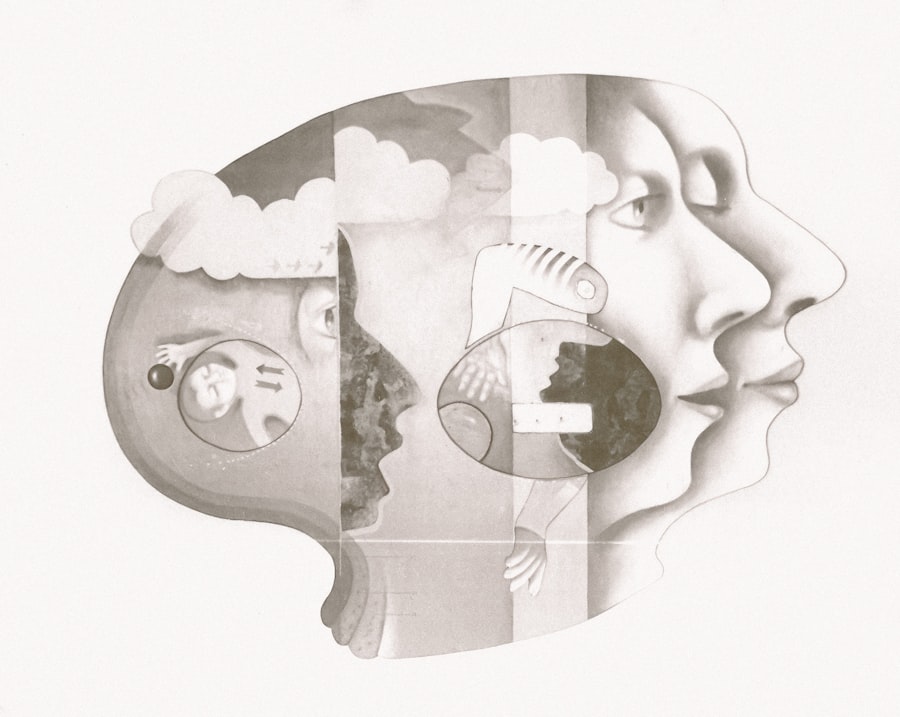
One of the most fundamental filtering mechanisms is habituation, the process by which you become less responsive to a repeated, unchanging stimulus. Sensory adaptation is closely related, referring to the decreased sensitivity of sensory receptors to a constant stimulus.
Ignoring the Unimportant: The Odor of Home
Think about the smell of your own home. When you first enter, you might notice it. But within minutes, you no longer perceive it. Your olfactory receptors have adapted, and your brain has habituated to this constant, non-threatening scent. This filtering is essential for preventing sensory overload from everyday, background stimuli.
Neural Refractoriness: Neurons Taking a Break
At the neural level, habituation can involve a phenomenon called neural refractoriness, where neurons become less likely to fire after repeated stimulation. This reduces the flow of information to higher brain centers when the stimulus is not signaling anything new or important.
The Benefits of Tuning Out
Habituation and sensory adaptation are not about ignoring everything; they are about prioritizing. By tuning out constant, predictable stimuli, your brain frees up its resources to attend to novel or potentially important information. This allows for efficient processing and prevents cognitive exhaustion. Imagine if you were constantly bombarded by the feeling of your clothes on your skin or the sound of blood circulating in your ears – you would be perpetually distracted.
The brain’s ability to filter daily information is a fascinating topic that reveals how we process the overwhelming amount of stimuli we encounter. This intricate filtering system allows us to focus on what is most relevant while ignoring distractions. For a deeper understanding of this subject, you might find it interesting to read a related article that explores the mechanisms behind this cognitive process. You can check it out here.
Relevance Filtering: What Intrinsically Matters to You
| Information Filtering Process | Brain Activity |
|---|---|
| Attention | Increased activity in the prefrontal cortex and parietal cortex |
| Perception | Activation of sensory cortices (visual, auditory, etc.) |
| Memory Encoding | Involvement of hippocampus and amygdala |
| Filtering out irrelevant information | Suppression of irrelevant sensory inputs |
Beyond immediate sensory input and attentional focus, your brain also filters information based on its intrinsic relevance to you – your goals, your needs, your values, and your emotional state. This is a deeper, more personalized form of filtering, shaped by your unique life experiences and motivations.
Emotional Salience: The Power of Feelings
Information that carries emotional weight, whether positive or negative, is more likely to be noticed and remembered. If you are afraid of spiders, a fleeting glimpse of one will likely trigger a strong attentional response, even if you’re trying to focus on something else. Conversely, information associated with pleasure or reward can also capture your attention.
The Amygdala’s Role in Emotional Tagging
The amygdala, deeply involved in processing emotions, plays a significant role in tagging information with emotional significance, making it more salient and prone to capture attention. This emotional tagging acts as a powerful filter, ensuring that information relevant to your survival and well-being is not overlooked.
Goal Relevance: Aligning with Your Objectives
Information that directly relates to your current goals is also prioritized. If you are studying for an exam, you will be more attuned to information relevant to the subject matter. Your brain dynamically adjusts its filtering based on what you are trying to achieve.
Working Memory: Holding Information in Mind
Working memory, the system responsible for temporarily holding and manipulating information, is crucial for goal-directed filtering. It allows you to keep your objectives in mind and guide your attention towards information that will help you achieve them, while actively suppressing irrelevant distractions.
Personal Significance: The Narrative of Your Life
Ultimately, your brain filters information based on its personal significance within the broader narrative of your life. Information that resonates with your identity, values, and past experiences is more likely to be processed deeply and retained. This ensures that the information you attend to contributes to your understanding of yourself and the world around you. It’s why a song from your youth can evoke such strong memories and emotions, while a similar song you’ve never heard before might pass by unnoticed. This continuous, multi-layered filtering process is what allows you to not just survive, but to thrive, in a world of overwhelming sensory input.
FAQs
What is the brain’s role in filtering daily information?
The brain filters daily information by selectively processing and prioritizing sensory input, allowing us to focus on important stimuli while ignoring irrelevant or repetitive information.
How does the brain decide what information to filter?
The brain uses a combination of factors such as attention, relevance, emotional significance, and past experiences to determine what information to filter. This process is influenced by both conscious and unconscious mechanisms.
What are the potential consequences of information overload on the brain?
Information overload can lead to cognitive fatigue, decreased attention span, and difficulty in decision-making. It can also contribute to stress, anxiety, and reduced overall well-being.
Can the brain’s filtering mechanisms be improved or trained?
Yes, the brain’s filtering mechanisms can be improved through practices such as mindfulness, meditation, and cognitive training exercises. These practices can help enhance attention, focus, and the ability to filter out irrelevant information.
How does technology impact the brain’s ability to filter information?
Technology can both enhance and challenge the brain’s ability to filter information. While it provides access to vast amounts of information, it can also lead to distractions and information overload if not used mindfully.