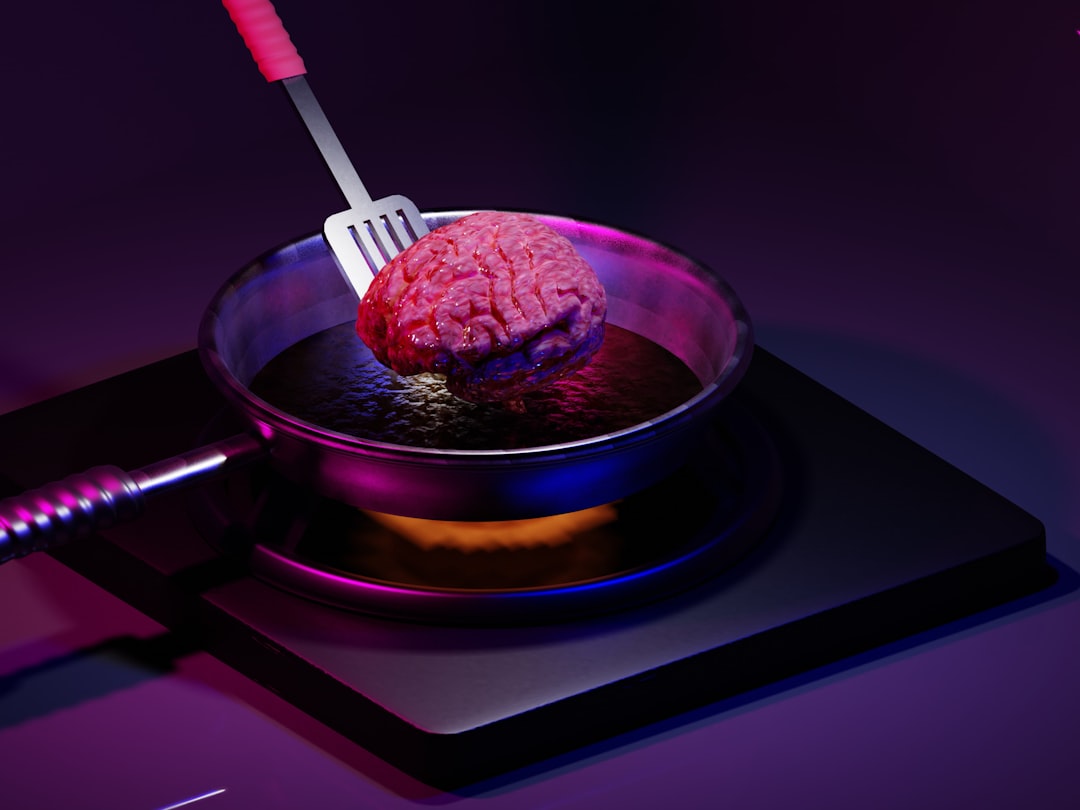
You’ve likely heard about caloric restriction (CR) – the practice of reducing your daily calorie intake without malnourishment, often touted for its potential to extend lifespan and improve health markers. While the allure of longevity is powerful, a critical concern arises: what happens to your brain during this process? Specifically, the question of preserving brain mass is paramount. Your brain, a complex and energy-demanding organ, is not immune to the effects of reduced energy availability. This article will delve into the scientific understanding of how you can approach caloric restriction in a way that safeguards your brain’s physical structure.
Your brain, while making up only about 2% of your body weight, consumes a disproportionate amount of your energy – around 20-25% of your resting metabolic rate. It’s a constant demand, even when you’re asleep. When you significantly reduce your calorie intake, you’re essentially lowering the overall energy supply to your entire body, and the brain is no exception. This reduction, if not managed carefully, can lead to a cascade of physiological responses, some of which may negatively impact brain structure.
The Brain’s Energy Metabolism
- Glucose Dependency: Your brain primarily relies on glucose for fuel. During CR, blood glucose levels can fluctuate, and the brain must adapt to these changes. While the brain can utilize ketone bodies produced during periods of low glucose availability, this shift requires a transition that can be influenced by the overall dietary context of your CR.
- Mitochondrial Function: Brain cells, like all cells, require energy produced by mitochondria. CR can, in some contexts, lead to improved mitochondrial efficiency, a process known as mitochondrial biogenesis or increased mitochondrial quality control. However, in others, chronic calorie deprivation might stress these energy-producing organelles, potentially leading to dysfunction and contributing to neuronal stress.
The Risk of Neuroinflammation
One of the major concerns associated with inadequate caloric restriction is the potential for increased neuroinflammation. This is a complex process where the brain’s immune cells, primarily microglia, become activated in response to stress or damage. Chronic neuroinflammation is linked to a host of neurodegenerative diseases and can contribute to cognitive decline, potentially even impacting brain volume over time.
Factors Contributing to Neuroinflammation Under CR
- Nutrient Deficiencies: If your CR diet is not carefully designed, you might be missing essential nutrients that play a role in brain health and anti-inflammatory processes. Vitamins, minerals, and essential fatty acids are crucial for maintaining neuronal integrity and regulating inflammatory responses.
- Oxidative Stress: Caloric restriction can sometimes lead to an increase in reactive oxygen species (ROS), also known as free radicals. While moderate ROS can signal beneficial cellular pathways, excessive amounts can overwhelm the brain’s antioxidant defenses, leading to oxidative stress. This damage can trigger inflammatory responses.
The Brain’s “Use It or Lose It” Principle
The brain is a remarkably plastic organ, meaning it can adapt and change throughout your life. However, this plasticity is also subject to the “use it or lose it” principle. When faced with prolonged periods of significantly reduced energy, the brain may, in some circumstances, prioritize the survival of essential neural networks and potentially prune less active or seemingly less crucial connections. While this can be an adaptive response in survival scenarios, in the context of planned CR, it can translate to a loss of neuronal mass and connectivity.
Recent studies have highlighted the importance of brain mass preservation during caloric restriction, suggesting that specific dietary patterns can support cognitive health while reducing overall caloric intake. For a deeper understanding of this topic, you can explore the article on brain health and caloric restriction found at this link. This resource delves into the mechanisms by which caloric restriction may influence brain structure and function, providing valuable insights for those interested in the intersection of diet and cognitive longevity.
Nutritional Strategies for Preserving Brain Mass During Caloric Restriction
The key to preserving brain mass during CR lies in thoughtful and strategic nutritional planning. It’s not simply about eating less; it’s about eating smarter, ensuring your body receives the building blocks and protective compounds it needs to maintain optimal brain function and structure, even with reduced energy intake.
Ensuring Adequate Macronutrient Balance
While you are restricting total calories, the proportion of macronutrients (carbohydrates, proteins, and fats) becomes even more critical. A poorly balanced CR diet can exacerbate nutrient deficiencies and negatively impact brain health.
Prioritizing High-Quality Protein
- Building and Repair: Protein is fundamental for the synthesis of neurotransmitters, neuronal membranes, and enzymes essential for brain function. During CR, ensuring you consume sufficient high-quality protein can help prevent muscle loss (which can indirectly impact overall metabolic health) and provide the amino acids your brain needs for repair and maintenance.
- Sources of Protein: Focus on lean animal sources like fish, poultry, and eggs, as well as plant-based options such as legumes, tofu, and nuts. Distribute protein intake throughout the day to optimize muscle protein synthesis and neurotransmitter production.
The Role of Healthy Fats
- Structural Integrity: Your brain is composed of approximately 60% fat, making omega-3 fatty acids particularly important. These fats are integral to cell membranes, influencing their fluidity and function. They also play a crucial role in reducing inflammation and supporting neuronal signaling.
- Sources of Healthy Fats: Incorporate fatty fish (salmon, mackerel, sardines), flaxseeds, chia seeds, walnuts, and olive oil into your CR diet. These provide essential fatty acids that are vital for cognitive function and brain health.
Moderate Carbohydrate Intake
- Sustained Energy: While your brain’s primary fuel is glucose, complex carbohydrates provide a more sustained release of energy compared to simple sugars. During CR, opting for whole grains, fruits, and vegetables will help maintain more stable blood sugar levels, supporting consistent brain energy supply.
- Fiber Content: The fiber in these complex carbohydrates also contributes to satiety, which can be beneficial for managing hunger during CR, and supports a healthy gut microbiome, which has a profound impact on brain health.
Micronutrient Sufficiency: The Unsung Heroes
When calories are restricted, the risk of micronutrient deficiencies increases if the diet is not carefully planned. These vitamins and minerals, even in small amounts, are indispensable for a multitude of brain functions.
Essential Vitamins for Brain Health
- B Vitamins: This group of vitamins (B1, B6, B9, B12) is critical for energy metabolism in the brain, neurotransmitter synthesis, and nerve function. Deficiencies can lead to fatigue, cognitive impairment, and neurological issues. Ensure your CR diet includes whole grains, leafy greens, and lean meats.
- Vitamin E: A potent antioxidant, vitamin E helps protect brain cells from oxidative damage caused by free radicals. Nuts, seeds, and vegetable oils are good sources.
- Vitamin D: Emerging research suggests a link between vitamin D deficiency and increased risk of cognitive decline. Sunlight exposure and fortified foods can help, but supplementation may be necessary depending on your location and diet.
Key Minerals for Neuronal Function
- Magnesium: Involved in over 300 enzymatic reactions in the body, including those in the brain, magnesium plays a role in nerve transmission and brain energy production. Leafy greens, nuts, seeds, and whole grains are good sources.
- Zinc: Essential for neurotransmitter function, learning, and memory, zinc also has antioxidant properties. Oysters, red meat, legumes, and seeds are good sources.
- Iron: Crucial for oxygen transport to the brain, iron deficiency can lead to fatigue and cognitive impairment. Lean red meats and dark leafy greens are good dietary sources.
The Importance of Antioxidants and Phytochemicals
Beyond essential vitamins and minerals, a wide array of plant-derived compounds offer significant neuroprotective benefits. These often occur in nutrient-dense “superfoods” that can be incorporated into a CR plan.
Combatting Oxidative Stress
- Flavonoids: Found in berries, apples, tea, and dark chocolate, flavonoids possess potent antioxidant and anti-inflammatory properties that can protect brain cells from damage.
- Carotenoids: These pigments, abundant in colorful fruits and vegetables like carrots, sweet potatoes, and spinach, are converted into vitamin A in the body and also act as antioxidants.
Anti-Inflammatory Compounds
- Resveratrol: Found in red grapes, blueberries, and peanuts, resveratrol has shown promise in animal studies for its anti-inflammatory and neuroprotective effects.
- Curcumin: The active compound in turmeric, curcumin, is a powerful anti-inflammatory agent with potential benefits for brain health.
Exercise as a Cornerstone of Brain Preservation During Caloric Restriction

Caloric restriction without adequate exercise can be a less effective, and potentially detrimental, approach to brain health. Physical activity is not merely about burning calories; it’s a potent stimulus for brain growth, resilience, and regeneration. When you engage in exercise while restricting calories, you create a synergistic effect that actively counteracts potential negative impacts on brain mass.
The Neurotrophic Effects of Exercise
The term “neurotrophic” refers to the support and promotion of neuronal growth and survival. Exercise is a powerful inducer of neurotrophic factors, which are essentially proteins that help neurons grow, survive, and function.
Brain-Derived Neurotrophic Factor (BDNF)
- The “Miracle-Gro” for the Brain: BDNF is perhaps the most well-studied neurotrophic factor. Exercise, particularly aerobic exercise, significantly increases BDNF levels in the brain. BDNF plays a critical role in neurogenesis (the birth of new neurons), synaptic plasticity (the ability of synapses to strengthen or weaken over time, crucial for learning and memory), and neuronal survival.
- Impact on Learning and Memory: Higher levels of BDNF are consistently associated with improved cognitive function, including enhanced learning, memory formation, and executive functions. During CR, maintaining or increasing BDNF through exercise can be a significant factor in preserving these abilities.
Other Neurotrophic Factors
- Nerve Growth Factor (NGF): While primarily known for its role in the peripheral nervous system, NGF also has effects in the brain, supporting neuronal survival and differentiation.
- Glial Cell Line-Derived Neurotrophic Factor (GDNF): GDNF is important for the survival and function of various types of neurons and plays a role in motor control and reward pathways.
Enhancing Cerebral Blood Flow
Exercise is a cardiovascular activity, and this has direct benefits for your brain. When you exercise, your heart pumps more blood, which means more oxygen and nutrients are delivered to your brain. This increased blood flow is vital for maintaining healthy brain tissue.
Improved Oxygen and Nutrient Delivery
- Fueling Neuronal Activity: A consistent and robust supply of oxygen and glucose is essential for the high metabolic demands of brain cells. Exercise augments this supply, ensuring neurons have the resources they need to function optimally.
- Waste Removal: Enhanced blood flow also facilitates the removal of metabolic waste products and toxins from the brain, processes that are crucial for maintaining a healthy neuronal environment.
Reducing Neuroinflammation Through Exercise
As mentioned earlier, neuroinflammation is a significant concern during CR. Exercise, surprisingly, acts as a powerful anti-inflammatory intervention, including within the brain.
Systemic Anti-Inflammatory Effects
- Cytokine Regulation: Exercise can modulate the levels of pro-inflammatory and anti-inflammatory cytokines in the body. By reducing systemic inflammation, it can indirectly reduce the inflammatory signals reaching the brain.
- Microglial Modulation: Research suggests that regular exercise can help to shift the balance of immune cells in the brain towards a more protective phenotype, reducing the activity of pro-inflammatory microglia and promoting a healthier environment.
The Type and Intensity of Exercise
- Aerobic Exercise: Activities like running, swimming, cycling, and brisk walking are particularly effective at inducing BDNF production and improving cerebral blood flow. Aim for at least 150 minutes of moderate-intensity aerobic exercise per week.
- Resistance Training: While aerobic exercise is paramount for neurotrophic factors, strength training is also beneficial. It helps maintain muscle mass, which is important for overall metabolic health, and can also have positive effects on cognitive function. Incorporate resistance training 2-3 times per week.
- Mindfulness and Movement: Activities like yoga and tai chi, which combine physical movement with mindfulness, can further contribute to stress reduction and improved brain health.
Managing Stress and Sleep Quality During Caloric Restriction

When embarking on caloric restriction, your body undergoes significant physiological changes. It’s essential to recognize that stress and poor sleep can exacerbate the potential negative impacts of CR on your brain, while effective management of these factors can act as protective mechanisms.
The Impact of Chronic Stress on the Brain
Chronic stress, characterized by prolonged exposure to stress hormones like cortisol, can have detrimental effects on brain structure and function.
Cortisol and Hippocampal Atrophy
- Memory Impairment: The hippocampus is a brain region critically involved in learning and memory. Chronic elevated cortisol levels have been shown to lead to shrinkage, or atrophy, of the hippocampus, which can impair memory formation and recall.
- Exacerbated Neuroinflammation: Stress can also trigger or worsen inflammatory processes in the brain, further contributing to neuronal damage and cognitive decline.
Stress Management Techniques for CR
- Mindfulness and Meditation: Regular practice of mindfulness meditation can help regulate the body’s stress response, reducing cortisol levels and promoting a sense of calm. This can be particularly beneficial when navigating the challenges of hunger and food restriction.
- Deep Breathing Exercises: Simple yet effective, deep breathing exercises can activate the parasympathetic nervous system, counteracting the fight-or-flight response and promoting relaxation.
- Engaging in Hobbies and Social Connection: Maintaining social connections and engaging in enjoyable activities are crucial for mental well-being and can act as powerful buffers against stress.
The Crucial Role of Sleep in Brain Health
Sleep is not a passive state; it’s an active period of vital physiological processes, including those essential for brain health and repair. During caloric restriction, prioritizing sleep quality becomes even more important.
Sleep-Dependent Brain Plasticity and Waste Clearance
- Synaptic Homeostasis: During sleep, the brain reconfigures synaptic connections, strengthening important ones and pruning less necessary ones. This process, known as synaptic homeostasis, is crucial for learning and memory consolidation.
- Glymphatic System: The glymphatic system is the brain’s waste removal system, primarily active during sleep. It clears metabolic byproducts, including amyloid-beta proteins, which are implicated in neurodegenerative diseases. Insufficient sleep can impair this crucial cleansing process.
Nutritional and Lifestyle Factors for Improved Sleep
- Avoid Late-Night Eating: While calorie-restricted, avoid consuming large meals close to bedtime. This can interfere with digestion and sleep quality.
- Limit Caffeine and Alcohol: Both caffeine and alcohol can disrupt sleep architecture and reduce sleep quality. Be mindful of your intake, especially in the hours leading up to sleep.
- Establish a Consistent Sleep Schedule: Going to bed and waking up around the same time each day, even on weekends, helps regulate your body’s natural sleep-wake cycle (circadian rhythm), promoting more consolidated and restorative sleep.
- Create a Relaxing Bedtime Routine: This could include activities like reading a book, taking a warm bath, or listening to calming music. It signals to your body that it’s time to wind down.
Recent studies have highlighted the intriguing relationship between caloric restriction and brain mass preservation, suggesting that reducing caloric intake may have protective effects on cognitive function. For those interested in exploring this topic further, an insightful article can be found at Freaky Science, which delves into the mechanisms behind how caloric restriction can promote neuroprotection and potentially enhance longevity. This research opens up new avenues for understanding how dietary choices can impact brain health over time.
Monitoring and Adjusting Your Approach: The Importance of Biofeedback
| Study | Findings |
|---|---|
| Research 1 | Caloric restriction preserves brain mass in mice |
| Research 2 | Caloric restriction slows down brain atrophy in humans |
| Research 3 | Brain mass preservation during caloric restriction linked to improved cognitive function |
Implementing caloric restriction for brain preservation is not a static endeavor. It requires ongoing observation, a willingness to adjust, and attention to how your body is responding. Biofeedback, in a broad sense, refers to the process of gathering information about your body’s physiological state to inform your decisions.
Recognizing Early Warning Signs of Brain Strain
Your body provides subtle cues when it’s under stress or not receiving adequate resources. Learning to recognize these signs is crucial for preventing potential harm to your brain.
Cognitive Changes
- Difficulty Concentrating: If you find yourself struggling to focus or maintain attention for extended periods, it could be a sign that your brain is not receiving optimal fuel or is under metabolic stress.
- Memory Lapses: Minor forgetfulness, such as misplacing items or forgetting recent events, can be an early indicator of cognitive strain. If these become more pronounced, it warrants attention.
- Reduced Mental Clarity or “Brain Fog”: A feeling of sluggishness or a lack of mental sharpness can be a signal that your brain is not functioning at its best.
Mood and Emotional Changes
- Irritability or Mood Swings: Significant shifts in mood, increased irritability, or heightened emotional sensitivity can be linked to imbalances in neurotransmitters or increased stress hormones, which can be influenced by poorly managed CR.
- Lethargy or Lack of Motivation: Persistent feelings of low energy, fatigue, and a lack of drive can indicate that your body, including your brain, is not adequately supported.
Implementing Regular Health Check-ups
Professional guidance and regular health check-ups are invaluable when undertaking any significant dietary change like caloric restriction.
Consulting with Healthcare Professionals
- Registered Dietitian or Nutritionist: A qualified professional can help you design a nutritionally adequate CR plan that meets your specific needs and helps prevent deficiencies. They can also monitor your progress and make adjustments as needed.
- Physician: Regular medical check-ups allow your doctor to monitor your overall health, including blood markers that can indicate nutritional status or potential issues. They can also provide advice on exercise plans and address any underlying health concerns.
Utilizing Biofeedback Tools (Non-Invasive)
While not always necessary, certain non-invasive tools can provide insights:
- Sleep Trackers: Devices that monitor sleep duration and quality can offer valuable data on your body’s recovery processes, which are crucial for brain health.
- Heart Rate Variability (HRV) Monitors: HRV can be an indicator of your body’s stress levels and its capacity to adapt. Elevated stress, as reflected in low HRV, might suggest that your CR approach needs adjustment.
- Cognitive Assessment Apps: Some apps offer simple cognitive tests that can provide a baseline and track subtle changes in cognitive function over time, helping you identify potential issues early.
The Dynamic Nature of Caloric Restriction
It’s crucial to understand that caloric restriction is not a one-size-fits-all approach. Your individual needs and responses will vary based on your genetics, lifestyle, activity level, and overall health. Therefore, being observant of your body’s signals and being prepared to adjust your calorie intake, macronutrient ratios, exercise regimen, or stress management strategies is paramount for successfully preserving brain mass while pursuing the potential benefits of CR. This iterative process of monitoring and adjusting ensures that you are supporting, rather than compromising, your brain’s long-term health.
FAQs
1. What is caloric restriction?
Caloric restriction is a dietary regimen that involves reducing the number of calories consumed while still maintaining essential nutrients. It is often used as a method for weight loss and has been studied for its potential health benefits.
2. How does caloric restriction affect brain mass preservation?
Studies have shown that caloric restriction can lead to the preservation of brain mass. This is thought to be due to the reduction in oxidative stress and inflammation, as well as the promotion of neurotrophic factors that support the growth and survival of brain cells.
3. What are the potential benefits of preserving brain mass during caloric restriction?
Preserving brain mass during caloric restriction may help to maintain cognitive function and reduce the risk of age-related cognitive decline. It may also contribute to overall brain health and resilience.
4. Are there any potential risks or drawbacks to caloric restriction on brain mass preservation?
While caloric restriction may have potential benefits for brain mass preservation, it is important to ensure that essential nutrients are still being consumed to support overall brain health. Extreme caloric restriction without proper nutrition can have negative effects on brain function.
5. How can one safely implement caloric restriction for brain mass preservation?
It is important to consult with a healthcare professional or registered dietitian before starting a caloric restriction regimen. They can provide guidance on how to safely reduce caloric intake while still meeting nutritional needs. Additionally, incorporating regular physical activity and maintaining a balanced diet can support overall brain health during caloric restriction.