
You’ve probably heard the buzz around fermented foods. They’re everywhere now, from the artisanal section of your grocery store to the trendy cafe down the street. Kombucha, kefir, kimchi, sauerkraut – these aren’t just culinary curiosities anymore; they’re increasingly being linked to a more profound aspect of your well-being: your microbiome and, by extension, your mood. You might be wondering, how exactly do these tangy, sometimes pungent, foods influence the trillions of microorganisms living within you, and what does that have to do with how you feel? This exploration delves into the fascinating intersection of fermented foods and your gut-brain axis, offering you a practical understanding of this connection.
Before you can understand how fermented foods interact with your body, you need to appreciate the sheer scale and complexity of your internal microbial community. You’re not just a single organism; you are a walking ecosystem, a host to an astonishing number of bacteria, fungi, viruses, and other microbes, collectively known as your microbiome. This microbial city, predominantly residing in your gut, plays a far more active role in your health than you might initially assume. It’s not some passive passenger; it’s a crucial player in digestion, nutrient absorption, immune function, and even the production of certain vitamins.
The Gut: A Second Brain?
The idea of the gut as a “second brain” isn’t mere hyperbole. The enteric nervous system (ENS), a complex network of neurons embedded within the walls of your gastrointestinal tract, runs from your esophagus to your anus. This system communicates bidirectionally with your central nervous system (CNS) via the vagus nerve. This constant communication loop means that what happens in your gut doesn’t stay in your gut; it can significantly impact your brain and, consequently, your mood, emotions, and cognitive function. Think of it as a sophisticated dialogue, where your gut microbes are active participants, influencing the messages being sent to and from your brain.
Beyond Digestion: The Multifaceted Role of the Microbiome
Your microbiome’s influence extends far beyond simply breaking down food. It acts as a critical interface between you and your environment. These microbes help train your immune system, distinguishing between friend and foe. They’re involved in metabolizing medications and detoxifying harmful substances. Furthermore, they produce a range of essential compounds, including short-chain fatty acids (SCFAs) like butyrate, which have anti-inflammatory properties and can affect brain health. A diverse and balanced microbiome signifies a more robust internal ecosystem, better equipped to handle the various demands placed upon your body.
What Constitutes a “Healthy” Microbiome?
Defining a universally “healthy” microbiome is an evolving area of scientific research. However, general consensus points towards diversity and balance. A diverse microbiome, with a wide array of different microbial species, is generally considered more resilient and capable of performing a broader range of functions. Conversely, an imbalance, often referred to as dysbiosis, where certain “bad” microbes proliferate at the expense of “good” ones, can be associated with a variety of health issues, including gastrointestinal disorders, inflammatory conditions, and even mental health challenges. Factors like diet, stress, antibiotics, and lifestyle all contribute to the composition of your unique microbial landscape.
Recent research has highlighted the intriguing connections between fermented foods and their impact on the microbiome, particularly in relation to mood and mental health. A fascinating article that delves into this topic can be found at Freaky Science, where the author explores how the consumption of probiotics and fermented products can influence gut health and, consequently, emotional well-being. This emerging field of study underscores the importance of diet in maintaining not just physical health but also mental resilience.
Introducing Fermented Foods: The Art of Microbial Transformation
Fermented foods are essentially foods that have undergone controlled microbial growth and enzymatic conversions. This ancient preservation technique, practiced by cultures worldwide for millennia, harnesses the power of beneficial microorganisms – primarily bacteria and yeasts – to transform raw ingredients into more digestible, flavorful, and, importantly, beneficial products. You’ve likely encountered them in various forms, each with its own unique characteristics and microbial contributors.
The Science of Fermentation: More Than Just Preservation
At its core, fermentation is a metabolic process. Microorganisms consume sugars and other carbohydrates in the food and convert them into other compounds, such as lactic acid, alcohol, or carbon dioxide. This process not only preserves the food by creating an environment less hospitable to spoilage organisms but also alters its nutritional profile and introduces a wealth of live microbes. The type of fermentation and the specific microorganisms involved will determine the final product’s taste, texture, and its potential probiotic benefits.
Common Examples You Might Recognize
You don’t need to search for exotic ingredients to experience fermentation. Many common foods are naturally fermented:
- Yogurt and Kefir: These dairy-based ferments are rich in lactic acid bacteria (LAB), such as Lactobacillus and Bifidobacterium species. Kefir, a fermented milk drink, often contains a more diverse range of bacteria and yeasts than yogurt.
- Sauerkraut: Finely shredded cabbage fermented by LAB, resulting in a tangy, crisp side dish. The fermentation process produces lactic acid, vitamin C, and other beneficial compounds.
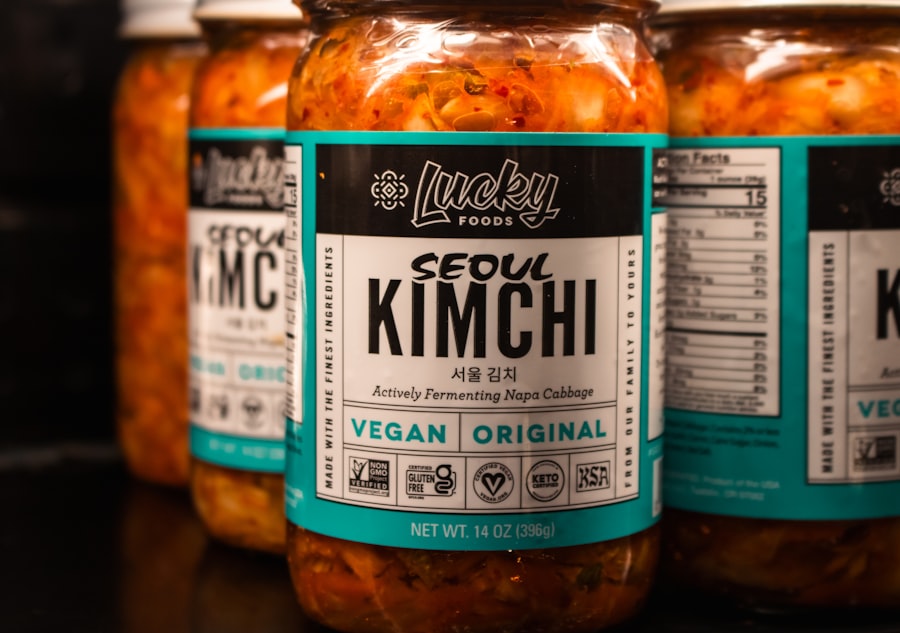
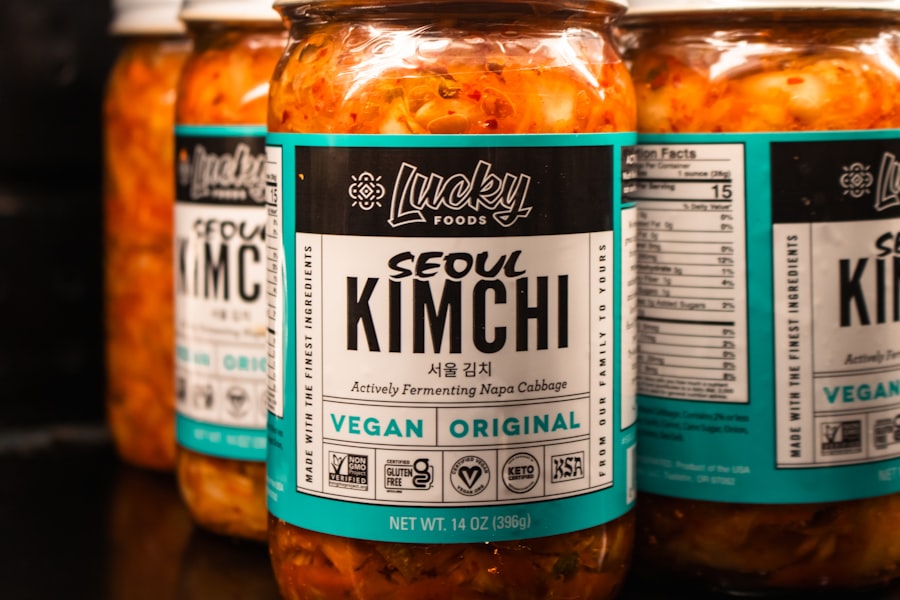
- Kimchi: A staple in Korean cuisine, kimchi is typically made from fermented vegetables, most commonly napa cabbage and radishes, seasoned with chili powder, garlic, ginger, and other spices. It’s a complex mix of lactic acid bacteria and other microbes.
- Kombucha: A fermented tea beverage, typically made with black or green tea, sugar, and a symbiotic colony of bacteria and yeast (SCOBY). It has a fizzy, slightly acidic taste and contains various organic acids, B vitamins, and potential probiotics.
- Tempeh: A fermented soybean product originating from Indonesia. Soybeans are fermented with a mold, Rhizopus oligosporus, resulting in a firm, nutty cake that is a good source of protein and fiber.
- Sourdough Bread: While the primary benefit here is digestibility due to the pre-digestion of gluten by wild yeasts and bacteria, the fermentation process contributes to its unique flavor and texture.
Probiotics vs. Fermented Foods: Understanding the Nuance
It’s important to distinguish between probiotics and fermented foods, although they are closely related. Probiotics are live microorganisms that, when administered in adequate amounts, confer a health benefit to the host. They are often available as supplements. Fermented foods, on the other hand, are foods that have undergone fermentation. While many fermented foods contain live and active cultures that can function as probiotics, not all of them do, and the viability of these microbes can vary depending on processing and storage. For example, pasteurization after fermentation can kill beneficial microbes. Therefore, when seeking the gut-health benefits of fermented foods, it’s generally advisable to opt for unpasteurized versions where possible.
The Gut-Brain Axis: A Two-Way Street of Communication
The intricate connection between your gut and your brain, known as the gut-brain axis, is a hotbed of scientific investigation. It’s a complex system of communication that involves neural pathways, hormones, and immune signaling. Your gut microbes are not mere bystanders in this conversation; they are active participants, influencing the signals that travel between your digestive system and your brain.
Neural Pathways: The Vagus Nerve Connection
The vagus nerve serves as a primary communication channel between your gut and your brain. This long, winding nerve transmits signals in both directions, allowing your brain to influence gut functions like motility and secretion, and conversely, for your gut to send information back to your brain. Your gut microbes can directly stimulate the vagus nerve, influencing mood and stress responses. For instance, certain bacteria can produce neurotransmitters like serotonin and gamma-aminobutyric acid (GABA), which play critical roles in regulating mood and anxiety, and these can then signal to the brain via the vagus nerve.
Hormonal Influences: Stress and Mood Regulation
The gut microbiome can also influence the production and regulation of hormones that impact mood. For example, gut bacteria are involved in the metabolism of tryptophan, a precursor to serotonin, a neurotransmitter often associated with feelings of well-being and happiness. Dysbiosis, or an imbalance in gut bacteria, has been linked to altered serotonin production and, consequently, to issues like depression and anxiety. Additionally, the gut microbiome plays a role in the regulation of the hypothalamic-pituitary-adrenal (HPA) axis, the body’s central stress response system. Imbalances in the microbiome can lead to an overactive stress response, contributing to feelings of anxiety and irritability.
Immune Signaling: Inflammation and Mood
Your gut is home to a significant portion of your immune system. The trillions of microbes residing there interact constantly with immune cells. A healthy microbiome helps maintain immune balance, preventing excessive inflammation. However, when the gut barrier is compromised or dysbiosis occurs, it can lead to increased gut permeability (“leaky gut”), allowing inflammatory molecules to enter the bloodstream. This systemic inflammation can then affect the brain, contributing to mood disturbances, including fatigue, irritability, and even depression. Fermented foods, with their beneficial microbes, can play a role in strengthening the gut barrier and modulating immune responses, thereby reducing inflammation and supporting a more stable mood.
The Fermented Food-Mood Connection: Putting It All Together
Now, let’s directly address how consuming fermented foods might influence your mood. It’s not about a magic bullet, but rather a cumulative effect of supporting your gut microbiome and, by extension, your gut-brain axis. By introducing beneficial bacteria and their metabolic byproducts, you are essentially nurturing the microbial ecosystem that communicates with your brain.
Introducing Beneficial Microbes: The Probiotic Effect
When you consume fermented foods rich in live and active cultures, you are introducing a diverse array of beneficial bacteria into your digestive tract. These probiotics can help to:
- Restore Balance: If your microbiome has an imbalance (dysbiosis), these introduced microbes can help to outcompete less beneficial or harmful bacteria, restoring a healthier balance.
- Enhance Microbial Diversity: A more diverse microbiome is generally more resilient and capable of performing a wider range of functions, including those that support mood.
- Produce Beneficial Compounds: Probiotics themselves produce short-chain fatty acids (SCFAs) and other metabolites that have positive effects on gut health and can influence brain function.
Supporting Gut Barrier Function and Reducing Inflammation
As mentioned, fermented foods can contribute to a healthier gut barrier. A strong gut barrier prevents harmful substances from entering the bloodstream, which, in turn, reduces systemic inflammation. Lower levels of inflammation are strongly correlated with improved mood and cognitive function. The SCFAs produced during fermentation, particularly butyrate, are crucial for maintaining the integrity of the gut lining and possess anti-inflammatory properties that can extend to the brain.
Influence on Neurotransmitter Production
The beneficial bacteria in fermented foods can directly and indirectly influence the production of neurotransmitters involved in mood regulation. For example:
- Serotonin: A significant portion of the body’s serotonin is produced in the gut, and gut bacteria play a role in its synthesis. Consuming fermented foods can support the gut environment conducive to healthy serotonin production.
- GABA: Some probiotic strains found in fermented foods can produce GABA, an inhibitory neurotransmitter that promotes relaxation and reduces anxiety.
A Long-Term Approach to Well-being
It’s crucial to understand that the fermented food-mood connection is not an immediate fix. You are not likely to eat a bowl of sauerkraut and instantly feel elated. Instead, think of it as a long-term investment in your gut health, which then contributes to overall well-being, including emotional stability. Consistent consumption of a variety of fermented foods can help build a more robust and resilient gut microbiome, which can, over time, lead to more stable mood regulation and a greater capacity to cope with stress.
Recent studies have highlighted the fascinating connections between fermented foods and the microbiome’s influence on mood, suggesting that what we eat can significantly affect our mental well-being. For those interested in exploring this topic further, an insightful article can be found at Freaky Science, which delves into how the consumption of probiotics from fermented foods may enhance our emotional health by promoting a balanced gut microbiome. This emerging field of research continues to unveil the complex relationship between diet and mental health, encouraging us to consider the impact of our food choices on our overall mood.
Practical Steps: Incorporating Fermented Foods into Your Diet
| Study | Findings |
|---|---|
| Research 1 | Consumption of fermented foods is associated with reduced symptoms of depression and anxiety. |
| Research 2 | Microbiome diversity is positively correlated with improved mood and mental health. |
| Research 3 | Probiotics found in fermented foods can help regulate neurotransmitters and reduce stress. |
You don’t need to overhaul your entire diet or embark on extreme dietary changes to start reaping the potential benefits of fermented foods. Small, consistent additions can make a difference over time.
Start Small and Diversify
Begin by introducing one or two types of fermented foods into your diet that appeal to you. Don’t feel pressured to try everything at once. Aim for variety over time, as different fermented foods offer different microbial profiles and nutritional benefits.
- Breakfast: Add a spoonful of plain, unsweetened kefir or yogurt to your smoothie or cereal.
- Lunch: Include a small side of sauerkraut or kimchi with your sandwich or salad.
- Snacks: Sip on a glass of kombucha (check for low sugar content) or enjoy a small portion of tempeh.
- Dinner: Use sauerkraut as a topping for sausages or enjoy kimchi as a condiment.
Look for “Live and Active Cultures”
When purchasing fermented foods, particularly commercially produced items like yogurt or sauerkraut, look for labels that indicate “live and active cultures” or mention specific probiotic strains. This suggests that the product contains beneficial microbes that have survived the manufacturing process. Be mindful that pasteurized products. While still offering some nutritional benefits, will have killed off most of the live probiotics.
Consider Homemade Options
Many fermented foods are relatively simple to make at home, offering greater control over ingredients and microbial content. Fermenting vegetables like cabbage or cucumbers can be a rewarding and cost-effective way to access fresh, probiotic-rich foods. Online resources and cookbooks offer detailed instructions for various fermentation projects.
Listen to Your Body
As with any dietary change, pay attention to how your body responds. Some individuals may experience mild digestive discomfort initially, such as gas or bloating, as their gut adjusts to the new influx of microbes. This usually subsides as your microbiome adapts. If you experience persistent discomfort, it’s advisable to reduce the quantity or try a different type of fermented food. Consulting with a healthcare professional or a registered dietitian can also provide personalized guidance.
Conclusion: Nurturing Your Inner Ecosystem for a More Balanced You
The connection between the food you eat and how you feel is undeniable, and your gut microbiome is a central player in this intricate relationship. Fermented foods, with their rich history and diverse microbial communities, offer a tangible way to support and enhance this vital ecosystem. By introducing beneficial bacteria, reducing inflammation, and supporting the communication pathways between your gut and your brain, these foods can contribute to a more stable and resilient mood over time. You have the power to directly influence your inner microbial world through your dietary choices. Experiment, diversify, and observe how nurturing your gut ecosystem can, in turn, contribute to a more balanced and vibrant you.
FAQs
What are fermented foods?
Fermented foods are foods that have been through a process of lactofermentation in which natural bacteria feed on the sugar and starch in the food, creating lactic acid. This process preserves the food, and creates beneficial enzymes, b-vitamins, Omega-3 fatty acids, and various strains of probiotics.
How do fermented foods affect the microbiome?
Fermented foods contain beneficial bacteria that can help to populate and diversify the microbiome in the gut. This can lead to improved digestion, better nutrient absorption, and a stronger immune system.
What is the link between fermented foods and mood?
Research suggests that the gut microbiome plays a role in regulating mood and mental health. Fermented foods can help to support a healthy microbiome, which in turn may have a positive impact on mood and overall mental well-being.
What are some examples of fermented foods?
Examples of fermented foods include yogurt, kefir, sauerkraut, kimchi, miso, tempeh, and kombucha. These foods are rich in probiotics and can contribute to a healthy gut microbiome.
Are there any potential risks associated with consuming fermented foods?
While fermented foods are generally safe for consumption, individuals with compromised immune systems or certain medical conditions should consult with a healthcare professional before consuming large amounts of fermented foods. Additionally, some people may experience digestive discomfort when first introducing fermented foods into their diet, as the gut microbiome adjusts to the new influx of beneficial bacteria.