You’re likely aware that your posture isn’t just about how you look. Beyond aesthetics, the way you hold your body has a profound, and often underestimated, impact on critical physiological processes. One such process, vital for maintaining stable blood pressure, is the baroreflex. Understanding how your posture interfaces with baroreflex sensitivity can offer valuable insights into your overall cardiovascular health.
Imagine your circulatory system as a sophisticated plumbing network. To keep the water flowing at the optimal pressure, you need sensors that can detect deviations and mechanisms to correct them. That’s precisely the role of the baroreflex.
What is the Baroreflex?
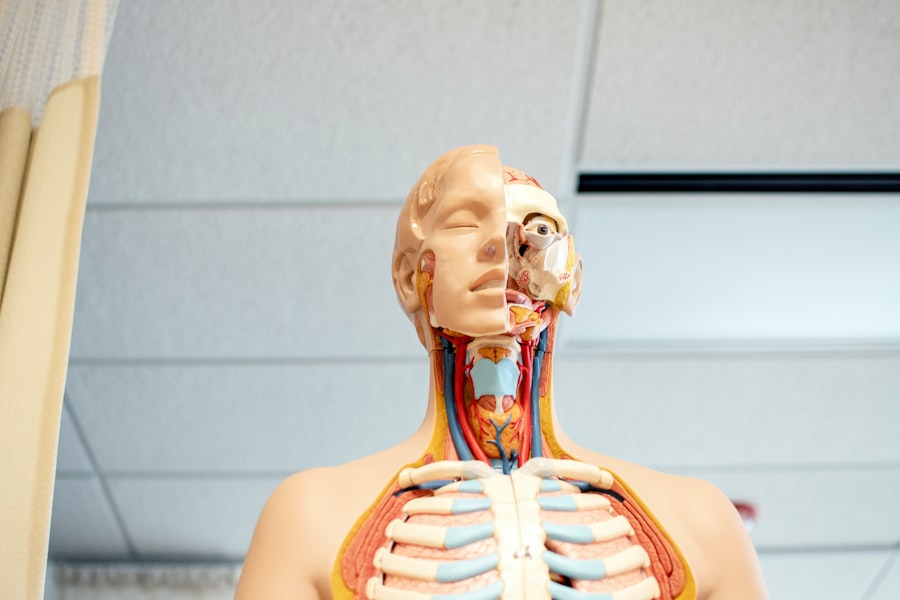
At its core, the baroreflex is a rapid, negative feedback system that helps to regulate your blood pressure. When your blood pressure rises, specialized stretch receptors called baroreceptors, located primarily in the carotid arteries (in your neck) and the aorta (your main artery), detect this increase. They then send signals to the brainstem, which orchestrates a response to bring the pressure back down.
The Key Players in the Reflex Arc
- Baroreceptors: These are mechanoreceptors that fire more frequently when the arterial walls stretch due to increased pressure. Conversely, their firing rate decreases when pressure drops.
- Afferent Nerves: Signals from the baroreceptors travel along afferent nerves (glossopharyngeal and vagus nerves) to the nucleus tractus solitarius (NTS) in the brainstem.
- Central Processing: The NTS acts as the integration center, receiving baroreceptor input and relaying it to other brainstem nuclei, such as the rostral ventrolateral medulla (RVLM) and the caudal ventrolateral medulla (CVLM).
- Efferent Nerves: The brainstem then sends signals via efferent nerves (sympathetic and parasympathetic pathways) to the heart and blood vessels.
- Effectors:
- Heart: The parasympathetic nervous system, via the vagus nerve, slows down your heart rate and reduces the force of contraction when blood pressure is too high. The sympathetic nervous system, when stimulated (during low pressure), increases heart rate and contractility.
- Blood Vessels: The sympathetic nervous system constricts blood vessels (vasoconstriction) to increase peripheral resistance and raise blood pressure when it’s low. Conversely, it dilates blood vessels (vasodilation) when pressure is too high.
Baroreflex Sensitivity: How Responsive Is Your System?
Baroreflex sensitivity (BRS) quantifies the effectiveness of this regulatory system. It essentially measures how much your heart rate changes in response to a given change in blood pressure. A higher BRS indicates a more robust and responsive baroreflex, meaning your body can quickly and efficiently counteract fluctuations in blood pressure. Conversely, a lower BRS suggests a less effective compensatory mechanism, potentially leading to less stable blood pressure.
Recent studies have highlighted the significant impact of posture on baroreflex sensitivity, which is crucial for maintaining cardiovascular stability. For a deeper understanding of this relationship, you can explore a related article that discusses various factors influencing baroreflex mechanisms and their implications for health. Check it out here: Freaky Science.
The Unseen Influence: How Posture Affects the Baroreceptors
Your posture, the arrangement of your limbs and torso in relation to gravity, directly influences the physical environment of your baroreceptors. Think about it: the carotid arteries and the aorta are dynamic structures affected by the forces acting upon them.
Gravitational Effects on Blood Distribution
When you stand upright, gravity plays a significant role in blood pooling in the lower extremities. This pooling can lead to a slight drop in venous return to the heart and, consequently, a temporary decrease in cardiac output and blood pressure. The baroreflex immediately springs into action to counteract this, increasing sympathetic tone and constricting blood vessels to maintain pressure.
Compression and Stretching of Arterial Walls
The very act of assuming a particular posture can exert mechanical forces on the major arteries where your baroreceptors reside.
- Upright Postures (Standing and Sitting): In an upright posture, the weight of your body and the effects of gravity can subtly alter the pressure and stretch within the carotid arteries and aorta. While the body is designed to compensate for this, prolonged or exaggerated postures might influence the baseline activity of the baroreceptors.
- Slumped or Forward-Leaning Postures: When you slouch or lean forward, especially with a rounded upper back, you can create mechanical compression. This compression might directly affect the carotid arteries, potentially altering the stretch experienced by the baroreceptors. This could, in turn, influence their signaling to the brainstem. Conversely, certain reclining positions might reduce the gravitational pull, potentially leading to different mechanical stresses.
The Role of Muscle Tone and Vascular Compliance
Beyond the direct mechanical impact on arteries, your posture is intrinsically linked to your muscle tone. Tightness in certain muscle groups, particularly in the neck and shoulders, can contribute to a slumped posture. This prolonged muscle tension can also indirectly affect blood flow and vascular compliance in the surrounding tissues, including the carotid arteries.
Postural Shifts and Their Direct Impact on Baroreflex Function

The transition between different postures is a dynamic event that provides a clear window into baroreflex function. These transitions are often used as a clinical tool to assess BRS.
The Orthostatic Challenge: From Supine to Standing
The most well-studied postural change is the transition from a lying (supine) position to a standing (orthostatic) position.
- Supine Position: In a supine position, blood distribution is relatively uniform. Gravitational effects are minimized. Baroreceptors experience a baseline level of stretch.
- Transition to Standing: Upon standing, gravity pulls blood towards the legs, causing a drop in venous return and blood pressure. This triggers a rapid baroreflex response:
- Decreased baroreceptor firing.
- Activation of the sympathetic nervous system.
- Increased heart rate and contractility.
- Vasoconstriction of peripheral blood vessels.
- Return of blood pressure to normal.
- Measuring BRS Through Orthostatic Testing: Clinicians often measure the change in heart rate and blood pressure during this transition to assess BRS. A robust BRS will result in a rapid and appropriate increase in heart rate and a quick restoration of blood pressure. Impaired BRS might manifest as excessive drops in blood pressure (orthostatic hypotension) or a delayed and insufficient heart rate response.
The Sit-to-Stand Transition: A Similar but Distinct Challenge
The transition from sitting to standing also engages the baroreflex, though the initial pooling of blood might be less pronounced than from a supine position.
- Sitting Posture: While sitting, gravity still influences blood distribution, but the degree of pooling in the legs is generally less than when standing.
- Transition to Standing: Similar to the supine-to-standing transition, standing from a seated position will cause some blood to shift downwards, leading to a transient drop in blood pressure. The baroreflex will then respond to maintain homeostasis.
- Implications for BRS Assessment: The sit-to-stand maneuver can also be used to evaluate baroreflex function, particularly in individuals who may find prolonged standing challenging. The magnitude and speed of the compensatory heart rate and blood pressure responses are key indicators.
The Reclining Position: A Different Gravitational Landscape
Moving from an upright to a reclining position alters the gravitational forces acting on the cardiovascular system.
- Effect of Reclining: When you recline, blood that was pooling in the lower extremities redistributes towards the upper body and thorax. This can lead to an increase in venous return and cardiac output, which in turn can transiently elevate blood pressure.
- Baroreflex Attenuation: The baroreflex would then act to reduce sympathetic outflow and potentially increase parasympathetic outflow to counteract this rise in blood pressure and maintain a stable state.
- Postural Changes and Cardiovascular Regulation: Understanding how these shifts in blood distribution, influenced by posture, are managed by the baroreflex highlights the dynamic nature of cardiovascular regulation and the constant interplay between posture and physiological response.
Chronic Postural Habits: Shaping Baroreceptor Environment Over Time
It’s not just abrupt postural shifts that matter; your everyday, habitual postures can also contribute to long-term changes in baroreflex sensitivity.
The Impact of Prolonged Sedentary Behavior and Slouching
Modern lifestyles often involve prolonged periods of sitting, frequently accompanied by poor postural habits such as slouching or forward head posture.
- Reduced Physical Activity: Sedentary behavior is associated with lower overall fitness, which can negatively impact cardiovascular health, including baroreflex function. Reduced physical activity can lead to deconditioning of the cardiovascular system.
- Sustained Musculoskeletal Strain: Slouching places sustained strain on the muscles and ligaments of the spine and neck. This can lead to muscle imbalances and stiffness, potentially affecting the biomechanics of the upper torso and the surrounding vasculature.
- Chronic Compression and Altered Blood Flow: Over time, chronic poor posture might lead to more persistent mechanical influences on the carotid arteries. While research is ongoing, it’s plausible that prolonged compression or altered alignment could subtly influence baroreceptor signaling or the local microcirculation, potentially contributing to a reduction in BRS.
The Benefits of an Erect and Open Posture
Conversely, maintaining an erect and open posture is often associated with better physiological function.
- Optimized Spinal Alignment: An erect posture promotes optimal spinal alignment, reducing unnecessary strain on muscles and joints.
- Unimpeded Blood Flow: This posture creates an environment where major blood vessels, including the carotid arteries, are less likely to experience undue compression. This can allow for clearer and more efficient baroreceptor signaling.
- Potential for Enhanced BRS: While direct cause-and-effect is complex to isolate, it’s reasonable to hypothesize that consistently maintaining an erect posture, coupled with regular physical activity, could support a more robust baroreflex system. This is due to the absence of chronic mechanical impediments and the general health benefits of an active lifestyle.
The Biomechanics of Your Spine and Thorax
The intricate biomechanics of your spine and thorax play a crucial role.
- Thoracic Mobility: The mobility of your thoracic spine (mid-back) directly impacts the positioning of your rib cage and shoulders. Limited thoracic mobility, often seen in slouching, can lead to a more constricted chest cavity and affect the alignment of structures within the neck and upper chest.
- Cervical Spine Alignment: The alignment of your cervical spine (neck) is inextricably linked to the position of your head and the carotid arteries. Forward head posture, common with slouching, can place stress on the neck and potentially influence the carotid arteries.
Recent studies have highlighted the significant impact of posture on baroreflex sensitivity, which is crucial for maintaining cardiovascular stability. For a deeper understanding of this relationship, you can explore a related article that discusses how different body positions can influence autonomic regulation. This research emphasizes the importance of posture in modulating baroreflex activity, which can have implications for various health conditions. To read more about this topic, visit Freaky Science for insightful information and findings.
Practical Implications and Considerations for Maintaining Baroreflex Sensitivity
| Posture | Baroreflex Sensitivity |
|---|---|
| Supine | Higher baroreflex sensitivity |
| Upright | Lower baroreflex sensitivity |
| Standing | Decreased baroreflex sensitivity |
Understanding the interplay between posture and baroreflex sensitivity offers actionable insights for improving your cardiovascular well-being.
Correcting Poor Postural Habits
The first step is awareness. Pay attention to how you sit, stand, and move throughout the day.
- Regular Posture Checks: Periodically remind yourself to check your posture. Are your shoulders rounded? Is your head jutting forward? Make conscious adjustments.
- Ergonomics: Optimize your workspace and daily routines for good posture. Ensure your chair supports your back, your screen is at eye level, and you take regular breaks to move and stretch.
- Mindful Movement: Whether you’re walking, lifting, or exercising, focus on maintaining a neutral and balanced posture.
The Role of Exercise in Posture and Baroreflex Function
Physical activity is a dual-threat ally. It directly benefits cardiovascular health and plays a critical role in strengthening the muscles that support good posture.
- Strength Training: Exercises that strengthen your core, back, and shoulder muscles are essential for maintaining an erect posture. This includes exercises like rows, planks, and exercises targeting the erector spinae muscles.
- Flexibility and Mobility Work: Yoga, Pilates, and stretching routines can improve flexibility and mobility, particularly in the thoracic spine and hips, counteracting the stiffening effects of prolonged sitting.
- Cardiovascular Fitness: Regular aerobic exercise, such as brisk walking, running, or swimming, directly improves cardiovascular health and has been shown to enhance baroreflex sensitivity.
Medical Conditions and Postural Considerations
It’s important to note that the impact of posture on baroreflex sensitivity can be amplified or altered by underlying medical conditions.
- Autonomic Dysfunction: Individuals with autonomic dysfunction, such as dysautonomia or certain neurological conditions, may have compromised baroreflexes, making them more susceptible to postural changes. In these cases, posture can have a more significant impact on blood pressure stability.
- Cardiovascular Diseases: Pre-existing cardiovascular conditions can also influence baroreflex function. While improving posture can be beneficial, it should be considered alongside professional medical advice and treatment for these conditions.
- Medications: Certain medications can affect blood pressure regulation and autonomic function, potentially interacting with the body’s response to postural changes.
When to Seek Professional Guidance
If you experience frequent dizziness, lightheadedness, or fainting, particularly when changing positions, it’s crucial to consult a healthcare professional. These symptoms could indicate impaired baroreflex sensitivity or another underlying issue. A doctor or physiotherapist can assess your posture, evaluate your baroreflex function, and recommend appropriate interventions. They can also help differentiate between issues related to posture and those stemming from other physiological problems.
FAQs
What is baroreflex sensitivity?
Baroreflex sensitivity refers to the ability of the body to regulate blood pressure in response to changes in posture, physical activity, and other factors. It is an important mechanism for maintaining cardiovascular health.
How does posture affect baroreflex sensitivity?
Posture can have a significant impact on baroreflex sensitivity. For example, when a person stands up from a sitting or lying position, the body must quickly adjust to maintain blood pressure and prevent dizziness or fainting. This adjustment is mediated in part by the baroreflex sensitivity.
What are the effects of poor posture on baroreflex sensitivity?
Poor posture, such as slouching or hunching over, can negatively impact baroreflex sensitivity. This can lead to difficulties in regulating blood pressure and may contribute to conditions such as orthostatic hypotension, where blood pressure drops significantly upon standing.
How can improving posture benefit baroreflex sensitivity?
Improving posture through exercises, ergonomic adjustments, and mindful awareness can help enhance baroreflex sensitivity. This can lead to better blood pressure regulation, improved cardiovascular health, and reduced risk of orthostatic hypotension and related issues.
What are some practical tips for maintaining good posture to support baroreflex sensitivity?
Practical tips for maintaining good posture include sitting and standing with the back straight, shoulders relaxed, and head aligned with the spine. Using ergonomic chairs and desks, taking regular breaks to stretch, and practicing yoga or Pilates can also help support good posture and baroreflex sensitivity.