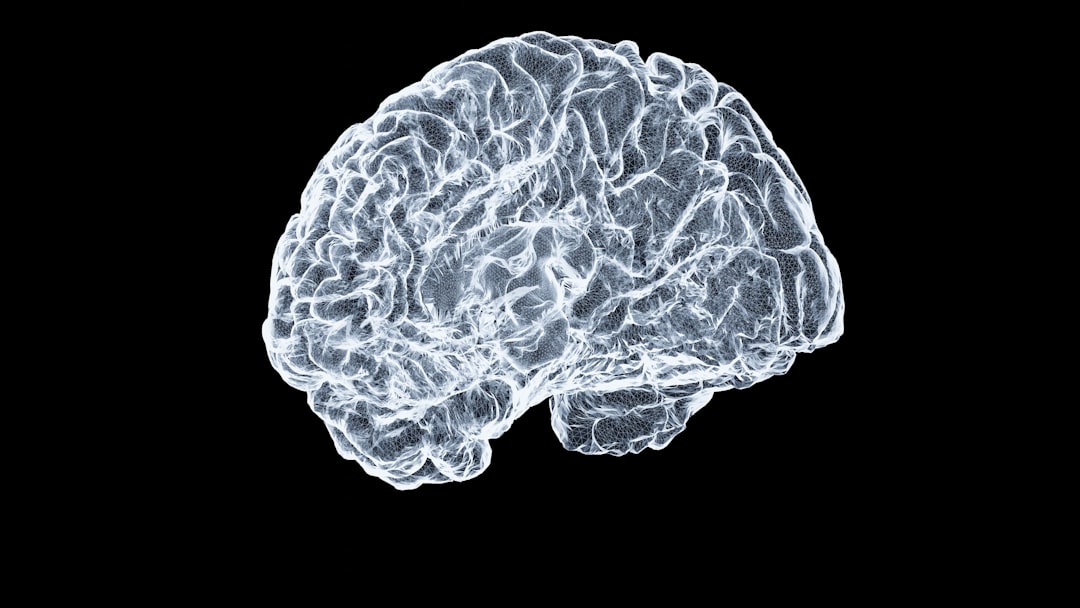
You are bombarded daily with digital content. Think about it: the endless scroll of social media feeds, the binge-watching marathons, the constant barrage of news alerts, the interactive games that demand your focused attention. This isn’t just passive consumption; it’s an active engagement that is fundamentally reshaping your brain. This process, known as neuroplasticity, refers to your brain’s remarkable ability to reorganize itself by forming new neural connections throughout life. While this adaptability is a cornerstone of your learning and memory, the specific nature of digital content is exerting a unique and potent influence on this rewiring, with implications you might not fully appreciate.
Your ability to concentrate, to sustain focus on a single task, is being profoundly affected by the architecture of digital content. You are accustomed to navigating a world of rapid information bursts and constant novelty, a stark contrast to the sustained, deep engagement often required by traditional learning or focused problem-solving. This has significant consequences for how your brain allocates attentional resources.
The Erosion of Sustained Attention
Consider the design of many digital platforms. They are meticulously crafted to capture your attention through variable rewards: a notification, a like, a new piece of content that might be interesting. This creates a powerful conditioning loop, similar to a slot machine, making it difficult to disengage. You might find yourself struggling to read a book for an extended period, your mind constantly drifting to check your phone. This isn’t a flaw in your character; it’s a measurable shift in your attentional circuitry. Your brain, driven by its inherent reward mechanisms, is becoming habituated to seeking out these frequent, smaller dopamine hits, which in turn can diminish your capacity for the slower, more demanding process of deep cognitive engagement. The neural pathways associated with sustained attention are being underutilized, while those linked to rapid switching and shallow processing are being strengthened.
The Rise of Task Switching and Multitasking
The digital environment actively encourages and rewards multitasking. You flit between emails, instant messages, web pages, and social media updates, believing you are being more productive. However, neuroscience research suggests that true multitasking is largely a myth. What you are actually doing is rapid task switching, a cognitively taxing process that can lead to decreased efficiency and increased errors. Each switch requires your brain to disengage from one task, reorient, and then re-engage with another. This constant shuttling back and forth strains your prefrontal cortex, the area responsible for executive functions like planning, decision-making, and impulse control. Over time, this relentless switching can lead to a form of cognitive fatigue, making it harder to concentrate on any single task for long and potentially impacting your ability to plan and execute complex projects. Your brain is literally becoming more adept at juggling, but less skilled at the sustained, deliberate execution of a single, focused goal.
Recent studies have highlighted the profound impact of digital content on neuroplasticity, suggesting that the way we consume information online can reshape our brain’s neural pathways. For a deeper understanding of this fascinating topic, you can explore the article on Freaky Science, which delves into the relationship between digital media and cognitive development. To read more, visit this article.
The Impact on Memory Formation and Recall
Your digital habits are also influencing how you encode, store, and retrieve information. The ease with which you can access vast amounts of data online has altered your reliance on internal memory processes.
The “Google Effect” and Externalization of Memory
You likely experience this phenomenon regularly: instead of trying to recall a specific fact, you simply Google it. This reliance on external storage, often referred to as the “Google effect” or digital amnesia, has a tangible impact on your memory. When you know that information is readily accessible, your brain may not invest the same effort in encoding it into long-term memory. The neural connections that would typically be strengthened through active recall and consolidation may be weakened. This means that while you have access to unprecedented amounts of information, your ability to retain and independently retrieve that information might be diminishing. Your hippocampus, crucial for memory formation, is being conditioned to outsource the storage function, leading to a potential decline in self-generated recall.
Shorter Lived Memories and the Transience of Digital Information
The ephemeral nature of much digital content also plays a role. Social media posts, news articles that are quickly updated, and fleeting online trends are designed for rapid consumption and are often quickly forgotten. This constant influx of transient information can train your brain to prioritize novelty and immediate relevance over deep processing and long-term retention. You may find yourself recalling fragments of information from a day’s digital browsing but struggling to construct a coherent narrative or recall specific details. This could be attributed to a shift in how your amygdala, involved in emotional memory, and your hippocampus, involved in factual memory, are processing information. When content is perceived as fleeting, the neural investment in its consolidation is reduced.
The Rewiring of Emotional Processing and Social Cognition

The digital realm is a primary locus of your social interactions, and this has a profound impact on how you perceive and regulate your emotions and understand others.
The Influence of Social Media on Emotional Regulation
The curated realities presented on social media platforms can create a constant comparison cycle, leading to feelings of inadequacy, envy, and anxiety. Your brain’s reward system, which is activated by social validation, can become hypersensitive to likes, comments, and followers. This can lead to a feedback loop where you seek external validation to feel good, potentially undermining your intrinsic sense of self-worth. The neural circuits involved in emotional regulation, particularly those in the prefrontal cortex and amygdala, are constantly being challenged by this environment of perceived social pressure and often negative emotional stimuli. You might find yourself becoming more reactive to online interactions, with a diminished capacity to regulate your emotional responses.
The Altered Landscape of Empathy and Social Cues
Interacting through screens, with the absence of direct nonverbal cues like body language and tone of voice, can present challenges to the development and maintenance of empathy. Your brain relies on specific neural networks, including mirror neurons, to understand and share the feelings of others. When these interactions are mediated by text or emojis, the richness and subtlety of emotional communication are reduced. This can lead to a more superficial understanding of others’ emotional states and potentially a decline in your capacity for genuine empathy. The insula, a brain region involved in empathy and emotional awareness, may be receiving less robust input, leading to a subtle but significant alteration in your social cognitive abilities. You might become more prone to misinterpreting intentions or experiencing a diminished sense of connection.
The Impact on Cognitive Skills and Problem-Solving
Your engagement with digital content is reshaping the very tools your brain uses to think, reason, and solve problems.
The Diminished Capacity for Deep Reading and Critical Thinking
The internet, while a vast repository of knowledge, often encourages superficial skimming rather than deep, analytical reading. The hyperlinked nature of online content, with its constant invitations to click away, disrupts the flow of immersive reading. Your brain learns to prioritize keywords and scan for information, rather than engaging in the slow, deliberate process of grappling with complex ideas, evaluating arguments, and forming your own conclusions. This can lead to a decline in critical thinking skills, as you become more susceptible to misinformation and less equipped to discern nuance and complexity. The neural pathways associated with analytical thought and deep comprehension may be understimulated, while those associated with rapid information extraction are strengthened.
The Shift Towards Peripheral Processing and Pattern Recognition
Many forms of digital content, from video games to visually rich interfaces, rely heavily on pattern recognition and rapid processing of visual information. While these skills are valuable, an overreliance on them can come at the expense of other crucial cognitive functions. Your brain may become more attuned to identifying visual patterns and responding quickly to stimuli, but this can sometimes come at the expense of deeper cognitive analysis and deliberate problem-solving. The visual cortex and other sensory processing areas are highly engaged, but the higher-order cognitive functions responsible for complex reasoning and novel problem generation might be less frequently exercised. This can result in a tendency to approach problems by looking for familiar patterns rather than by engaging in abstract reasoning or creative recombination of existing knowledge.
Recent studies have begun to explore the intriguing relationship between digital content consumption and neuroplasticity, shedding light on how our brains adapt to the constant influx of information. One insightful article discusses the implications of this phenomenon, emphasizing how engaging with various forms of digital media can reshape neural pathways and influence cognitive functions. For a deeper understanding of this topic, you can read more in this related article that delves into the effects of modern technology on our brain’s adaptability.
Navigating the Digital Rewiring: Strategies for Conscious Engagement
| Metrics | Data |
|---|---|
| Neuroplasticity Changes | Increased synaptic connections |
| Learning Speed | Accelerated learning process |
| Memory Enhancement | Improved memory retention |
| Cognitive Flexibility | Enhanced ability to adapt and learn new tasks |
Understanding the impact of digital content on your neuroplasticity is the first step. The key is not to abandon the digital world entirely, which is now an integral part of modern life, but to engage with it consciously and strategically.
Cultivating Digital Mindfulness and Intentional Consumption
Just as you might practice mindfulness to gain awareness of your thoughts and emotions, you can cultivate digital mindfulness. This involves being aware of your digital habits and their impact on your cognitive state. Before you dive into your phone or open a new tab, pause and ask yourself: “What is my intention? What do I hope to gain from this interaction?” This simple act of reflection can help you move from reactive consumption to intentional engagement. You can set time limits for certain activities, schedule “digital detox” periods, and be more selective about the content you consume. This conscious control over your digital interactions allows you to deliberately choose which neural pathways you want to strengthen.
Prioritizing Offline Activities and Deep Engagement
To counteract the potential negative impacts of digital content, it is crucial to prioritize activities that foster deeper cognitive engagement and richer sensory experiences. Engaging in hobbies that require sustained attention, like playing a musical instrument, painting, or engaging in complex physical activities, can help strengthen underutilized neural circuits. Reading physical books, having face-to-face conversations, and spending time in nature provide a different kind of stimulation that can promote cognitive well-being. These offline activities provide a necessary counterbalance, offering opportunities for your brain to engage in processes that are often marginalized in the digital sphere. By actively seeking out these experiences, you are consciously choosing to strengthen those aspects of your neuroplasticity that are most vital for well-rounded cognitive function.
FAQs
What is neuroplasticity?
Neuroplasticity refers to the brain’s ability to reorganize itself by forming new neural connections throughout life. This allows the brain to adapt to new experiences, learn new information, and recover from injuries.
How does digital content affect neuroplasticity?
Digital content, such as video games, social media, and online learning platforms, can impact neuroplasticity by stimulating different areas of the brain. For example, playing video games can improve spatial reasoning skills, while engaging with educational apps can enhance cognitive abilities.
What are the potential benefits of digital content on neuroplasticity?
Engaging with digital content can improve cognitive functions, such as attention, memory, and problem-solving skills. It can also provide opportunities for learning and skill development, leading to positive changes in the brain’s structure and function.
Are there any potential drawbacks of excessive digital content consumption on neuroplasticity?
Excessive consumption of digital content, especially in the form of passive screen time, can lead to decreased cognitive abilities and attention span. It may also contribute to the development of addictive behaviors and have negative effects on mental health.
How can individuals optimize the effects of digital content on neuroplasticity?
To optimize the effects of digital content on neuroplasticity, individuals can engage in a balanced and diverse range of activities, including educational apps, brain-training games, and physical exercise. It’s also important to take regular breaks from screen time and prioritize real-world social interactions.