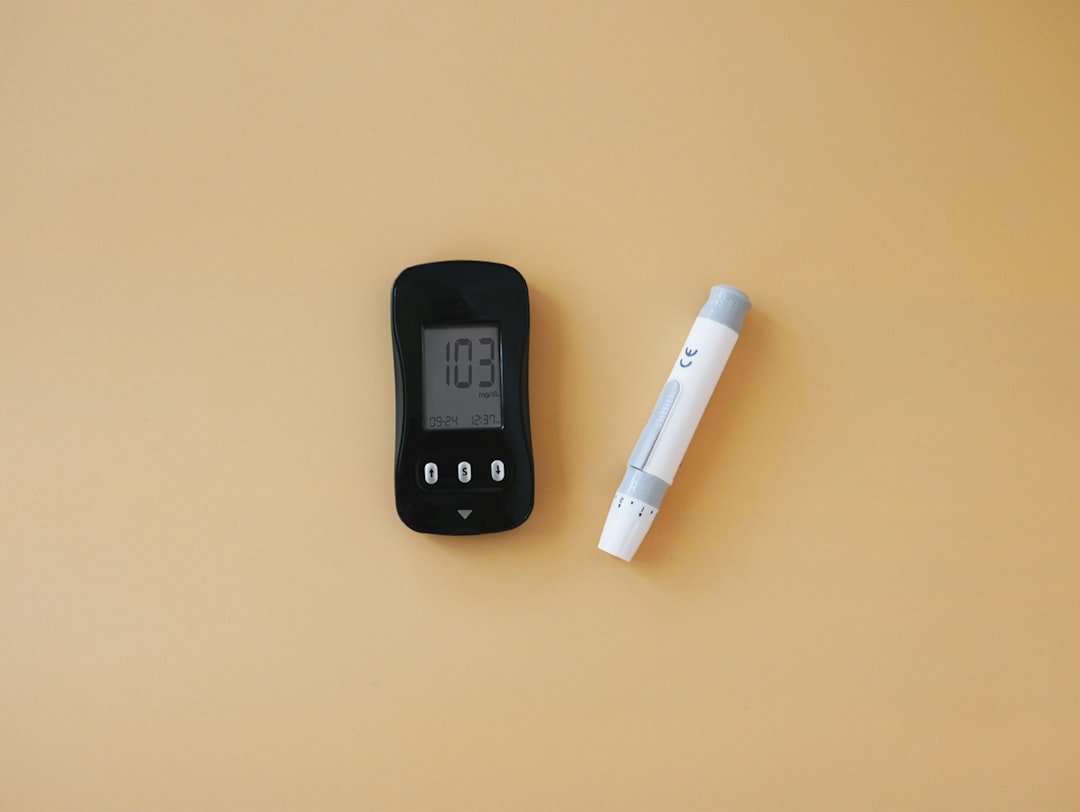
You’re likely here because you’ve encountered the concept of “glucose optimization” and its purported link to anti-aging. It’s a topic that has gained traction, promising profound benefits for longevity and healthspan. This article aims to demystify this connection, offering a practical and evidence-based perspective on how managing your glucose levels can contribute to a more resilient and youthful you.
Before diving into optimization strategies, it’s crucial to grasp what glucose is and why it matters. Glucose is your body’s primary source of energy. You obtain it from the carbohydrates you consume – from fruits and vegetables to grains and sweets. When you eat, your digestive system breaks down carbohydrates into glucose, which then enters your bloodstream.
The Role of Insulin: The Master Regulator
The rise in blood glucose after a meal triggers the pancreas to release insulin. Insulin acts like a key, unlocking your cells (particularly muscle and fat cells) to allow glucose to enter and be used for energy or stored for later use. This process is vital; without insulin, glucose would remain in your bloodstream, leading to a cascade of negative health consequences.
Blood Glucose Fluctuations: The Silent Culprits
The real issue for aging isn’t necessarily the presence of glucose itself, but rather the dramatic spikes and crashes in blood glucose levels. Think of it like a rollercoaster: rapid rises followed by sharp declines. While a temporary spike after a meal is normal, frequent and exaggerated fluctuations can contribute to cellular damage over time. This damage, known as glycation, is a key player in the aging process.
Glycation: When Sugar Sticks Around
Glycation occurs when glucose molecules in your bloodstream attach themselves to proteins and fats. This process creates Advanced Glycation End Products (AGEs). AGEs are like sticky, damaging compounds that can accumulate in your tissues, including your skin, blood vessels, and organs. Imagine a sugar-coated wire; it’s less flexible and more prone to breaking. AGEs have a similar detrimental effect on your biological structures.
The Impact of AGEs on Collagen and Elastin
Your skin’s youthful appearance is largely due to collagen and elastin, proteins that provide structure and elasticity. AGEs can cross-link these proteins, making them stiff and brittle. This leads to the visible signs of aging: wrinkles, sagging skin, and a loss of firmness. Similarly, AGEs can stiffen blood vessel walls, contributing to cardiovascular issues.
The Hormonal Symphony: More Than Just Insulin
While insulin is the star player, the regulation of blood glucose is a complex hormonal symphony. Other hormones, such as glucagon, cortisol, and even sex hormones, play roles in maintaining glucose balance. When this symphony is out of tune, it can have far-reaching implications for your overall health and, by extension, your aging process.
Recent research has highlighted the intriguing connection between glucose control and anti-aging, suggesting that maintaining stable blood sugar levels may play a crucial role in promoting longevity and overall health. For those interested in exploring this topic further, a related article can be found at Freaky Science, which delves into various strategies for managing glucose levels and their potential impact on the aging process.
The “Glucose Optimization” Concept: Separating Myth from Reality
The term “glucose optimization” is often used broadly. At its core, it means aiming for stable and healthy blood glucose levels, avoiding the extreme highs and lows that contribute to glycation and other cellular insults. It’s not about eliminating glucose entirely – that would be impossible and detrimental. Instead, it’s about intelligent management.
What “Optimization” Doesn’t Mean
It’s important to dispel some common misconceptions. Glucose optimization is not:
- A magic bullet for immortality: There is no single solution to halt aging. It’s a multifaceted process.
- About drastic carb restriction for everyone: While reducing refined carbohydrates is often beneficial, severe restriction isn’t necessary or healthy for all individuals.
- A guarantee of perpetual youth: It’s about promoting healthy aging and mitigating preventable damage.
The Science Behind Stable Glucose
The scientific consensus points to the benefits of maintaining blood glucose within a healthy range. This involves:
- Reducing the frequency and magnitude of post-meal glucose spikes.
- Preventing prolonged periods of elevated blood glucose.
- Improving your body’s sensitivity to insulin.
These factors, collectively, can help minimize AGE formation and reduce cellular stress, thereby contributing to a slower and healthier aging trajectory.
Practical Strategies for Glucose Management

Achieving optimal glucose levels isn’t about following restrictive, complicated diets. It’s about making informed food choices, incorporating mindful movement, and understanding your body’s responses.
Dietary Foundations for Stable Glucose
Your diet is the most significant factor influencing your blood glucose. The quality and combination of foods you eat play a critical role.
Prioritizing Whole, Unprocessed Foods
Focus on foods in their natural state. These are typically richer in fiber, which slows down glucose absorption, and contain a wider array of nutrients essential for cellular health.
- Vegetables: Non-starchy vegetables like leafy greens, broccoli, cauliflower, and bell peppers are excellent choices. They are low in carbohydrates and loaded with vitamins, minerals, and fiber.
- Fruits: While fruits contain natural sugars, they also provide fiber, vitamins, and antioxidants. Opt for whole fruits over juices or dried fruits, which concentrate the sugars. Berries, apples, and pears are generally good options.
- Lean Proteins: Fish, poultry, beans, lentils, and lean cuts of red meat provide satiety and have minimal impact on blood glucose. Protein helps slow digestion and can reduce the glycemic response of other foods eaten with it.
- Healthy Fats: Avocados, nuts, seeds, and olive oil are crucial. They are satiating and can help modulate glucose absorption. Healthy fats also play a role in hormone production and cellular membrane health.
The Power of Fiber
Fiber is a non-digestible carbohydrate that acts as a moderator for blood glucose. It significantly slows down the absorption of sugars into your bloodstream, preventing sharp spikes.
- Soluble Fiber: Found in oats, beans, apples, and citrus fruits, soluble fiber forms a gel-like substance in your digestive tract, further delaying glucose absorption.
- Insoluble Fiber: Found in whole grains, vegetables, and nuts, insoluble fiber adds bulk to your stool and promotes digestive regularity.
Understanding Carbohydrate Types
Not all carbohydrates are created equal. Your body processes them differently.
- Complex Carbohydrates: These are found in whole grains, legumes, and starchy vegetables like sweet potatoes. They are broken down slowly, leading to a more gradual rise in blood glucose.
- Simple Carbohydrates: These are found in refined sugars, white bread, and sugary drinks. They are rapidly digested, causing quick and high spikes in blood glucose. Minimizing these is a key step in glucose optimization.
Meal Timing and Composition
The order in which you eat your food and the balance of macronutrients at each meal can profoundly influence your post-meal glucose response.
The “Food Order” Effect
Research suggests that eating your protein and fat sources before your carbohydrates can significantly blunt the post-meal glucose spike.
- Start with your protein and healthy fats: This primes your digestive system and prepares your body to handle the incoming carbohydrates more efficiently.
- Then, consume your vegetables: These provide fiber and micronutrients.
- Finally, incorporate your complex carbohydrates: This approach helps to flatten the glycemic curve.
Balancing Macronutrients
A balanced plate ensures that you are not overwhelming your system with a single macronutrient.
- Protein: Aim for a good source of lean protein at every meal. This promotes satiety and helps stabilize blood sugar.
- Healthy Fats: Include a source of healthy fat to slow digestion and enhance nutrient absorption.
- Fiber-Rich Carbohydrates: Choose complex carbohydrates rich in fiber to provide sustained energy without drastic glucose fluctuations.
The Role of Movement and Exercise
Physical activity is a powerful tool for improving insulin sensitivity and managing glucose levels.
Aerobic Exercise: Cardiovascular Health and Glucose Control
Regular cardiovascular exercise is essential for overall health and has direct benefits for glucose management.
- Increased Insulin Sensitivity: Exercise makes your cells more responsive to insulin, meaning they can take up glucose from your bloodstream more effectively.
- Glucose Utilization: During exercise, your muscles use glucose for energy, helping to lower blood glucose levels.
- Long-Term Benefits: Consistent aerobic activity can lead to improvements in your resting glucose levels and HbA1c (a measure of average blood sugar over 2-3 months).
Strength Training: Building Muscle for a Glucose Sponge
While often overlooked in the context of glucose control, strength training offers significant advantages.
- Muscle Mass as a Glucose Sink: Muscle tissue is a primary site for glucose uptake and storage. The more muscle mass you have, the greater your capacity to utilize glucose.
- Metabolic Rate Boost: Muscle is metabolically active and contributes to a higher resting metabolic rate, meaning you burn more calories and manage glucose more efficiently even at rest.
- Improved Insulin Sensitivity: Strength training has also been shown to improve insulin sensitivity, complementing the benefits of aerobic exercise.
Sleep and Stress Management: The Underrated Pillars
Your endocrine system, which regulates hormones including those involved in glucose metabolism, is intricately linked to your sleep and stress levels.
The Impact of Sleep Deprivation on Glucose Metabolism
Inadequate or poor-quality sleep can disrupt hormonal balance and negatively impact glucose regulation.
- Increased Cortisol: Lack of sleep often leads to elevated cortisol levels, a stress hormone that can promote insulin resistance and increase glucose production by the liver.
- Altered Appetite Hormones: Sleep deprivation can dysregulate ghrelin (hunger hormone) and leptin (satiety hormone), leading to increased cravings for high-sugar, high-carbohydrate foods.
- Reduced Insulin Sensitivity: Studies have shown that even a single night of poor sleep can impair insulin sensitivity.
Chronic Stress and Insulin Resistance
When you experience chronic stress, your body is in a constant state of “fight or flight,” which can have detrimental effects on glucose metabolism.
- Persistent Cortisol Elevation: Prolonged stress leads to chronically elevated cortisol, exacerbating insulin resistance and promoting fat storage, particularly around the abdomen.
- Increased Cravings: Stress can trigger cravings for comfort foods, which are often high in sugar and refined carbohydrates, further disrupting glucose balance.
- Emotional Eating: Stress can also lead to emotional eating, where food is used as a coping mechanism, often resulting in poor food choices.
Monitoring Your Progress: Tools and Techniques
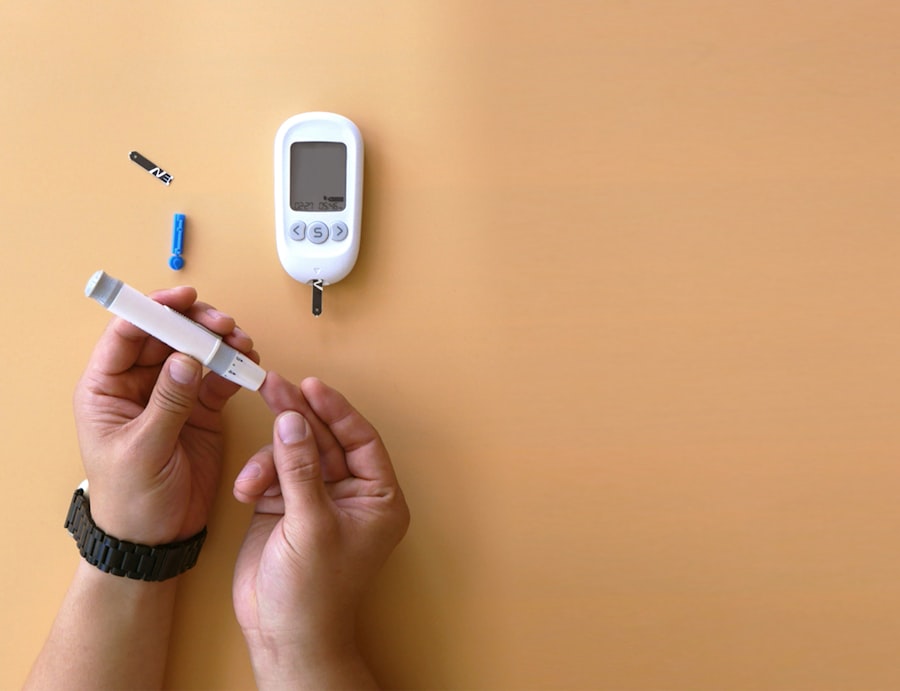
Understanding how your body responds to different foods and lifestyle choices is key to effective glucose optimization. Self-monitoring can provide invaluable insights.
Continuous Glucose Monitors (CGMs): Real-Time Insights
CGMs are small devices worn on the body that measure glucose levels in the interstitial fluid (the fluid surrounding your cells) in real-time.
- Visualizing Glucose Trends: CGMs provide graphs and data that show you how your glucose reacts to meals, exercise, sleep, and stress. This visual feedback is incredibly powerful for identifying patterns.
- Identifying “Problem Foods”: You can test specific foods or combinations and see their direct impact on your glucose levels, allowing you to make informed dietary adjustments.
- Understanding Your Personal Response: Everyone’s body is unique. CGMs help you understand your individual response to different stimuli, moving beyond general dietary advice.
Blood Glucose Meters (BGMs): Traditional, Yet Effective
Traditional blood glucose meters, which require a finger prick to obtain a blood sample, remain a valuable tool for glucose monitoring.
- Snapshot Measurements: BGMs provide a point-in-time measurement of your blood glucose.
- Strategic Testing: By testing before and after meals, or at different times throughout the day, you can still gain valuable insights into your glucose patterns.
- Accessibility and Cost-Effectiveness: BGMs are generally more readily available and less expensive than CGMs, making them a practical option for many.
HbA1c: The Long-Term Picture
While not a real-time monitoring tool, your HbA1c (glycated hemoglobin) level provides a valuable overview of your average blood glucose control over the past 2-3 months.
- Indicative of Chronic Exposure: A lower HbA1c signifies less exposure to high glucose levels over time, which is directly linked to reduced glycation and slower aging.
- Regular Check-ups: Discussing your HbA1c with your healthcare provider is an important part of assessing your overall metabolic health and its impact on your long-term well-being.
Recent studies have suggested that maintaining optimal glucose levels may play a significant role in the aging process, as fluctuations in blood sugar can lead to various health issues. For those interested in exploring this topic further, an insightful article on glucose control and its implications for anti-aging can be found at Freaky Science. This resource delves into the science behind glucose management and its potential benefits for longevity, making it a valuable read for anyone looking to enhance their understanding of healthy aging.
Beyond the Glucose: Integrated Approaches to Longevity
| Metrics | Results |
|---|---|
| Fasting Blood Glucose Level | Below 100 mg/dL |
| Postprandial Blood Glucose Level | Below 140 mg/dL |
| Hemoglobin A1c (HbA1c) | Less than 5.7% |
| Insulin Sensitivity | High sensitivity |
While optimizing glucose is a powerful strategy for promoting healthy aging, it’s part of a larger picture. True longevity involves a holistic approach that addresses multiple aspects of your health.
The Interplay with Inflammation and Oxidative Stress
High glucose levels and the resulting glycation directly contribute to inflammation and oxidative stress, two major drivers of aging.
- Inflammation: AGEs can trigger inflammatory responses in your body, leading to chronic, low-grade inflammation that damages cells and tissues over time.
- Oxidative Stress: The metabolic processes involved in glucose utilization, especially when dysregulated, can produce reactive oxygen species (ROS), leading to oxidative damage to cellular components.
By optimizing glucose, you indirectly help mitigate inflammation and oxidative stress, further supporting your body’s resilience against aging.
The Gut Microbiome: A Silent Influencer
Emerging research highlights the significant role of your gut microbiome in regulating glucose metabolism and overall health.
- Impact on Nutrient Absorption: The bacteria in your gut influence how you digest and absorb nutrients, including carbohydrates.
- Short-Chain Fatty Acids (SCFAs): Gut bacteria produce SCFAs, which have been shown to improve insulin sensitivity and reduce inflammation. A fiber-rich diet, crucial for glucose optimization, also fuels a healthy gut microbiome.
- Gut-Brain Axis: Your gut microbiome communicates with your brain, influencing mood, stress, and even appetite, all of which can indirectly affect glucose control.
The Importance of a Balanced Lifestyle
Ultimately, glucose optimization is most effective when integrated into a balanced and sustainable lifestyle. This includes:
- Mindful eating practices: Paying attention to hunger and fullness cues.
- Regular physical activity: Combining cardio and strength training.
- Adequate sleep: Prioritizing 7-9 hours of quality sleep per night.
- Effective stress management techniques: Finding what works for you, whether it’s meditation, yoga, or spending time in nature.
- Strong social connections: Positive relationships are linked to better health outcomes and longevity.
By adopting a comprehensive approach that prioritizes glucose management as a cornerstone, alongside other healthy habits, you are actively investing in your body’s ability to age gracefully and vibrantly. This isn’t about chasing eternal youth; it’s about cultivating a healthier, more resilient self for years to come.
FAQs
What is glucose control and how does it relate to anti-aging?
Glucose control refers to the management of blood sugar levels in the body. It is important for anti-aging because high levels of glucose can lead to oxidative stress, inflammation, and damage to cells and tissues, which are all associated with aging.
How can glucose control be achieved for anti-aging benefits?
Glucose control for anti-aging can be achieved through a combination of regular physical activity, a healthy diet low in refined sugars and carbohydrates, and maintaining a healthy body weight. Additionally, some individuals may require medication or insulin therapy to manage their blood sugar levels.
What are the potential benefits of glucose control for anti-aging?
Effective glucose control for anti-aging can potentially reduce the risk of age-related diseases such as diabetes, cardiovascular disease, and cognitive decline. It may also help to maintain healthy skin, preserve cognitive function, and improve overall longevity.
Are there any risks or side effects associated with glucose control for anti-aging?
While glucose control is generally beneficial for anti-aging, overly aggressive control of blood sugar levels can lead to hypoglycemia (low blood sugar), which can cause symptoms such as dizziness, confusion, and even loss of consciousness. It is important to work with a healthcare professional to find the right balance for glucose control.
What are some strategies for monitoring and maintaining glucose control for anti-aging?
Regular monitoring of blood sugar levels through self-testing or laboratory tests is essential for maintaining glucose control. Additionally, working with a healthcare provider to develop a personalized plan for diet, exercise, and medication can help individuals achieve and maintain optimal glucose control for anti-aging benefits.