
You’ve likely seen the advertisements, the social media posts, the celebrity endorsements. They promise a rapid transformation, a complete bodily overhaul through “detox” and “cleanse” programs. Perhaps you’ve even considered trying one, lured by the idea of shedding pounds, boosting energy, and banishing toxins that you can’t quite identify. But before you invest your time and money into a juice fast or a colon hydrotherapy session, it’s crucial to understand the reality behind these popular wellness trends.
The concept of “detoxification” is often presented as a mystical process where your body is burdened by invisible poisons. You’re told that you need external intervention to purge these harmful substances, and various products or programs claim to be the key. But what does your body actually do, and what are you being asked to believe are the “toxins” being removed?
Your Body’s Built-in Detoxification System
Your body is remarkably adept at handling waste products and foreign substances. It possesses sophisticated systems designed for continuous detoxification, operating without the need for expensive supplements or restrictive diets.
The Liver: Your Master Chemical Processor
The liver, a large organ situated in your upper right abdomen, is the primary detoxification powerhouse. It metabolizes a vast array of substances, from alcohol and medications to environmental pollutants and the byproducts of normal bodily functions. The liver achieves this through a series of enzyme-driven chemical reactions that transform harmful compounds into less toxic, water-soluble substances that can then be excreted.
The Kidneys: The Filtration Specialists
Your kidneys play a crucial role in filtering your blood, removing waste products, excess water, and electrolytes. These filtered substances are then converted into urine and eliminated from your body. Imagine them as incredibly efficient filters, constantly working to maintain the delicate balance of your internal environment.
The Digestive Tract: Another Exit Route
Your gastrointestinal system is not just for nutrient absorption; it also plays a part in elimination. Undigested food particles, waste products from gut bacteria, and certain toxins are moved through your intestines and expelled as stool.
The Lungs: Exhaling the Unwanted
Your lungs are primarily known for respiration, but they also help remove gaseous waste products from your body, such as carbon dioxide.
The Skin: A Minor, But Present, Excretion Pathway
While not a primary detoxifying organ, your skin does excrete some waste products through sweat. However, the volume of toxins eliminated this way is relatively minor compared to the liver and kidneys.
The Vague Nature of “Toxins” in the Detox Industry
When detox proponents talk about “toxins,” they rarely specify what these are. This vagueness is deliberate and allows for a broad and often unsubstantiated claim.
Environmental Pollutants: A Real Concern, But Not Easily “Detoxed”
It’s true that our environment contains various pollutants, from pesticides in our food to chemicals in our plastics and air pollution. Our bodies are exposed to these. However, the idea that you can “detox” these specific, often complex chemical compounds with a juice cleanse is highly unlikely. Your body’s existing systems are best equipped to handle metabolizing and eliminating what it can.
Processed Foods and Unhealthy Lifestyles: Indirect Impacts
Diets high in processed foods, excessive sugar, and unhealthy fats, coupled with a lack of exercise and adequate sleep, can certainly place a burden on your body’s natural systems. They can lead to inflammation, weight gain, and a general feeling of unwellness. However, the solution isn’t to purge your system with a cleanse, but rather to adopt sustainable, healthy lifestyle habits.
The “Toxin” as a Marketing Tool
The term “toxin” is often used as a catch-all to instill fear and a sense of urgency. It taps into a desire for control over one’s health and a belief that something is fundamentally wrong with your body that needs immediate correction.
Many people are drawn to detox and cleanse diets in hopes of improving their health, but there are numerous myths surrounding these practices that need to be addressed. For a deeper understanding of the misconceptions and facts about detoxing, you can read the article “Detox and Cleanse Myths Debunked” on Freaky Science. This informative piece provides evidence-based insights that challenge common beliefs about detox diets and offers a clearer perspective on how to achieve optimal health. To explore this topic further, visit Freaky Science.
Debunking the “Cleanse” Promise: What’s Really Happening in Your Gut?
“Cleansing,” particularly in the context of colonics and bowel movements, is another heavily marketed aspect of the detox industry. The idea is to “flush out” accumulated waste and toxins from your digestive system.
The Truth About Colonics and Bowel “Cleanses”
Colon hydrotherapy involves introducing large amounts of water into the colon to flush out its contents. Many “cleanses” also involve laxatives or fiber supplements designed to induce frequent bowel movements.
The Normal Function of Your Colon
Your colon’s primary role is to absorb water and electrolytes from digested food and to store waste matter before elimination. It’s a continuous process, and your body naturally moves waste through this system.
The Illusion of “Toxins” in the Colon
The material you see expelled during a colonic or exaggerated bowel movements is largely composed of water, digested food, bacteria (a normal and essential part of your gut microbiome), and intestinal lining cells that are shed naturally. While some undigested material will be present, it’s not necessarily harmful “toxins” that need aggressive purging.
Potential Risks of Colonics
Colon hydrotherapy is not without its risks. It can disrupt the delicate balance of your gut microbiome, potentially leading to imbalances that can affect digestion and even immunity. There’s also a risk of dehydration, electrolyte imbalances, and in rare cases, bowel perforation, although this is exceptionally uncommon with trained practitioners.
The Role of Fiber: Nature’s Gentle Approach
While aggressive colon cleansing is questionable, fiber plays a vital role in digestive health. It adds bulk to stool, aids in regular bowel movements, and can feed beneficial gut bacteria.
Soluble vs. Insoluble Fiber
You’ll find fiber in fruits, vegetables, whole grains, and legumes. Soluble fiber dissolves in water to form a gel-like substance, while insoluble fiber does not dissolve. Both contribute to healthy digestion.
Sustainable Fiber Intake
Instead of relying on sudden, intense boosts of fiber or laxatives associated with cleanses, aim for a consistent, high-fiber diet as part of your regular eating pattern. This supports long-term gut health.
The Weight Loss Mirage: Where Does the “Lost” Weight Go?
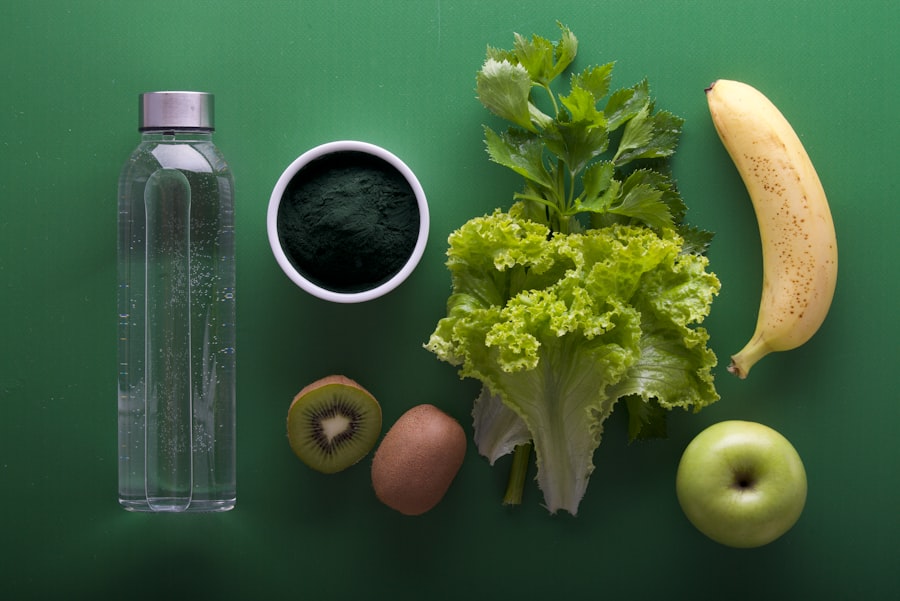
The promise of rapid weight loss is a major allure of detox and cleanse programs. You’re told you’ll shed pounds quickly, often feeling lighter and more energized as a result. But understanding what’s happening is crucial.
Water Weight is Not Fat Loss
Many detox diets involve severely restricting carbohydrates and sodium. Carbohydrates bind to water in your body, so when you drastically cut them, you lose a significant amount of water weight. This can appear as rapid weight loss on the scale, but it’s not a reduction in body fat.
The Glycogen Depletion Factor
Your body stores carbohydrates as glycogen in your muscles and liver. Glycogen is bound to water. When you reduce your carb intake, your body uses up its glycogen stores, and with it, the associated water.
Rehydration and Weight Regain
Once you resume your normal eating habits, your body will replenish its glycogen stores, and the water weight will return. This leads to the common experience of regaining the weight lost on a detox diet soon after finishing it.
Calorie Restriction: The Real Driver of Weight Loss (and Its Downsides)
Many detox programs, whether liquid diets or severely calorie-restricted meal plans, inherently lead to calorie deficits. When you consume fewer calories than your body burns, you will lose weight, regardless of whether the food is labeled “detoxifying.”
The Sustainability Problem
The extreme calorie restriction common in detox diets is not sustainable for most people. It can lead to nutrient deficiencies, fatigue, irritability, and may even slow down your metabolism in the long run as your body conserves energy.
The Danger of Nutritional Deficiencies
Liquid-only detoxes, for instance, often lack essential macronutrients (protein, healthy fats) and critical micronutrients (vitamins, minerals) required for optimal bodily function. This can have detrimental effects on your health.
Muscle Loss: A Hidden Consequence
When you’re in a significant calorie deficit, your body may break down muscle tissue for energy, especially if protein intake is inadequate. Losing muscle can negatively impact your metabolism and overall body composition.
Addressing the Energy Boost Myth: What’s Truly Energizing You?

You might feel a temporary surge of energy during or immediately after a detox or cleanse. However, this boost is often short-lived and can be attributed to factors other than the “cleansing” process itself.
The Placebo Effect at Play
The placebo effect is a powerful phenomenon where believing a treatment will work can lead to a perceived improvement in symptoms. When you invest time, money, and effort into a detox program, you’re likely to feel better simply because you expect to.
The Power of Expectation
Your mind is a strong influence on your body. If you are convinced that a particular regimen will revitalize you, you are more likely to experience sensations that align with that belief.
Reduced Intake of Energy Sappers
Many detox programs involve eliminating processed foods, sugar, alcohol, and caffeine. These are all substances that can contribute to energy crashes and feelings of sluggishness when consumed in excess.
The Temporary Relief of Withdrawal
If you’re accustomed to high sugar intake or daily caffeine, suddenly cutting these out can lead to withdrawal symptoms like headaches and fatigue. As your body adjusts, you might experience a period of feeling more stable, which can be mistaken for a “detoxification” benefit. However, this is simply your system re-regulating.
The Contrast Effect: Feeling “Better” in Comparison
When you transition from an unhealthy diet to a very restrictive one, even if the restrictive diet is nutritionally inadequate, you might feel an improvement simply because you’ve removed so many negative influences. This doesn’t mean the detox itself is inherently beneficial; it’s the removal of detrimental items that’s causing the relative improvement.
The Importance of Sleep and Hydration
Many detox and cleanse programs emphasize adequate sleep and increased water intake. These are fundamental pillars of good health and are well-known for their ability to boost energy levels naturally.
Rehydrating Your Body
When you’re well-hydrated, your cells function more efficiently, which can lead to improved energy. Many people are chronically dehydrated, so increasing water intake alone can make a noticeable difference.
Prioritizing Rest
Adequate, quality sleep is essential for physical and mental recovery, hormone regulation, and energy restoration. If a detox program encourages you to prioritize sleep, the resulting energy boost is from good sleep hygiene, not from purging toxins.
Many people are drawn to detox and cleanse diets, believing they can rid the body of toxins and promote better health. However, numerous myths surround these practices, often leading to confusion and misinformation. For a deeper understanding of the misconceptions about detoxing, you can read a related article that thoroughly debunks these myths and provides evidence-based insights. This informative piece can help clarify the realities of detoxing and guide you towards healthier choices. To explore this topic further, visit this article.
The Long-Term Lifestyle Shift: What Truly Matters for Health
| Myth | Debunked |
|---|---|
| Detox diets eliminate toxins from the body | Debunked: The body has its own detoxification system (liver, kidneys, skin) and doesn’t require special diets to eliminate toxins. |
| Cleanses help with long-term weight loss | Debunked: Cleanses may lead to temporary weight loss due to water and muscle loss, but it’s not sustainable in the long run. |
| Detox products improve skin health | Debunked: There’s no scientific evidence that detox products improve skin health. A balanced diet and proper skincare routine are more effective. |
| Cleanses improve energy levels | Debunked: Cleanses may lead to low energy levels due to reduced calorie intake and nutrient deficiencies. |
Instead of pursuing fleeting and often ineffective detoxes, focus on building sustainable habits that support your body’s natural processes. This is the true path to lasting health and vitality.
Nourishing Your Body with Whole Foods
The most effective way to support your body’s detoxification systems and overall health is through a diet rich in whole, unprocessed foods.
The Antioxidant Powerhouse
Fruits, vegetables, nuts, and seeds are packed with antioxidants, which help protect your cells from damage. They also provide essential vitamins, minerals, and fiber.
Lean Protein for Repair and Function
Adequate protein intake is crucial for muscle repair, hormone production, and enzymatic processes, including those involved in detoxification.
Healthy Fats for Cell Health
Omega-3 fatty acids and other healthy fats are vital for cell membrane integrity, hormone production, and reducing inflammation.
The Impact of Chronic Stress and Sleep Deprivation
Your mental and emotional well-being significantly impacts your physical health. Chronic stress and lack of sleep can hinder your body’s natural functioning.
Stress Management Techniques
Finding healthy ways to manage stress, such as meditation, yoga, deep breathing exercises, or spending time in nature, can have a profound positive effect on your body’s ability to function optimally.
The Crucial Role of Sleep Hygiene
Prioritizing 7-9 hours of quality sleep per night is paramount for physical repair, cognitive function, and supporting your immune system.
Regular Physical Activity
Consistent exercise offers a myriad of benefits, including boosting circulation, supporting lymphatic drainage, improving mood, and aiding in weight management.
Moving Your Body Daily
Aim for a mix of aerobic exercise, strength training, and flexibility work to support overall physical fitness.
Finding Activities You Enjoy
The key to consistency is finding forms of physical activity that you genuinely enjoy, making it a sustainable part of your routine rather than a chore.
The Importance of Hydration
Maintaining adequate hydration is fundamental for all bodily functions, including nutrient transport, waste removal, and maintaining organ health.
Listening to Your Body’s Thirst Cues
Your body’s natural thirst sensation is a reliable indicator of your hydration needs.
Beyond Plain Water
While plain water is excellent, fruits and vegetables also contribute to your daily fluid intake. Herbal teas can offer additional benefits as well.
The truth about detoxes and cleanses is that they often rely on misleading marketing and unsubstantiated claims. Your body is already equipped with powerful systems to cleanse and repair itself. By focusing on a balanced, nutrient-dense diet, stress management, adequate sleep, and regular physical activity, you empower your body to do what it does best, leading to genuine, lasting health and vitality, not just a temporary, expensive illusion.
FAQs
What are some common myths about detox and cleanse?
Some common myths about detox and cleanse include the idea that they can “reset” your body, remove toxins, and lead to long-term weight loss.
Do detox and cleanse diets actually remove toxins from the body?
There is no scientific evidence to support the claim that detox and cleanse diets remove toxins from the body. The body has its own natural detoxification system involving the liver, kidneys, and other organs.
Can detox and cleanse diets lead to long-term weight loss?
Detox and cleanse diets may lead to short-term weight loss due to calorie restriction, but this weight loss is often not sustainable in the long term. Once normal eating patterns are resumed, the weight is often regained.
Are there any potential risks or side effects associated with detox and cleanse diets?
Detox and cleanse diets can lead to potential risks and side effects such as nutrient deficiencies, dehydration, and disruptions to the body’s natural detoxification processes.
What are some healthier alternatives to detox and cleanse diets?
Healthier alternatives to detox and cleanse diets include focusing on a balanced and varied diet, staying hydrated, getting regular exercise, and getting enough sleep. These habits can support the body’s natural detoxification processes and overall health.