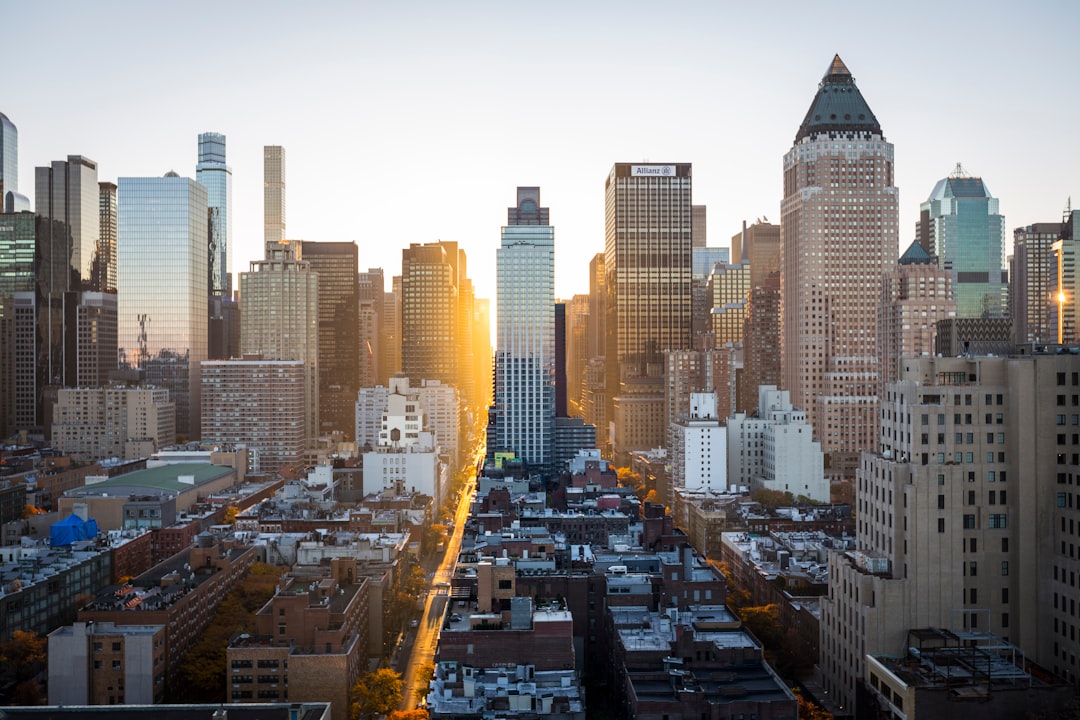
You stand at the edge of the city, a monolith of concrete and glass piercing the bruised twilight. It’s not just the scale that unnerves you, though the sheer mass of it is a significant factor. It’s the way it feels. A low hum, not audible so much as vibratory, seems to emanate from its very core, a tangible pressure against your eardrums, a prickle on your skin. This, you realize with a nascent unease, is not merely a building. It’s a carefully constructed architecture of fear, a place designed to create standing waves of dread.
The Whispering Walls: Understanding Spatial Dread
You’ve likely experienced it before. A feeling of being watched, a persistent unease that settles in your gut as you navigate certain spaces. This isn’t always the result of overt threats; often, it’s a more insidious design. The architecture itself is the aggressor, weaponizing form and arrangement to evoke a specific emotional response: fear.
The Psychology of Perceptual Distortion
Your perception is a malleable thing, easily influenced by your environment. Architects, whether consciously or unconsciously, can exploit this. The way light falls, the angles of internal corridors, the textures of surfaces – these elements are not neutral. They contribute to a palpable atmosphere, shaping your emotional state before you can even articulate why.
Shadow and Obscurity
Consider the play of light. Deep, inky shadows in corners that suggest unseen presences. Narrow apertures that limit your field of vision, forcing you to crane your neck and expose vulnerable parts of yourself. These are not accidental omissions; they are deliberate choices that capitalize on your primal fear of the unknown lurking just beyond your sight.
Scale and Dehumanization
The sheer scale of some structures can be overwhelming, dwarfing individuals and instilling a sense of insignificance. This isn’t just about impressiveness; it’s about rendering you small, vulnerable, and therefore, more susceptible to psychological manipulation. When you feel insignificant, your own agency can feel diminished, making you more prone to anxiety.
The Vestiges of Primitive Instincts
Your fear response is deeply rooted in evolutionary survival mechanisms. Architects who understand this can tap into those primal instincts. They utilize elements that mimic environments where danger was once prevalent, triggering subconscious alarm bells.
Enclosed and Constricting Spaces
Think of a narrow, windowless corridor. It’s the architectural equivalent of a predator’s narrow escape route – confining and disorienting. Your instincts scream for open spaces, for clear lines of sight. When confronted with the opposite, a subtle panic can begin to build.
Unpredictable and Asymmetrical Forms
The human brain seeks patterns and order. Deviations from this can be unsettling. Buildings that feature jarringly asymmetrical layouts, unexpected jutting angles, or a lack of visual rhythm can create a sense of unease, as if something is fundamentally “off.”
In exploring the psychological impact of architecture, the article “How Buildings Create Standing Waves of Dread” delves into the unsettling ways in which certain structures can evoke feelings of anxiety and unease. This phenomenon is often linked to the design elements and spatial configurations that can amplify negative emotions. For a deeper understanding of this intriguing subject, you can read more in the related article found here: How Buildings Create Standing Waves of Dread.
The Echo Chamber of Anxiety: Sound and Vibration
Fear is not solely a visual phenomenon. The way a space sounds, or even how it vibrates, can profoundly impact your emotional state. Buildings themselves can become instruments of dread, creating auditory and tactile experiences that amplify anxiety.
The Amplification of Subtle Noises
Silence in a building can be as unnerving as noise. In certain architectural designs, ambient sounds are amplified, distorted, or given an unnerving resonance. This makes the mundane seem sinister.
Creaks and Groans as Harbingers
The settling of a building is natural, but in a fear-inducing environment, these natural sounds are imbued with malevolence. A creaking floorboard in an empty corridor isn’t just wood contracting; it’s the sound of unseen movement.
The Silence That Shrieks
Conversely, an absolute, oppressive silence can be equally unsettling. It signifies emptiness, but also a lack of response, a void where sound should be. This can make you feel isolated and exposed, as if any noise you make will be absorbed and lost, leaving you vulnerable.
The Unseen Tremors of Disquiet
Beyond audible sound, vibrations can subtly impact your nervous system. Buildings that are poorly insulated, or designed with materials that transmit vibrations easily, can create a constant, low-level physical discomfort.
Structural Resonances
Certain frequencies can resonate with the human body in unpleasant ways. While not consciously heard, these vibrations can cause a feeling of unease, a subtle nausea, or a general sense of being unsettled, contributed by the building itself.
The Hum of Discomfort
Some modern structures, particularly those with extensive mechanical systems, can emit a persistent, low-frequency hum. This is not a gentle background noise; it’s a palpable vibration that can cause headaches, fatigue, and a profound sense of agitation, all subtly engineered by the building’s inner workings.
The Labyrinth of Suspicion: Navigation and Control
How you move through a space, and how much control you perceive you have over that movement, is a crucial element in the architecture of fear. Buildings designed to disorient or restrict can foster suspicion and paranoia.
The Illusion of Choice and the Reality of Entrapment
When you feel trapped, your anxiety levels naturally rise. Certain architectural choices can create this feeling, even in the absence of any actual threat.
Featureless Corridors and Identical Doors
Imagine a long, repeating hallway with identical doors. There is no landmark, no distinguishing feature. Each turn looks the same. This navigational challenge can lead to a sense of being lost, of being unable to find your way out, even in a familiar environment.
Dead Ends and Unexpected Obstructions
The sudden appearance of a dead end, or a section of corridor that is unexpectedly blocked, can instill a spike of panic. It signifies a failure of planning, a disruption of expected pathways, and a reminder of your own limited agency.
The Gaze of the Unseen Observer
The feeling of being watched is a potent fear inducer. Architecture can facilitate this sensation through the strategic placement of openings and vantage points.
Opaque Panels and Hidden Alcoves
Areas where you can be observed from but cannot see out, or where small recesses are present just within your peripheral vision, create a sense of vulnerability. You know something might be there, but you can’t confirm it, breeding suspicion.
The Unblinking Eye of Surveillance
Even without explicit cameras, certain architectural features can evoke the feeling of being under constant surveillance. Long, straight corridors with a clear line of sight down their entire length can feel like a gauntlet, designed to monitor every movement.
The Absence of Sanctuary: Denying Comfort and Security
A fundamental aspect of building design should be the creation of spaces that offer respite and security. When these elements are deliberately omitted or undermined, the resulting environment can be inherently fear-inducing.
The Erosion of Personal Space
In your daily life, you establish personal boundaries. Architecture that infringes upon these boundaries can create a persistent sense of unease.
Overcrowding and Proximity Without Intimacy
Spaces designed to hold a large number of people in close proximity, without providing any sense of individual retreat, can be deeply unsettling. You are constantly aware of others, their presence an invading force on your personal bubble.
Transparent Surfaces and the Loss of Privacy
While transparency can be an aesthetic choice, excessive use of glass in areas where privacy is expected can be disquieting. You feel exposed, as if your every action is on display, eroding your sense of personal security.
The Uniformity of the Unremarkable
The absence of comforting or familiar elements can also contribute to fear. A lack of personalization, warmth, or any attempt at aesthetic beauty can make a space feel sterile and uncaring, amplifying feelings of isolation.
The Monotony of Utilitarianism
Buildings that are purely functional, with no consideration for aesthetic appeal or human comfort, can feel oppressive. The lack of any visual interest or welcoming features can leave you feeling adrift, with no anchor for your emotions.
The Cold Embrace of Materials
The choice of materials plays a significant role. Cold, hard surfaces like concrete and metal, when used excessively without mitigating elements, can create an unwelcoming and even hostile environment. They lack the natural warmth and tactility that can foster a sense of safety.
The phenomenon of buildings creating standing waves of dread is a fascinating topic that explores how architecture can influence human emotions and perceptions. In a related article, the author delves into the psychological effects of urban environments and how certain structures can evoke feelings of unease and anxiety. This exploration can be further understood by reading more about it in this insightful piece on Freaky Science, where the intricate relationship between space and emotion is examined in depth.
The Ghost in the Machine: Technological Manifestations of Fear
In the modern era, technology has become a potent tool in the arsenal of fear-inducing architecture. The very systems that are meant to enhance our lives can be co-opted to create an atmosphere of dread.
The Panopticon Effect in the Digital Age
The concept of the panopticon, where individuals are constantly aware they could be watched, has been amplified by modern technology. Buildings can now embed this pervasive sense of surveillance seamlessly.
Integrated Security Systems and Ubiquitous Sensors
The silent hum of cameras, motion detectors, and an array of less visible sensors create a palpable sense of being monitored. While intended for security, their constant presence can breed paranoia.
Behavioral Analysis and Predictive Policing Architecture
The ultimate manifestation is architecture designed to subtly influence or even predict your behavior, often based on data collected by integrated systems. This can feel like a pre-emptive form of control, where your actions are anticipated and potentially constrained before you even commit them.
The Disembodied Voice and the Unfeeling Response
When technology substitutes for human interaction in a fear-inducing context, it can feel alienating and terrifying.
Automated Announcements and Unsolicited Directives
Pre-recorded messages that play at unexpected moments, or automated systems that offer unsolicited directives, can create a sense of being managed by an impersonal and uncaring entity. There is no room for human nuance or empathy.
The Silence of Mechanical Malfunction
When the technology that imbues a space with its fear-mongering elements malfunctions, the resulting silence or unexpected noise can be even more disorienting and frightening. It exposes the fragility of the engineered dread.
You leave the monolithic structure, the low hum gradually fading from your senses. But the imprint remains. You understand now that buildings are not merely inert structures. They are active participants in our emotional lives. And in their deliberate design, some of them are architects of terror, crafting standing waves of dread that ripple through your very being. You look at the city skyline with a new, wary eye, aware of the silent architects and the fear they meticulously construct.
FAQs
What are standing waves of dread in buildings?
Standing waves of dread in buildings refer to the phenomenon where certain architectural features, such as long hallways, low ceilings, or dim lighting, create a sense of unease or discomfort in occupants. These features can amplify and reflect negative emotions, leading to a feeling of dread or anxiety within the space.
How do buildings create standing waves of dread?
Buildings can create standing waves of dread through a combination of architectural design, acoustics, and lighting. For example, the use of repetitive patterns, narrow corridors, and oppressive or disorienting spaces can contribute to the creation of standing waves of dread. Additionally, poor lighting and acoustics can further enhance the feeling of unease within a building.
What are the psychological effects of standing waves of dread in buildings?
The psychological effects of standing waves of dread in buildings can include increased stress, anxiety, and a sense of being trapped or overwhelmed. Occupants may experience feelings of unease, discomfort, or even fear when exposed to these architectural features, which can impact their overall well-being and productivity within the space.
Can standing waves of dread be mitigated in buildings?
Yes, standing waves of dread can be mitigated in buildings through thoughtful architectural design, including the use of natural light, open spaces, and elements that promote a sense of calm and comfort. Additionally, addressing acoustics and incorporating elements of biophilic design can help reduce the impact of standing waves of dread within a building.
Are standing waves of dread a common concern in building design?
Standing waves of dread are a recognized concern in building design, particularly in spaces such as hospitals, schools, and office buildings where occupant well-being and comfort are important considerations. Architects and designers are increasingly mindful of the impact of architectural features on occupants’ emotions and are working to create spaces that promote a sense of positivity and well-being.