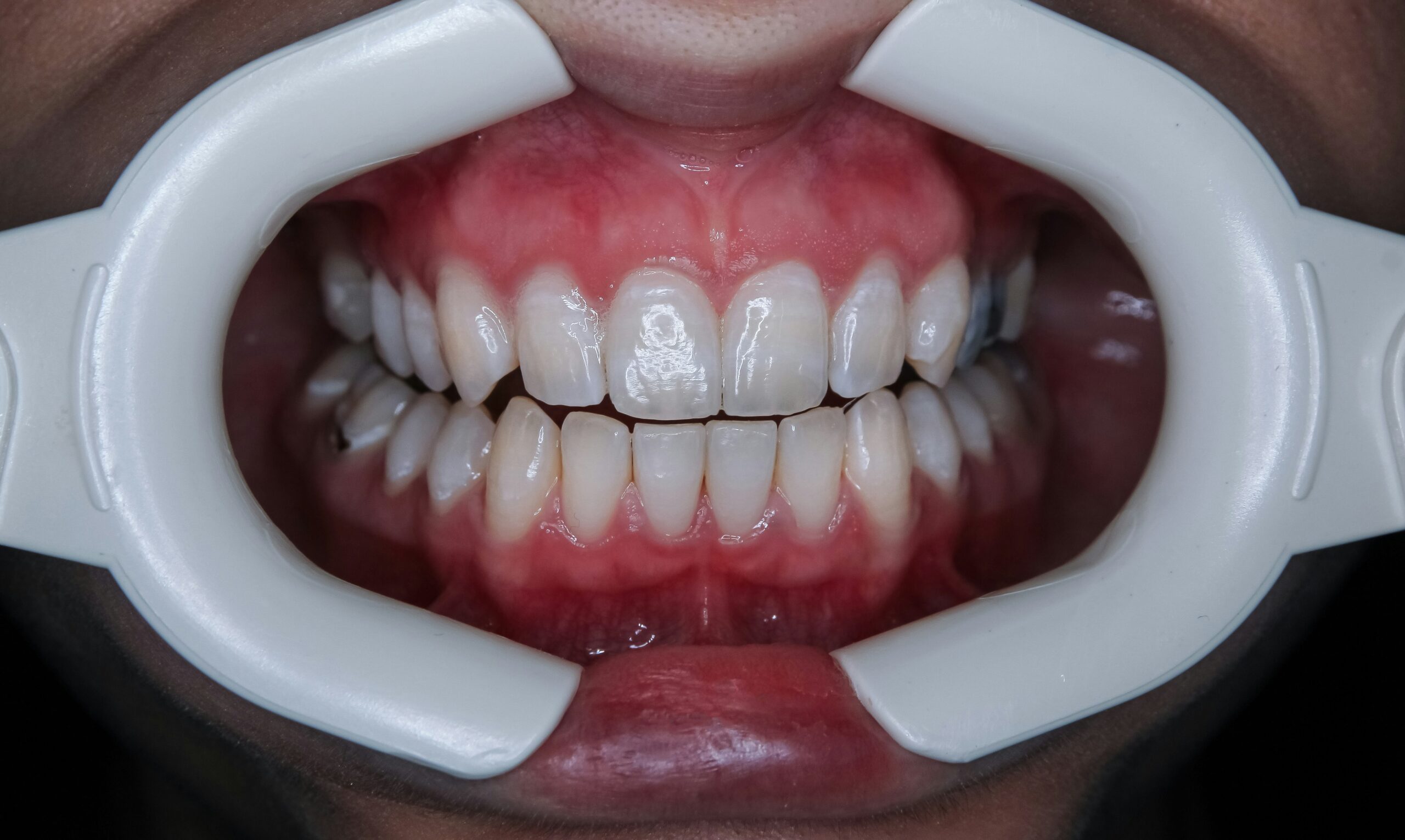
You’re likely aware of the standard advice: brush twice a day, floss once a day, and visit your dentist regularly. This routine is primarily aimed at preventing cavities and maintaining fresh breath. However, these practices are fundamental to a much more extensive and critical aspect of your oral health: the health of your gums and the bone that supports your teeth. When this foundation falters, a serious condition known as periodontitis can emerge, and with it, a concerning process called bone resorption. Understanding this link is not about alarmism; it’s about informed self-care and the preservation of your natural smile.
You might think of your teeth as independent entities, firmly anchored. In reality, they are deeply embedded within your jawbone, a robust structure of calcified tissue. This bone, often referred to as alveolar bone, forms the sockets that cradle each tooth’s root. The health of this bone is inextricably linked to the health of your gums and the surrounding periodontal tissues. These tissues – the gums, the periodontal ligament, and the cementum covering the tooth root – work in concert to keep your teeth stable and healthy.
The periodontal ligament, a complex network of fibers, not only anchors the tooth to the bone but also acts as a shock absorber and contains nerves and blood vessels that nourish the area. The gums, or gingiva, provide a protective barrier, preventing bacteria from accessing the deeper structures. Cementum is the outermost layer of the tooth root, providing a surface for the periodontal ligament fibers to attach. When this entire system is compromised, the bone itself becomes vulnerable.
The Role of Periodontal Tissues
Your gums, while seemingly simple, are vital for initiating the defense against oral pathogens. They are tightly bound to the underlying bone and tooth, creating a seal. This seal is broken when inflammation begins. The periodontal ligament, beyond its anchoring function, plays a crucial role in sensing pressure during chewing, allowing for appropriate muscle activation and jaw movement. Its health directly influences proprioception and the overall biomechanics of mastication. Cementum, although less visible, is a crucial interface, allowing for the precise attachment of ligament fibers to the tooth root, a highly specialized and critical form of tissue adhesion.
The Jawbone: More Than Just Support
The jawbone is not a static structure. It’s a dynamic tissue that undergoes constant remodeling. This process of resorption (breakdown) and apposition (formation) is essential for adapting to the forces of chewing, maintaining tooth alignment, and responding to physiological changes. In a healthy state, these processes are balanced. However, factors like inflammation, infection, and certain systemic conditions can disrupt this delicate equilibrium, leading to an imbalance that favors resorption, particularly in the context of periodontal disease.
Recent studies have highlighted the intricate relationship between periodontitis and systemic bone resorption, suggesting that periodontal disease may contribute to the deterioration of bone health beyond the oral cavity. For a deeper understanding of this connection, you can explore the article available at Freaky Science, which discusses the underlying mechanisms linking periodontal inflammation to systemic bone loss and its implications for overall health.
Periodontitis: An Inflammatory Cascade
Periodontitis is not a sudden affliction. It typically begins as gingivitis, a milder, reversible inflammation of the gums. In this initial stage, you might notice redness, swelling, and bleeding when brushing or flossing. If gingivitis is left untreated, the inflammation can progress deeper, involving the periodontal ligament and the alveolar bone. This is when periodontitis takes hold. The primary culprit behind this inflammation is a persistent bacterial infection.
The bacteria present in dental plaque, a sticky film that forms on your teeth, produce toxins. Your body’s immune system attempts to fight these toxins and bacteria. However, in periodontitis, this immune response becomes dysregulated. Instead of effectively eliminating the threat, it begins to damage the very tissues it’s trying to protect, including the bone. This immune-mediated destruction is a key factor in the link between periodontitis and bone resorption. It’s not just the bacteria directly attacking the bone; it’s your own body’s inflammatory response gone awry.
The Bacterial Invasion
Your mouth is teeming with bacteria, many of which are harmless or even beneficial. However, certain species, particularly those found in plaque, are opportunistic pathogens. When plaque is not removed effectively, these bacteria multiply. They adhere to the tooth surface and the surrounding tissues, forming biofilms – complex communities of bacteria embedded in a protective matrix. These biofilms are notoriously difficult to disrupt through simple brushing alone, especially in areas like the interdental spaces and along the gum line.
The Immune System’s Double-Edged Sword
When the immune system detects the presence of these pathogenic bacteria and their byproducts, it initiates an inflammatory response. This involves recruiting specialized immune cells, such as neutrophils and macrophages, to the site of infection. These cells release a barrage of inflammatory mediators, including cytokines and enzymes, which are designed to kill bacteria and clear debris. While this response is crucial for fighting infection, if the inflammation becomes chronic and unresolved, these same mediators can begin to break down the connective tissues of the periodontium, including the collagen fibers of the periodontal ligament and the bone matrix.
Cytokines and Enzymes: The Resorptive Agents
Specific cytokines, such as interleukin-1 (IL-1), tumor necrosis factor-alpha (TNF-α), and prostaglandins, play a critical role in stimulating osteoclasts. Osteoclasts are specialized cells whose primary function is to resorb bone. In the presence of chronic inflammation, the expression and activity of these cytokines are increased, leading to enhanced osteoclastogenesis (the formation of new osteoclasts) and increased osteoclastic bone resorption. Furthermore, enzymes released by inflammatory cells, such as matrix metalloproteinases (MMPs), can degrade the organic components of the bone matrix, further facilitating its breakdown.
Bone Resorption: The Silent Loss
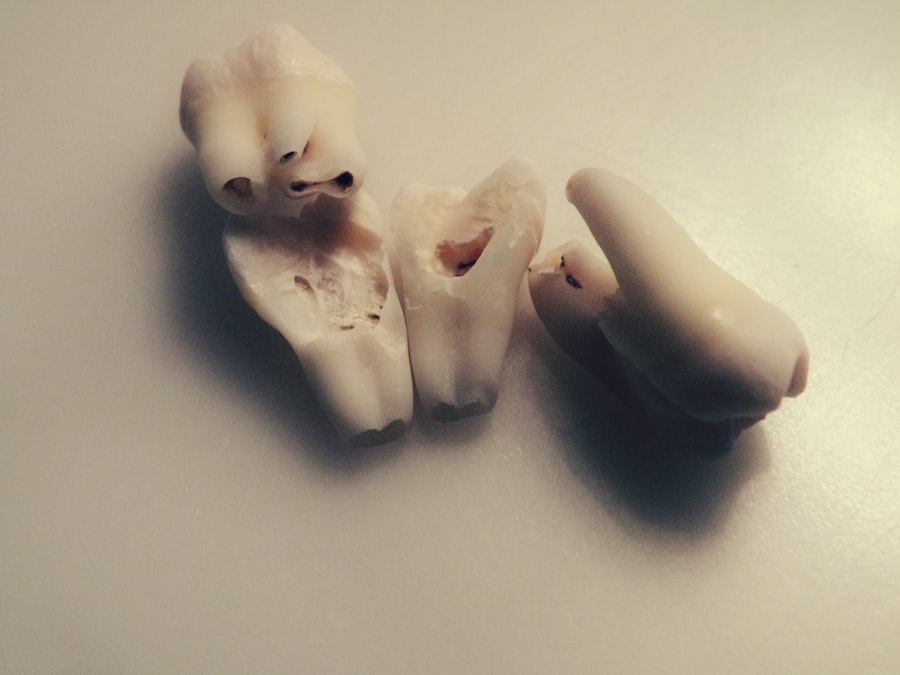
Bone resorption in the context of periodontitis is a gradual and often silent process. You typically won’t feel pain as the bone is lost. The initial signs are often subtle and easily overlooked, contributing to the danger of advanced disease. As the inflammation progresses and the immune response continues, the osteoclasts become more active, breaking down the alveolar bone that anchors your teeth. This process leads to a loss of support for the tooth.
Initially, you might notice the teeth becoming slightly looser. As more bone is lost, this looseness becomes more pronounced. You might also observe changes in your bite, as teeth start to shift or drift. In severe cases, bone resorption can lead to the eventual loss of teeth, even if the teeth themselves are not carious. The integrity of the entire tooth-supporting structure is compromised.
The Mechanisms of Osteoclast Activation
As mentioned, cytokines are key players in activating osteoclasts. Receptor activator of nuclear factor kappa-B ligand (RANKL) is a crucial molecule that binds to its receptor, RANK, on osteoclast precursors and mature osteoclasts. This binding is essential for their survival, differentiation, and activation. In periodontal disease, pro-inflammatory cytokines can upregulate the production of RANKL by cells like fibroblasts and osteoblasts. Conversely, osteoprotegerin (OPG) is a decoy receptor that can bind to RANKL, preventing it from activating RANK. The balance between RANKL and OPG is critical for regulating bone resorption. In periodontitis, the RANKL/OPG ratio often shifts towards increased bone resorption.
The Impact on Tooth Stability
The alveolar bone provides the mechanical stability for your teeth. When this bone is resorbed, the bony socket that cradles the tooth root becomes shallower and less supportive. This directly translates to increased tooth mobility. You might notice this when you chew, experience a slight wiggle, or even feel your teeth shift slightly. As bone loss progresses, the periodontal ligament, which used to be snugly surrounded by bone, has less to anchor to, leading to further instability and the potential for teeth to drift out of their original positions.
Radiographic Evidence: Detecting the Unseen
Since bone resorption is often asymptomatic in its early stages, dentists rely on radiographic imaging, such as X-rays, to detect it. These images allow clinicians to visualize the loss of bone height around the tooth roots. The extent of bone loss is a critical indicator of the severity of periodontitis and helps guide treatment decisions. Early detection through regular dental check-ups and timely X-rays is paramount.
The Consequences of Unchecked Bone Resorption

The consequences of unchecked bone resorption due to periodontitis extend beyond mere aesthetic concerns. The loss of bone integrity can lead to a cascade of problems that significantly impact your oral health and, in some cases, your overall well-being. When your teeth lose their bony foundation, their lifespan is inherently limited.
The most obvious consequence is tooth loss. While dental implants have become a viable solution for replacing lost teeth, they are not a perfect substitute for natural teeth and require their own set of maintenance. Furthermore, widespread tooth loss can affect your ability to chew effectively, leading to nutritional deficiencies and digestive issues. It can also impact your speech, affecting the clarity of your pronunciation.
Tooth Loss and Functional Impairment
Losing even a single tooth can have a ripple effect on your dental arch. Adjacent teeth may begin to drift into the empty space, altering your bite. This malocclusion can lead to increased stress on the remaining teeth, potentially accelerating further bone loss and wear. The inability to chew food properly can lead to changes in diet, favoring softer, often less nutritious foods, which can contribute to systemic health issues. The act of chewing also stimulates blood flow to the jawbone, and its absence can further compromise bone health.
Aesthetic and Psychological Impact
The loss of teeth can have a significant impact on your appearance and self-esteem. A full set of teeth contributes to facial structure and contours. Their absence can lead to a sunken appearance of the cheeks and lips, making you appear older. This can lead to social withdrawal, anxiety, and a general decrease in quality of life. The ability to smile confidently is often directly linked to the health and appearance of your teeth.
Systemic Health Connections
Emerging research continues to highlight the bidirectional relationship between periodontal disease and various systemic health conditions. The chronic inflammation associated with periodontitis can contribute to or exacerbate conditions such as diabetes, cardiovascular disease, respiratory infections, and adverse pregnancy outcomes. The bacteria present in the periodontal pockets can enter the bloodstream, potentially spreading inflammation and infection to other parts of the body. Bone loss, therefore, is not just an isolated oral health problem; it can be a marker of systemic compromise.
Recent studies have highlighted the intricate relationship between periodontitis and systemic bone resorption, suggesting that the inflammatory processes associated with gum disease may contribute to bone loss beyond the oral cavity. For further insights into this connection, you can explore a related article that delves into the mechanisms linking periodontal health and overall bone integrity. This information can be found in the article on Freaky Science, which discusses how managing periodontal disease may have broader implications for maintaining skeletal health.
Prevention and Management: Halting the Resorption Process
| Study | Findings |
|---|---|
| Research 1 | Association between periodontitis and systemic bone resorption |
| Research 2 | Evidence of increased bone resorption markers in patients with periodontitis |
| Research 3 | Impact of periodontal treatment on systemic bone resorption markers |
Fortunately, the link between periodontitis and bone resorption is not an irreversible sentence. Through diligent oral hygiene, regular professional care, and targeted treatments, you can effectively prevent the onset of periodontitis and, if it has already developed, halt or even reverse bone loss in some cases. The key lies in early detection and consistent management.
Effective Oral Hygiene Practices
The cornerstone of preventing periodontitis and subsequent bone resorption is meticulous daily oral hygiene. This involves brushing your teeth thoroughly for at least two minutes, twice a day, using a soft-bristled toothbrush and fluoride toothpaste. Pay particular attention to the gum line, where plaque tends to accumulate. Complementing brushing with daily flossing is essential for cleaning the interdental spaces, areas that toothbrushes cannot reach effectively. Your dentist or hygienist can demonstrate proper flossing techniques and recommend interdental brushes or other aids if needed.
The Importance of Professional Dental Care
Regular professional dental cleanings and examinations are non-negotiable. Your dental hygienist can remove hardened plaque (calculus or tartar) that you cannot remove with brushing and flossing alone. Calculus harbors bacteria and creates a rough surface for plaque to adhere to, perpetuating inflammation. During your check-ups, your dentist will assess your gum health, measure the depth of your gum pockets, and take X-rays to monitor for signs of bone loss. Early detection allows for timely intervention before significant bone is lost.
Treatment Options for Periodontitis
If periodontitis is diagnosed, your dentist or a periodontist (a specialist in gum diseases) will recommend a treatment plan. This typically begins with non-surgical therapy, which may include scaling and root planing. This procedure involves deeply cleaning the tooth roots to remove plaque and calculus below the gum line and smoothing the root surfaces to make it more difficult for bacteria to adhere. In more advanced cases, surgical interventions may be necessary to address deeper periodontal pockets, regenerate lost bone, or resect diseased gum tissue. Medications, such as antibiotics or antimicrobial mouth rinses, may also be prescribed as adjuncts to treatment.
The fight against periodontitis and bone resorption is ongoing. It requires a long-term commitment to your oral health. By understanding the intricate relationship between your gums, the supporting bone, and the bacterial challenges you face, you are empowered to take proactive steps. Your dentist is your most valuable ally in this endeavor, providing the professional expertise and guidance necessary to preserve your smile and the foundational bone that keeps it strong.
FAQs
What is periodontitis?
Periodontitis is a serious gum infection that damages the soft tissue and destroys the bone that supports your teeth. It can cause tooth loss and has been linked to systemic health issues.
What is systemic bone resorption?
Systemic bone resorption refers to the process of bone loss throughout the body, not just in the oral cavity. It can be caused by various factors, including periodontitis.
How are periodontitis and systemic bone resorption related?
Research has shown that there is a link between periodontitis and systemic bone resorption. The chronic inflammation associated with periodontitis can lead to an increase in bone resorption throughout the body.
What are the systemic health implications of periodontitis and systemic bone resorption?
Periodontitis and systemic bone resorption have been associated with an increased risk of systemic health issues such as cardiovascular disease, diabetes, and osteoporosis.
How can periodontitis and systemic bone resorption be prevented and treated?
Preventing and treating periodontitis involves good oral hygiene practices, regular dental check-ups, and professional cleanings. Systemic bone resorption may be managed through lifestyle changes, medication, and in some cases, surgical intervention.