
You are embarking on a journey into the intricate world of germ-free mice, specifically focusing on their bone immune profiles. This exploration delves into how the absence of a microbial community impacts the development and function of immune cells within the skeletal system. Your investigation will touch upon the fundamental differences between germ-free and conventionally colonized animals and the implications these differences hold for understanding bone health and disease.
Germ-free mice represent a unique biological model. They are conceived and raised under strictly sterile conditions, devoid of any microorganisms – bacteria, viruses, fungi, or protozoa. This absence is not a natural state; it requires meticulous laboratory techniques to maintain. Your understanding of these mice begins with recognizing the rigorous protocols that ensure their microbial purity.
Establishing the Sterile Environment
In Utero Derivation and Sterile Barrier Systems
Your exploration starts with the very origins of germ-free mice. They are typically derived via cesarean section under sterile conditions. The pups are then transferred to a germ-free isolator, a sealed container that prevents any microbial contamination from the external environment. These isolators utilize a combination of HEPA filtration for air inflow and outflow, and specialized gloves and ports for manipulation, creating an absolute barrier. Your awareness of this meticulous process is crucial to appreciating the unique biological state of these animals.
Nutrition and Environmental Control
Within the sterile environment, germ-free mice receive sterile food, water, and bedding. The diet is carefully formulated to provide all necessary nutrients without introducing any microbial load. Temperature, humidity, and light cycles are precisely controlled to maintain optimal living conditions. Your understanding here underscores that every aspect of their existence is designed to eliminate microbial influence.
Characterizing the Germ-Free Phenotype
Morphological and Physiological Deviations
The absence of microbes leads to observable differences in germ-free mice compared to their conventionally colonized counterparts. You will note variations in the development of their digestive tracts, such as a less developed Peyer’s patch system and a generally thinner intestinal wall. Furthermore, their immune system, as you will discover, is significantly underdeveloped in certain aspects. Your observation confirms that the microbiome plays a pivotal role in shaping physiology even outside the gut.
Behavioral and Metabolic Differences
While this article focuses on bone immunity, it’s worth noting that germ-free animals can also exhibit subtle behavioral and metabolic differences. These are less directly relevant to your current investigation but contribute to the overall understanding of the profound impact of the microbiome on host biology.
Recent studies have highlighted the intriguing immune profiles of germ-free mice, revealing how the absence of microbial exposure influences bone health and immune responses. For a deeper understanding of this topic, you can explore a related article that discusses the implications of these findings on overall health and disease resistance. To read more about this fascinating research, visit Freaky Science.
Unveiling the Unprimed Immune System: Germ-Free Bone Marrow
Your journey into bone immunity begins at the source: the bone marrow. This hematopoietic organ is responsible for generating all blood cells, including immune cells. In germ-free mice, the bone marrow presents a distinct immune landscape due to the lack of microbial stimulation.
Hematopoietic Stem Cell (HSC) Potency
Precursor Cell Populations
You will observe that the pool of hematopoietic stem cells and progenitor cells in germ-free mice is generally comparable to conventionally colonized animals. This suggests that the inherent capacity for blood cell production is largely intact. However, the differentiation pathways and the maturation of specific immune cell lineages are where the divergence becomes apparent, as you will soon see.
The Influence on Granulopoiesis and Erythropoiesis
While your primary focus is on immune cells, your broader understanding of bone marrow function allows you to consider that processes like granulopoiesis (production of granulocytes) and erythropoiesis (production of red blood cells) might also be subtly influenced by the absence of microbial cues, although this is often a secondary effect of the dysregulated immune system.
Immune Cell Lineage Development in Germ-Free Bone Marrow
Macrophage Development and Polarization
Your investigation will reveal significant alterations in the macrophage compartment. Macrophages, crucial phagocytic cells involved in immune surveillance and tissue remodeling, are derived from monocytes. You will find that germ-free mice exhibit different proportions and functional states of these cells within the bone marrow.
Monocyte Differentiation Pathways
You will note that the differentiation of monocytes into subsets of macrophages, particularly those involved in inflammatory responses, might be attenuated. This is because the continuous, low-level stimulation from commensal bacteria in conventional mice helps maintain these populations in a more activated state.
Macrophage Polarization Phenotypes
Your exploration will likely uncover shifts in macrophage polarization. While M1 (pro-inflammatory) and M2 (anti-inflammatory/tissue repair) are simplified classifications, you can expect to see a tendency towards a less inflammatory profile in germ-free resident bone marrow macrophages, lacking the triggers that would push them towards a more robust M1 phenotype.
Dendritic Cell (DC) Maturation and Function
Dendritic cells are critical antigen-presenting cells that bridge innate and adaptive immunity. You will find that the maturation and activation of DCs in germ-free bone marrow are also altered.
Immature DC Populations
Germ-free conditions may lead to an accumulation of immature or semi-mature DCs. These cells are less efficient at migrating to lymph nodes and presenting antigens to T cells, thus impacting the initiation of adaptive immune responses.
Antigen Presentation Capabilities
Your assessment will reveal that the capacity of germ-free DCs to effectively stimulate T cell responses is likely diminished due to their incomplete maturation and altered expression of co-stimulatory molecules.
Lymphoid Progenitor Populations
While the overall number of lymphoid progenitors might be maintained, the subsequent development of B cells and T cell precursors will be impacted by the absence of environmental signals.
B Cell Development and Maturation
You will investigate how the lack of microbial antigens influences B cell receptor repertoire selection and the overall maturation of B cell populations within the bone marrow.
T Cell Precursor Differentiation
Your understanding will extend to the early stages of T cell development, where you can assume that the absence of critical signaling molecules, often derived from the microbiome or immune cells activated by it, will affect their differentiation potential.
The Skeletal Immune Microenvironment: Osteoimmunology in a Sterile World
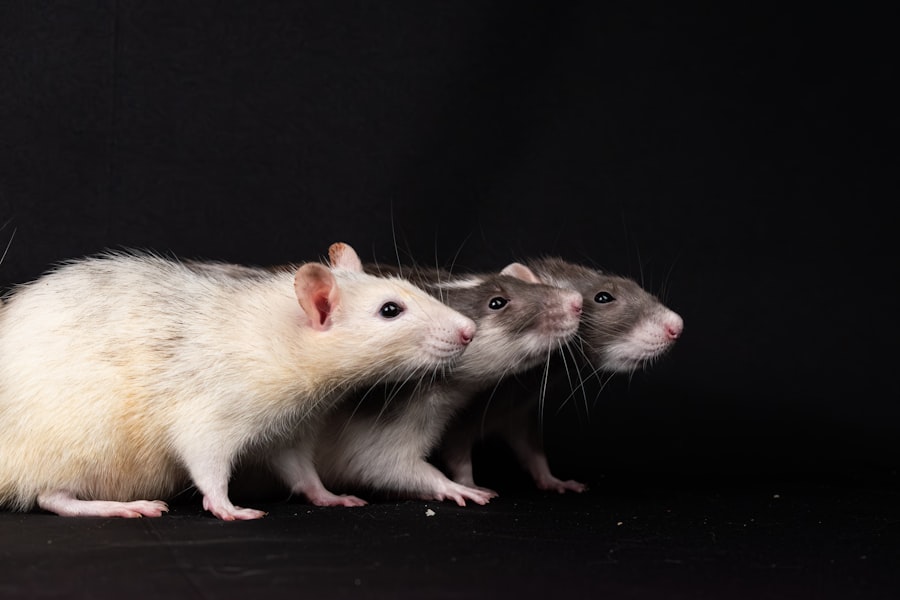
The interplay between the skeletal system and the immune system, known as osteoimmunology, is profoundly influenced by the presence or absence of microbes. Your focus now shifts to the specific cellular components within the bone itself that contribute to this interaction.
Osteoblast and Osteoclast Balance
Osteoblasts are responsible for bone formation, while osteoclasts are responsible for bone resorption. This delicate balance is crucial for maintaining bone integrity. You will observe how the immune system, particularly in the context of microbial presence or absence, significantly impacts this balance.
Osteoclastogenesis and Immune Cells
Your investigation will highlight the critical role of immune cells, especially macrophages and T cells, in regulating osteoclast formation.
Macrophage-Derived Factors (e.g., RANKL)
You will examine how macrophages, under different immunological conditions, produce key signaling molecules like Receptor Activator of Nuclear Factor kappa-B Ligand (RANKL). RANKL is essential for osteoclast differentiation. In germ-free mice, the reduced inflammatory tone might lead to altered RANKL expression, impacting osteoclastogenesis.
T Cell Cytokines and Osteoclast Activity
Furthermore, your analysis will consider the influence of T cell-derived cytokines, such as Interferon-gamma (IFN-γ) and Tumor Necrosis Factor-alpha (TNF-α). These cytokines can either promote or inhibit osteoclast activity. You can infer that a germ-free environment, with its dampened T cell responses, would have a different regulatory milieu for osteoclast function.
Osteoblast Differentiation and Immune Modulation
Osteoblasts are not merely passive builders; they also interact with immune cells. Your exploration will touch upon how immune cells can influence osteoblastogenesis.
Immune Cell-Derived Signals
You will consider whether the muted immune cell activity in germ-free mice impacts the production of factors that influence osteoblast differentiation and function, such as hormones or inflammatory mediators.
The Absence of Chronic Inflammation
Your understanding here is crucial: in the absence of microbial challenges, there is a lack of sustained inflammatory signals that, in conventionally colonized animals, can negatively impact osteoblastogenesis and contribute to bone loss. This absence in germ-free mice offers a unique perspective on bone formation in a non-inflammatory state.
Innate Immune Cells Within Bone Tissue
Beyond the bone marrow, resident innate immune cells reside within the bone matrix itself. Your investigation will explore these populations in germ-free mice.
Osteal Macrophages and Their Roles
You will find that the bone-lining macrophages, a critical component of the innate immune system within bone, exhibit distinct characteristics in germ-free animals.
Reduced Basal Activation State
Your observations will indicate a generally reduced basal activation state of these osteal macrophages. This stems from the absence of continuous microbial ligand stimulation, which would normally prime these cells.
Tissue-Specific Functions
You will consider how this reduced activation state might affect their roles in bone remodeling, pathogen sensing, and cytokine production within the bone microenvironment.
Mast Cells and Their Impact
Mast cells, known for their involvement in allergic responses and inflammation, are also found in bone. Your exploration will assess their development and potential function in germ-free settings.
Mast Cell Precursor Populations
You will examine whether the bone marrow harbors adequate precursor populations for mast cell development and if these precursors can successfully differentiate and reside within bone tissue in the absence of microbial stimuli.
Influence on Bone Remodeling
Your analysis will consider how the absence of mast cell activation, driven by inflammatory triggers absent in germ-free mice, might influence the process of bone remodeling and potentially impact the overall bone structure.
Adaptive Immunity Sculpted by Absence: T and B Cells in Germ-Free Bone

The adaptive immune system, comprising T lymphocytes and B lymphocytes, plays a sophisticated role in bone homeostasis and disease. Your investigation into germ-free mice will reveal how the absence of microbial priming shapes these crucial players within the skeletal context.
T Cell Populations and Functionality
Your focus on T cells will uncover modifications in their abundance, subtypes, and functional capabilities within the bone microenvironment of germ-free mice.
Naive vs. Memory T Cell Ratios
You will likely observe a significant skewing towards naive T cells. In conventionally colonized animals, chronic exposure to commensal microbes leads to the development of a substantial pool of memory T cells. The germ-free state, lacking these prolonged exposures, results in a relative paucity of memory T cells.
Regulatory T Cell (Treg) Populations
Your investigation will consider the role of regulatory T cells (Tregs), which are crucial for maintaining immune tolerance and preventing excessive inflammation.
Treg Homeostasis in Germ-Free Bone
You will assess whether Treg populations are maintained and function appropriately in the absence of microbial signals that can influence their development and suppressive capacity.
Impact on Autoimmunity Risk
Your understanding here is that a dysregulated Treg system can contribute to autoimmune diseases. The altered Treg landscape in germ-free mice offers insights into the microbiome’s role in protecting against such conditions.
Cytokine Production Profiles
The cytokine milieu produced by T cells is critical for bone remodeling and immune responses. Your analysis will characterize these profiles.
IFN-γ and IL-17 Production
You will examine the levels of key pro-inflammatory cytokines like IFN-γ (often associated with Th1 responses) and IL-17 (associated with Th17 responses). These cytokines have known roles in bone resorption. Your findings may indicate dampened production of these cytokines in germ-free mice, contributing to a less erosive bone environment in the absence of specific immune challenges.
Anti-inflammatory Cytokine Production
Conversely, you will also look for changes in the production of anti-inflammatory cytokines by T cells, which might be differentially regulated in the absence of microbial stimulation.
B Cell Development and Antibody Production
B cells are responsible for producing antibodies, which play roles in both defense and homeostasis. Your exploration will detail their status in germ-free bone.
Germinal Center Formation and its Absence
You will likely find a lack of robust germinal center formation in the germ-free state. Germinal centers are specialized microenvironments within secondary lymphoid organs where B cells undergo affinity maturation and somatic hypermutation in response to antigen. The absence of microbial antigens means there’s little to drive this process.
Antibody Isotype Distribution
Your investigation will assess the repertoire of antibody isotypes produced. You can expect a distinct pattern compared to conventionally colonized mice.
Immunoglobulin (Ig) Class Switching
You will consider how the lack of specific microbial antigens affects Ig class switching, the process by which B cells switch from producing IgM to other isotypes like IgG, IgA, and IgE.
Germ-Free Specific Antibody Signatures
Your findings may reveal unique antibody profiles in germ-free mice, often characterized by a dominance of certain isotypes or a lack of specific antigen-targeted antibodies, providing a baseline against which the impact of microbial colonization can be measured.
Recent studies have highlighted the intriguing immune profiles of germ-free mice, revealing significant insights into how the absence of microbes influences bone health and immune responses. For a deeper understanding of this topic, you can explore a related article that discusses the implications of these findings on overall health and disease susceptibility. This research underscores the complex relationship between the microbiome and the immune system, particularly in the context of bone integrity. To learn more, visit this informative article that delves into these fascinating connections.
Implications for Bone Health and Disease Research
| Immune Profile | Germ Free Mice |
|---|---|
| CD4+ T cells | Decreased |
| CD8+ T cells | Decreased |
| B cells | Decreased |
| Natural Killer cells | Decreased |
| Cytokine production | Altered |
Your comprehensive exploration of germ-free mouse bone immune profiles carries significant implications for understanding and treating a range of bone-related conditions.
Baseline for Studying Microbiome-Bone Axis
Establishing a Non-Inflammatory Baseline
Your findings establish a critical baseline for understanding the microbiome-bone axis. By studying conventionally colonized mice, you can then dissect how specific microbial species or their metabolites influence bone immunity and health, knowing the state of the system without these influences.
Identifying Microbiome-Dependent Factors
Your research will help identify specific immune cells or molecular pathways within the bone that are directly dependent on microbial signals for their development, function, or regulation. This is fundamental for targeted therapeutic interventions.
Insights into Osteoporosis Pathogenesis
Your investigation into the dampened inflammatory environment and altered immune cell profiles in germ-free mice offers clues about the pathogenesis of osteoporosis.
The Role of Chronic Inflammation
You will gain a deeper understanding of how chronic, low-grade inflammation, often driven by microbial dysbiosis or immune dysregulation in conventionally colonized individuals, contributes to bone loss. The germ-free state, being largely non-inflammatory, provides a stark contrast.
Therapeutic Strategies Targeting Immune Dysregulation
Your findings could pave the way for new therapeutic strategies for osteoporosis that focus on modulating immune cell activity within the bone microenvironment, potentially by mimicking the immunomodulatory effects observed in germ-free animals.
Understanding Inflammatory Bone Diseases
Your study will also shed light on inflammatory bone diseases, such as rheumatoid arthritis and periodontitis, where immune dysregulation plays a central role.
Immune Cell Involvement in Joint Inflammation
Your understanding of how immune cells in germ-free mice are less prone to pro-inflammatory activation can inform research into how immune cell recruitment and activation lead to joint destruction in inflammatory arthritis.
Microbial Triggers and Immune Responses
Your work will underscore the importance of identifying specific microbial triggers that initiate or exacerbate inflammatory bone diseases. By comparing germ-free to colonized models, you can pinpoint microbial influences on immune cell responses within bone.
Future Directions and Translational Potential
Your exploration of germ-free mouse bone immune profiles is not an endpoint but a gateway to future research and potential clinical applications.
Targeted Microbiome Interventions
Your work could lead to the development of targeted microbiome interventions, such as prebiotics, probiotics, or fecal microbiota transplantation, aimed at restoring immune homeostasis within the bone and preventing or treating bone diseases.
Novel Immunomodulatory Therapies
Furthermore, your research might reveal novel targets for immunomodulatory therapies that can precisely dampen specific immune pathways contributing to bone pathology, drawing inspiration from the unique immune landscape of germ-free animals.
FAQs
What are germ-free mice?
Germ-free mice are mice that are completely devoid of microorganisms, including bacteria, viruses, and fungi. They are raised in a sterile environment and are used in research to study the effects of a lack of microbial exposure on various biological processes.
How do germ-free mice bone immune profiles differ from conventional mice?
Research has shown that germ-free mice have altered immune profiles in their bones compared to conventional mice. Specifically, germ-free mice have reduced numbers of certain immune cells in their bone marrow, as well as differences in the expression of genes related to immune function.
What implications does the study of germ-free mice bone immune profiles have for human health?
Studying the immune profiles of germ-free mice can provide valuable insights into the role of the microbiome in shaping the immune system. This research may have implications for understanding and treating immune-related diseases in humans, as well as for developing strategies to modulate the immune system.
What are the potential limitations of using germ-free mice in research?
While germ-free mice offer a valuable model for studying the effects of microbial colonization on the immune system, it’s important to note that their lack of exposure to microorganisms may not fully reflect the complexity of the human microbiome. Additionally, the sterile conditions in which germ-free mice are raised can impact their physiology in ways that may not be representative of natural conditions.
What are some potential future research directions in the study of germ-free mice bone immune profiles?
Future research in this area may focus on further elucidating the specific mechanisms by which microbial colonization influences immune profiles in the bone marrow of mice. Additionally, researchers may explore the potential therapeutic applications of manipulating the microbiome to modulate immune function in both mice and humans.