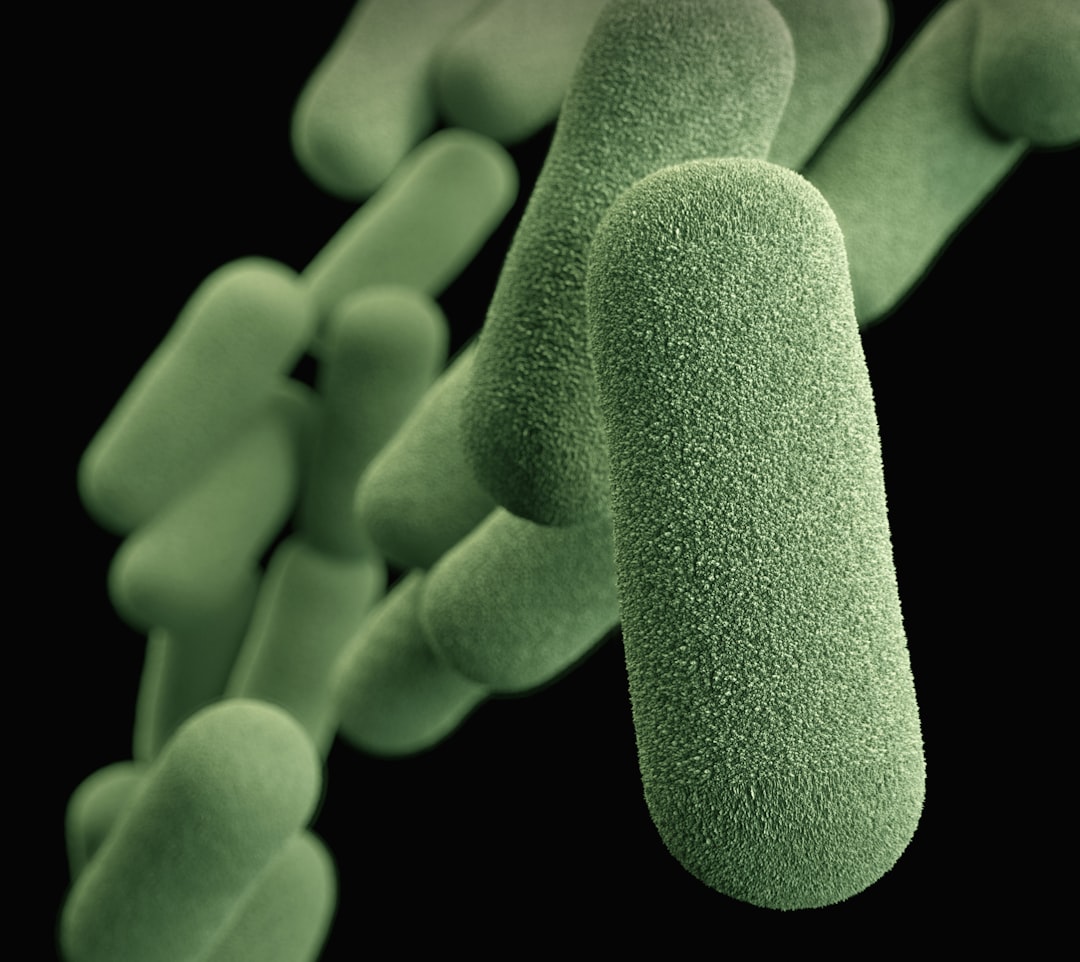
You’ve always been told your bones are inert, passive structures providing a framework for your body. For a long time, this was the prevailing scientific understanding. But recent discoveries are challenging this view, revealing a hidden world within your seemingly solid bone tissue: a dynamic community of resident bacteria. It’s a concept that might initially raise eyebrows, perhaps even a sense of unease, but understanding this microscopic ecosystem is crucial to grasping the full picture of your skeletal health.
For decades, bone was considered sterile. The prevailing dogma was that the harsh environment within bone – with its dense mineral matrix and limited blood supply – was inhospitable to microbial life. If bacteria were found in bone, it was almost exclusively in cases of infection or severe disease. This perspective, however, was based on methodologies that relied on culturing techniques, which have inherent limitations. Many bacteria do not readily grow in standard laboratory conditions, meaning they were effectively invisible to earlier forms of detection.
The Limitations of Traditional Culture Methods
You might have encountered culture plates in science classes, where swabs are streaked with samples and incubated to see what grows. This is the essence of culture-dependent microbiology. While invaluable for identifying common pathogens, this method inadvertently filtered out a significant portion of the microbial world. Bacteria that require specific, often unmet, nutrient conditions, or those that are obligate anaerobes (unable to survive in the presence of oxygen), or even those that don’t form colonies easily, would simply fail to appear. Imagine trying to understand a vast forest by only looking at the trees that produce readily harvestable fruit – you’d miss the undergrowth, the fungi, the insects, and countless other life forms.
Embracing Culture-Independent Techniques
The advent of molecular techniques, particularly those based on DNA sequencing, revolutionized microbiology. You’ve likely heard of PCR (Polymerase Chain Reaction) or next-generation sequencing. These methods allow scientists to directly extract and analyze the genetic material (DNA or RNA) of all organisms present in a sample, regardless of whether they can be cultured. By identifying specific genetic markers, such as the 16S ribosomal RNA gene in bacteria, researchers can gain a comprehensive census of the microbial community. This is akin to taking a photograph of the entire forest, capturing every single organism, not just the fruit-bearing trees. Applying these techniques to bone tissue has yielded startling results, revealing that bone is anything but sterile.
Defining “Resident” vs. “Transient” Bacteria
A key distinction you need to make is between bacteria that are truly residents of your bone and those that are merely passing through. “Resident” implies a stable, persistent presence, likely with some form of interaction or adaptation to the bone environment. “Transient” suggests a temporary presence, perhaps introduced through the bloodstream or during surgical procedures, without establishing a long-term foothold. The challenge in the field has been to definitively delineate these two categories. Early studies, using the new molecular tools, identified diverse bacterial DNA in bone samples, leading to questions about whether these were true inhabitants or contaminants.
Recent studies have highlighted the intriguing role of resident bacteria in healthy human bone, suggesting that these microorganisms may contribute to bone health and regeneration. For a deeper understanding of this fascinating topic, you can explore the article available at Freaky Science, which delves into the complex interactions between the human microbiome and skeletal health.
The Genesis of the Bone Microbiome: How Do Bacteria Get There?
The question of how bacteria colonize your bone is central to understanding their role. If bone was always considered sterile, its colonization implies a pathway, a means of entry. Scientists have proposed several plausible routes for bacteria to establish themselves within your skeletal system.
Hematogenous Seeding: The Bloodstream Pathway
One of the most widely accepted theories is that of hematogenous seeding. This means bacteria travel through your bloodstream. You understand that your blood circulates throughout your entire body, carrying nutrients, oxygen, and immune cells. However, it also acts as a highway for microorganisms. Bacteria can enter the bloodstream from various sources: your gut, your oral cavity, or even minor injuries on your skin. Once in the circulation, these bacteria can lodge in the bone’s rich vascular network, particularly in areas with developing bone tissue or where there might be minor damage.
Subtleties of Bloodstream Colonization
It’s not a simple case of a few bacteria entering and immediately taking up residence. The success of hematogenous seeding likely depends on several factors. The sheer number of bacteria, their virulence, and importantly, the state of your immune system all play a role. A robust immune system can typically clear most invading microbes before they can establish themselves. However, in certain circumstances, or with specific bacterial species, this clearance might be incomplete, allowing a small population to persist.
Bone Marrow as a Reservoir
Your bone marrow, the spongy tissue inside your bones, is highly vascularized and rich in nutrients. This makes it an attractive environment for bacteria that manage to enter the bloodstream. It’s a prime location for them to potentially establish a persistent, low-level presence.
Direct Introduction: Trauma and Surgical Procedures
Beyond the bloodstream, direct introduction of bacteria into bone is a significant consideration. You can readily imagine how a deep puncture wound, especially one that penetrates bone, could introduce environmental bacteria directly into the tissue. Similarly, orthopedic surgeries, which involve drilling, cutting, and implanting materials into bone, create an obvious pathway for microbial contamination.
The Risk of Implant-Associated Infections
The presence of orthopedic implants – such as joint replacements or plates and screws used to fix fractures – significantly increases the risk of bacterial colonization. These foreign bodies can generate microscopic irregularities that bacteria can adhere to, forming biofilms – protective communities of bacteria encased in a slimy matrix. Biofilms are notoriously difficult for antibiotics and the immune system to penetrate, making implant-associated infections a persistent clinical challenge.
Microfractures and Dental Procedures
Even seemingly minor events like microfractures in bone, which can occur with repetitive stress or aging, could provide havens for bacteria. Furthermore, procedures involving the oral cavity, such as dental work, have been implicated as a source of bacteria that can enter the bloodstream and potentially seed the bone.
The Role of the Periosteum
The periosteum, the outer membrane that covers your bones, is richly supplied with blood vessels and nerves. It also plays a crucial role in bone growth and repair. It’s plausible that bacteria could access the bone through the periosteum, either from an overlying soft tissue infection or through micro-channels within this membrane.
The Resident Bacteria: Who Are They and What Do They Do?
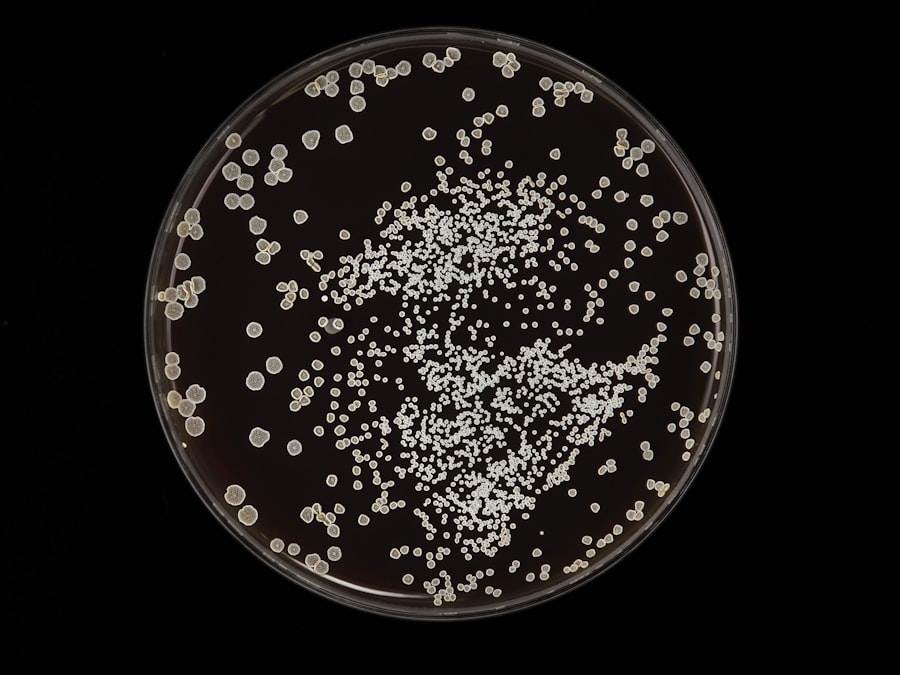
The identification of specific bacterial species within healthy bone has been a key focus of research. Initially, the findings were a surprise, revealing a more diverse and complex community than anyone anticipated.
Predominant Bacterial Phyla Found in Bone
Studies employing culture-independent methods have consistently identified several dominant bacterial phyla in healthy bone. The Actinobacteria, Firmicutes, and Proteobacteria are frequently reported. Within these phyla, specific genera and species have been recurrently detected.
Actinobacteria: A Common Presence
The Actinobacteria are a diverse group of Gram-positive bacteria. Within the bone microbiome, genera like Arthrobacter and Corynebacterium have been frequently identified. These bacteria are often found in soil and on skin, suggesting potential routes of entry. Their role in bone is still being elucidated, but some species are known for their metabolic versatility.
Firmicutes: Diverse Roles
The Firmicutes phylum encompasses a wide range of bacteria, including common gut inhabitants like Lactobacillus and Clostridium species, as well as skin commensals like Staphylococcus. The presence of these in bone raises questions about their origin and function. Some Firmicutes are known for their ability to break down complex carbohydrates, which could potentially be relevant in a bone environment.
Proteobacteria: A Varied Group
The Proteobacteria are a large phylum that includes a vast array of bacteria, both beneficial and pathogenic. In bone, genera such as Pseudomonas and Ralstonia have been identified. Some species within this phylum are involved in nutrient cycling in various environments, and it’s possible they play similar roles within the bone.
Low Abundance and Undetermined Significance
It’s important to note that the number of bacteria detected in healthy bone is generally very low compared to, say, your gut microbiome. This low abundance has contributed to the initial debate about whether these are true residents or simply transient contaminants. The precise significance of these low-level bacterial populations remains an active area of investigation.
The “Shadow Microbiome” Concept
Some researchers have referred to this as a “shadow microbiome” – a community that exists below the detection limits of many traditional methods and whose functions are largely unknown. Understanding this shadow microbiome requires highly sensitive techniques and careful experimental design to differentiate true residents from incidental findings.
Potential for Metabolic Contribution
While their numbers are low, it’s conceivable that these resident bacteria could contribute to local metabolic processes within the bone. They might be involved in the remodeling of the bone matrix, the metabolism of bone-derived products, or even in modulating the immune response.
Evidence of Adaptation to the Bone Environment
The fact that certain bacteria are consistently found in bone, even at low levels, suggests an adaptation to this specific environment. This adaptation could involve mechanisms for surviving within the mineralized matrix, obtaining nutrients from bone components, or evading the host immune system.
Biofilm Formation in Healthy Bone?
While biofilms are strongly associated with bone infections and orthopedic implants, there is emerging evidence suggesting that even in healthy bone, bacteria might exist in organized structures, perhaps forming micro-biofilms. These structures could provide a degree of protection and facilitate nutrient exchange.
Interaction with Osteocytes and Osteoblasts
Osteocytes are bone cells embedded within the bone matrix, and osteoblasts are responsible for bone formation. It’s hypothesized that resident bacteria might interact with these bone cells, influencing their function. These interactions could be subtle, involving signaling molecules or metabolic byproducts, and are largely uncharacterized.
The Functional Implications: What Role Do These Bacteria Play?
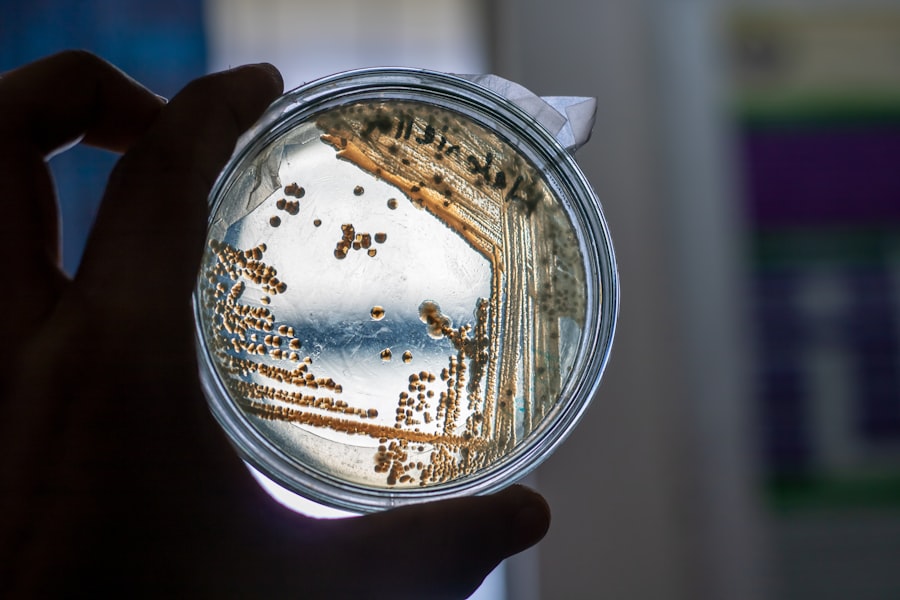
The presence of bacteria in your bone raises a pivotal question: are they harmless bystanders, or do they actively contribute to bone health or disease? The current understanding leans towards a nuanced role, with potential benefits and risks depending on the bacterial species and the host’s physiological state.
Potential Contributions to Bone Homeostasis
One of the most intriguing possibilities is that resident bone bacteria play a role in maintaining bone homeostasis – the stable internal environment necessary for healthy bone.
Modulating Bone Remodeling
Bone is a dynamic tissue, constantly undergoing a process of remodeling where old bone is resorbed and new bone is formed. This process is tightly regulated by cells like osteoclasts (bone-resorbing) and osteoblasts (bone-forming). Some studies suggest that commensal bacteria, even at low levels, could influence the activity of these cells, potentially contributing to the balance of bone resorption and formation.
Osteoclast and Osteoblast Crosstalk
The complex communication between osteoclasts and osteoblasts, known as osteoblast-osteoclast crosstalk, is crucial for healthy bone. It’s conceivable that resident bacteria, through the production of specific metabolites or signaling molecules, could influence this crosstalk, either promoting or hindering bone remodeling.
Influence on Bone Mineral Density
If resident bacteria can subtly influence bone remodeling, it’s plausible they could have an impact on bone mineral density over time. However, the direction and magnitude of this potential impact are still largely unknown.
Immune System Priming and Regulation
Your immune system is constantly interacting with the bacteria present in and on your body. The presence of a discreet bacterial community within your bone might contribute to the local immune environment. Think of it as a low-level, ongoing “training exercise” for your immune cells, keeping them vigilant without causing overt inflammation.
Tolerance and Inflammation Control
The immune system needs to strike a delicate balance between fighting off harmful pathogens and tolerating commensal bacteria. Resident bone bacteria might contribute to this tolerance, preventing unnecessary inflammatory responses that could damage bone tissue.
Bridging Innate and Adaptive Immunity
These bacteria could also potentially act as a bridge, influencing both the innate immune system (your body’s immediate, non-specific defense) and the adaptive immune system (the more targeted and learned defense).
Association with Bone Diseases: A Controversial Link
While the focus is often on healthy bone, the discovery of resident bacteria has inevitably led to speculation about their role in bone pathologies.
Osteoporosis and Fractures
There’s an ongoing debate about whether the bone microbiome could be implicated in conditions like osteoporosis, where bones become weak and brittle, increasing fracture risk. Could an altered bone microbiome contribute to excessive bone resorption or impaired bone formation?
Gut-Bone Axis and Microbiome Dysbiosis
The concept of the “gut-bone axis” suggests a bidirectional communication between the gut microbiome and bone health. If the gut microbiome is imbalanced (dysbiotic), it could lead to systemic inflammation and alterations in bone metabolism. It’s theorized that this dysbiosis could also impact the bone microbiome itself, further influencing bone health.
Osteoarthritis and Rheumatoid Arthritis
Conditions like osteoarthritis (wear and tear of joints) and rheumatoid arthritis (an autoimmune disease causing joint inflammation) involve bone and cartilage degradation. Some research suggests that changes in the local microbiome, including potentially within the bone itself, might play a role in the initiation or progression of these diseases.
Local Inflammation and Pro-inflammatory Bacteria
In disease states, the balance might shift, with an increase in pro-inflammatory bacteria or a decrease in beneficial ones, exacerbating inflammation and tissue damage within the bone and surrounding joint.
Implant Infections and Osteomyelitis
This is a more direct and clinically relevant link. While not strictly about “healthy” bone, the presence of resident bacteria at a low level might predispose an area to infection if additional bacteria are introduced, especially in the context of compromised immunity or surgical intervention. Osteomyelitis is a serious bone infection, and understanding the baseline microbial presence could be crucial in its prevention and treatment.
Recent studies have shed light on the intriguing role of resident bacteria in healthy human bone, suggesting that these microorganisms may contribute to bone health and maintenance. For a deeper understanding of this fascinating topic, you can explore an insightful article that discusses the complex relationship between our microbiome and skeletal health. This article highlights how these bacteria might influence bone density and overall well-being, making it a valuable read for anyone interested in the intersection of microbiology and human health. To learn more, visit this article.
Challenges and Future Directions in Bone Microbiome Research
| Study | Location | Findings |
|---|---|---|
| Study 1 | Bone marrow | Identified diverse resident bacterial communities in healthy human bone marrow |
| Study 2 | Bone tissue | Found evidence of resident bacteria in healthy human bone tissue using advanced sequencing techniques |
| Study 3 | Joint cavities | Reported the presence of resident bacteria in healthy human joint cavities, suggesting a potential role in bone health |
Despite the exciting discoveries, the study of the resident bone microbiome is still in its nascent stages. Significant challenges remain in fully characterizing this complex ecosystem and understanding its true implications for your health.
Standardization of Sampling and Analysis
One of the major hurdles has been the lack of standardized protocols for sample collection and analysis. Because bone is highly susceptible to contamination during surgery or even post-mortem, ensuring the integrity of the samples is paramount. Different extraction methods, DNA sequencing platforms, and bioinformatics pipelines can lead to variations in results, making it difficult to compare findings across studies.
Minimizing Contamination During Sampling
Developing stringent protocols to minimize contamination is essential. This includes careful sterilization of surgical instruments, meticulous tissue handling, and the use of rigorous negative controls to ensure that detected bacteria are not from the environment or the laboratory.
Consistent Bioinformatics Analysis
Establishing standardized bioinformatics pipelines for processing sequencing data is also crucial for reproducible results. This involves consistent methods for quality control, sequence alignment, and taxonomic assignment.
Distinguishing True Residents from Transient Bacteria
As mentioned earlier, definitively separating true resident bacteria from transient contaminants remains a significant challenge. The very low abundance of these bacteria makes it difficult to distinguish their persistent presence from occasional influxes.
Longitudinal Studies
Performing longitudinal studies on the same individuals over time could provide valuable insights. Observing the persistence or fluctuation of specific bacterial populations in bone could help identify true residents.
Experimental Colonization Models
Developing reliable animal models that can mimic human bone colonization is another avenue. These models would allow researchers to experimentally introduce specific bacteria and track their long-term presence and interaction with bone tissue.
Elucidating the Functional Significance
The “what” (which bacteria are there) is slowly being answered, but the “why” and “how” (what do they do) are still largely unknown. A key future direction is to understand the functional roles of these resident bacteria.
Metagenomics and Metatranscriptomics
Moving beyond just identifying genes (metagenomics), researchers are increasingly using metagenomics (studying all the RNA present, reflecting gene activity) to see which genes are being expressed by the bacteria in bone. This can provide clues about their metabolic activities and interactions.
Functional Assays and Co-culture Studies
In vitro studies, where bone cells are cultured with identified resident bacteria, can help investigate direct interactions. This includes studying the production of metabolites, signaling molecules, and the impact on bone cell function.
Clinical Translation and Therapeutic Implications
Ultimately, the goal of understanding the bone microbiome is to translate this knowledge into clinical applications.
Diagnostic Biomarkers
Could the composition of the bone microbiome serve as a diagnostic biomarker for certain bone diseases? Detecting specific bacterial signatures might help predict or diagnose conditions like osteoporosis or implant failure.
Therapeutic Interventions
Could manipulating the bone microbiome be a future therapeutic strategy? This could involve introducing beneficial bacteria (probiotics for bone) or developing targeted interventions to remove detrimental ones. For example, understanding the mechanisms by which commensal bacteria promote bone health could lead to the development of new drugs that mimic these effects.
You stand at the cusp of a new understanding of your skeletal system. The notion of sterile bone is being replaced by the realization that it harbors a dynamic and potentially influential microbial community. While much remains to be discovered, the ongoing research into your resident bone bacteria promises to unlock new insights into bone health, disease, and perhaps even novel therapeutic approaches for the future. This hidden ecosystem within you is far more complex and interactive than you might have ever imagined.
FAQs
What is resident bacteria in healthy human bone?
Resident bacteria in healthy human bone refers to the presence of a diverse community of bacteria that reside within the bone tissue of a healthy individual. These bacteria are believed to play a role in maintaining bone health and homeostasis.
How does resident bacteria in healthy human bone contribute to overall health?
The resident bacteria in healthy human bone are thought to contribute to overall health by influencing bone metabolism, immune function, and potentially protecting against pathogenic bacteria. They may also play a role in modulating the body’s inflammatory response.
What are the potential implications of resident bacteria in healthy human bone for medical research and treatment?
The presence of resident bacteria in healthy human bone has implications for medical research and treatment, as it may lead to a better understanding of bone diseases, such as osteoporosis and osteomyelitis. It may also open up new avenues for developing treatments that target the bone microbiome to improve bone health.
How is the resident bacteria in healthy human bone studied?
Researchers study the resident bacteria in healthy human bone using advanced techniques such as DNA sequencing and metagenomic analysis to identify and characterize the bacterial communities present in bone tissue. This allows for a better understanding of the composition and function of the bone microbiome.
What are the factors that influence the composition of resident bacteria in healthy human bone?
The composition of resident bacteria in healthy human bone is influenced by various factors, including genetics, diet, age, and environmental exposures. Additionally, factors such as hormonal changes and immune function may also impact the bone microbiome.