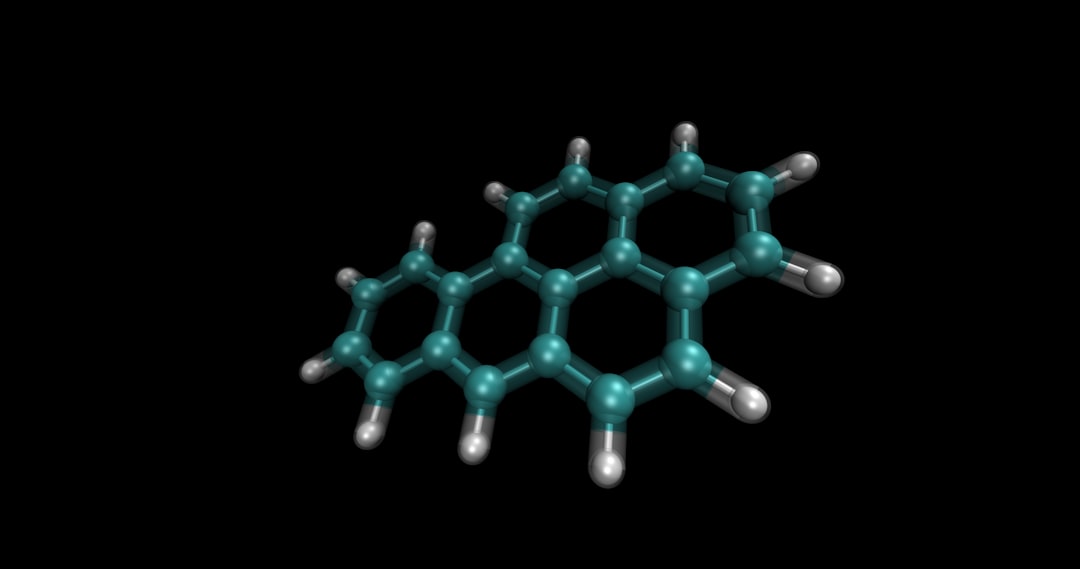
Oxidative stress, a physiological imbalance between the production of reactive oxygen species (ROS) and the capacity of biological systems to detoxify reactive intermediates, has been implicated in the pathogenesis of a wide array of chronic diseases. These include cardiovascular disease, neurodegenerative disorders, metabolic syndrome, and cancer. The relentless accumulation of cellular damage stemming from oxidative stress can lead to impaired cellular function, DNA mutations, protein modification, and lipid peroxidation. Consequently, reliable methods for assessing oxidative stress are crucial for early diagnosis, disease monitoring, and the evaluation of therapeutic interventions. Among the various biomarkers proposed, urinary 8-hydroxy-2′-deoxyguanosine (8-OHdG) has emerged as a prominent and widely studied marker of DNA damage, specifically reflecting oxidative modifications to guanine bases.
Understanding Oxidative Stress
Before delving into the specifics of urinary 8-OHdG, it is essential to establish a foundational understanding of oxidative stress and its mechanisms.
The Nature of Reactive Oxygen Species (ROS)
Reactive oxygen species encompass a group of molecules that contain oxygen and are highly reactive due to unpaired electrons. These include free radicals like superoxide anion (O₂⁻•), hydroxyl radical (•OH), and peroxyl radicals (ROO•), as well as non-radical oxidants such as hydrogen peroxide (H₂O₂) and ozone (O₃). ROS can be generated both endogenously through normal metabolic processes and exogenously through environmental exposures.
Endogenous Sources of ROS
- Mitochondrial Electron Transport Chain (ETC): The primary site of cellular respiration, the ETC, is also a major source of ROS. During ATP production, electrons can leak from the ETC, particularly at complexes I and III, leading to the formation of superoxide radicals.
- Enzyme Activity: Various enzymes, including NADPH oxidases (NOX) and xanthine oxidase, actively produce ROS as part of their physiological functions or in response to stimuli. NOX enzymes, for instance, play significant roles in immune responses and cellular signaling.
- Inflammation: Inflammatory processes trigger the activation of immune cells, such as neutrophils and macrophages, which employ ROS as a weapon to eliminate pathogens. This process, while protective, can also lead to collateral damage to host tissues.
Exogenous Sources of ROS
- Environmental Pollutants: Exposure to air pollutants, heavy metals, and pesticides can induce oxidative stress.
- Radiation: Ionizing radiation (e.g., X-rays, gamma rays) and ultraviolet (UV) radiation are potent generators of ROS.
- Lifestyle Factors: Cigarette smoking, excessive alcohol consumption, and poor dietary choices can contribute to an increased burden of ROS.
- Certain Medications: Some pharmacological agents, while beneficial for treatment, can have oxidative side effects.
Cellular Defense Mechanisms Against Oxidative Stress
The human body possesses a sophisticated network of antioxidant defense systems to counteract the damaging effects of ROS. These defenses can be broadly categorized into enzymatic and non-enzymatic antioxidants.
Enzymatic Antioxidants
- Superoxide Dismutase (SOD): Converts superoxide radicals into hydrogen peroxide, which is subsequently detoxified.
- Catalase (CAT): Decomposes hydrogen peroxide into water and oxygen.
- Glutathione Peroxidase (GPx): Reduces hydrogen peroxide and lipid hydroperoxides using glutathione as a reducing agent.
- Glutathione Reductase (GR): Regenerates reduced glutathione from its oxidized form, maintaining the pool of this crucial intracellular antioxidant.
Non-Enzymatic Antioxidants
- Vitamins: Ascorbic acid (Vitamin C) and tocopherols (Vitamin E) are potent lipid-soluble and water-soluble antioxidants, respectively, capable of scavenging free radicals.
- Minerals: Selenium is a component of GPx, and zinc is important for the activity of SOD.
- Phytochemicals: Many plant-derived compounds, such as flavonoids and polyphenols found in fruits and vegetables, exhibit antioxidant properties.
- Glutathione (GSH): A tripeptide that directly scavenges ROS and serves as a substrate for GPx.
Consequences of Oxidative Damage
When the production of ROS overwhelms the capacity of antioxidant defenses, a state of oxidative stress ensues, leading to damage at the molecular level.
DNA Damage
DNA, with its purine bases, particularly guanine, is susceptible to oxidative attack. The hydroxyl radical (•OH) is a particularly potent mutagenic species that readily attacks guanine, forming 8-oxo-7,8-dihydroguanine (8-oxoG). This oxidized base can mispair with adenine during DNA replication, leading to G-to-T transversions, a common type of mutation.
Protein Damage
Oxidation of amino acid residues in proteins can alter their structure and function. This can manifest as impaired enzyme activity, protein aggregation, and increased susceptibility to degradation.
Lipid Peroxidation
Cellular membranes, rich in polyunsaturated fatty acids, are prime targets for ROS. Lipid peroxidation leads to the formation of reactive aldehydes, such as malondialdehyde (MDA) and 4-hydroxynonenal (4-HNE), which are cytotoxic and can propagate further oxidative damage.
Recent studies have highlighted the significance of oxidative stress markers, particularly 8-hydroxydeoxyguanosine (8-OHdG), in urine as potential indicators of cellular damage and disease progression. For a deeper understanding of this topic, you can explore a related article that discusses the implications of 8-OHdG levels in various health conditions and their relevance in clinical diagnostics. To read more, visit Freaky Science.
Urinary 8-OHdG: A Biomarker of Oxidative DNA Damage
The assessment of oxidative stress is often achieved through the measurement of specific biomarkers that reflect cellular damage. Urinary 8-OHdG has gained considerable traction as a non-invasive marker.
Formation and Excretion of 8-OHdG
8-OHdG is a direct product of oxidative damage to guanine residues within DNA. The hydroxyl radical is the primary culprit in this oxidative process.
Mechanisms of 8-OHdG Formation
- Direct Oxidation of Guanine: Reactive oxygen species, particularly the hydroxyl radical, can directly attack the C8 position of the guanine ring, converting it to 8-oxo-7,8-dihydroguanine (8-oxoG).
Repair of 8-oxoG and Excretion of 8-OHdG
The cellular machinery possesses specific DNA repair pathways to address oxidized bases. One of the most important is the Base Excision Repair (BER) pathway.
- Base Excision Repair (BER): Enzymes like 8-oxoguanine DNA glycosylase (OGG1) recognize and excise 8-oxoG from the DNA strand.
- Generation of Urinary 8-OHdG: While 8-oxoG can also be released directly from DNA as a breakdown product, the primary source of urinary 8-OHdG is more complex. It is thought to arise from the repair process itself, where 8-oxoG is excised by OGG1 or other glycosylases. Once excised, the resulting abasic site is further processed, and the oxidized guanine nucleoside, 8-OHdG, can be released into the circulation and subsequently filtered by the kidneys for excretion in urine. Some evidence also suggests that 8-OHdG can be formed from free guanine in the nucleotide pool or from circulating oxidized DNA fragments.
Urinary Excretion Pathway
- Renal Filtration: 8-OHdG, being a relatively small molecule, is filtered by the glomeruli in the kidneys.
- Limited Tubular Reabsorption: While some reabsorption might occur in the renal tubules, a significant portion of the filtered 8-OHdG is excreted in the urine.
- Variability in Excretion: Factors such as hydration status, glomerular filtration rate, and specific transporters in the renal tubules can influence the urinary concentration of 8-OHdG.
Methodologies for Measuring Urinary 8-OHdG
The reliable quantification of urinary 8-OHdG requires sensitive and specific analytical techniques. Several methods have been developed and validated for this purpose.
Immunoassays
Immunoassays are widely used due to their relatively high throughput and ease of use.
Enzyme-Linked Immunosorbent Assay (ELISA)
- Principle: ELISA utilizes antibodies specific for 8-OHdG. The assay typically involves immobilizing 8-OHdG or an antibody on a solid phase, followed by the addition of urinary samples and enzyme-conjugated antibodies. A colorimetric or chemiluminescent reaction indicates the presence and quantity of 8-OHdG.
- Advantages: High sensitivity, good reproducibility, relatively low cost, and suitability for large-scale studies.
- Limitations: Potential for cross-reactivity with other guanine derivatives.
Radioimmunoassay (RIA)
- Principle: RIA uses radioactively labeled 8-OHdG and specific antibodies. The competition between unlabeled 8-OHdG in the sample and the radiolabeled standard for antibody binding allows for quantification.
- Advantages: Very high sensitivity.
- Limitations: Requires radioactive materials, posing safety concerns and specialized handling. Less common in routine research settings now.
Chromatographic Methods
Chromatographic techniques offer higher specificity and can resolve 8-OHdG from other interfering compounds.
High-Performance Liquid Chromatography (HPLC) with Electrochemical Detection (ECD)
- Principle: HPLC separates components of a mixture based on their differential interaction with a stationary phase. ECD is a sensitive detection method for electroactive species like 8-OHdG.
- Advantages: High specificity, good sensitivity, can differentiate between 8-OHdG and other oxidized nucleosides, and relatively robust.
- Limitations: Requires specialized equipment and trained personnel, can be more time-consuming than immunoassays.
Liquid Chromatography-Mass Spectrometry (LC-MS/MS)
- Principle: LC-MS/MS combines the separation capabilities of liquid chromatography with the sensitive and selective detection of mass spectrometry. Tandem mass spectrometry (MS/MS) provides highly specific identification and quantification by monitoring specific precursor-to-product ion transitions.
- Advantages: Gold standard for accuracy and specificity, unparalleled sensitivity, capable of detecting and quantifying isobaric compounds.
- Limitations: High initial cost of equipment, requires extensive expertise for method development and operation, can be labor-intensive.
Considerations for Sample Collection and Handling
To ensure the accuracy and reliability of urinary 8-OHdG measurements, proper sample collection and handling are paramount.
- Fresh vs. Stored Samples: Oxidative degradation can occur in urine samples over time. Ideally, samples should be analyzed fresh or stored frozen at -80°C.
- Preservatives: The use of preservatives can interfere with certain analytical methods. If used, their compatibility with the chosen assay should be verified.
- Creatinine Correction: Urinary 8-OHdG is often normalized to urinary creatinine to account for variations in urine dilution and hydration status. A spot urine sample is typically used for this purpose.
- Dietary and Lifestyle Factors: Intake of certain foods (e.g., coffee, tea) and smoking can influence urinary 8-OHdG levels. Information regarding these factors should be collected from participants.
Applications and Interpretations of Urinary 8-OHdG Levels
Urinary 8-OHdG has been investigated across a broad spectrum of human health conditions.
Association with Lifestyle Factors and Environmental Exposures
Numerous studies have demonstrated the impact of lifestyle and environmental factors on urinary 8-OHdG levels.
Smoking
- Increased Oxidative Burden: Cigarette smoke is a rich source of ROS and other oxidants. Smokers consistently exhibit significantly higher urinary 8-OHdG levels compared to non-smokers, reflecting increased DNA damage.
- Dose-Response Relationship: The level of increase in 8-OHdG often correlates with the intensity and duration of smoking.
Diet
- Antioxidant-Rich Diets: Consumption of fruits, vegetables, and other foods rich in antioxidants has been associated with lower urinary 8-OHdG levels, suggesting a protective effect against oxidative DNA damage.
- Processed Foods and High-Fat Diets: Conversely, diets high in processed foods and saturated fats may contribute to increased oxidative stress and, consequently, higher 8-OHdG levels.
Environmental Pollutants
- Occupational Exposures: Workers exposed to high levels of environmental toxins, such as heavy metals or industrial chemicals, often show elevated urinary 8-OHdG.
- Urban Living: Individuals residing in highly polluted urban areas may also exhibit increased 8-OHdG levels due to chronic exposure to air pollutants.
Urinary 8-OHdG in Disease Pathogenesis
The link between elevated urinary 8-OHdG and various disease states has been extensively explored.
Cardiovascular Disease (CVD)
- Endothelial Dysfunction: Oxidative stress plays a pivotal role in the development of atherosclerosis and endothelial dysfunction. Elevated 8-OHdG levels have been observed in patients with hypertension, dyslipidemia, and established CVD, suggesting a correlation with vascular oxidative damage.
- Risk Stratification: Some studies suggest that urinary 8-OHdG may serve as a predictive marker for future cardiovascular events, although further validation is required.
Neurodegenerative Diseases
- Brain Vulnerability: The brain is particularly vulnerable to oxidative stress due to its high metabolic rate and relatively low antioxidant capacity. Increased 8-OHdG levels have been reported in individuals with Alzheimer’s disease, Parkinson’s disease, and other neurodegenerative conditions, reflecting neuronal DNA damage.
- Disease Progression: Changes in 8-OHdG levels may also be associated with disease progression and cognitive decline.
Diabetes Mellitus
- Hyperglycemia-Induced Oxidative Stress: Chronic hyperglycemia in diabetes leads to an overproduction of ROS. Elevated urinary 8-OHdG is a common finding in individuals with type 1 and type 2 diabetes, indicating increased DNA damage in this population.
- Diabetic Complications: Higher 8-OHdG levels have been linked to the development and severity of diabetic complications such as nephropathy, retinopathy, and neuropathy.
Cancer
- Carcinogenesis: Oxidative DNA damage is a well-established contributor to genetic mutations that can initiate and promote cancer development. Elevated urinary 8-OHdG has been observed in various cancer types, including lung, breast, and colorectal cancers.
- Prognostic Value: In some cases, 8-OHdG levels may hold prognostic value, potentially correlating with tumor aggressiveness or response to therapy.
Limitations and Controversies in Interpretation
Despite its widespread use, the interpretation of urinary 8-OHdG levels is not without challenges.
- Variability in Measured Levels: Urinary 8-OHdG levels can vary significantly between individuals and even within the same individual over time, influenced by numerous factors.
- Specificity vs. Sensitivity: While highly specific for oxidative damage to guanine, 8-OHdG does not exclusively reflect systemic oxidative stress. It represents a specific endpoint of DNA damage.
- Absolute vs. Relative Increases: Establishing definitive cut-off values for “normal” or “elevated” urinary 8-OHdG can be difficult due to inter-individual variability and differences in assay methodologies.
- Causality vs. Association: Many studies demonstrate an association between elevated 8-OHdG and disease, but establishing causality requires further investigation. It remains possible that oxidative stress is a consequence of disease rather than solely a cause.
- Influence of Repair Capacity: The observed 8-OHdG levels are a result of both the rate of DNA damage and the efficiency of DNA repair mechanisms. Variations in repair enzyme activity can influence urinary 8-OHdG.
Recent studies have highlighted the significance of oxidative stress markers, particularly 8-OHdG in urine, as potential indicators of cellular damage and disease progression. The analysis of 8-OHdG levels can provide valuable insights into the oxidative status of individuals, making it a crucial biomarker in various health assessments. For further reading on this topic, you can explore a related article that delves deeper into the implications of oxidative stress and its measurement in biological samples by following this link.
Future Directions and Clinical Significance
The ongoing research into urinary 8-OHdG continues to refine its role in health assessment.
Biomarker for Intervention Effectiveness
- Therapeutic Monitoring: Urinary 8-OHdG can potentially serve as a surrogate marker to assess the effectiveness of interventions aimed at reducing oxidative stress, such as antioxidant supplementation or lifestyle modifications. A decrease in 8-OHdG levels following an intervention would suggest a reduction in DNA damage.
- Drug Development: In clinical trials evaluating new drugs with antioxidant properties or therapies that impact oxidative stress, urinary 8-OHdG could be a valuable endpoint for monitoring efficacy.
Integration with Other Biomarkers
- Comprehensive Oxidative Stress Profile: Urinary 8-OHdG should ideally be interpreted in conjunction with other biomarkers of oxidative stress, lipid peroxidation products (e.g., MDA, HNE), and protein oxidation markers. This integrated approach provides a more holistic view of the oxidative balance.
- Inflammation and Repair Markers: Combining 8-OHdG measurements with markers of inflammation (e.g., C-reactive protein) and DNA repair capacity could offer deeper insights into disease mechanisms.
Standardization of Methods and Reference Ranges
- Inter-laboratory Reproducibility: To facilitate cross-study comparisons and clinical application, efforts are underway to standardize analytical methods for urinary 8-OHdG measurement.
- Establishment of Reference Ranges: Developing well-defined reference ranges for different age groups and populations is crucial for accurate clinical interpretation.
In conclusion, urinary 8-OHdG stands as a well-established and extensively studied biomarker reflecting oxidative DNA damage. Its non-invasive nature, coupled with advances in analytical methodologies, has made it a valuable tool for assessing the impact of lifestyle, environmental factors, and disease states on cellular integrity. While challenges in interpretation persist due to inter-individual variability and the complexity of oxidative stress, ongoing research continues to refine our understanding and expand the clinical utility of urinary 8-OHdG. Its ability to provide insights into a fundamental cellular process underscores its significance in bridging the gap between molecular damage and human health outcomes.
FAQs
What are oxidative stress markers?
Oxidative stress markers are indicators of the level of oxidative stress in the body, which occurs when there is an imbalance between free radicals and antioxidants. Common oxidative stress markers include 8-hydroxy-2′-deoxyguanosine (8-OHdG), malondialdehyde (MDA), and reactive oxygen species (ROS).
What is 8-OHdG?
8-OHdG, or 8-hydroxy-2′-deoxyguanosine, is a biomarker of oxidative DNA damage. It is formed when DNA is attacked by reactive oxygen species (ROS) during oxidative stress. 8-OHdG can be measured in urine and is used as a marker of oxidative stress in the body.
How is 8-OHdG measured in urine?
8-OHdG is typically measured in urine samples using various laboratory techniques such as enzyme-linked immunosorbent assay (ELISA) or high-performance liquid chromatography (HPLC). These methods allow for the quantification of 8-OHdG levels, providing valuable information about the extent of oxidative DNA damage.
What are the implications of elevated 8-OHdG levels in urine?
Elevated levels of 8-OHdG in urine are associated with increased oxidative stress and have been linked to various health conditions, including cancer, cardiovascular disease, and neurodegenerative disorders. Monitoring 8-OHdG levels can provide insights into the risk of developing these diseases and the effectiveness of antioxidant interventions.
How can oxidative stress and 8-OHdG levels be managed?
Managing oxidative stress and 8-OHdG levels involves adopting a healthy lifestyle that includes a balanced diet rich in antioxidants, regular physical activity, and stress management. Additionally, avoiding exposure to environmental toxins and pollutants can help reduce oxidative stress. Consultation with a healthcare professional is recommended for personalized management strategies.