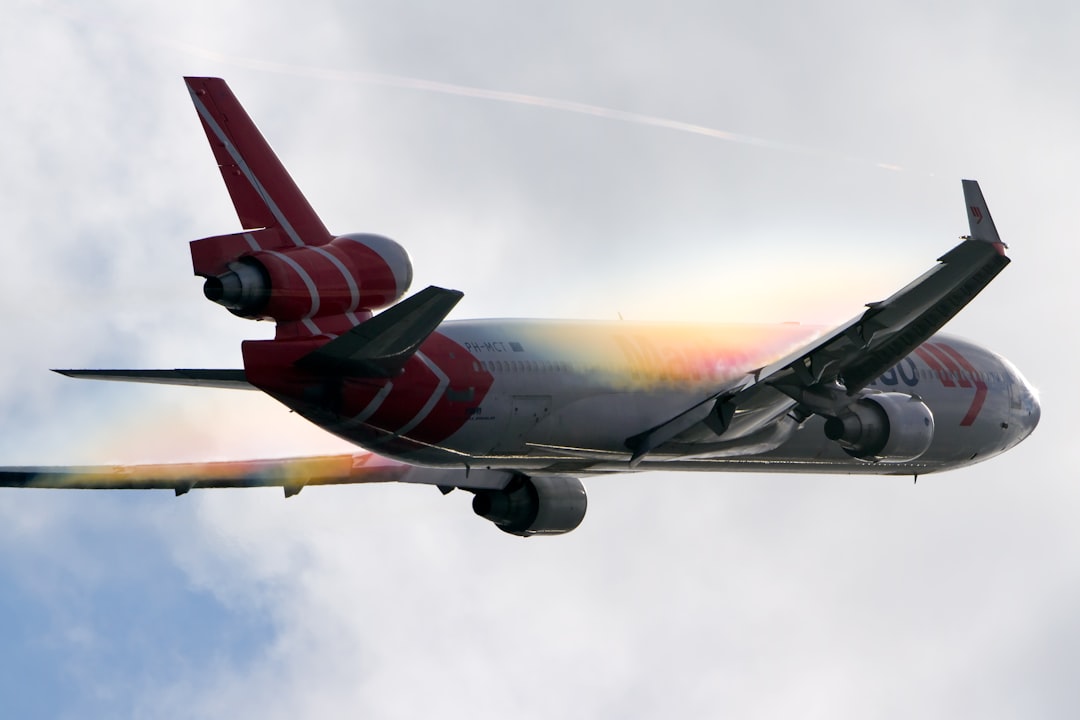
The persistent hum of airplane engines, the recycled air, and the uncomfortable seating arrangements are familiar aspects of air travel. Yet, beyond these physical discomforts, a more insidious challenge often arises: the disruption of sleep. For many, the idea of a restful night’s sleep on a plane seems like a utopian ideal. However, by understanding the physiological and environmental factors that impact sleep and by adopting strategic approaches, individuals can significantly improve their ability to achieve restorative sleep during flights. One often overlooked yet powerful tool in this endeavor is the judicious use of airplane mode.
While airplane mode’s primary function relates to electronic devices and their interference with aircraft systems, its application extends beyond mere compliance. By controlling the electromagnetic emissions of personal devices, airplane mode can indirectly contribute to a more conducive sleep environment, minimizing potential disruptions and promoting a state of relaxation necessary for sleep onset and maintenance. This article will delve into the multifaceted ways in which utilizing airplane mode, in conjunction with other sleep-enhancing strategies, can lead to maximizing sleep quality while airborne.
Air travel presents a unique confluence of factors that actively combat restful sleep. Understanding these elements is the first step towards mitigating their impact.
Circadian Rhythm Disruption
The body’s internal biological clock, the circadian rhythm, dictates sleep-wake cycles, hormone release, and other physiological processes. Travel across time zones, a common occurrence in air travel, throws this rhythm into disarray, leading to jet lag and difficulty sleeping at the desired times.
Melatonin and Light Exposure
The primary regulator of the circadian rhythm is light. Exposure to light, especially blue light emitted from electronic screens, signals to the brain that it is daytime, suppressing melatonin production. Melatonin is the hormone that promotes sleep. On a plane, the ambient lighting, coupled with personal device usage, can create a confusing signal for the body, making it harder to initiate sleep, particularly during the destination’s nighttime hours.
Time Zone Shifts and Adaptation
When the body experiences a sudden shift in time zones, it takes time for the internal clock to recalibrate. This lag can manifest as prolonged periods of wakefulness during the night and sleepiness during the day, even after arrival. The sleep obtained during the flight, if any, is often fragmented and less restorative due to this underlying circadian mismatch.
Environmental Factors and Sleep Quality
Beyond internal biological rhythms, the external environment of an airplane cabin significantly influences sleep quality.
Noise Pollution
The constant drone of engines, the sounds of other passengers, and the general activity within the cabin create a noisy environment that can disrupt sleep even for light sleepers. Sound at certain frequencies and amplitudes can prevent entry into deeper sleep stages or cause awakenings.
Temperature and Air Quality
Airplane cabins are often maintained at lower temperatures to account for body heat and to mitigate the effects of altitude. While some find this comfortable, others may become too cold, leading to discomfort and interrupted sleep. Furthermore, the dry, recirculated air can cause nasal congestion and dryness, further contributing to sleep disturbances.
Seating and Comfort
The limited space, cramped seating arrangements, and restricted ability to move freely contribute to physical discomfort. This discomfort can make it difficult to find a relaxed sleeping position and can lead to muscle stiffness and aches, directly impacting sleep quality.
Research has shown that using airplane mode on your devices can significantly enhance sleep quality by reducing exposure to electromagnetic fields and minimizing distractions from notifications. For a deeper understanding of this topic, you can explore a related article that discusses the various benefits of airplane mode for improving sleep: Freaky Science. This resource provides valuable insights into how limiting electronic interference can lead to more restful nights and better overall health.
The Role of Electronic Devices and Airplane Mode
The proliferation of personal electronic devices has become an integral part of modern travel. While these devices offer entertainment and connectivity, their electromagnetic emissions, even when seemingly innocuous, can play a more significant role in sleep disruption than commonly acknowledged.
Electromagnetic Emissions and the Brain
Research, though still evolving, has explored the potential impact of electromagnetic fields (EMFs) on biological systems, including the human brain. While the scientific consensus on widespread detrimental health effects from low-level EMFs is nuanced, some studies suggest potential disruptions to brainwave activity and melatonin production.
Potential for Subtler Disruptions
Even if not causing overtly noticeable effects, the constant, low-level EMFs emitted by devices like smartphones, tablets, and laptops, particularly when in close proximity to the head, could potentially contribute to a state of heightened alertness or a subtle inhibition of relaxation pathways necessary for sleep. This is a realm where further robust research is ongoing.
The “Always On” Nature of Devices
When devices are not in airplane mode, they are actively searching for Wi-Fi and cellular signals, engaging in background processes that contribute to their EMF output. This “always on” state, even when the screen is off, means continuous emission.
Airplane Mode as a Mitigation Strategy
Engaging airplane mode on personal electronic devices is a simple yet effective step to minimize these potential disruptions.
Halting Signal Transmission
Airplane mode fundamentally disables the device’s cellular, Wi-Fi, and Bluetooth radios, thereby ceasing the transmission and reception of electromagnetic signals. This action directly reduces the potential for the device to emit EMFs.
Reducing Cognitive Stimulation
Beyond EMFs, devices in their active state are often sources of cognitive engagement. Notifications, the temptation to check email or social media, and the general allure of the illuminated screen can actively prevent the mind from entering a relaxed state conducive to sleep. By switching to airplane mode, and ideally powering down or setting to a sleep-friendly mode, the primary cognitive distraction is removed.
Creating a “Digital Detox” Zone
Utilizing airplane mode, particularly during the intended sleep period, creates a personal “digital detox” zone. This allows the brain to disengage from the constant influx of information and stimuli that electronic devices provide, facilitating a more natural transition into sleep.
Practical Strategies for Implementing Airplane Mode for Sleep

The mere act of toggling airplane mode is only the beginning. Its effectiveness is amplified when integrated with a comprehensive approach to sleep hygiene on a plane.
Pre-Flight Preparation
The success of sleep on a plane begins long before boarding. Strategic preparation can significantly enhance the impact of airplane mode.
Choosing the Right Flight
Whenever possible, opt for overnight flights that align with your natural sleep schedule at your destination. This reduces the burden on your circadian rhythm.
Packing a Sleep Kit
Assemble a curated kit that includes essentials for sleep. This might include a comfortable eye mask, noise-canceling headphones or earplugs, a neck pillow designed for travel, and comfortable, loose-fitting clothing.
Pre-Flight Relaxation Routine
Engage in relaxing activities in the hours leading up to your flight. This could involve reading a physical book, listening to calming music, or practicing mindfulness. Avoid strenuous activity or mentally taxing work that can elevate alertness.
Onboard Implementation of Airplane Mode
The execution of airplane mode strategy during the flight is crucial.
Early Engagement
As soon as feasible after boarding and settling into your seat, engage airplane mode on all personal electronic devices. This proactive measure prevents the devices from emitting signals during the initial boarding and taxiing phases, which can be particularly disruptive.
Device Management for Sleep
Once airplane mode is activated, your strategy for device use should shift.
Powering Down Devices
For the most effective sleep environment, consider powering down your devices entirely. This completely eliminates any potential EMF emissions and removes the temptation to use them.
Utilizing E-readers with Backlights Adjusted
If reading is part of your pre-sleep routine, opt for an e-reader with adjustable backlighting. Ensure the backlight is set to the lowest comfortable level and avoid the blue light-heavy modes. Again, engaging airplane mode is paramount for these devices.
Curated Offline Content
If you anticipate needing entertainment, download offline content such as audiobooks, podcasts, or movies before your flight. Ensure these are loaded onto devices that are set to airplane mode.
Post-Sleep Transition
The transition out of sleep and the subsequent integration back into wakefulness also benefit from a mindful approach.
Gradual Re-engagement
Upon waking, or when you anticipate needing connectivity, gradually re-engage your devices. This might involve turning on Wi-Fi or Bluetooth as needed, rather than immediately switching everything back to its fully active state.
Avoiding Immediate Screen Exposure
Resist the urge to immediately dive into emails or social media upon waking. Allow your brain a few moments to fully transition out of sleep.
Optimizing the Cabin Environment for Sleep

While airplane mode addresses electronic influences, a holistic approach requires attention to the broader cabin environment.
Noise Management Techniques
Noise is a significant impediment to sleep. Airplane mode plays a role in reducing potential device-generated noise, but further steps are necessary.
High-Quality Noise-Canceling Headphones
Investing in good quality noise-canceling headphones is often a worthwhile expenditure for frequent flyers. These can effectively attenuate the low-frequency drone of engines and other ambient cabin noise, creating a quieter soundscape.
Earplugs as a Backup
For those who prefer or need a more robust solution, medical-grade earplugs can provide an additional layer of noise reduction.
Utilizing Calming Audio
While keeping devices in airplane mode, consider pre-downloading calming audio like white noise, nature sounds, or specially designed sleep playlists to play through your headphones. Ensure these are set to play without interruption.
Thermal Comfort and Air Quality
Maintaining an optimal body temperature and breathing comfortable air are essential for uninterrupted sleep.
Layering Clothing
The fluctuating cabin temperatures can be managed effectively through layering. Wear breathable clothing in multiple layers so you can add or remove garments as needed to maintain a comfortable body temperature.
Hydration and Nasal Care
The dry cabin air can be dehydrating. Sip water regularly and consider using a hydrating nasal spray or saline solution to alleviate nasal dryness and congestion, which can disrupt breathing and sleep.
Strategic Seat Selection
If possible, choose a seat that aligns with your comfort preferences. Window seats can offer a sense of solidity and reduce some of the movement felt by aisle passengers. Seats further from galleys and restrooms can also be quieter.
Many people struggle with sleep quality due to the constant distractions from their devices, which is why understanding the benefits of airplane mode can be crucial. By activating airplane mode, you can minimize notifications and interruptions that disrupt your rest. For more insights on how to enhance your sleep environment and improve your overall well-being, you might find this article on sleep quality particularly helpful. Implementing simple changes like this can lead to a more restful night and better health.
Beyond Airplane Mode: Holistic Sleep Hygiene Practices
| Benefits of Airplane Mode for Sleep Quality |
|---|
| Avoids electromagnetic radiation from mobile devices |
| Reduces distractions from notifications and calls |
| Promotes a more peaceful and uninterrupted sleep |
| Helps in maintaining a consistent sleep schedule |
Maximizing sleep quality on a plane involves a multifaceted approach that extends beyond the immediate impact of airplane mode.
Mindset and Pre-Sleep Routine
The psychological state of the traveler plays a crucial role in their ability to fall and stay asleep.
Pre-Flight Relaxation
As mentioned previously, engaging in calming activities before boarding primes the mind for sleep. This helps to reduce pre-travel anxiety and sets a more relaxed tone.
Visualization Techniques
During the flight, simple visualization techniques can be helpful. Imagine yourself in a peaceful environment or focus on your breath to calm the mind and encourage relaxation.
Acceptance of the Environment
While striving for ideal conditions, it is also important to cultivate a degree of acceptance. Air travel is inherently disruptive. Focusing on what you can control, like using airplane mode and your sleep kit, can be more productive than dwelling on the unavoidable discomforts.
Diet and Substance Considerations
What you consume before and during your flight can significantly impact your sleep.
Limiting Stimulants
Avoid caffeine and excessive sugar in the hours leading up to and during your flight. These substances can interfere with sleep onset and quality.
Avoiding Heavy Meals
Opt for lighter, easily digestible meals before and during your flight. Heavy meals can cause discomfort and indigestion, hindering sleep.
Mindful Alcohol Consumption
While alcohol may induce initial drowsiness, it often leads to fragmented sleep later in the night. If consuming alcohol, do so in moderation.
Post-Flight Integration and Sleep Recovery
The sleep obtained, or not obtained, on the plane has implications for your arrival and subsequent sleep.
Gradual Acclimatization
Upon arrival, gradually acclimatize to the new time zone. Expose yourself to natural light during the day and limit light exposure in the evening.
Prioritizing Sleep
Even if your flight sleep was suboptimal, prioritize a good night’s sleep at your destination. This will aid in faster recovery from any jet lag.
Considering Sleep Aids (with caution)
In some cases, and after consulting a healthcare professional, over-the-counter sleep aids or melatonin supplements may be considered for short-term use to aid in re-aligning sleep schedules. However, these should not be a substitute for good sleep hygiene practices.
In conclusion, while the idea of a perfect night’s sleep on an airplane may seem elusive, it is far from unattainable. The strategic implementation of airplane mode, by reducing potential electronic distractions and their associated electromagnetic emissions, serves as a foundational element in creating a more conducive sleep environment. Coupled with diligent attention to environmental factors, pre-flight preparation, and a holistic approach to sleep hygiene, travelers can significantly enhance their ability to achieve a more restorative and beneficial sleep experience, ultimately arriving at their destination feeling more refreshed and prepared. The quiet hum of engines, when met with informed preparation and mindful application of tools like airplane mode, can indeed become a lullaby rather than a disruptor.
FAQs
What is airplane mode and how does it benefit sleep quality?
Airplane mode is a setting available on most smartphones and electronic devices that disables the device’s wireless communication functions. This includes disabling cellular, Wi-Fi, and Bluetooth signals. By activating airplane mode, the device emits less electromagnetic radiation, which can potentially interfere with sleep quality.
How does electromagnetic radiation affect sleep quality?
Electromagnetic radiation emitted by electronic devices can disrupt the body’s production of melatonin, a hormone that regulates sleep-wake cycles. Exposure to this radiation, especially at night, can interfere with the body’s natural circadian rhythm and make it harder to fall asleep and stay asleep.
What are the benefits of using airplane mode for sleep quality?
Using airplane mode can reduce exposure to electromagnetic radiation, which may help improve sleep quality. By minimizing the impact of electronic devices on the body’s natural sleep-wake cycle, individuals may experience better and more restful sleep when using airplane mode.
Are there any other benefits to using airplane mode besides sleep quality?
In addition to potentially improving sleep quality, using airplane mode can also conserve battery life and reduce distractions from notifications and calls. It can also be helpful in certain situations, such as when traveling on an airplane or in areas with poor cellular reception.
When should airplane mode be activated to benefit sleep quality?
It is recommended to activate airplane mode at least 30 minutes before bedtime to minimize exposure to electromagnetic radiation and allow the body to naturally prepare for sleep. This can help create a more conducive environment for falling asleep and staying asleep throughout the night.